30 Farmhouse Garden Ideas: Creating Your Perfect Rustic Outdoor Sanctuary
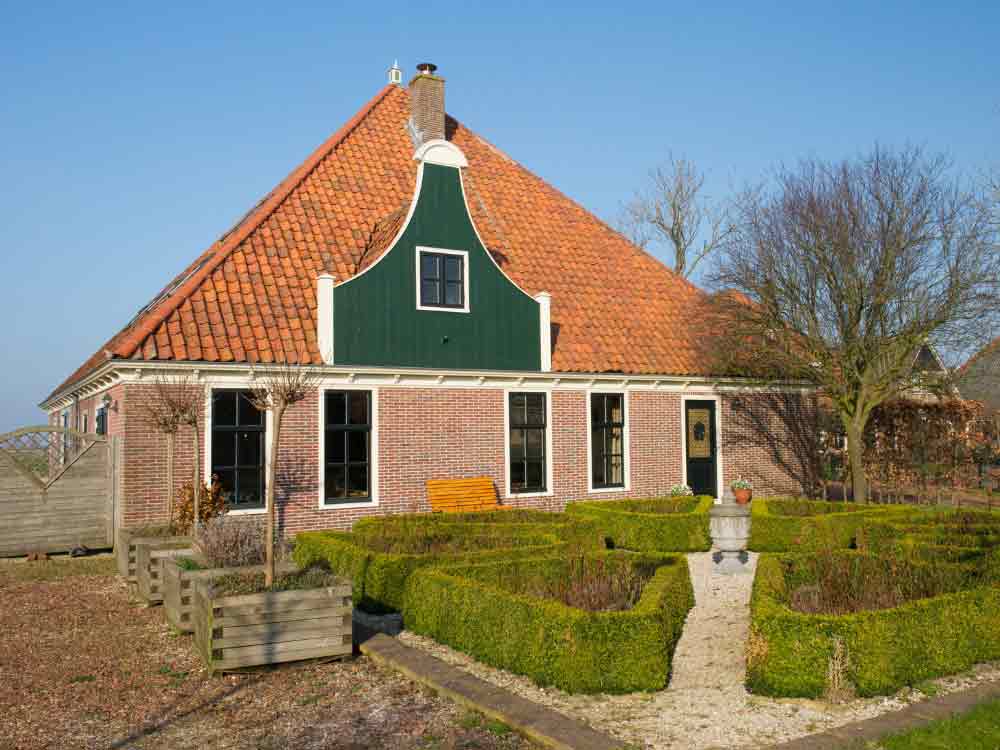
Creating a farmhouse garden is more than just planting flowers and vegetables; it’s about bringing rustic charm and timeless beauty to your outdoor space. A well-designed farmhouse garden reflects simplicity, functionality, and a deep connection to traditional country living.
The farmhouse garden concept embraces natural materials, vintage elements, and practical design that not only creates visual appeal but also provides a peaceful retreat where you can relax and reconnect with nature.
This article explores a variety of unique farmhouse garden designs, showcasing how different styles can transform your outdoor space into a charming country haven. From classic white picket fences to rustic garden sheds, each design has its own special character while staying true to farmhouse principles.
Join us as we explore 30 beautiful farmhouse garden concepts, each offering practical tips and inspiration for creating your own enchanting outdoor sanctuary.
1. Classic White Picket Fence Garden with Climbing Roses
Imagine walking into a charming farmhouse garden surrounded by a pristine white picket fence adorned with climbing pink and red roses. The fence creates a welcoming boundary while allowing glimpses of the colorful garden within.
A gravel pathway leads to a rustic wooden bench, perfect for enjoying quiet moments surrounded by blooming flowers. The garden beds overflow with lavender, daisies, and herbs, creating layers of color and texture that catch your eye.
The overall mood of this garden is one of classic American charm. The white picket fence symbolizes traditional farmhouse living, while the climbing roses add romance and fragrance to the space.
This design invites relaxation and creates a perfect spot for morning coffee or afternoon reading, making it an ideal retreat for anyone seeking simple country beauty.
Design Tips:
- Install a white picket fence to create classic farmhouse charm and define your garden space.
- Plant climbing roses along the fence for vertical interest and beautiful fragrance.
- Use gravel pathways for a rustic look that also provides good drainage.
- Add a simple wooden bench as a focal point for relaxation and garden viewing.
2. Vintage Wheelbarrow Planter Garden
In this creative farmhouse garden, an old wooden wheelbarrow becomes a stunning planter filled with colorful geraniums, petunias, and trailing ivy. The weathered wood of the wheelbarrow tells a story of years gone by, adding authentic character to the garden.
Surrounding the wheelbarrow are neat rows of vegetable beds with wooden borders, growing tomatoes, lettuce, and herbs. A small chicken wire fence protects the vegetables while maintaining the rustic aesthetic.
This design emphasizes resourcefulness and creativity, key elements of farmhouse living. The repurposed wheelbarrow serves as both a functional planter and a decorative element that captures attention.
The combination of ornamental flowers and practical vegetables creates a garden that is both beautiful and productive, reflecting the farmhouse tradition of making every space work hard.
Design Tips:
- Repurpose old farm tools like wheelbarrows as unique planters for instant character.
- Mix ornamental flowers with edible plants for beauty and functionality.
- Use wooden borders for raised vegetable beds to maintain the rustic theme.
- Incorporate chicken wire fencing for a practical yet decorative touch.
3. Rustic Garden Shed with Flower Boxes
This enchanting farmhouse garden features a small rustic wooden shed with a weathered grey finish and a pitched roof. Window boxes overflowing with red geraniums and white petunias add cheerful color to the structure.
The shed is surrounded by a cottage-style garden filled with hollyhocks, sunflowers, and zinnias that create a explosion of summer color. A stone pathway winds through the garden, leading visitors on a journey through the blooms.
The garden shed serves as both a practical storage space and a charming focal point. Its weathered appearance adds authenticity and character, while the abundant flowers soften the structure and integrate it into the landscape.
This design shows how functional elements can become beautiful features when thoughtfully placed and decorated with flowering plants.
Design Tips:
- Add window boxes to garden sheds for instant charm and color.
- Plant tall flowers like hollyhocks and sunflowers to create vertical interest.
- Use natural stone pathways to add texture and guide movement through the garden.
- Choose weathered or distressed finishes for structures to enhance the farmhouse aesthetic.
4. Herb Spiral Garden with Stone Edging
A farmhouse herb garden features a creative spiral design built with natural stone edging. The spiral rises from ground level, creating different growing zones for various herbs with different sun and water needs.
Rosemary, thyme, oregano, basil, and parsley grow in abundance throughout the spiral. A small gravel area surrounds the herb spiral, with wooden crates filled with additional potted herbs nearby.
This design showcases the practical side of farmhouse gardening. Herbs are essential in country cooking, and the spiral design maximizes growing space while creating an attractive focal point.
The use of natural stone and the efficient design reflect farmhouse values of functionality and beauty working together in harmony.
Design Tips:
- Build an herb spiral to maximize growing space in small areas.
- Use natural stone for edging to add rustic texture and durability.
- Group herbs by their water and sun requirements for easier care.
- Add gravel around the spiral for clean pathways and good drainage.
5. Cottage-Style Cutting Garden with Arbor Entrance
This beautiful farmhouse garden features a wooden arbor entrance draped with white clematis and purple wisteria. Beyond the arbor, rows of cutting flowers create a rainbow of colors perfect for fresh bouquets.
Zinnias, dahlias, sunflowers, and cosmos grow in organized rows separated by mulched pathways. A vintage metal watering can sits on a wooden stool, ready for garden tasks.
The cutting garden represents the practical beauty of farmhouse gardening. Every flower serves a purpose—bringing joy indoors through fresh arrangements while looking stunning in the garden.
The arbor entrance creates a sense of arrival and makes the garden feel like a special destination within your outdoor space.
Design Tips:
- Install a wooden arbor to create a dramatic entrance to your garden.
- Plant flowers in rows for easy cutting and maintenance.
- Use mulched pathways between rows for clean walking spaces.
- Include vintage garden tools as decorative elements that tell a story.
6. Raised Bed Vegetable Garden with Barn Door Backdrop
This practical farmhouse garden showcases multiple raised beds built from weathered reclaimed wood. A backdrop of an old red barn door mounted on a fence creates a stunning focal point.
The raised beds contain a variety of vegetables including tomatoes with wooden stakes, leafy greens, carrots, and beans. Marigolds are planted at the edges to naturally deter pests while adding pops of orange color.
The design emphasizes the farmhouse principle of self-sufficiency. Growing your own vegetables connects you to the land and provides fresh, healthy food for your family.
The barn door backdrop adds authentic farmhouse character while also serving as a support structure for climbing vegetables and a visual anchor for the garden space.
Design Tips:
- Build raised beds from reclaimed wood for authentic farmhouse character.
- Plant marigolds around vegetables for natural pest control and color.
- Use old barn doors or architectural salvage as decorative backdrops.
- Incorporate vertical growing with stakes and supports to maximize space.
7. Farmhouse Front Yard Garden with Stone Path
This welcoming farmhouse garden transforms the front yard into a charming display. A wide stone pathway leads to the front door, bordered by abundant cottage garden flowers.
Lavender, roses, catmint, and daisies create soft, romantic plantings that spill onto the pathway. A vintage milk can painted in weathered white serves as a planter near the front steps.
The front yard garden creates an inviting first impression that embodies farmhouse hospitality. The generous plantings and natural materials welcome visitors before they even reach the door.
This design shows how farmhouse style can be adapted to any area of your property, bringing charm and character to the most visible part of your home.
Design Tips:
- Use natural stone for pathways to create an authentic farmhouse feel.
- Allow flowers to spill onto paths for a relaxed, cottage garden look.
- Repurpose vintage containers like milk cans as unique planters.
- Choose fragrant plants like lavender near entrances for a sensory welcome.
8. Galvanized Trough Garden with Succulents
This creative farmhouse garden features large galvanized metal troughs filled with a variety of succulents and drought-tolerant plants. The silvery metal containers create interesting contrast against the green and purple tones of the plants.
The troughs are arranged at different heights using wooden blocks and stumps, creating visual interest and making them easier to maintain. Gravel mulch surrounds the containers, completing the rustic aesthetic.
This design brings farmhouse style to modern, low-maintenance gardening. The galvanized troughs are authentic farm items repurposed for contemporary plant collections.
The combination of industrial metal and organic plants creates an interesting tension that feels both traditional and fresh, perfect for farmhouse gardens in drier climates.
Design Tips:
- Use galvanized farm troughs as large-scale planters for impact.
- Vary container heights to create visual interest and improve accessibility.
- Choose succulents for low-maintenance farmhouse style in dry areas.
- Add gravel mulch around containers for a cohesive, rustic look.
9. Farmhouse Garden with Chicken Coop Integration
This comprehensive farmhouse garden seamlessly integrates a charming chicken coop with ornamental and vegetable gardens. The white coop with a metal roof sits among the garden beds, with chickens providing natural pest control and fertilizer.
Garden beds radiate from the coop area, filled with vegetables, herbs, and flowers. A picket fence protects certain areas while allowing the chickens access to others for natural garden maintenance.
This design embodies the ultimate farmhouse garden—a productive ecosystem where animals and plants work together. The chickens add life, purpose, and authenticity to the space.
The integration of livestock with gardens reflects traditional farmstead practices, creating a space that is both nostalgic and highly functional for modern homesteaders.
Design Tips:
- Integrate a chicken coop into garden design for authenticity and practical benefits.
- Use selective fencing to control where chickens can access.
- Allow chickens to naturally manage pests and fertilize garden areas.
- Choose a coop design that complements your overall farmhouse aesthetic.
10. Wildflower Meadow Garden with Split Rail Fence
This naturalistic farmhouse garden features a wildflower meadow contained within a rustic split rail fence. Native wildflowers including black-eyed Susans, purple coneflowers, and wild daisies create a tapestry of color.
A mowed pathway winds through the meadow, allowing you to walk through the flowers and observe butterflies and bees. An old wooden wagon wheel leans against the fence as a decorative accent.
The wildflower meadow represents low-maintenance farmhouse gardening at its finest. Once established, the meadow requires minimal care while providing maximum beauty and wildlife habitat.
This design connects the garden to the surrounding landscape, creating a transition between cultivated and natural spaces that feels authentic and effortless.
Design Tips:
- Plant native wildflowers for low-maintenance, eco-friendly gardens.
- Maintain mowed pathways through meadows for access and definition.
- Use split rail fencing for rustic boundaries that don’t block views.
- Add vintage farm equipment as sculptural accents.
11. Container Herb Garden on Wooden Ladder
This space-saving farmhouse garden features a vintage wooden ladder leaning against a fence or wall, with herb containers placed on each rung. Terracotta pots filled with various herbs create a vertical garden full of fragrance and utility.
Basil, mint, parsley, cilantro, and chives grow within easy reach. The weathered ladder adds vertical interest while the pots can be easily rearranged or replaced as seasons change.
This design is perfect for small spaces or areas where ground planting isn’t possible. The ladder garden brings farmhouse charm to patios, balconies, or narrow side yards.
The vertical arrangement makes harvesting herbs convenient while creating an eye-catching display that serves as both garden and decoration.
Design Tips:
- Repurpose old wooden ladders as vertical herb gardens.
- Use terracotta pots for authentic farmhouse style and good drainage.
- Place ladder gardens near kitchen doors for convenient herb harvesting.
- Group herbs by similar water needs on each rung for easier care.
12. Farmhouse Garden with Pea Gravel Courtyard
This elegant farmhouse garden centers around a pea gravel courtyard surrounded by raised planting beds. The neutral gravel creates a clean, organized space that contrasts beautifully with lush plantings.
Boxwood hedges provide structure, while roses, hydrangeas, and perennials add color and softness. A vintage iron bench sits in the courtyard, creating an inviting seating area surrounded by beauty.
The courtyard design brings order and elegance to the farmhouse garden. The gravel surface is practical, providing excellent drainage and a clean surface that stays neat throughout the seasons.
This design shows how farmhouse style can be adapted for more formal spaces while maintaining rustic charm through material choices and plant selections.
Design Tips:
- Create courtyard areas with pea gravel for clean, low-maintenance surfaces.
- Use boxwood or other hedges for structure and year-round interest.
- Add an iron bench for seating that looks beautiful even when not in use.
- Surround gravel areas with abundant plantings for contrast and softness.
13. Farmhouse Garden with Vintage Window Frames
This creative farmhouse garden uses old window frames mounted on fence posts or walls to create architectural interest. The windows frame views of the garden beyond or serve as trellises for climbing plants.
Morning glories and sweet peas wind through the window openings, creating living stained glass effects. Below the windows, cottage garden flowers in shades of blue, white, and pink echo the sky colors visible through the frames.
This design demonstrates the farmhouse principle of repurposing and creativity. Old windows that might be discarded become artistic focal points that add depth and interest to the garden.
The windows create a sense of mystery and discovery, inviting viewers to look through them and explore what lies beyond.
Design Tips:
- Mount old window frames on fences or posts as garden art.
- Train climbing plants through window openings for living decoration.
- Position windows to frame attractive garden views.
- Paint frames in coordinating colors or leave weathered for authentic patina.
14. Farmhouse Orchard Garden with Underplanting
This productive farmhouse garden features dwarf fruit trees underplanted with flowers and herbs. Apple, pear, and cherry trees provide structure and seasonal interest while the underplanting creates layers of beauty.
Daffodils bloom in spring before the trees leaf out, followed by foxgloves and delphiniums in summer. Thyme and chamomile groundcovers release fragrance when walked upon on the grass pathways between trees.
This design maximizes space by using vertical layers—trees overhead, flowers at mid-height, and groundcovers below. The combination creates a productive garden that feeds both body and soul.
The orchard garden connects to farmhouse traditions of growing your own fruit while creating a beautiful, multi-functional outdoor space.
Design Tips:
- Choose dwarf fruit trees for manageable size in home gardens.
- Underplant trees with spring bulbs and shade-tolerant flowers.
- Use fragrant groundcovers between trees for sensory interest.
- Maintain grass pathways between trees for easy access and a soft feel.
15. Farmhouse Garden with Vintage Metal Chairs
This charming farmhouse garden creates an outdoor sitting area with vintage metal chairs painted in soft colors. The chairs surround a small bistro table, creating an intimate dining spot among the flowers.
The seating area is nestled within abundant plantings of roses, peonies, and clematis that create a secret garden feeling. A gravel surface under the furniture keeps the area clean and functional.
This design emphasizes the farmhouse garden as outdoor living space, not just a place to grow plants. The vintage furniture adds character while creating functional areas for enjoying the garden.
The combination of practical seating and romantic plantings creates a space that invites lingering, making the garden a true extension of your home.
Design Tips:
- Add vintage metal furniture to create outdoor living spaces in the garden.
- Paint old furniture in soft colors for a fresh yet aged look.
- Nestle seating areas within plantings for an intimate, enclosed feeling.
- Use gravel or pavers under furniture for a clean, stable surface.
16. Farmhouse Potager Garden with Geometric Beds
This formal farmhouse potager (kitchen garden) features geometric raised beds arranged in a symmetrical pattern. The beds are filled with a beautiful mix of vegetables, herbs, and edible flowers.
Central pathways intersect at a focal point marked by a birdbath or sundial. The organized layout makes planting, maintenance, and harvesting efficient while creating a stunning pattern when viewed from above.
This design brings European farmhouse elegance to the vegetable garden. The potager style proves that productive gardens can be as beautiful as ornamental ones.
The geometric layout appeals to those who appreciate order and structure while the abundant plantings maintain a sense of rustic abundance.
Design Tips:
- Design vegetable beds in geometric patterns for visual interest.
- Mix vegetables with herbs and edible flowers for beauty and function.
- Create intersecting pathways for easy access to all beds.
- Add a central focal point like a birdbath or sundial for elegance.
17. Farmhouse Garden with Reclaimed Wood Pergola
This inviting farmhouse garden features a pergola built from reclaimed barn wood, creating a shaded retreat covered with climbing roses and grape vines. Underneath, a weathered wooden table and chairs provide dining space surrounded by beauty.
Hanging baskets filled with trailing petunias and lobelia hang from the pergola beams, adding color overhead. The ground around the pergola is paved with irregular flagstones, with creeping thyme filling the gaps.
The pergola creates a defined outdoor room within the garden, providing shade and structure while supporting climbing plants. The reclaimed wood adds authentic farmhouse character and tells a story.
This design shows how to create comfortable outdoor living spaces that blend seamlessly with the garden, making the most of your outdoor property.
Design Tips:
- Build pergolas from reclaimed barn wood for authentic character.
- Train climbing plants overhead for shade and beauty.
- Add hanging baskets for color at eye level and above.
- Use flagstone paving with planted gaps for a natural, aged look.
18. Farmhouse Garden with Enamelware Collection
This whimsical farmhouse garden displays a collection of vintage enamelware pieces repurposed as planters. White enamel colanders, buckets, pots, and pans hang on a fence or are arranged on wooden shelves.
Each enamelware piece contains herbs, small flowers, or trailing plants. The white enamel creates a cohesive look while the varied shapes add interest. Chipped and worn pieces add to the authentic farmhouse charm.
This design celebrates collecting and repurposing, key elements of farmhouse decorating. The enamelware collection adds personality and creates a unique garden that reflects the gardener’s treasure-hunting adventures.
The white containers stand out against colorful plantings and weathered wood, creating visual impact through contrast and repetition.
Design Tips:
- Collect vintage enamelware to use as unique planters.
- Embrace chips and wear as signs of authentic age and character.
- Group similar items in collections for visual impact.
- Drill drainage holes in the bottom of enamelware pieces before planting.
19. Farmhouse Garden with Stone Well Feature
This enchanting farmhouse garden centers around a decorative stone well with a wooden roof and pulley system. While not functional, the well serves as a dramatic focal point and conversation piece.
Climbing roses cover the well structure while flower beds radiate outward in all directions. A circular brick pathway surrounds the well, making it accessible from all sides and creating a gathering point.
The well adds height and architectural interest to the garden while evoking memories of historic farmsteads. It creates a sense of history and permanence in the landscape.
This design shows how substantial focal points can anchor a garden and create a sense of place that makes the space feel established and timeless.
Design Tips:
- Add a decorative well structure as a dramatic focal point.
- Plant climbing roses or vines to soften and decorate the structure.
- Create circular pathways around central features for all-around access.
- Use the well area as a gathering point for garden tours or parties.
20. Farmhouse Garden with Brick Edging and Boxwood
This refined farmhouse garden uses brick edging to create crisp borders between lawn and planting beds. Boxwood balls provide evergreen structure and formality balanced by loose, romantic plantings.
Roses, lavender, peonies, and catmint overflow the beds, softening the straight lines of the brick edging. The combination of structured edges and loose plantings creates pleasing contrast.
This design brings together formal elements (brick, boxwood) with informal plantings (cottage flowers) to create a balanced farmhouse aesthetic that feels both organized and abundant.
The brick edging provides clean definition that makes maintenance easier while adding classic farmhouse character through traditional materials.
Design Tips:
- Use brick edging for clean borders that add traditional character.
- Plant boxwood for year-round structure and formality.
- Balance structured elements with loose, flowing flower plantings.
- Choose classic brick laying patterns like soldier course or basket weave.
21. Farmhouse Garden with Metal Livestock Trough Pond
This innovative farmhouse garden features a large galvanized livestock trough repurposed as a container water garden. Water lilies, water lettuce, and iris grow in the trough while goldfish swim below.
The trough sits on a gravel base surrounded by moisture-loving plants like ferns, hostas, and astilbe. A simple wooden bench nearby provides a spot to enjoy the water feature’s calming effects.
This design brings the soothing element of water to the farmhouse garden in an authentic, rustic way. The livestock trough maintains the agricultural aesthetic while serving a new purpose.
The water feature attracts birds, dragonflies, and butterflies, adding life and movement to the garden while creating a peaceful focal point.
Design Tips:
- Repurpose livestock troughs as instant container ponds.
- Add aquatic plants and fish for a complete water ecosystem.
- Surround water features with moisture-loving plants.
- Position seating nearby to maximize enjoyment of the water feature.
22. Farmhouse Garden with Espalier Fruit Trees
This space-efficient farmhouse garden features fruit trees trained in espalier form against a fence or wall. The flat, two-dimensional tree forms create living artwork while producing fresh fruit.
Apple and pear trees are trained in traditional patterns—horizontal cordons, fans, or candelabras. Below the espaliered trees, shallow borders contain herbs and low-growing flowers.
This design brings Old World farmhouse elegance to modern gardens while maximizing productivity in small spaces. The espalier technique produces abundant fruit in minimal square footage.
The trained trees add architectural interest year-round, with spring blossoms, summer fruit, and winter branch patterns all contributing to the garden’s beauty.
Design Tips:
- Train fruit trees in espalier forms for space-efficient production.
- Use fences or walls as support structures for espaliered trees.
- Choose traditional espalier patterns for formal farmhouse elegance.
- Plant low-growing herbs and flowers beneath espaliered trees.
23. Farmhouse Garden with Vintage Gate Collection
This creative farmhouse garden features a collection of vintage garden gates mounted on fence sections or standing as decorative elements. Each gate has unique details—scrollwork, pickets, or peeling paint.
The gates are positioned throughout the garden as architectural accents, with some serving as actual passageways and others as pure decoration. Climbing roses and clematis weave through the gates, integrating them into the plantings.
This design celebrates the beauty of aged materials and architectural salvage. The gates add vertical interest, create focal points, and bring a sense of history to the garden.
The collection approach—using multiple gates rather than one—creates rhythm and repetition that unifies the garden space.
Design Tips:
- Collect vintage gates to use as garden architecture.
- Position gates as focal points even when they don’t serve as passageways.
- Train climbing plants through and over gates for integration.
- Leave original paint colors and patina for authentic character.
24. Farmhouse Garden with Lavender Border Path
This fragrant farmhouse garden features pathways lined with generous borders of lavender. The purple-blue flowers create stunning color ribbons while the fragrance engages another sense.
Stone or gravel pathways run between the lavender borders, leading to different garden areas. Behind the lavender, taller flowers like roses, hollyhocks, and delphiniums create a second layer of color and height.
The lavender borders serve multiple purposes—beauty, fragrance, pollinator attraction, and pathway definition. The plants also provide material for dried arrangements and sachets.
This design shows how single-plant borders can create strong impact while maintaining the simple, abundant aesthetic of farmhouse gardens.
Design Tips:
- Plant lavender borders along pathways for fragrance and beauty.
- Use stone or gravel paths between plantings for clean access.
- Layer taller plants behind lavender for depth and interest.
- Harvest lavender for dried arrangements extending garden enjoyment indoors.
25. Farmhouse Garden with Raised Beds and Arbor
This organized farmhouse garden combines raised vegetable beds with a central arbor passageway. The arbor divides the space into garden rooms while providing support for climbing beans or cucumbers.
Raised beds on either side contain vegetables, herbs, and cutting flowers in organized rows. The arbor creates a destination—a reason to walk through the garden and experience it fully.
This design brings structure and organization to the productive garden without sacrificing farmhouse charm. The arbor adds height and creates a sense of journey through the space.
The combination of functional beds and decorative arbor shows how farmhouse gardens can be both practical and beautiful.
Design Tips:
- Use central arbors to divide gardens into distinct areas or rooms.
- Grow productive crops like beans on arbors for dual purpose.
- Arrange raised beds symmetrically on both sides of arbors.
- Create pathways that lead through arbors for garden exploration.
26. Farmhouse Garden with Vintage Watering Can Display
This charming farmhouse garden features a collection of vintage watering cans displayed on weathered wooden shelves or a rustic ladder. The watering cans in various sizes and finishes create an eye-catching vignette.
Some watering cans contain planted herbs or trailing flowers, while others remain empty as pure decoration. The collection is positioned against a fence or wall, creating a vertical display that doesn’t take up valuable growing space.
This design celebrates functional items as decorative objects, a key farmhouse philosophy. The watering can collection adds personality and creates a talking point in the garden.
The vertical display makes maximum use of limited space while adding visual interest at different heights.
Design Tips:
- Collect vintage watering cans for functional decoration.
- Display collections on shelves, ladders, or fence hooks.
- Plant some watering cans while leaving others empty for variety.
- Group items of similar function for cohesive visual impact.
27. Farmhouse Garden with Gravel Paths and Rose Arches
This romantic farmhouse garden features a series of rose arches spanning gravel pathways. The arches create a tunnel effect, with climbing roses meeting overhead in summer.
Wide gravel paths allow comfortable two-person walking and wheelbarrow access. Abundant border plantings of perennials and shrubs flank the paths, spilling onto the gravel edges.
The succession of arches creates rhythm and draws visitors through the garden, making even small spaces feel larger through the illusion of distance and journey.
This design brings formal structure through the architectural elements while maintaining cottage garden abundance through the generous plantings.
Design Tips:
- Install multiple rose arches to create garden pathways and structure.
- Use gravel paths wide enough for comfortable walking and garden tasks.
- Allow border plantings to spill onto path edges for softness.
- Choose climbing roses with fragrance to enhance the sensory experience.
28. Farmhouse Garden with Vintage Bicycle Planter
This whimsical farmhouse garden features an old bicycle repurposed as a unique planter. Baskets mounted on the handlebars and rear rack overflow with colorful annuals like petunias, geraniums, and trailing ivy.
The bicycle is positioned as a focal point near the garden entrance or along a pathway. Its weathered paint and vintage style add instant farmhouse character and personality.
This design shows how unexpected items can become garden art. The bicycle planter creates a sense of whimsy and movement in the static garden landscape.
The creative repurposing reflects farmhouse values of using what you have and finding beauty in aged objects.
Design Tips:
- Repurpose vintage bicycles as unique container gardens.
- Mount multiple baskets on different parts of the bicycle for abundant plantings.
- Position bicycle planters where they create focal points or photo opportunities.
- Choose trailing plants that cascade over baskets for maximum visual impact.
29. Farmhouse Garden with Stone Planters and Urns
This elegant farmhouse garden uses large stone planters and urns as focal points. The substantial containers are positioned at pathway intersections, garden entrances, or on either side of steps.
The urns contain dramatic plantings—topiary boxwood, bold ferns, or overflowing annuals depending on the season. The natural stone adds permanence and weight to the garden structure.
This design brings sophistication to farmhouse style through classical elements. The stone urns create year-round interest, beautiful even in winter when plantings are dormant.
The repetition of similar containers throughout the garden creates unity and helps guide movement through the space.
Design Tips:
- Use stone planters for substantial focal points with lasting beauty.
- Position urns at key locations like entrances and pathway intersections.
- Change seasonal plantings while containers provide consistent structure.
- Use pairs of matching urns for formal symmetry at doorways or gates.
30. Farmhouse Garden with Mixed Raised Bed Heights
This dynamic farmhouse garden features raised beds at multiple heights, creating a terraced effect. Lower beds are built to comfortable working height while taller beds serve as borders and screens.
The varying heights add visual interest and make gardening more accessible. Vegetables grow in lower beds while herbs and flowers fill the taller ones.
The multi-level design maximizes growing space while creating distinct garden zones. Pathways between the beds are mulched with wood chips for comfortable walking and weed suppression.
This design shows how thoughtful planning can make farmhouse gardens both beautiful and highly functional, accommodating different plants and different gardening tasks with ease.
Design Tips:
- Build raised beds at different heights for visual interest and function.
- Use lower beds for vegetables requiring frequent access.
- Create taller beds for herbs and flowers at easier harvesting height.
- Mulch pathways between beds for comfortable walking and weed control.
Conclusion
Creating a farmhouse garden is an enriching journey that combines practical growing with timeless beauty. Each design concept highlighted here offers unique inspiration for incorporating rustic charm and country style into your outdoor space.
Whether you prefer the classic appeal of white picket fences or the creative repurposing of vintage farm items, these ideas provide abundant inspiration. Don’t hesitate to mix and match concepts to create your own unique farmhouse garden that reflects your personality and meets your needs.
Remember, farmhouse gardens are about connection—to the land, to tradition, and to the simple pleasures of growing things. Start with one or two ideas that speak to you, and let your garden grow and evolve naturally over time. Your perfect rustic sanctuary awaits!