25 Attic Bedroom Ideas
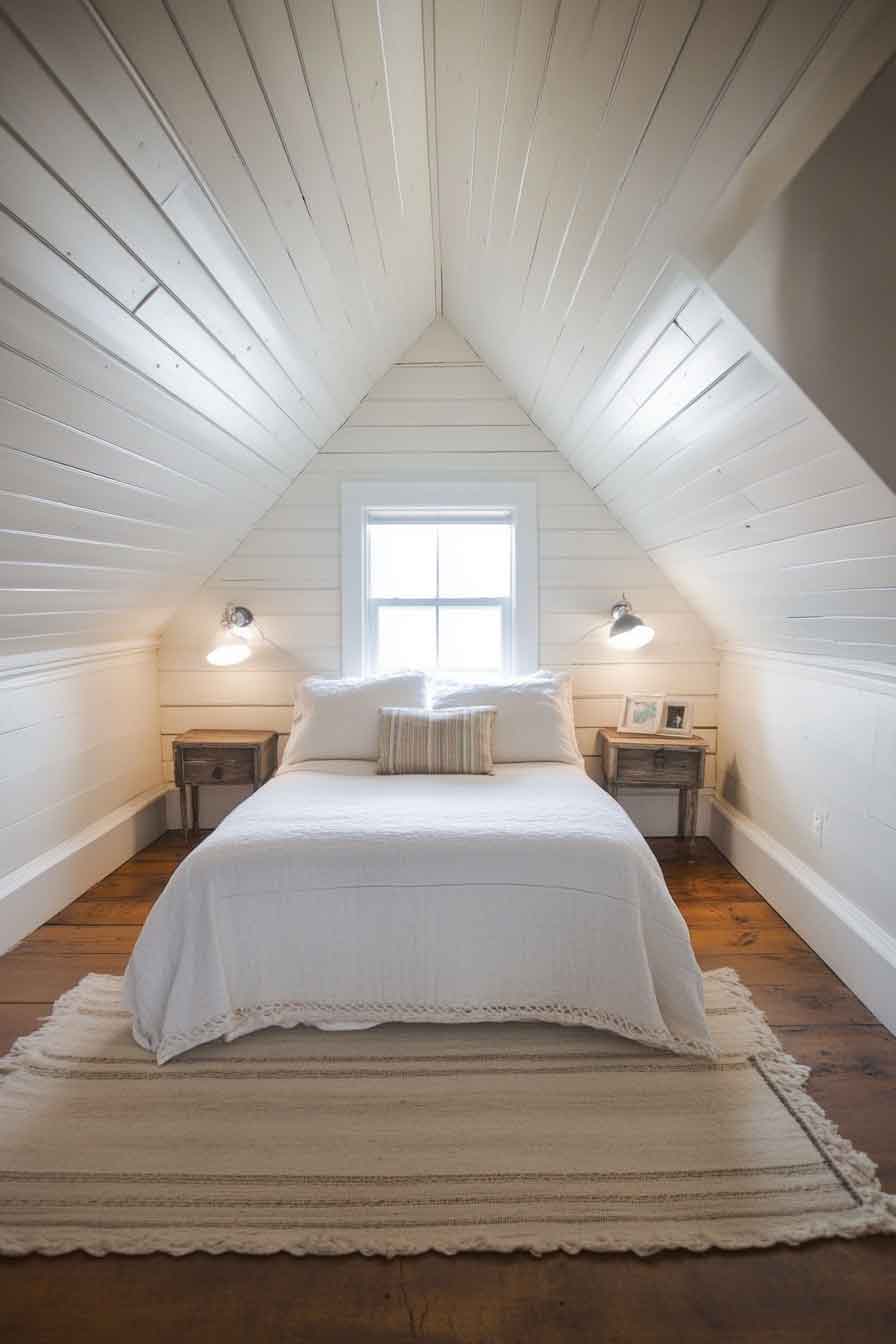
Do you have an unused attic gathering dust and forgotten boxes? Transform that overlooked space into a stunning bedroom retreat! Attic bedrooms offer a unique charm with their sloped ceilings, cozy nooks, and intimate atmosphere that you simply can’t find in traditional rooms.
Converting your attic into a bedroom is one of the smartest ways to add living space without the cost of building an addition. Whether you’re creating a guest room, a teenager’s private haven, or a master suite escape, attic bedrooms combine character with functionality in ways that make them truly special.
In this article, we’ll explore creative and practical attic bedroom ideas that work with your space’s unique features rather than against them. From clever storage solutions to lighting tricks and design styles, you’ll discover how to turn those slanted walls and awkward corners into your home’s most charming room.
The beauty of an attic bedroom lies in its character. Those sloped ceilings that seem challenging at first become cozy architectural features. Small windows tucked under the eaves create perfect reading nooks. Even the compact size works in your favor, making the space feel warm and protected rather than cramped.
Whether your attic is spacious or snug, finished or bare bones, there’s an approach that will work for your space and budget. Let’s dive into these inspiring ideas that will help you see your attic’s potential.
What Makes Attic Bedrooms Special?
Attic bedrooms have a charm all their own. The angled ceilings create an intimate, cocoon-like feeling that makes these spaces naturally relaxing. Unlike standard rectangular rooms, attics offer interesting architectural details that give the room personality and character.
The elevated position of an attic bedroom provides natural separation from the main living areas below. This makes it perfect for guests who want privacy or teenagers who need their own space. The distance from common areas also means less noise and more peace.
Attic spaces often feature exposed beams, dormer windows, and unique angles that become beautiful design elements rather than obstacles. These features tell a story and add visual interest that modern rooms sometimes lack. When designed thoughtfully, an attic bedroom becomes a special retreat within your home.
The key is working with the space rather than fighting against it. Embrace the low ceilings in some areas by creating cozy spots for reading or relaxing. Use the higher ceiling areas for standing and moving around. This natural division of space actually helps create a more functional and interesting room.
Important Things to Consider Before Starting
1. Check Building Codes and Requirements
Before you start decorating, make sure your attic meets basic safety requirements. Most areas require a minimum ceiling height of 7 feet for at least half the room’s floor space. You’ll also need proper stairs (not just a ladder), adequate ventilation, and windows that can serve as emergency exits.
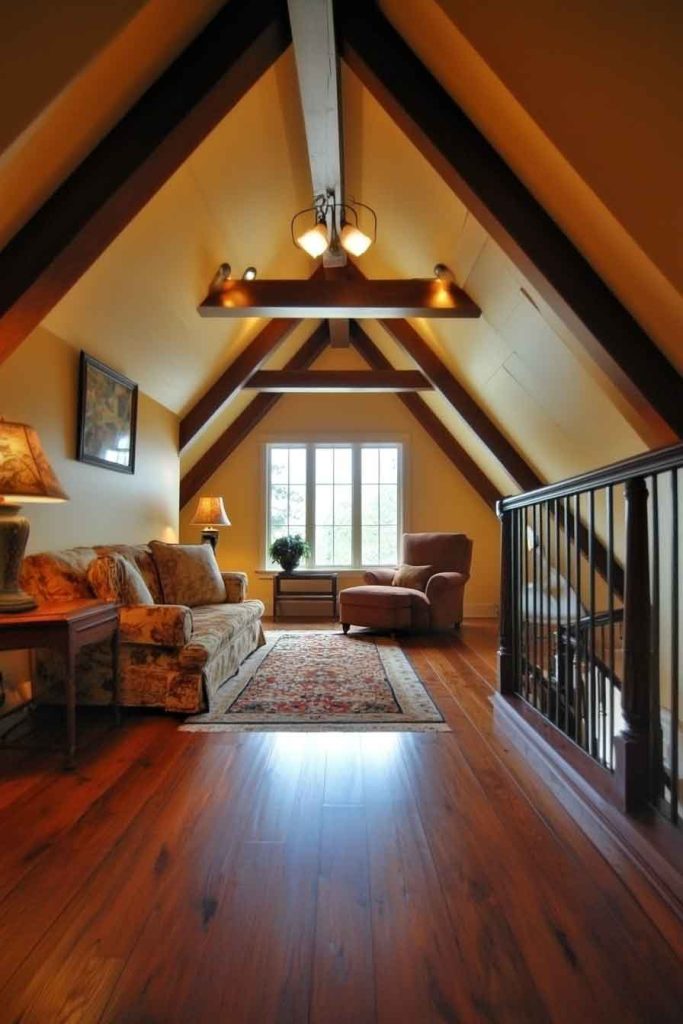
Check your local building codes to see what permits you might need. Some areas require inspections for electrical work, insulation, and structural modifications. Taking care of these legal requirements first saves headaches later.
2. Ensure Proper Insulation and Ventilation
Attics can get very hot in summer and cold in winter. Good insulation in the walls and ceiling is essential for comfort. Without it, your beautiful bedroom will be uncomfortable and expensive to heat or cool.
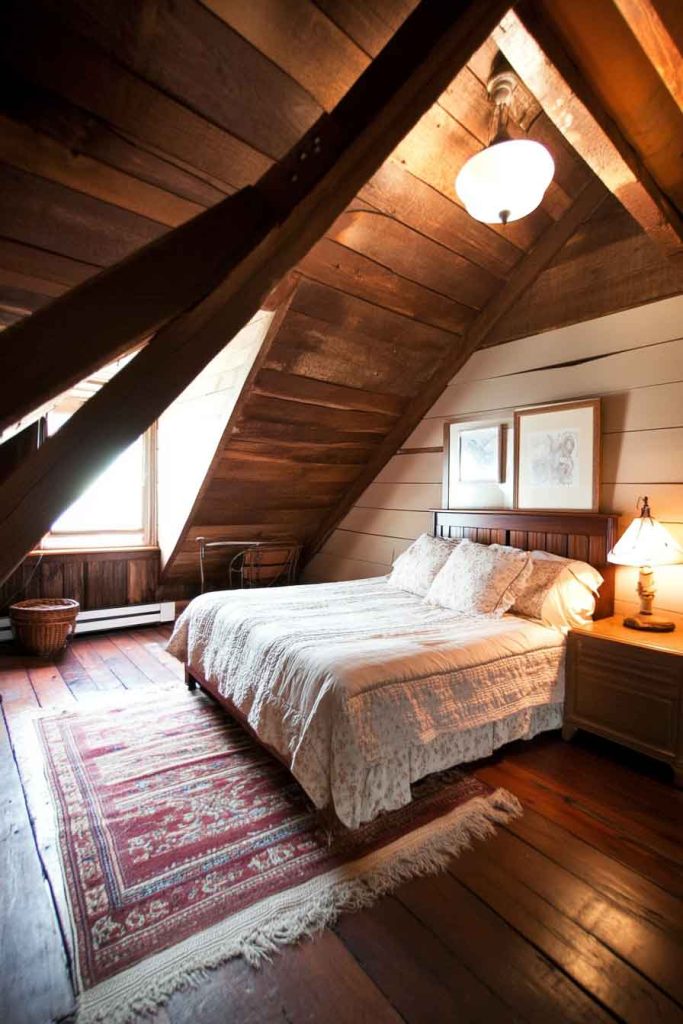
Ventilation is equally important. Proper airflow prevents moisture buildup that can lead to mold and damage. Consider adding vents, fans, or even a small air conditioning unit if needed. Fresh air circulation makes the space healthier and more pleasant.
3. Plan for Adequate Lighting
Attic bedrooms often have limited natural light due to smaller windows or skylights. Plan for multiple light sources to brighten the space. Overhead lights, wall sconces, table lamps, and floor lamps all work together to create a well-lit, welcoming room.
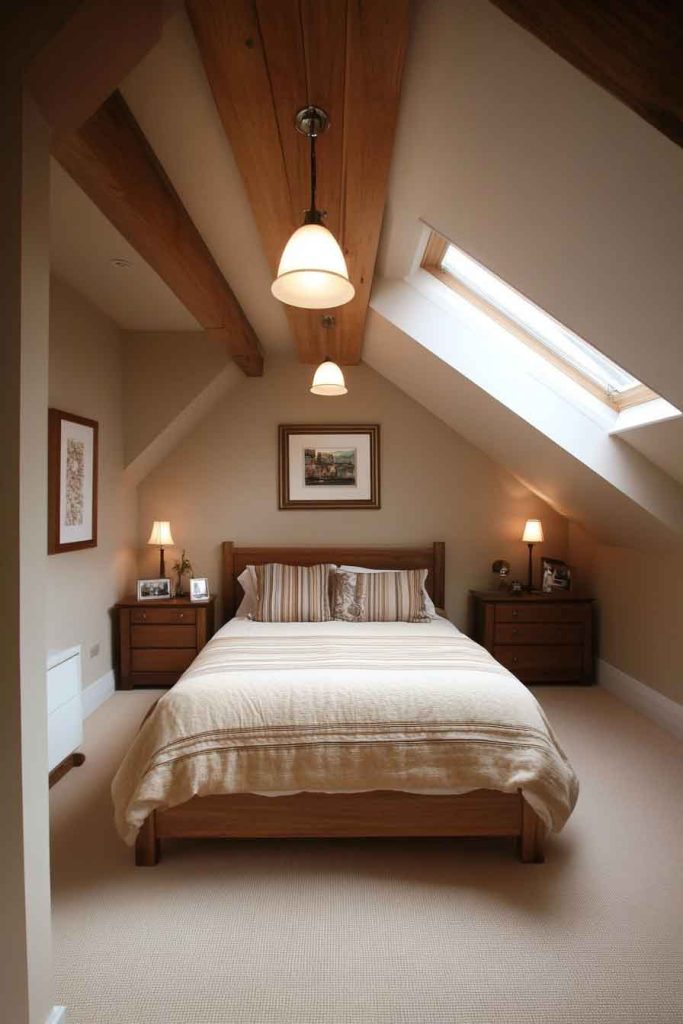
Natural light is valuable in attics, so make the most of any windows you have. Avoid heavy curtains that block light during the day. Skylights are an excellent investment if your budget allows, bringing sunlight into the center of the room where it’s needed most.
4. Address Storage Challenges
The sloped ceilings that make attics charming also create storage challenges. Standard furniture often doesn’t fit under angled walls. Plan your storage carefully, using the full-height areas for tall pieces and the low-ceiling areas for built-in drawers, shelves, or low cabinets.
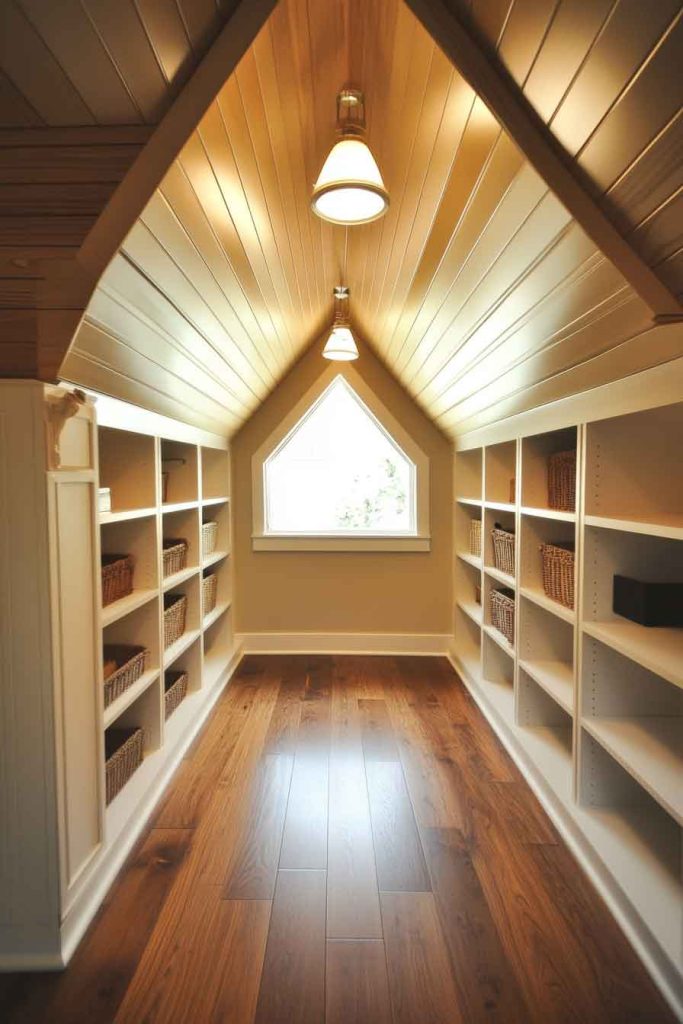
Think creatively about using every inch of space. The area under the eaves that’s too low for standing can be perfect for rolling storage bins, built-in drawers, or even a window seat with storage underneath.
Attic Bedroom Design Ideas
5. Embrace Minimalist Design
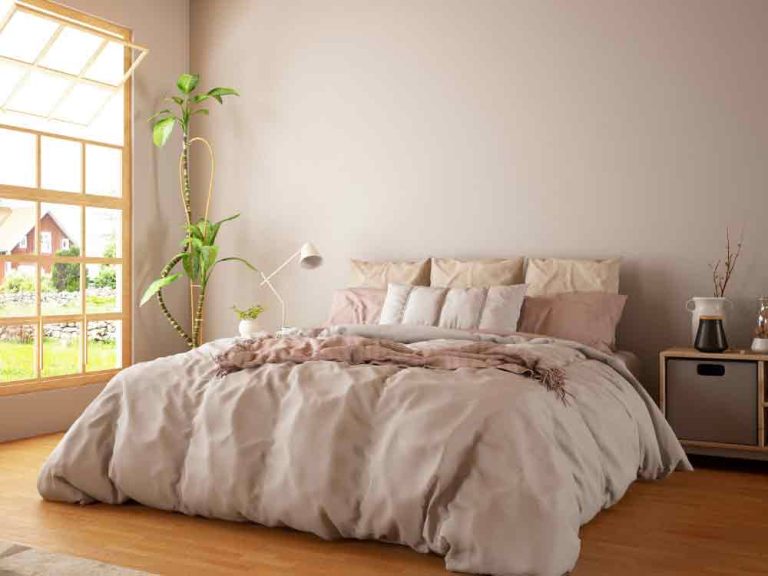
A minimalist approach works beautifully in attic bedrooms. Keep furniture simple and essential, focusing on quality over quantity. Clean lines and uncluttered spaces make a small attic feel larger and more peaceful.
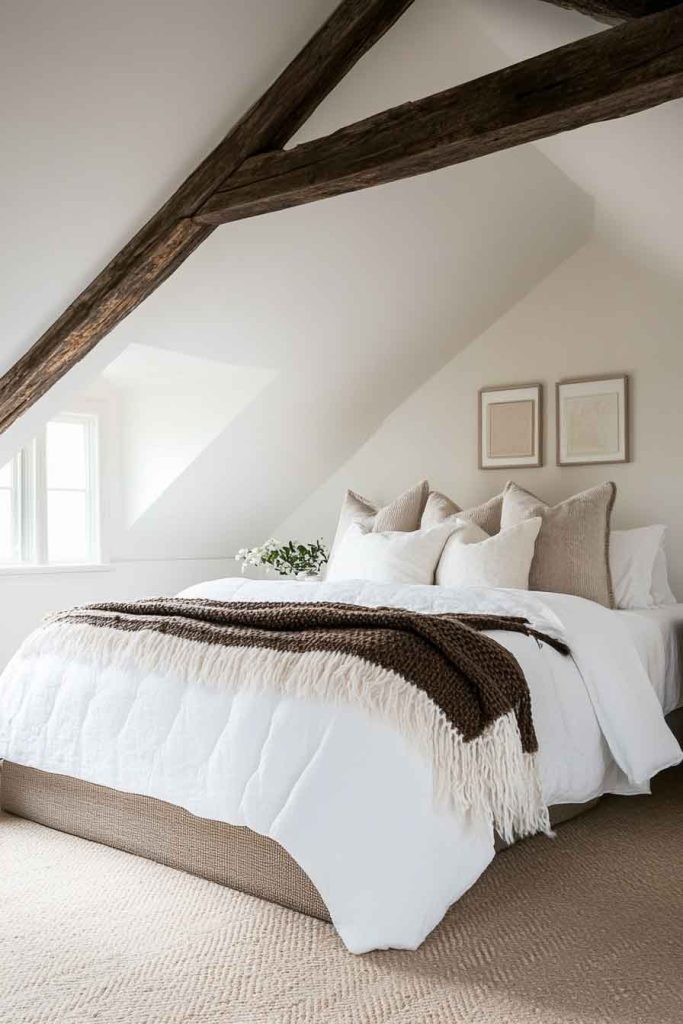
Choose a simple bed frame, a small nightstand, and minimal decorations. White or light neutral walls reflect light and open up the space. This approach is especially effective in smaller attics where too much furniture would feel cramped.
The beauty of minimalism in an attic is that it lets the room’s unique architecture shine. Exposed beams, interesting angles, and natural light become the room’s focal points rather than competing with busy decor.
6. Create a Cozy Cottage Feel
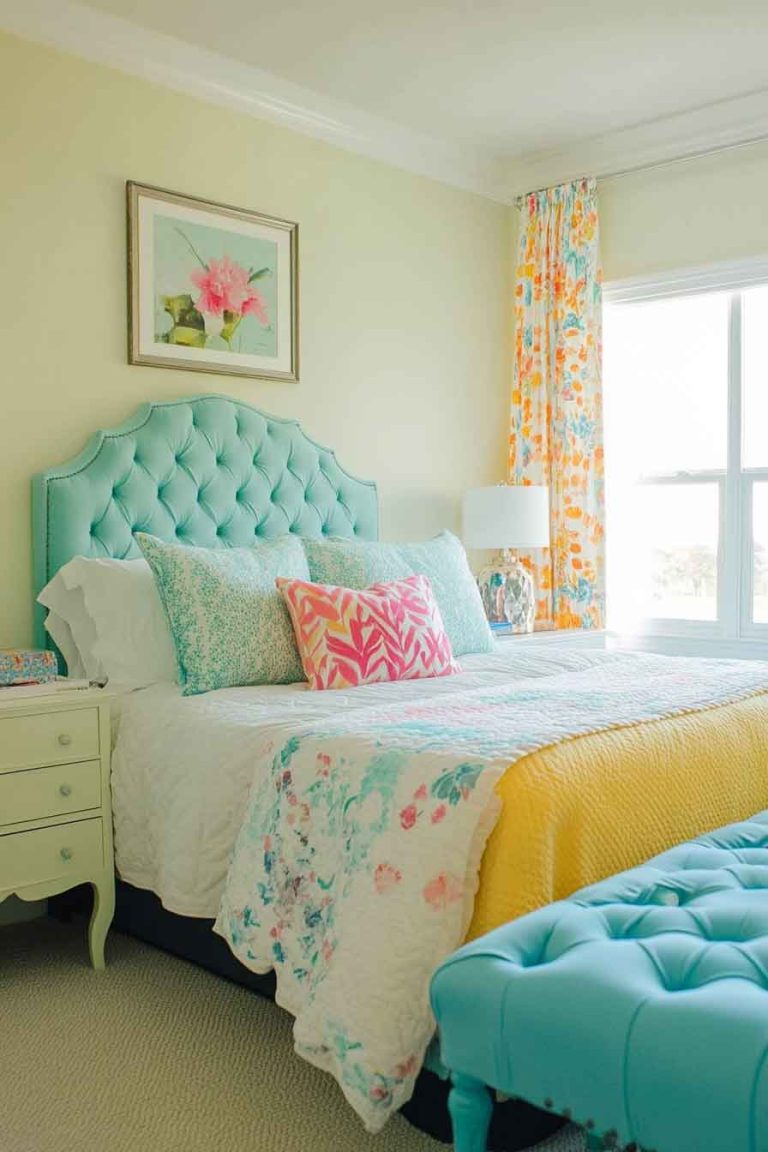
Transform your attic into a charming cottage retreat with soft textures and warm colors. Use floral bedding, vintage furniture pieces, and soft curtains to create a welcoming atmosphere. Light wood floors or whitewashed beams add to the cottage appeal.
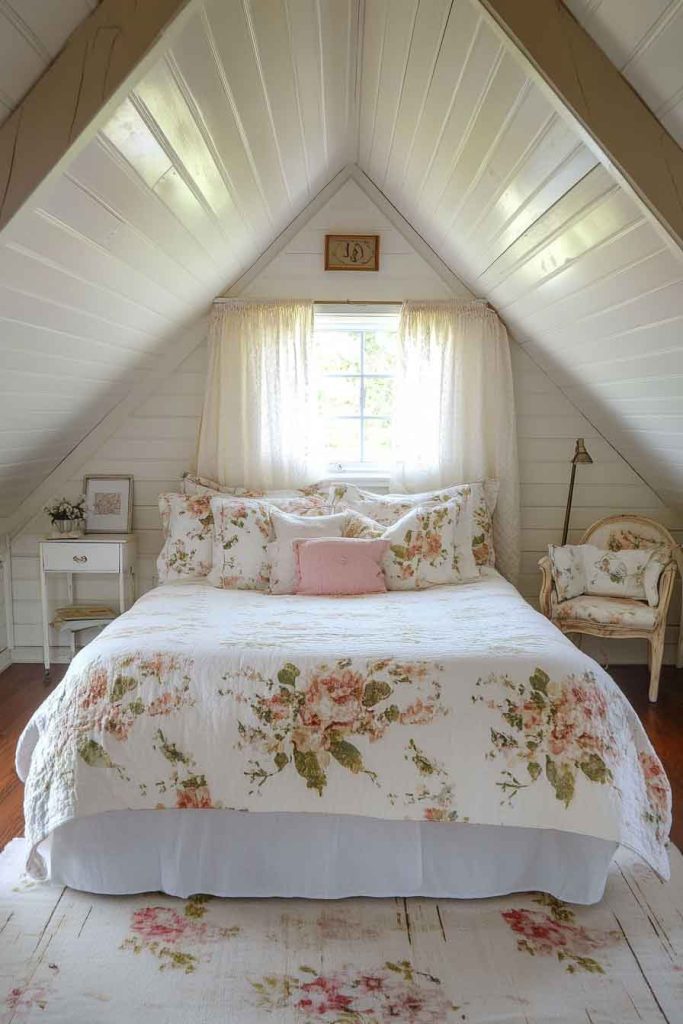
Add comfortable throw pillows, a cozy reading chair, and soft area rugs. The cottage style embraces the attic’s natural coziness and makes it feel like a countryside escape. Small details like vintage picture frames, ceramic vases, and wicker baskets complete the look.
This style works especially well in smaller attics where the intimate size becomes an asset. Layer different textures like linen, cotton, and wool to add warmth and interest without overwhelming the space.
7. Go Bold with Dark Colors
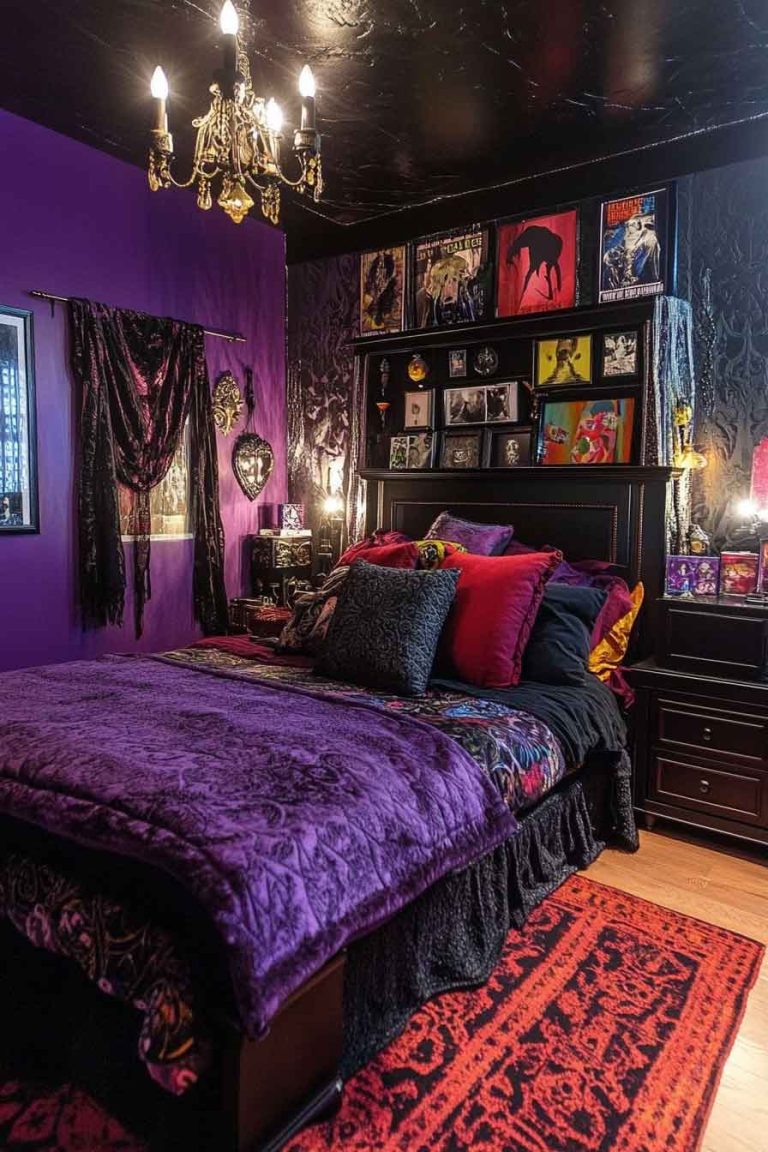
Don’t be afraid of dark colors in your attic bedroom. Deep blues, charcoal grays, or even black can create a dramatic, sophisticated space. Dark colors make the room feel cozy and cocoon-like, perfect for a restful bedroom.
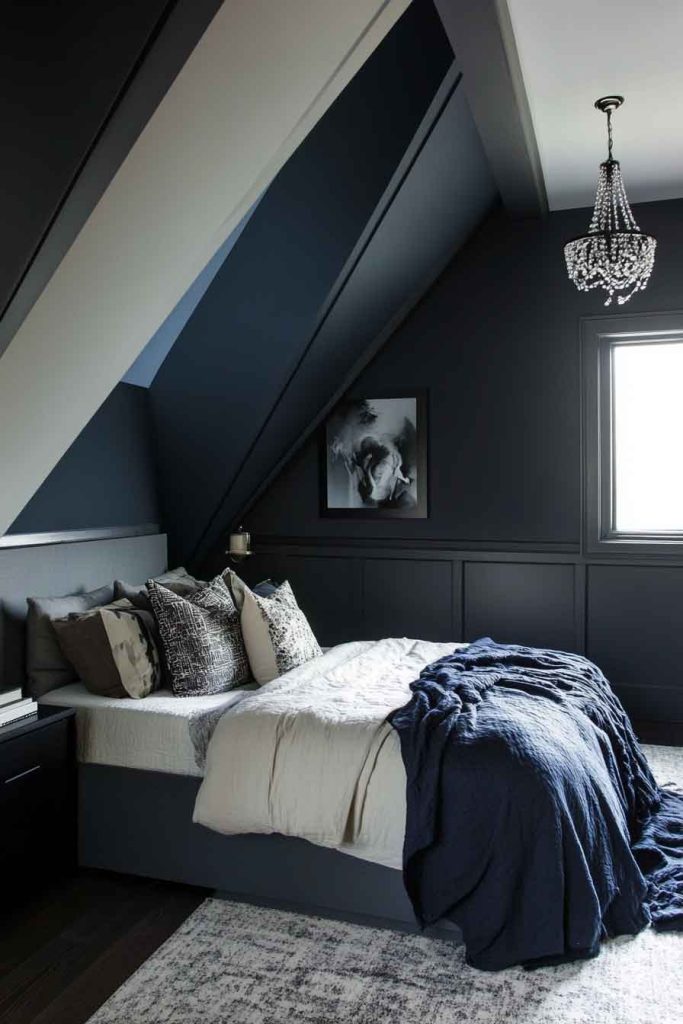
Paint the sloped ceilings in a dark shade and keep the walls lighter for balance. Or go bold and paint everything in a rich, deep color. Add plenty of lighting to prevent the room from feeling too dark, and use light-colored bedding and curtains for contrast.
Dark colors can actually make a small attic feel more intentional and designed rather than cramped. The key is balancing dark surfaces with adequate lighting and some lighter elements.
8. Install Skylights for Natural Light
Skylights are one of the best investments you can make in an attic bedroom. They flood the space with natural light, make the room feel larger, and provide beautiful views of the sky. Watching clouds drift by or seeing stars at night from your bed creates a magical experience.
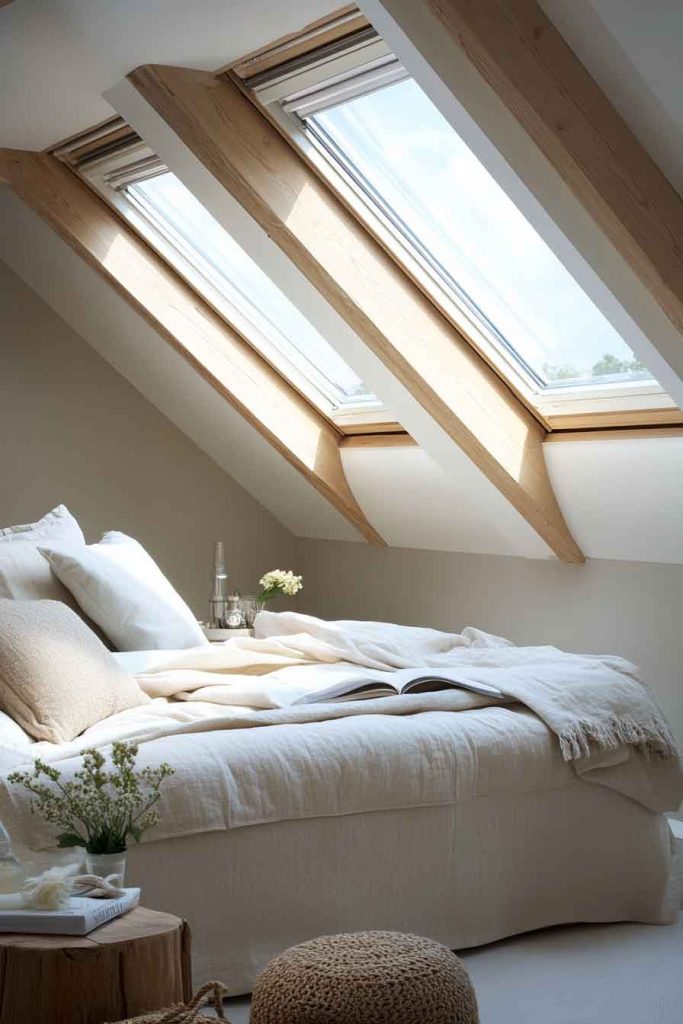
Modern skylights come with options for blinds or shades, allowing you to control light and privacy. Some even open for ventilation. The initial cost is worth it for the transformation they bring to the space.
Position skylights where they’ll provide the most benefit, usually over the bed or in the center of the room. Multiple smaller skylights often work better than one large one, distributing light more evenly throughout the space.
9. Use Wallpaper for Visual Interest
Wallpaper can transform an attic bedroom and add personality without taking up any floor space. Use it on all walls for a bold statement, or create an accent wall to draw the eye. The right pattern can actually make sloped ceilings feel intentional and stylish.
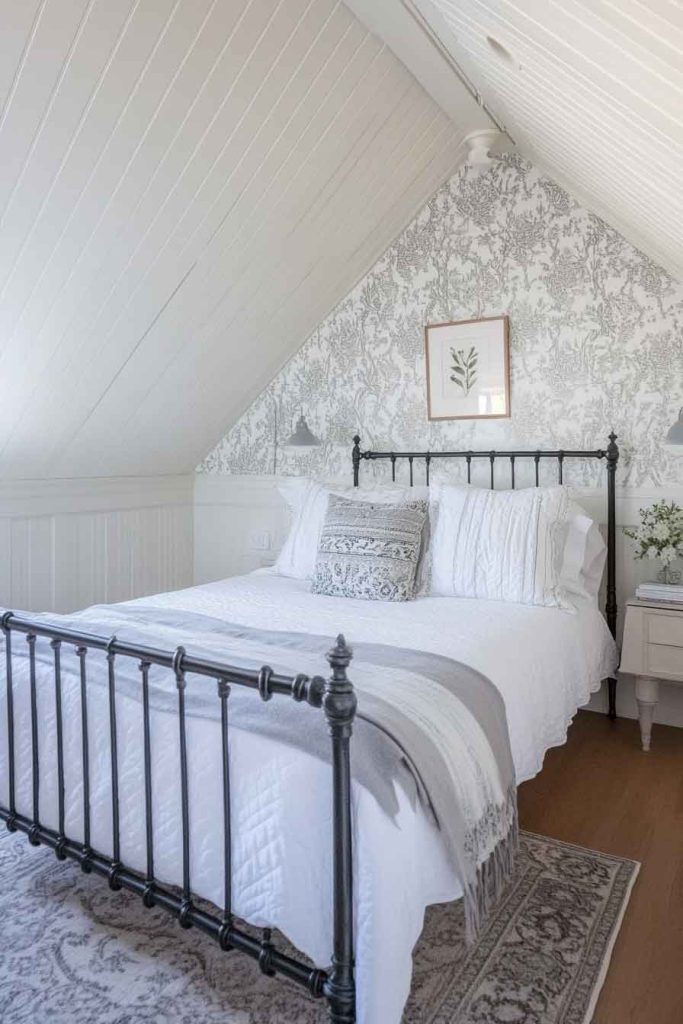
Vertical stripes can make low ceilings feel taller, while light colors open up the space. Botanical prints bring nature indoors, and geometric patterns add modern flair. Choose patterns that reflect your style and the room’s purpose.
Consider wallpapering just the sloped ceiling portions for a unique look that highlights the room’s architecture. This approach creates visual interest while keeping walls neutral and simple.
10. Incorporate Built-In Storage
Built-in storage is your best friend in an attic bedroom. Custom cabinets and drawers designed to fit under sloped ceilings make use of otherwise wasted space. Built-ins look polished and provide more storage than freestanding furniture in awkward spots.
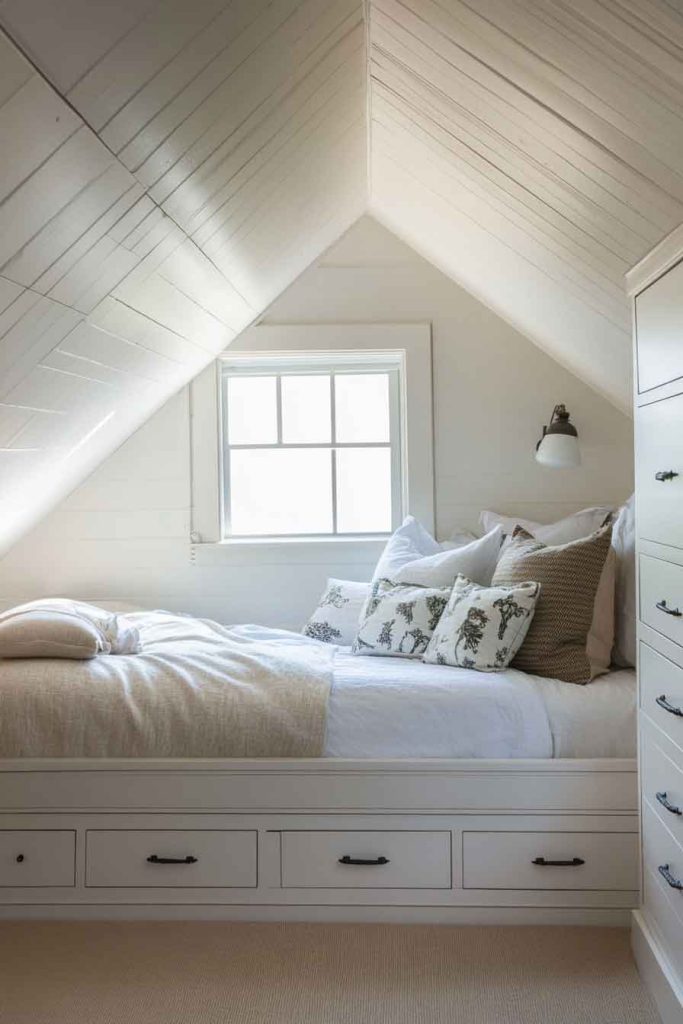
Consider built-in wardrobes along one wall, drawers tucked under the eaves, or window seats with storage underneath. These solutions keep the room organized and clutter-free while maximizing every square inch of usable space.
Built-ins can be expensive, but they add value to your home and solve storage problems permanently. If budget is a concern, start with one section and add more over time.
11. Create a Reading Nook
The low-ceiling areas in an attic are perfect for a cozy reading nook. Add a comfortable chair, good lighting, and a small bookshelf. This makes use of space where you can’t stand up anyway, turning a limitation into a special feature.
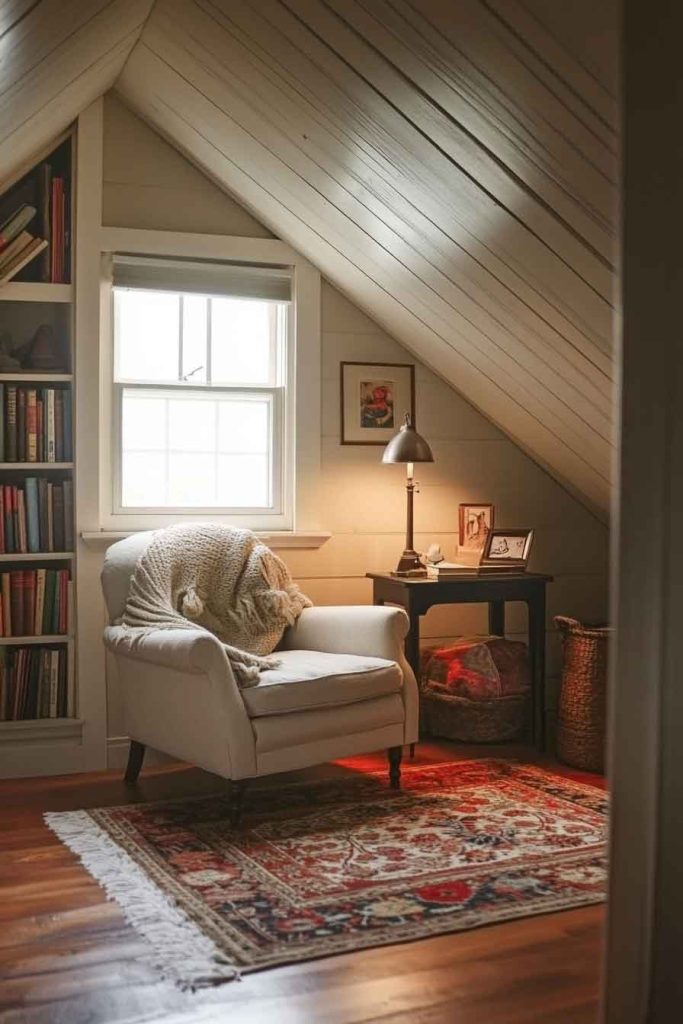
Place your reading nook near a window if possible, taking advantage of natural light. Add soft cushions, a warm throw blanket, and a small side table for your tea or coffee. This becomes a favorite spot for relaxation.
A reading nook adds function to the room beyond sleeping. It gives you a reason to spend time in the space during the day and makes the bedroom feel like a true retreat.
12. Choose Low-Profile Furniture
Low-profile furniture works perfectly in attic bedrooms. A platform bed sits close to the floor, allowing headroom even under sloped ceilings. Low dressers, bedside tables, and seating fit comfortably in areas with reduced ceiling height.
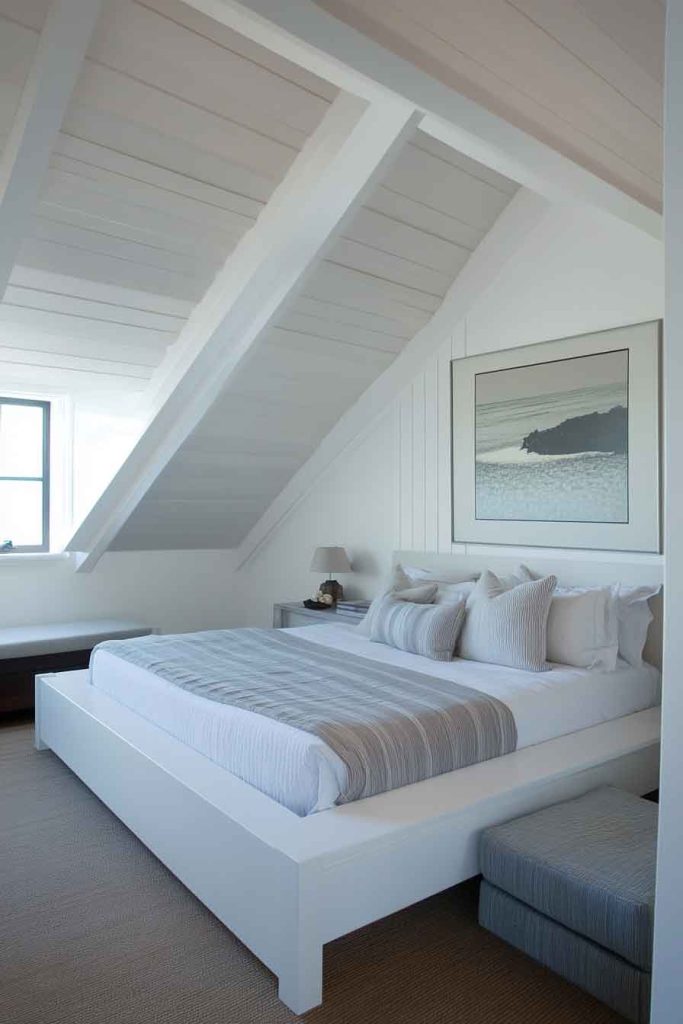
This furniture style also creates visual calm in the space. Lower furniture makes the room feel more open and less crowded, even in a compact attic. It’s a practical choice that also happens to look modern and intentional.
Look for pieces specifically designed for small spaces or consider Japanese-inspired furniture that emphasizes low, clean lines. This approach makes even the tightest attic feel comfortable and functional.
13. Add Exposed Beam Character
If your attic has exposed beams, celebrate them! These structural elements add incredible character and visual interest. Leave them natural for a rustic look, paint them white for a fresh cottage feel, or stain them dark for dramatic contrast.
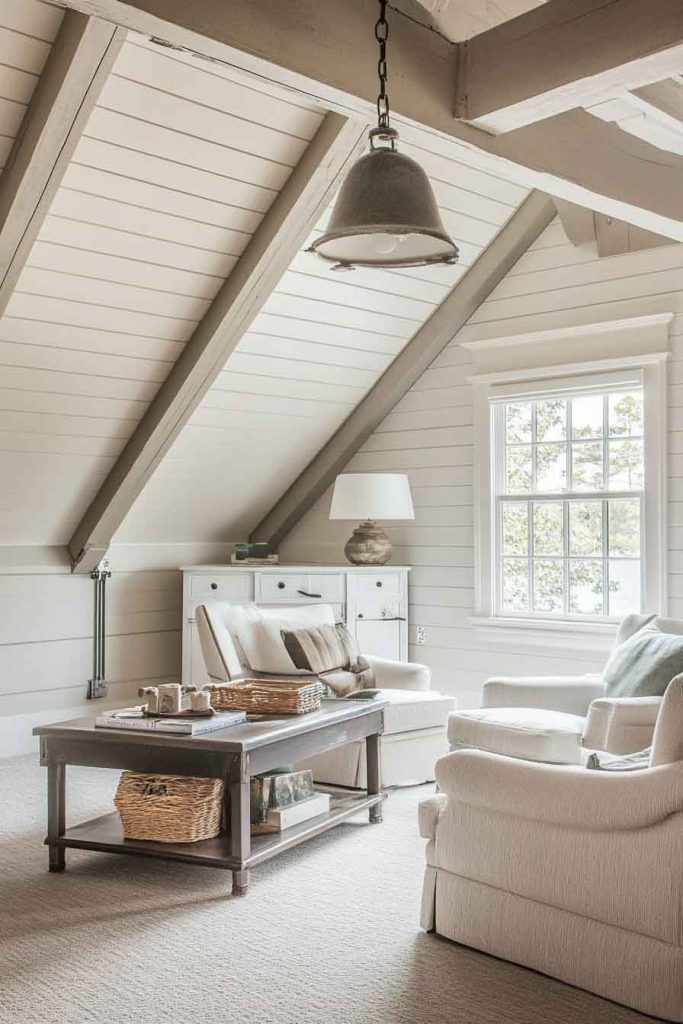
Exposed beams draw the eye upward and make the room feel larger and more interesting. They’re a feature many homeowners pay to add, and you already have them. Use lighting to highlight beams at night, creating beautiful shadows and depth.
Even if beams aren’t currently exposed, consider revealing them if structurally possible. They instantly transform a plain attic into a space with personality and architectural interest.
14. Install Dormer Windows
Dormer windows add valuable floor space and bring in natural light. They create areas with full ceiling height, making the room feel more spacious and less confined. If your budget allows for renovation, adding dormers is one of the most effective ways to improve an attic bedroom.
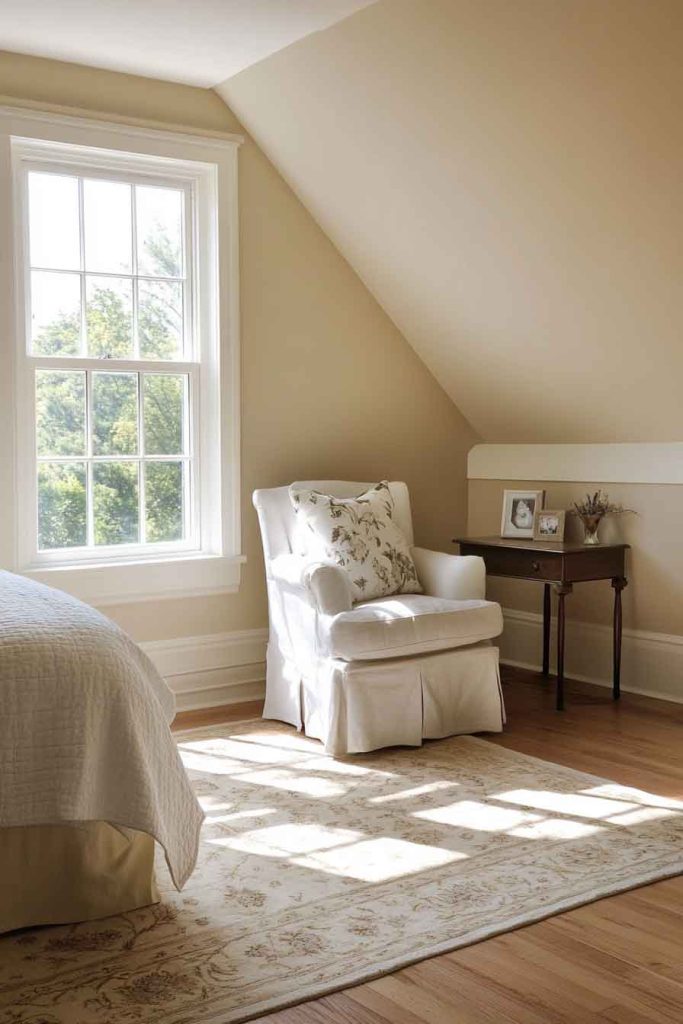
Dormers also provide wall space for furniture placement, which can be limited in attics. You can position a bed against a dormer wall or create a desk area with the window providing perfect natural light for working.
The architectural interest dormers add from the outside also increases your home’s curb appeal. They signal that your attic is finished, livable space rather than just storage.
15. Use Mirrors Strategically
Mirrors are magic in attic bedrooms. They reflect light, making the space feel brighter and larger. Position a mirror opposite a window to bounce natural light around the room. A large mirror on one wall can visually double the space.
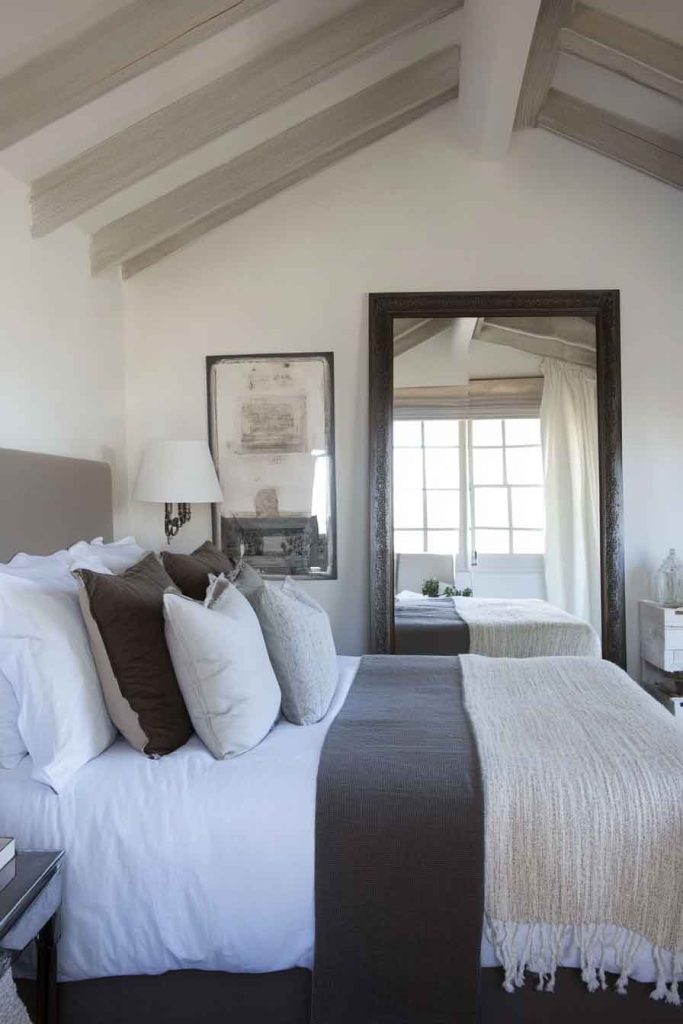
Avoid placing mirrors on sloped ceilings where they might feel disorienting. Instead, use them on full-height walls or as part of closet doors. Decorative mirrors also serve as artwork, adding style while serving a practical purpose.
Multiple small mirrors arranged in a gallery wall create interest without the weight of a single large mirror. This approach adds personality while still providing the light-reflecting benefits.
16. Create a Modern Loft Style
Give your attic bedroom an industrial loft feel with exposed elements, metal accents, and a neutral color scheme. Leave beams and ductwork visible, add metal light fixtures, and choose furniture with clean, simple lines.
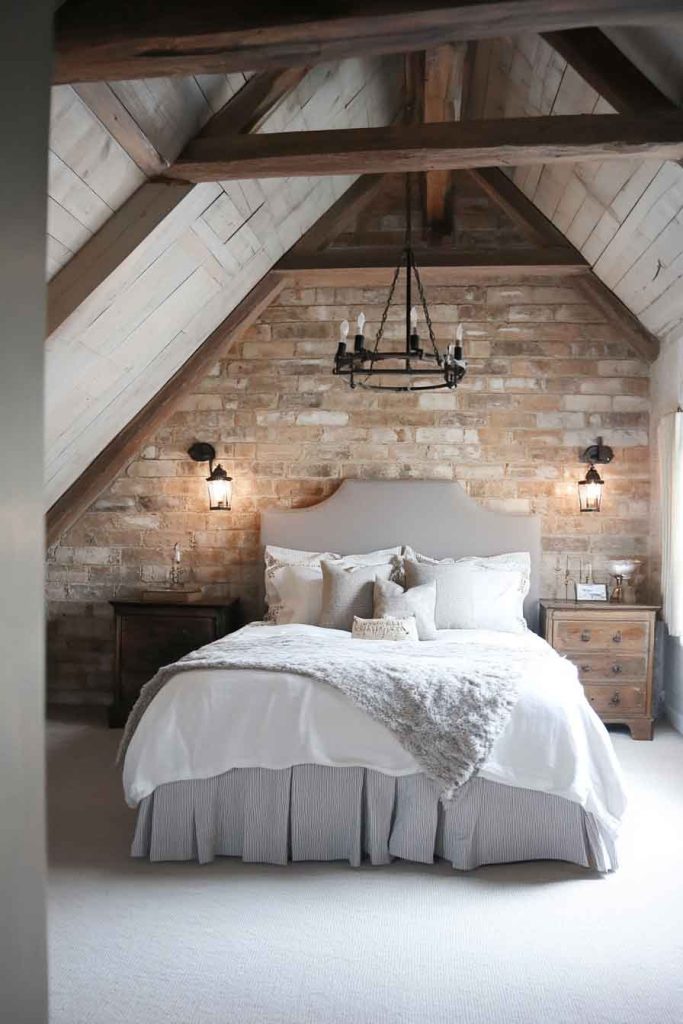
This style embraces the attic’s architectural quirks rather than hiding them. Concrete or painted floors, brick walls if you have them, and minimalist decor create an urban, sophisticated space. Add warmth with soft textiles and warm lighting.
The loft style works especially well in larger attics or those with interesting structural elements. It’s a bold choice that makes the attic feel intentionally designed rather than makeshift.
17. Design a Bohemian Retreat
Create a relaxed, bohemian bedroom with layered textiles, warm colors, and eclectic decor. Mix patterns freely, hang tapestries on sloped ceilings, and add plants wherever space allows. The boho style celebrates color and creativity.
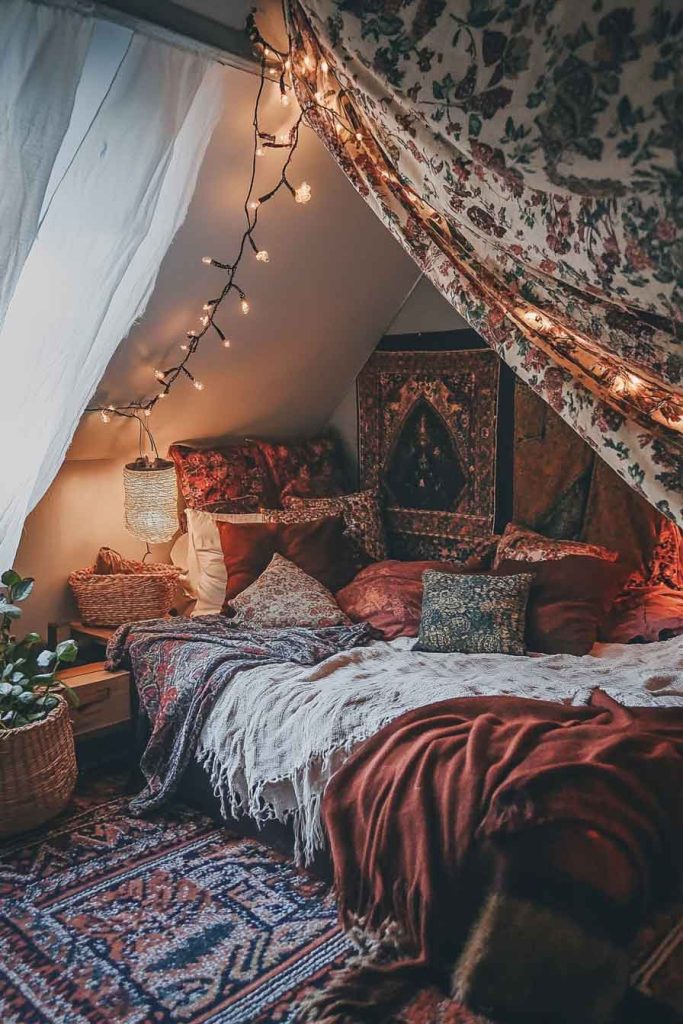
Layer rugs for warmth and visual interest, pile the bed with pillows in various patterns, and hang string lights for a magical atmosphere. Vintage furniture pieces, woven baskets, and natural materials like rattan and wood complete the look.
This style is forgiving and flexible, perfect for attics with imperfect walls or quirky angles. The collected, personal nature of bohemian design actually benefits from an unconventional space.
18. Install Recessed Lighting
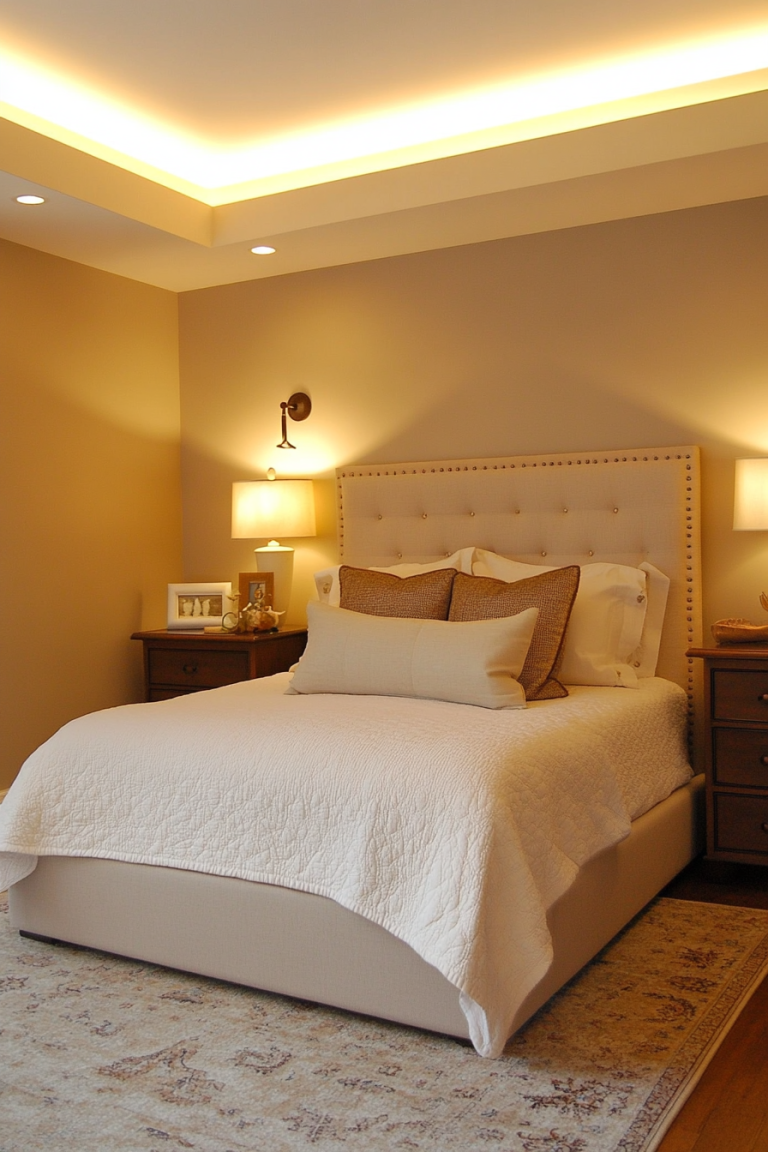
Recessed lighting is ideal for attic bedrooms with low ceilings. These fixtures sit flush with the ceiling, providing light without taking up headroom. Space them evenly across the ceiling for consistent illumination.
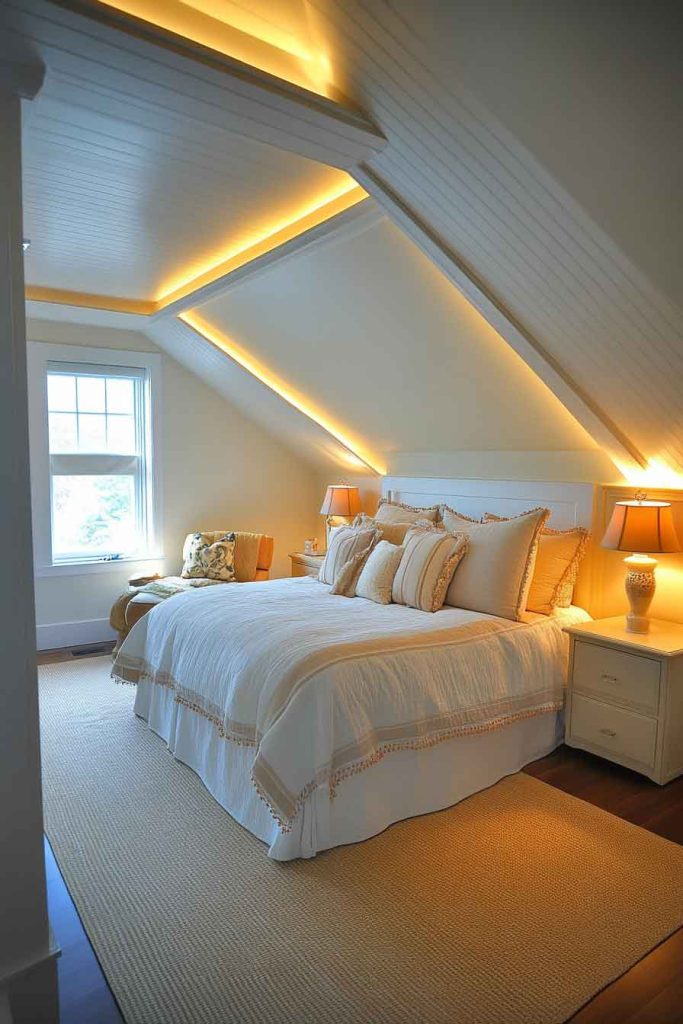
Use dimmer switches to control the mood and brightness. Recessed lights can provide bright task lighting when needed and soft ambient lighting for relaxation. This versatility is important in a bedroom where lighting needs change throughout the day.
Consider adding recessed lighting in closets and storage areas too. Good lighting in these spaces makes them more functional and the whole room more pleasant to use.
19. Add a Statement Wall
Create a focal point with an accent wall behind the bed. Use bold paint color, wallpaper, wood paneling, or even a mural. A statement wall draws attention and adds personality without overwhelming the entire space.
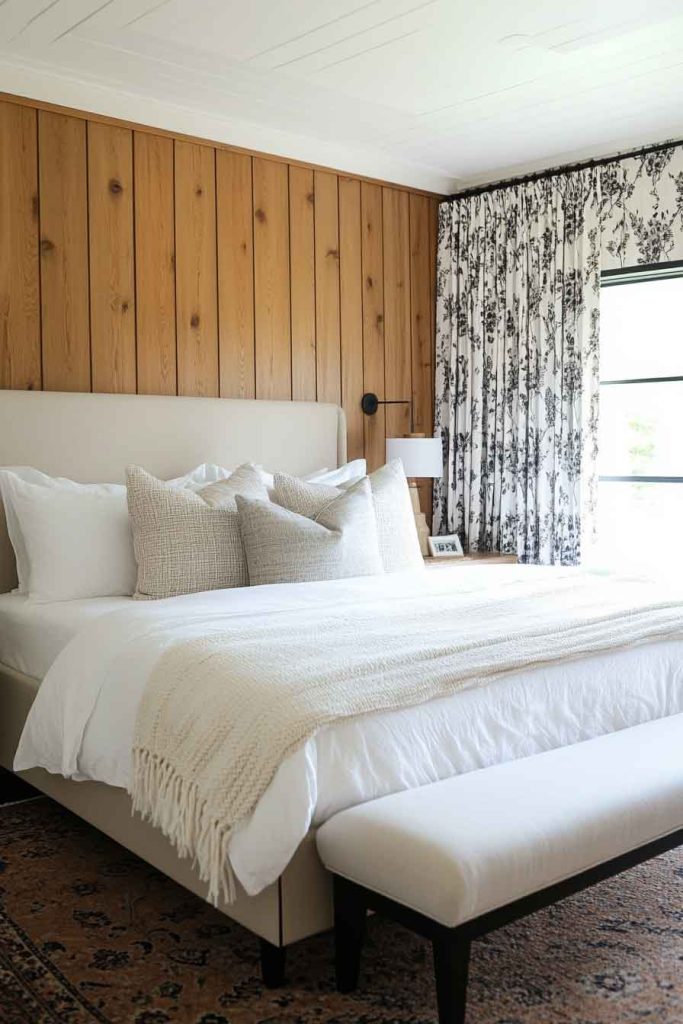
The wall behind the bed is ideal for this treatment because you see it when entering the room, but it doesn’t surround you. This creates visual interest while keeping the space feeling open and calm.
Choose a treatment that complements the room’s style. Rustic wood planks for a farmhouse look, geometric wallpaper for modern style, or a painted mural for artistic flair all work beautifully.
20. Incorporate Multi-Functional Furniture
Every piece of furniture in an attic bedroom should work hard. Choose beds with storage drawers underneath, ottomans that open for storage, and desks that fold away when not in use. This approach maximizes function in limited space.
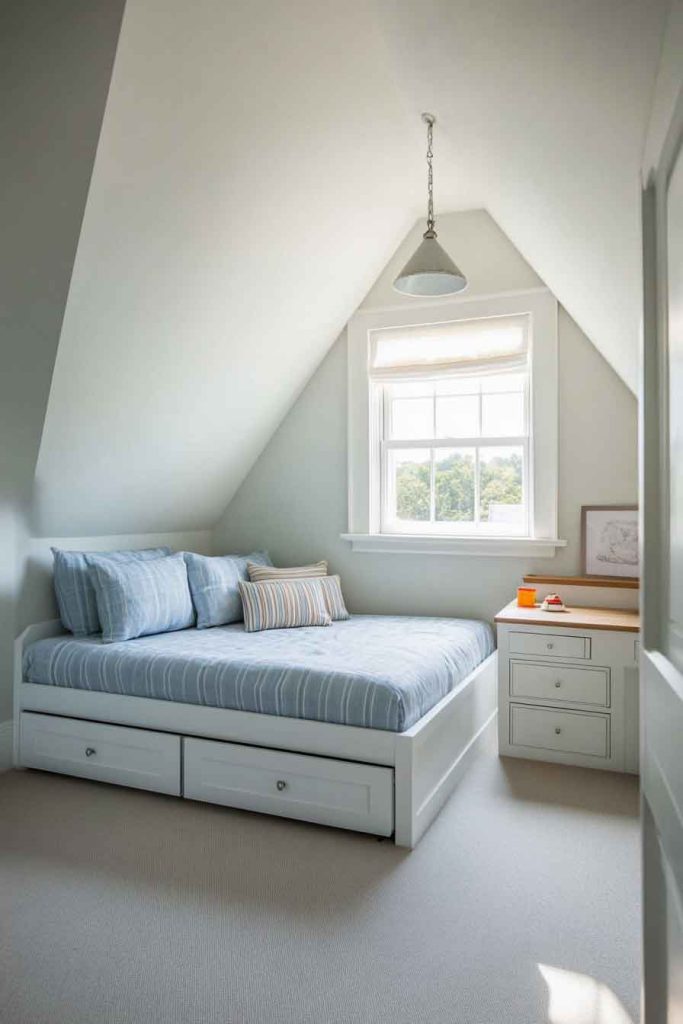
A daybed can serve as both seating and sleeping space, perfect for a guest room. A Murphy bed folds into the wall, turning a bedroom into a multipurpose room during the day. These clever solutions make small attics much more livable.
Look for furniture specifically designed for small spaces. Many companies now make beautiful pieces that are both stylish and incredibly functional, perfect for attic challenges.
21. Create Zones in Larger Attics
If you have a spacious attic, divide it into different zones. Create a sleeping area, a sitting area, and perhaps a small workspace or dressing area. This makes the large space feel organized and purposeful.
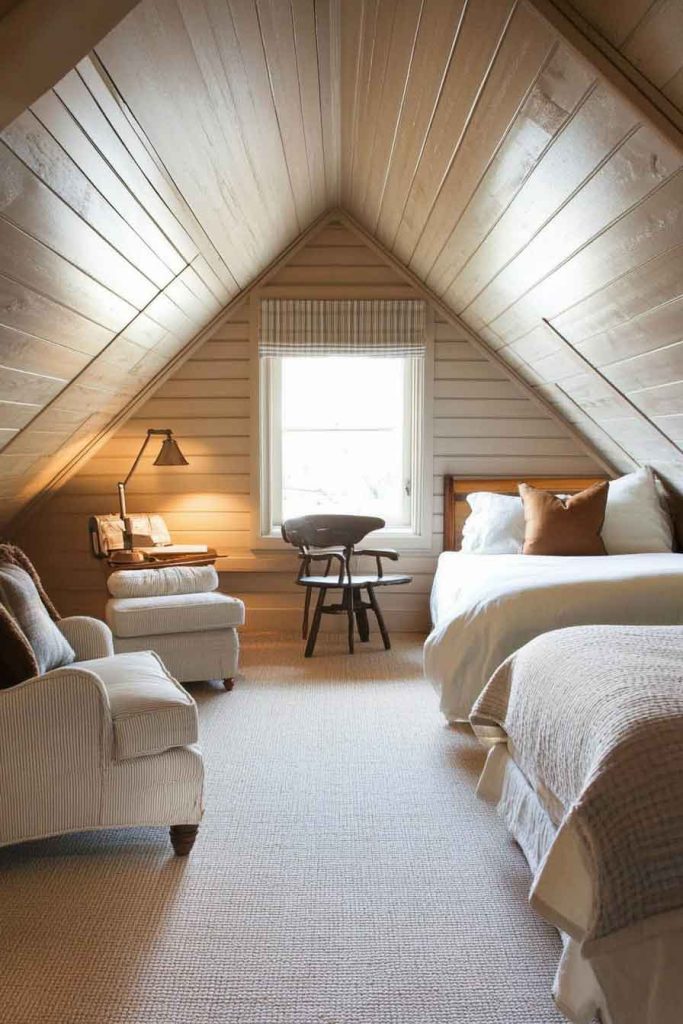
Use furniture placement, area rugs, or partial walls to define different zones without fully separating them. This maintains the open feeling while giving each area its own identity and function.
Different ceiling heights in your attic naturally suggest zones. Use the tallest area for active spaces like dressing or working, and the lower areas for sitting, reading, or sleeping.
22. Choose the Right Flooring
Flooring makes a big difference in an attic bedroom. Light wood floors brighten the space and create a fresh, airy feeling. Carpet adds warmth and softness underfoot, important for a cozy bedroom. Painted floors offer a budget-friendly option with lots of style possibilities.
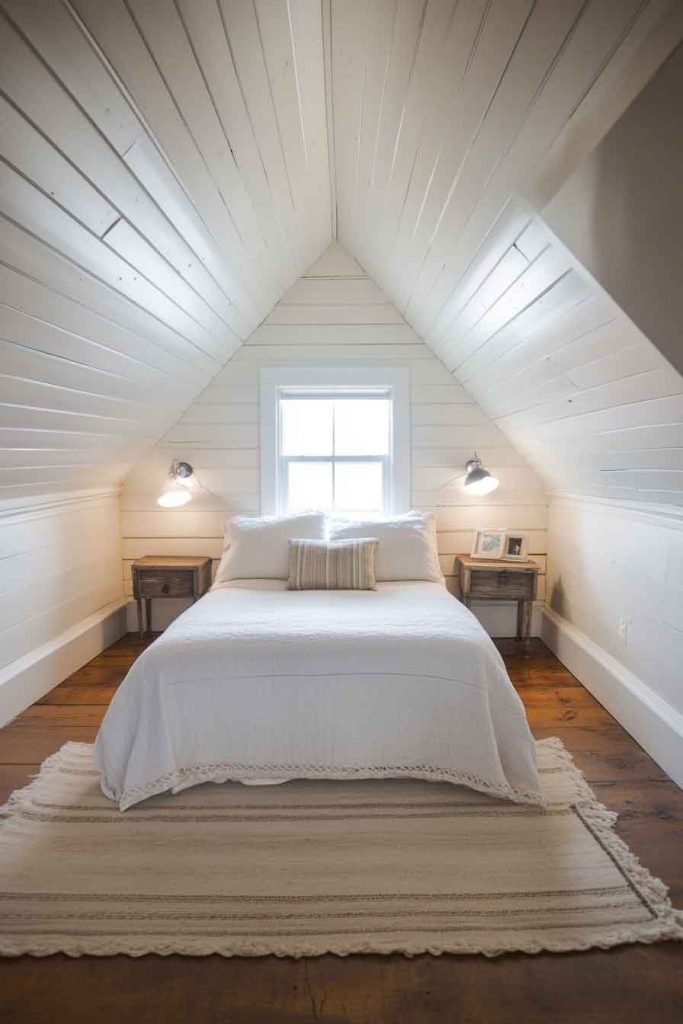
Consider adding area rugs even if you have carpet. They define spaces, add color and pattern, and make the room feel more finished. In colder climates, rugs over hardwood provide essential warmth.
Make sure your flooring choice considers the structure beneath. Attic floors may need reinforcement before adding heavy materials like tile or thick hardwood. Consult a professional to ensure your flooring choice is safe.
23. Maximize Closet Space
Attic bedrooms often lack standard closets. Get creative with clothing storage using freestanding wardrobes, open clothing racks, or built-in closets designed for sloped ceilings. Custom closet systems make the most of awkward spaces.
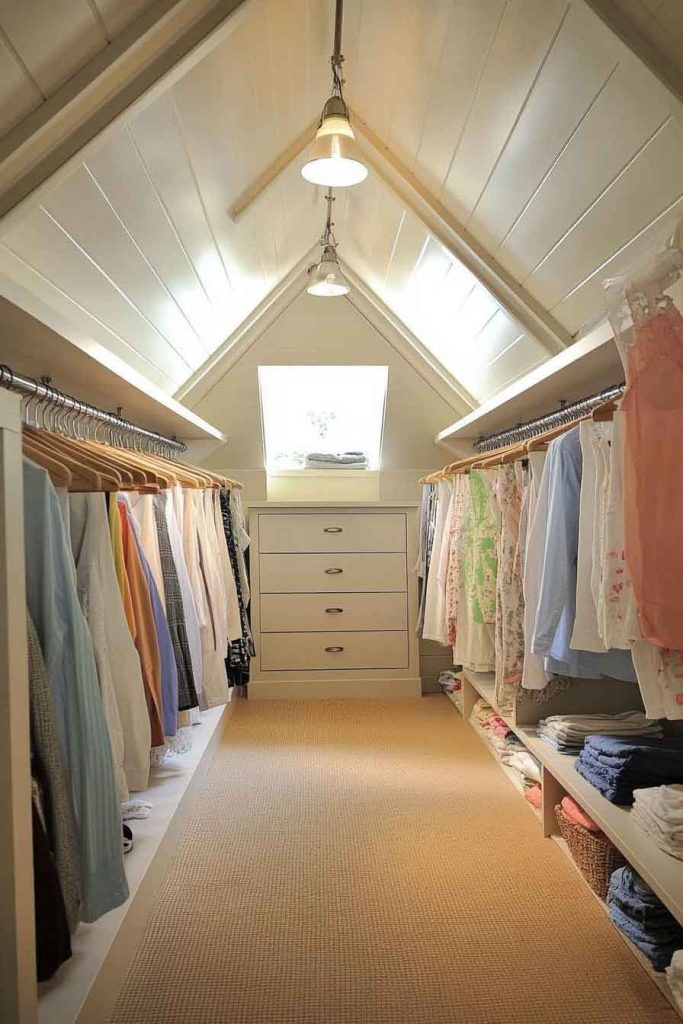
Use the lowest ceiling areas for shoe storage, folded clothes, or accessories. Hang rods at different heights to accommodate various clothing lengths. Organize everything to make the most of limited space.
If building a closet, consider placing it under the lowest part of the sloped ceiling where you can’t stand anyway. This uses otherwise wasted space and leaves the full-height areas open for living.
24. Add Personal Touches and Decor
Make the attic bedroom feel special with personal decorations. Family photos, artwork, plants, and meaningful objects transform a plain room into a personal retreat. Display items on shelves, hang artwork on walls, and group small objects on surfaces.
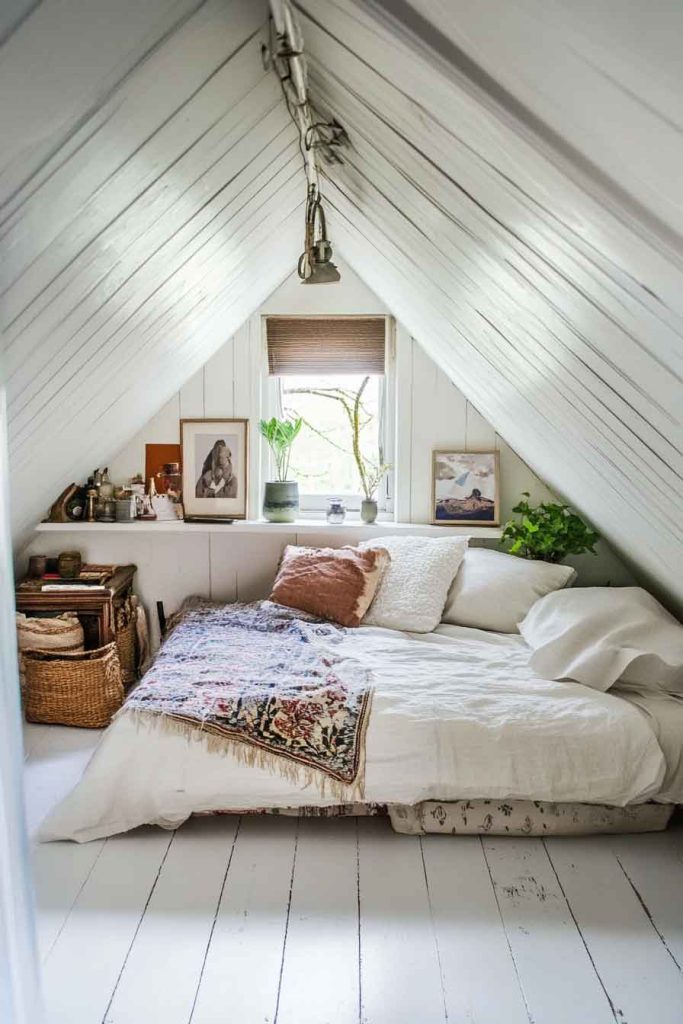
Don’t overcrowd the space, especially in smaller attics. Choose a few items you love rather than filling every surface. In a small room, each decorative choice has more impact, so make them count.
Personal touches make the difference between a functional room and a beloved space. They tell your story and make the attic bedroom feel like an important part of your home rather than an afterthought.
25. Consider Climate Control
Proper heating and cooling make or break an attic bedroom’s comfort. Since heat rises, attics get very warm in summer. They also lose heat quickly in winter. Install adequate climate control from the start for year-round comfort.
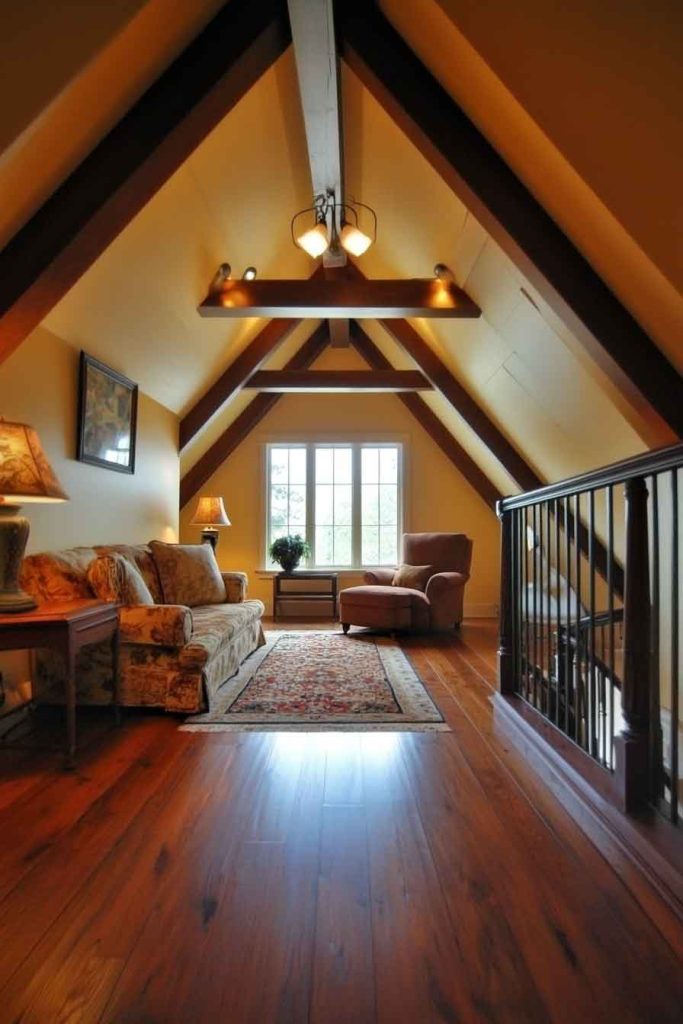
Options include extending your central HVAC system, adding a mini-split system, or using space heaters and air conditioners. The right choice depends on your climate, budget, and existing home systems.
Don’t forget ceiling fans. They circulate air, reduce heating and cooling costs, and fit well in attic spaces. Choose a low-profile fan for areas with lower ceilings, or a standard fan where you have adequate height.
Conclusion
Your attic has incredible potential to become a beautiful, functional bedroom that adds value and living space to your home. Whether you’re working with a compact space or a generous attic, the key is embracing its unique character rather than fighting against it.
From maximizing natural light with skylights to creating clever storage solutions under sloped ceilings, these ideas show how to turn challenges into charming features. The intimate atmosphere, architectural interest, and separated location make attic bedrooms special spaces that often become favorite rooms in the home.
Start with the practical considerations like insulation, ventilation, and building codes. Then let your creativity flow as you choose colors, furniture, and decorative elements that reflect your style. Remember to work with the space’s natural features, using low areas for cozy nooks and high areas for movement and storage.
Whether you create a minimalist retreat, a bohemian escape, a modern loft, or a cozy cottage bedroom, your attic can become a stunning addition to your home. With thoughtful planning and creative design, that dusty storage space will transform into a beautiful bedroom that adds both function and charm to your living space.