30 Bedroom Layout Ideas
Are you looking to transform your bedroom into a peaceful retreat that perfectly balances style and functionality? The right bedroom layout can make all the difference in creating a space that feels both spacious and cozy. Whether you’re working with a small bedroom, a master suite, or something in between, thoughtful layout planning is the foundation of great bedroom design.
In this article, we’ll explore 30 bedroom layout ideas that will help you maximize your space, improve flow, and create a room that truly feels like your personal sanctuary. From furniture placement to clever storage solutions, these ideas will inspire you to reimagine your bedroom layout for better sleep, relaxation, and everyday living.
A well-planned bedroom layout does more than just fit furniture into a room. It creates harmony, improves functionality, and makes your daily routines smoother. The right arrangement can make a small room feel larger, create dedicated zones for different activities, and ensure you have easy access to everything you need.
Why Bedroom Layout Matters
Your bedroom layout affects everything from how well you sleep to how easily you can get ready in the morning. A thoughtful arrangement considers traffic flow, natural light, storage needs, and personal habits. When furniture is placed correctly, your bedroom becomes a calm, organized space that supports rest and relaxation.
Good bedroom layouts also adapt to your lifestyle. Whether you need space for reading, working, exercising, or simply unwinding, the right layout accommodates your activities while maintaining a peaceful atmosphere.
Essential Elements of Bedroom Layout Planning
1. Start with the Bed Placement
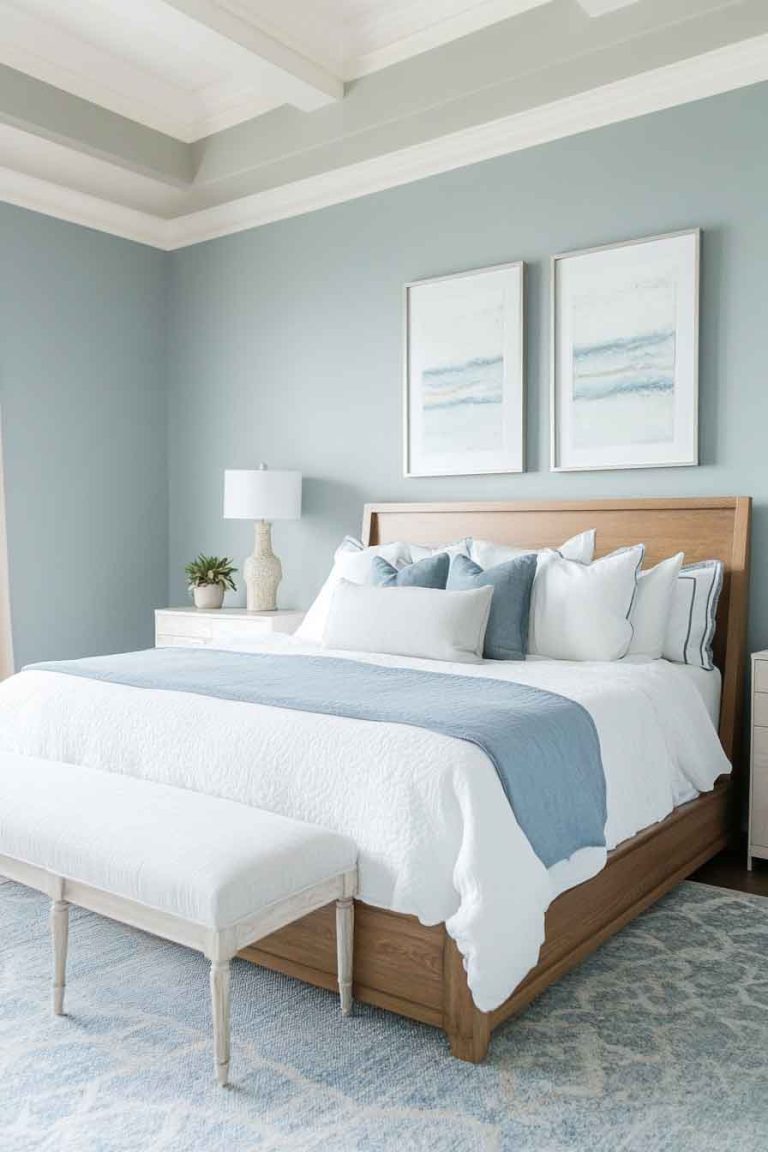
The bed is the focal point of any bedroom, so its placement should be your first consideration. The most common arrangement places the bed against the main wall, centered between two windows or opposite the door. This creates balance and makes the bed the natural focus when you enter the room.
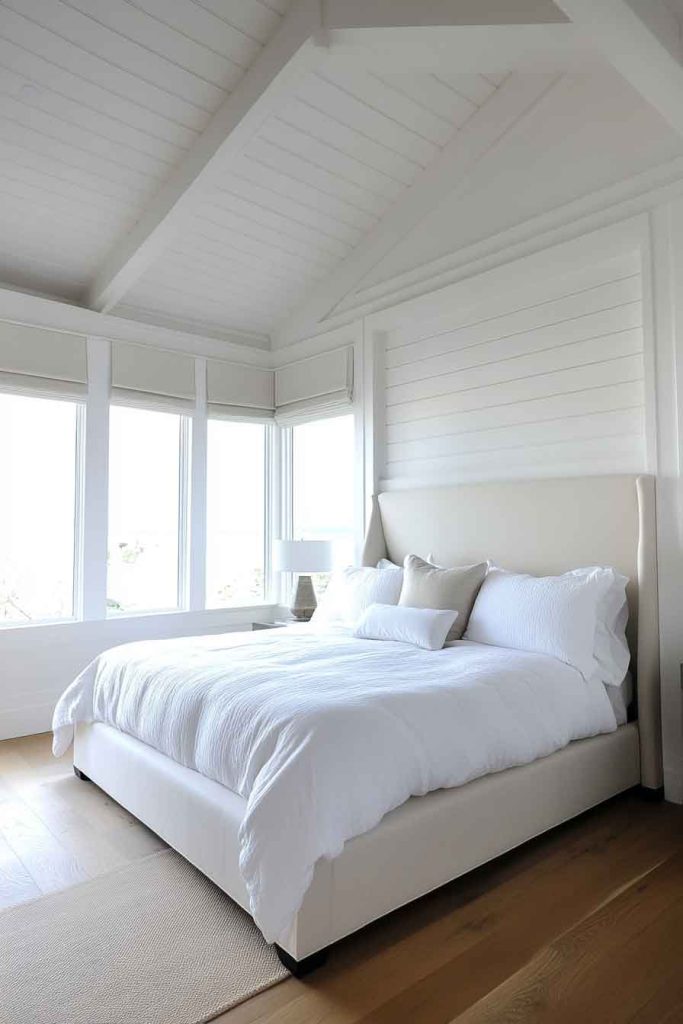
Consider headboard placement carefully. A bed centered on a wall creates symmetry, while placing it at an angle can add visual interest in larger rooms. Make sure there’s enough space to walk around the bed comfortably—at least 24 inches on each side is ideal.
2. Consider Traffic Flow
Your bedroom layout should allow easy movement throughout the space. Create clear pathways from the door to the bed, closet, and any other frequently used areas. Avoid placing furniture where it blocks natural walking paths or makes you squeeze between pieces.
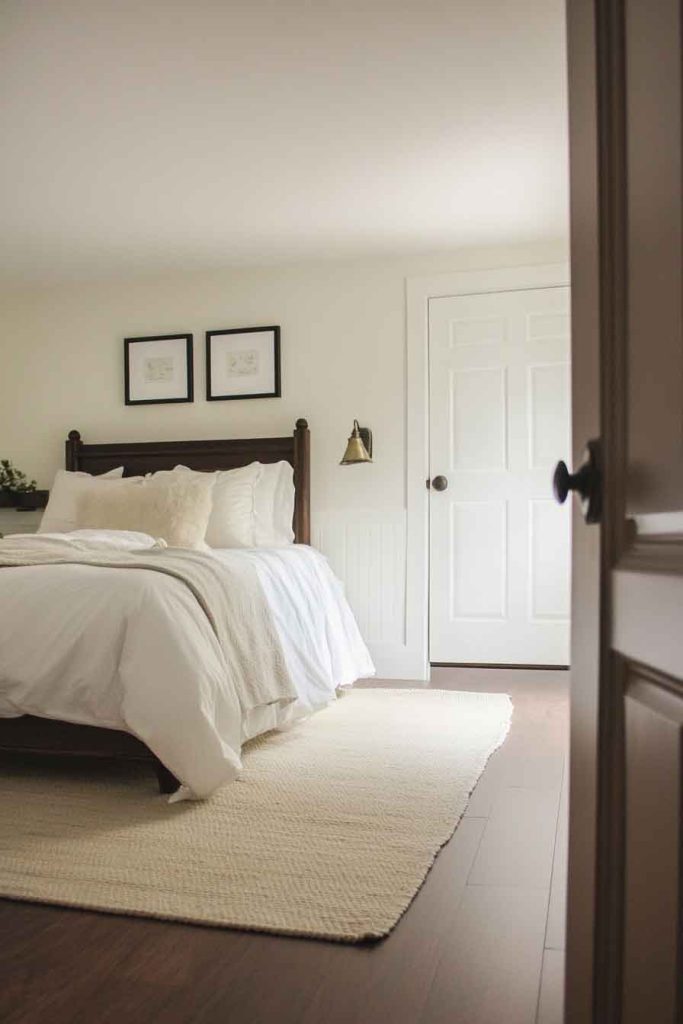
Think about your morning routine. Can you easily access your closet, dresser, and bathroom? A layout that supports your daily habits will make your bedroom more functional and enjoyable.
3. Maximize Natural Light
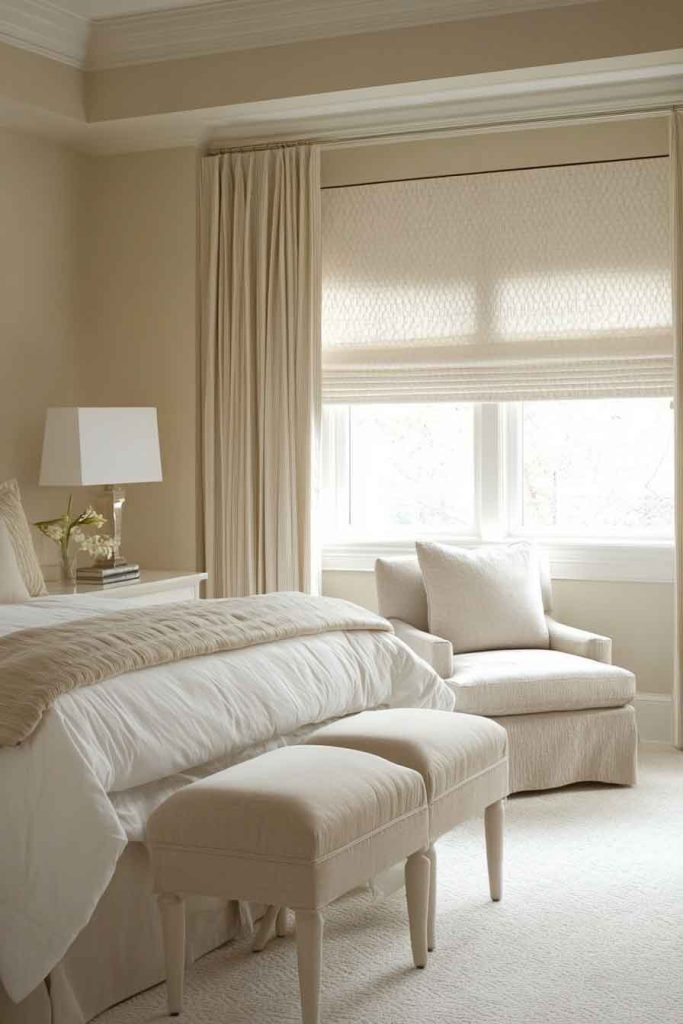
Position your bed and other furniture to take advantage of natural light without creating glare issues. Windows are valuable assets in bedroom design, providing both light and ventilation. Avoid blocking windows with tall furniture, and consider how sunlight moves through your room at different times of day.
If your bed faces a window, invest in good window treatments that allow you to control light levels for better sleep. Layer curtains with blinds or shades for maximum flexibility.
4. Create Functional Zones
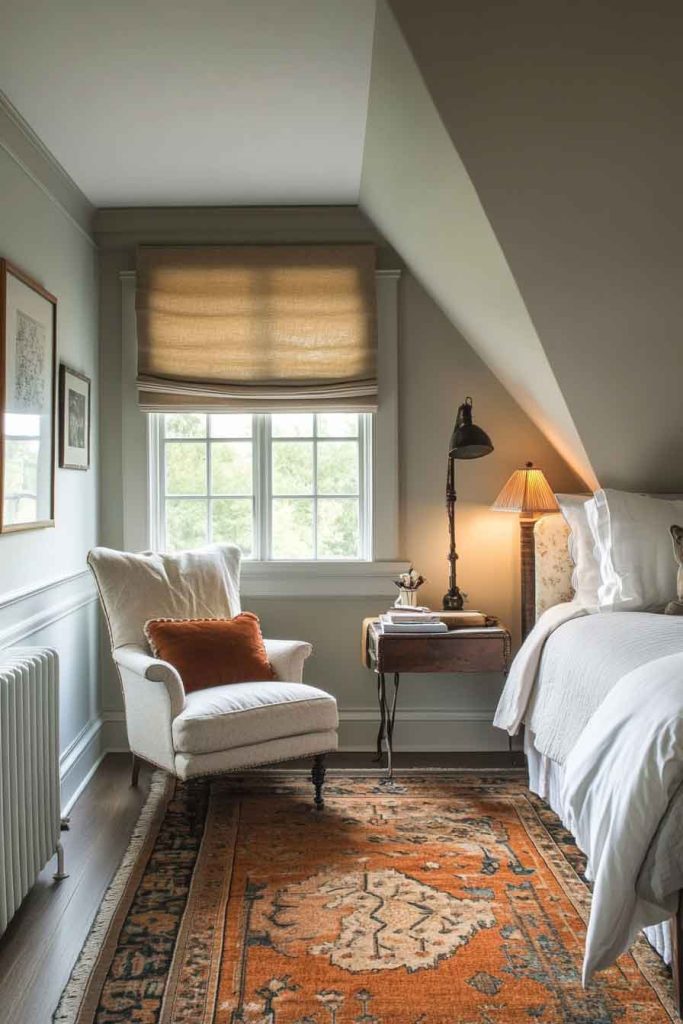
Even in smaller bedrooms, creating distinct zones improves functionality. Beyond the sleeping area, consider spaces for dressing, reading, or working. Use furniture placement, rugs, or lighting to define these different areas without overwhelming the room.
A reading nook by the window, a small desk in a corner, or a cozy chair with a floor lamp can add purpose to your bedroom without cluttering the space.
5. Plan for Adequate Storage
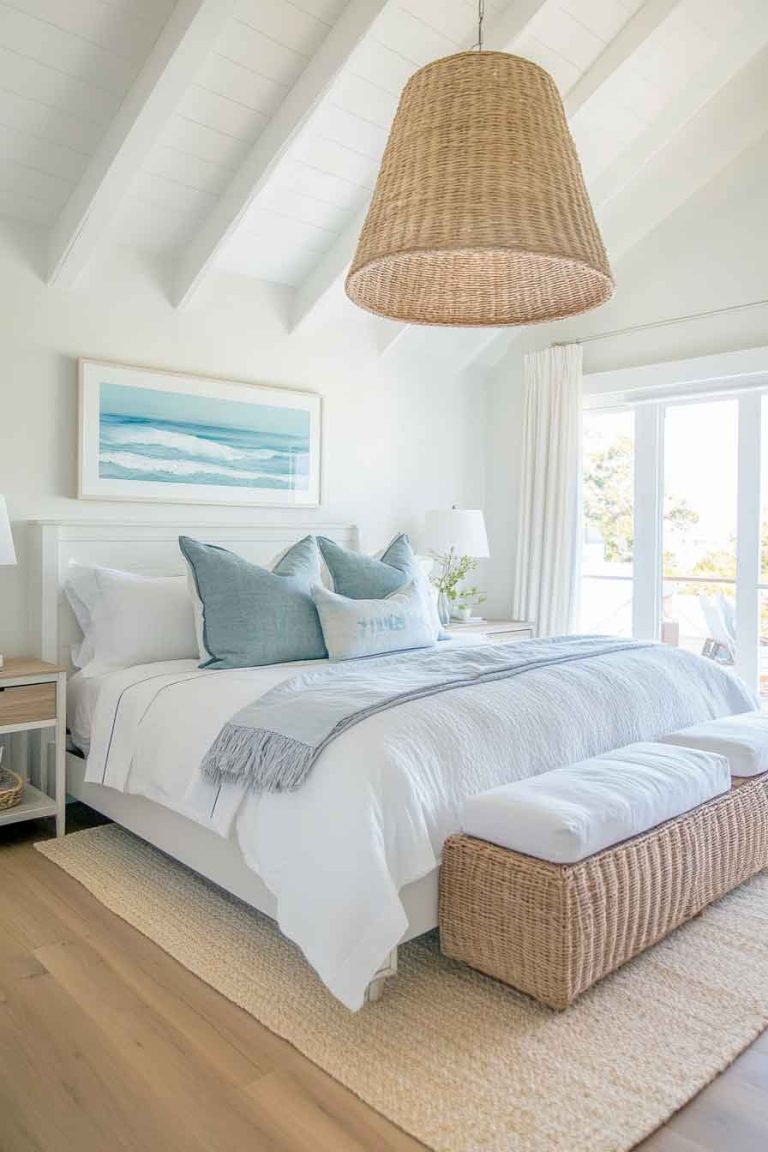
Storage is critical in bedroom layout planning. Think beyond just a closet and dresser. Consider nightstands with drawers, under-bed storage, wall-mounted shelves, or a storage bench at the foot of the bed. Built-in solutions or multi-functional furniture can maximize storage without sacrificing floor space.
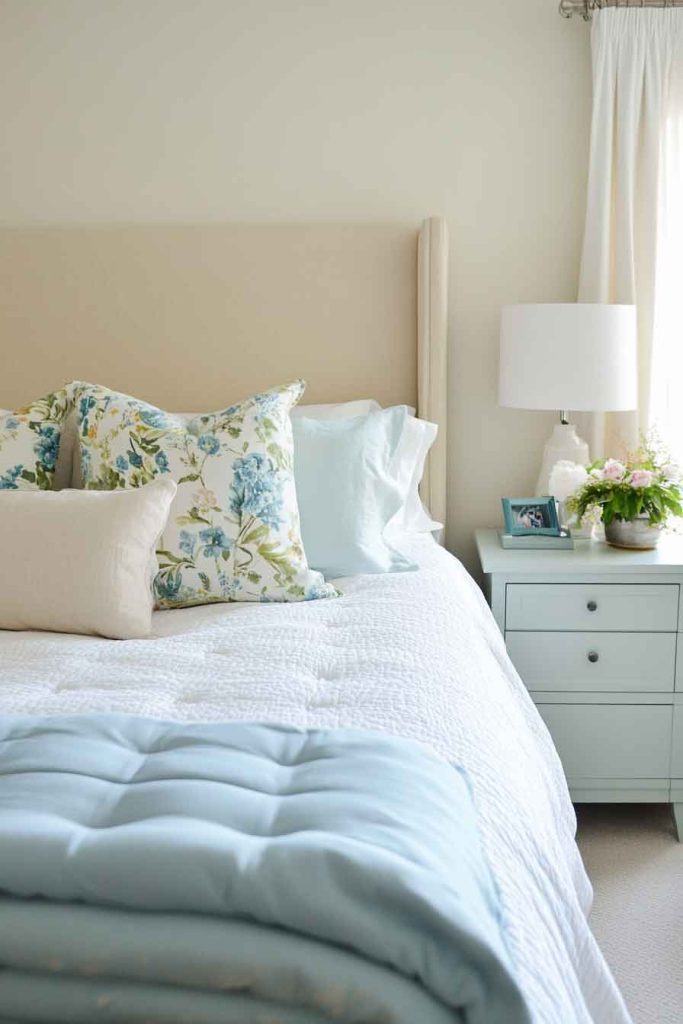
Keep frequently used items easily accessible and store seasonal or occasional items in less convenient spots. This approach keeps your bedroom organized and clutter-free.
6. Balance Symmetry and Function
Symmetrical layouts create a calm, orderly feeling that works beautifully in bedrooms. Matching nightstands and lamps on either side of the bed provide balance and equal functionality for couples. However, don’t sacrifice practical needs for perfect symmetry—function should always come first.
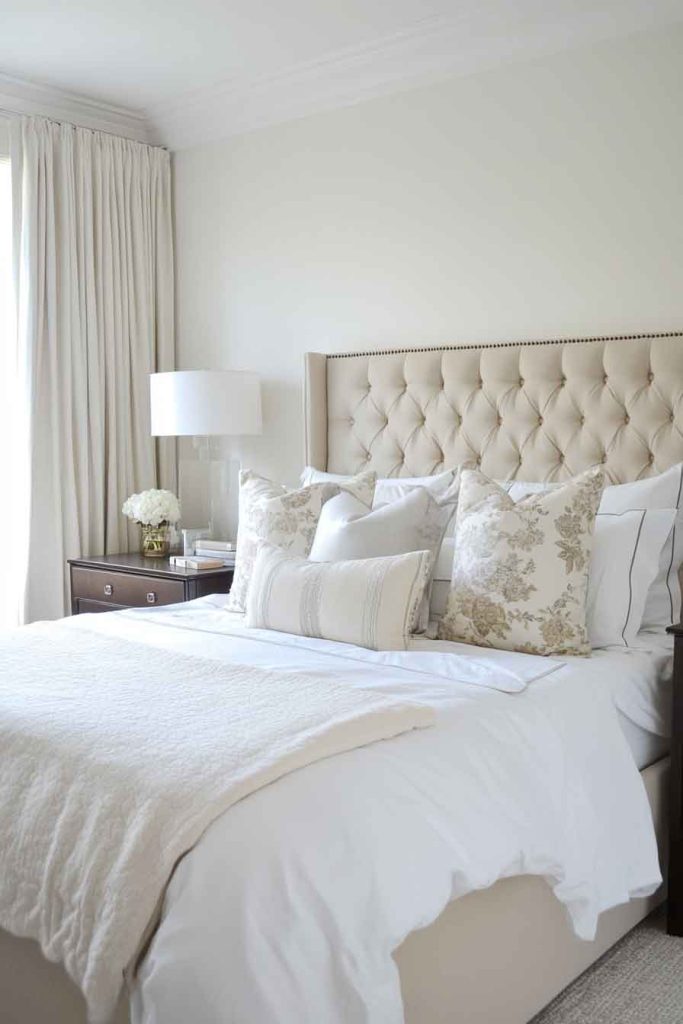
In some rooms, asymmetrical arrangements can be more interesting and better suited to the space. A single nightstand, a dresser on one side, or an off-center bed placement might work better depending on your room’s shape and size.
7. Think About Scale and Proportion
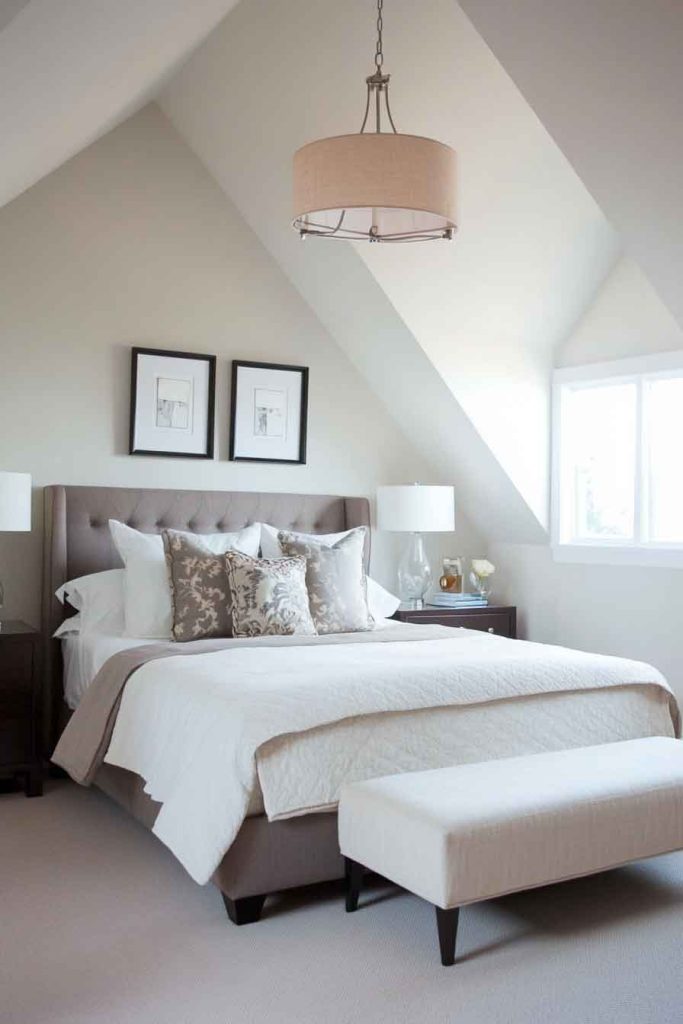
Choose furniture that fits your room size appropriately. Oversized pieces can overwhelm a small bedroom, while furniture that’s too small looks lost in a large space. Measure carefully before purchasing and use painter’s tape on the floor to visualize furniture placement.
Leave enough breathing room around each piece. Cramming too much furniture into a bedroom makes it feel cluttered and stressful rather than restful.
8. Consider Ceiling Height
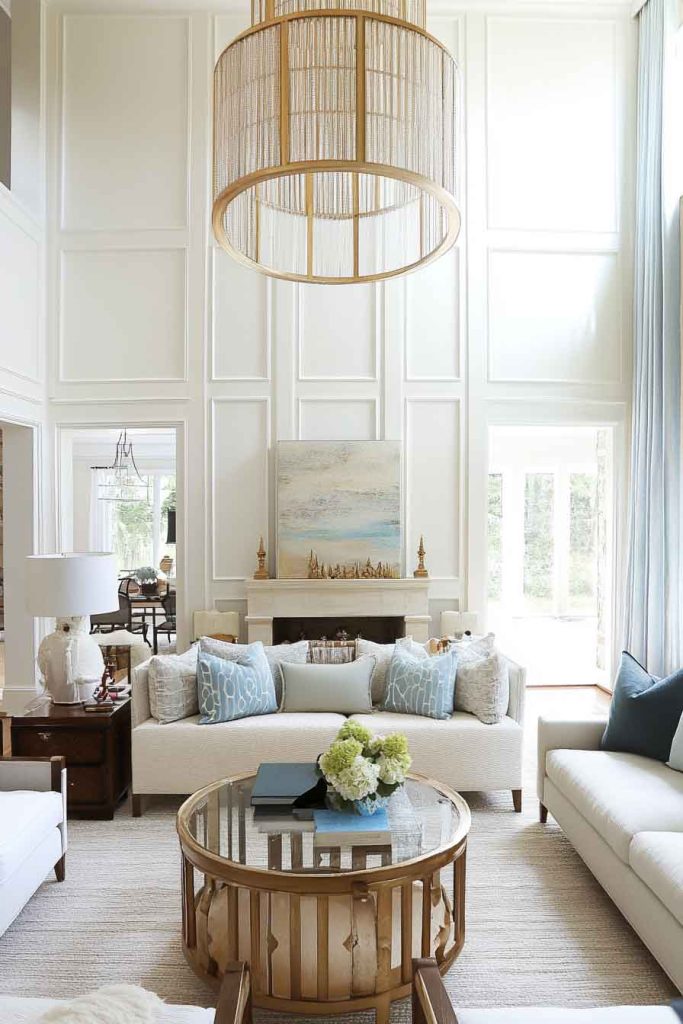
Room height affects how your layout feels. In rooms with low ceilings, avoid tall, bulky furniture that makes the space feel cramped. Instead, choose lower-profile pieces and use horizontal lines to make the room feel wider. In rooms with high ceilings, taller furniture and vertical design elements can create better proportion.
9. Plan for Electrical Outlets
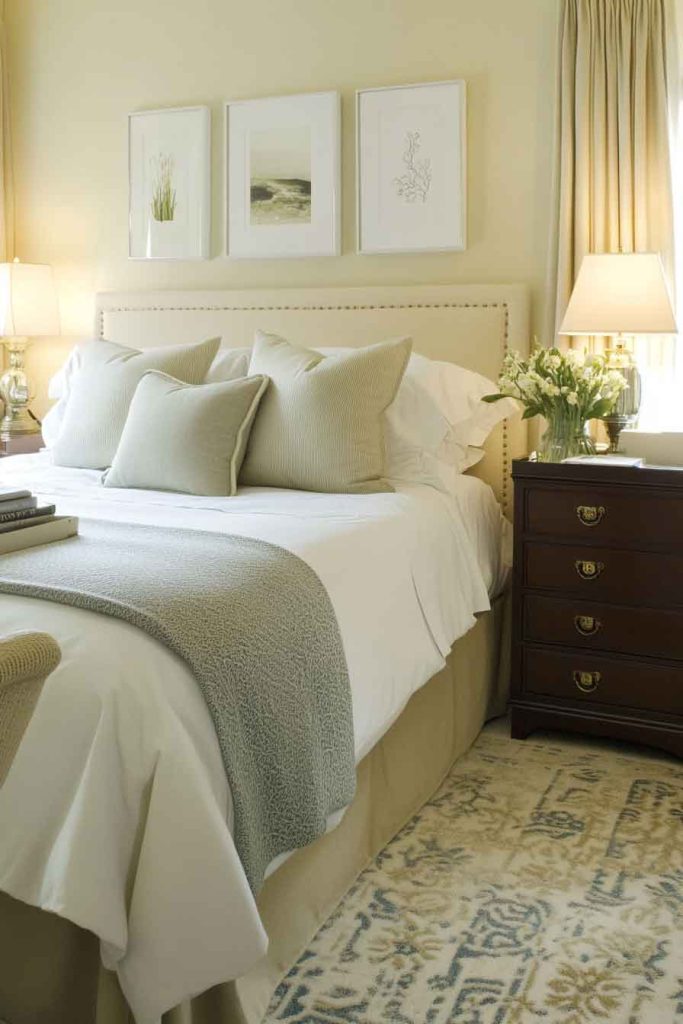
Before finalizing your layout, locate all electrical outlets and ensure your furniture placement allows easy access to them. You’ll need outlets near the bed for lamps and charging devices, near the dresser for hair tools, and in any work or reading areas.
If outlets are poorly placed, consider using extension cords tucked behind furniture or consulting an electrician about adding new outlets in better locations.
10. Leave Room for Doors and Drawers
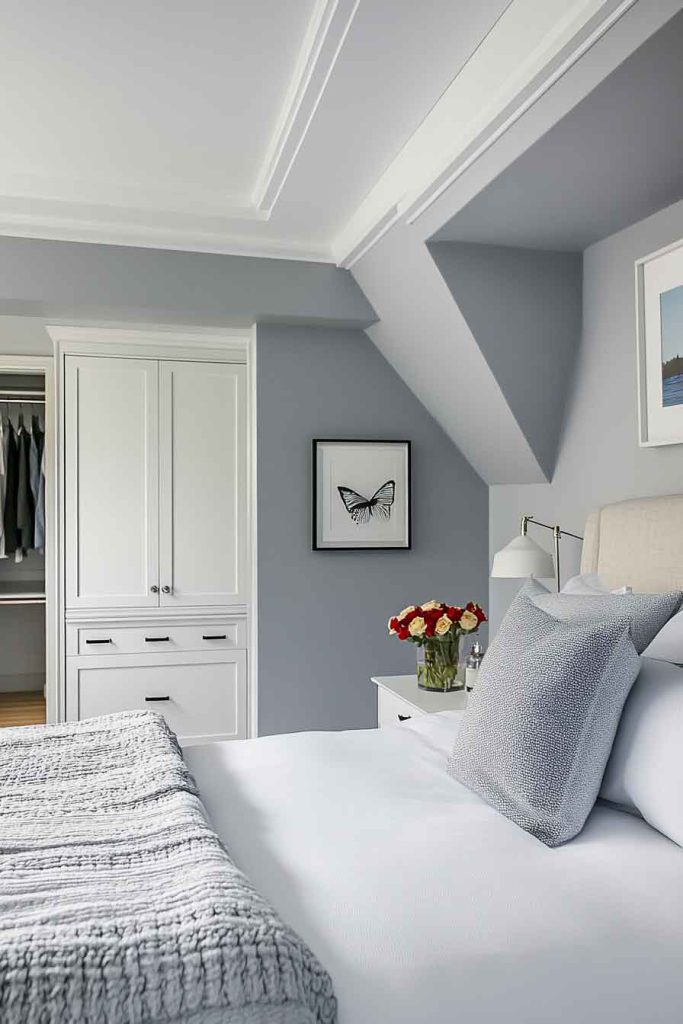
A common layout mistake is forgetting to account for how furniture opens and closes. Make sure dresser drawers can fully extend, closet doors can swing open completely, and there’s clearance for the bedroom door to open without hitting furniture. Test these movements before finalizing your arrangement.
Small Bedroom Layout Ideas
11. Float the Bed in the Center
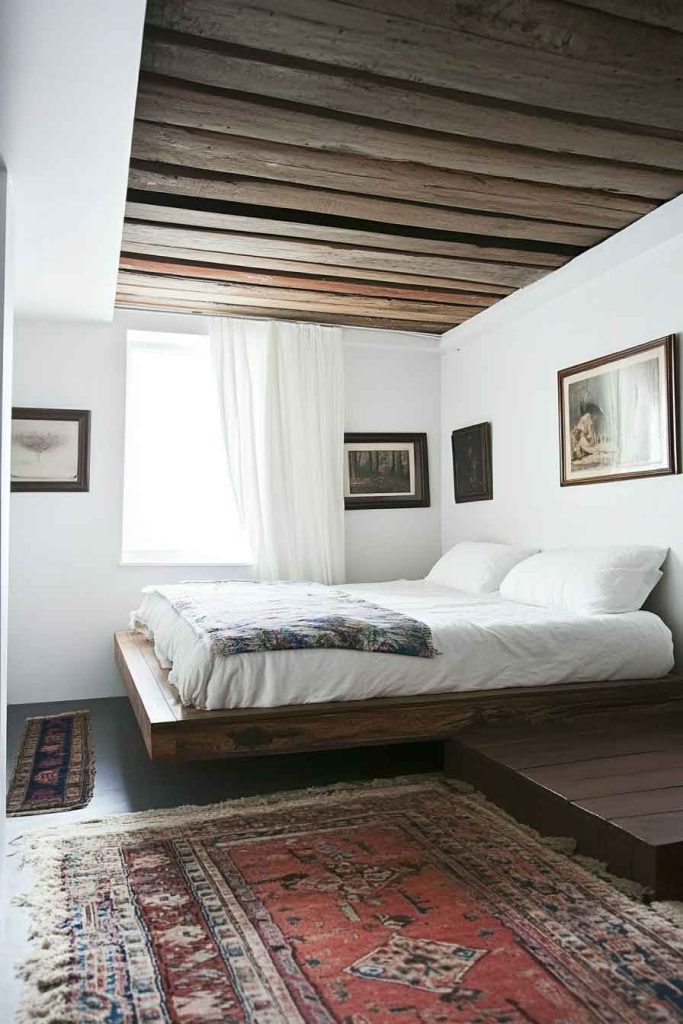
In very small bedrooms, placing the bed against a wall might seem like the only option, but floating it in the center can actually create better flow. This works especially well in narrow rooms where a centered bed creates equal walkways on both sides.
12. Use the Corner Placement
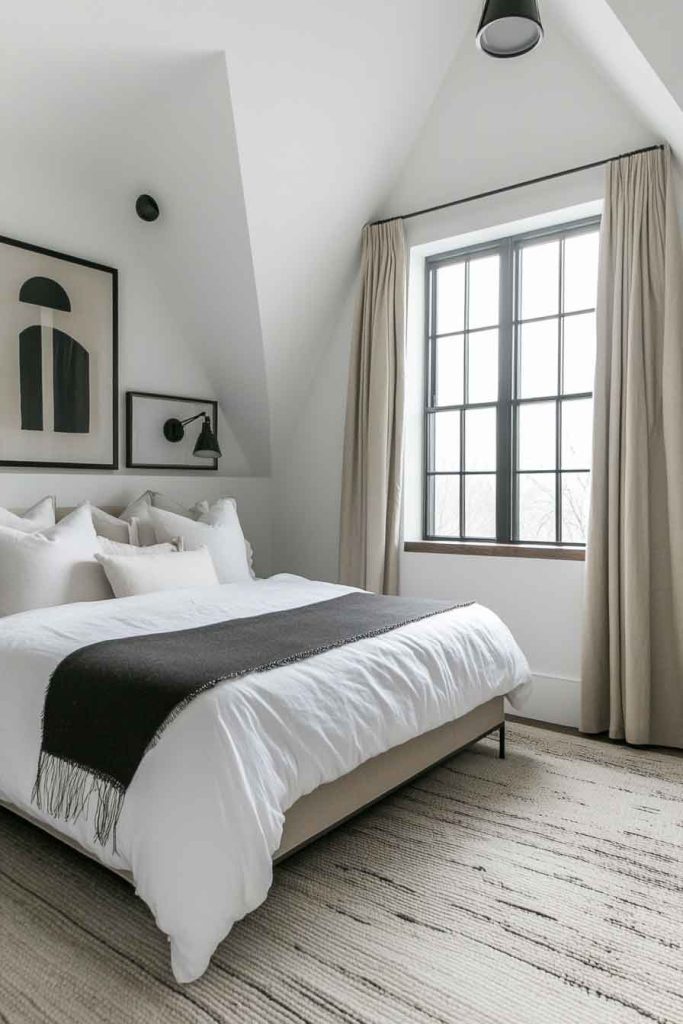
Corner bed placement can free up valuable wall space for other furniture. Position the bed diagonally in a corner to create an interesting focal point while opening up floor space. This layout works particularly well in square bedrooms.
13. Murphy Bed Solution
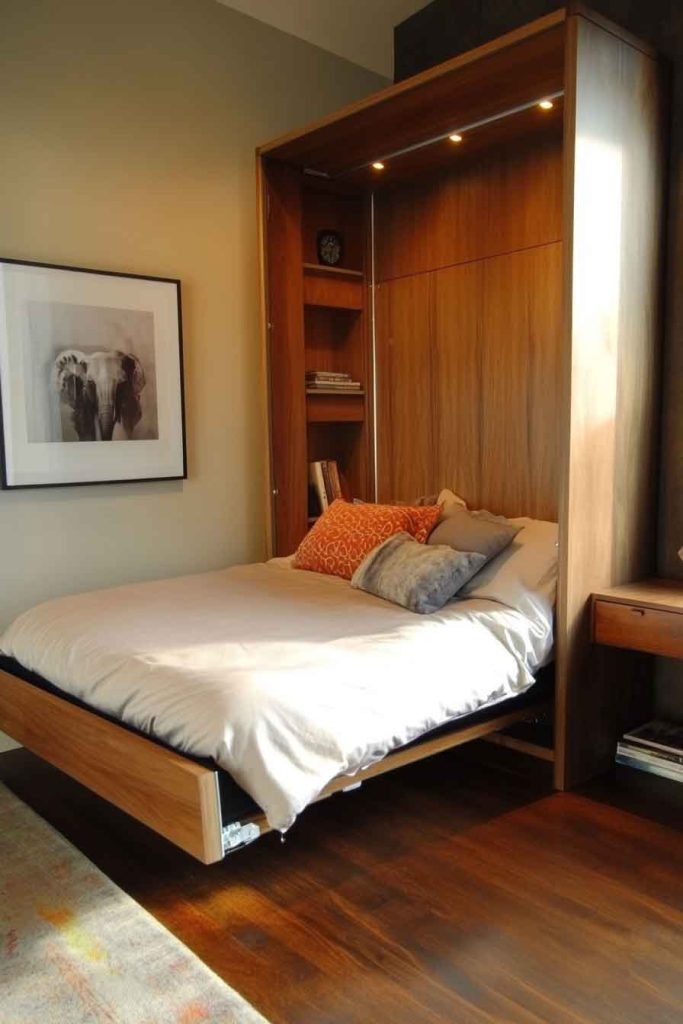
For multi-purpose rooms or extremely tight spaces, a Murphy bed (wall bed) folds up when not in use, transforming your bedroom into a living space, office, or exercise area during the day. Modern Murphy beds come in stylish designs that blend seamlessly with your decor.
14. Loft the Bed
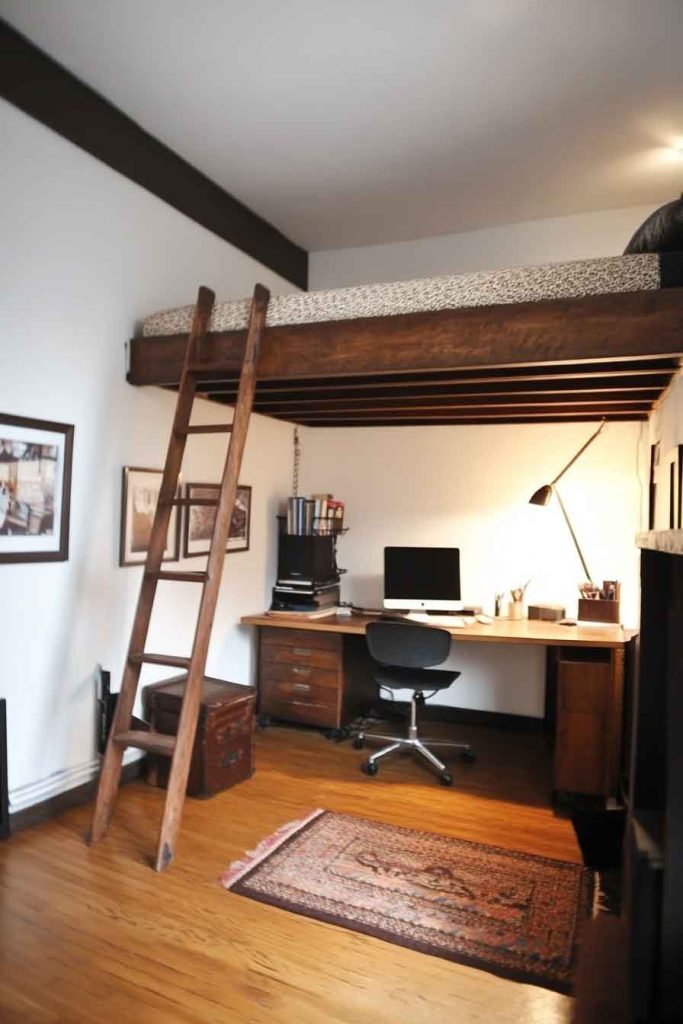
If ceiling height allows, lofting your bed creates usable space underneath for a desk, seating area, or storage. This layout maximizes vertical space and is perfect for studio apartments or small bedrooms that need to serve multiple functions.
15. Minimize Furniture Pieces
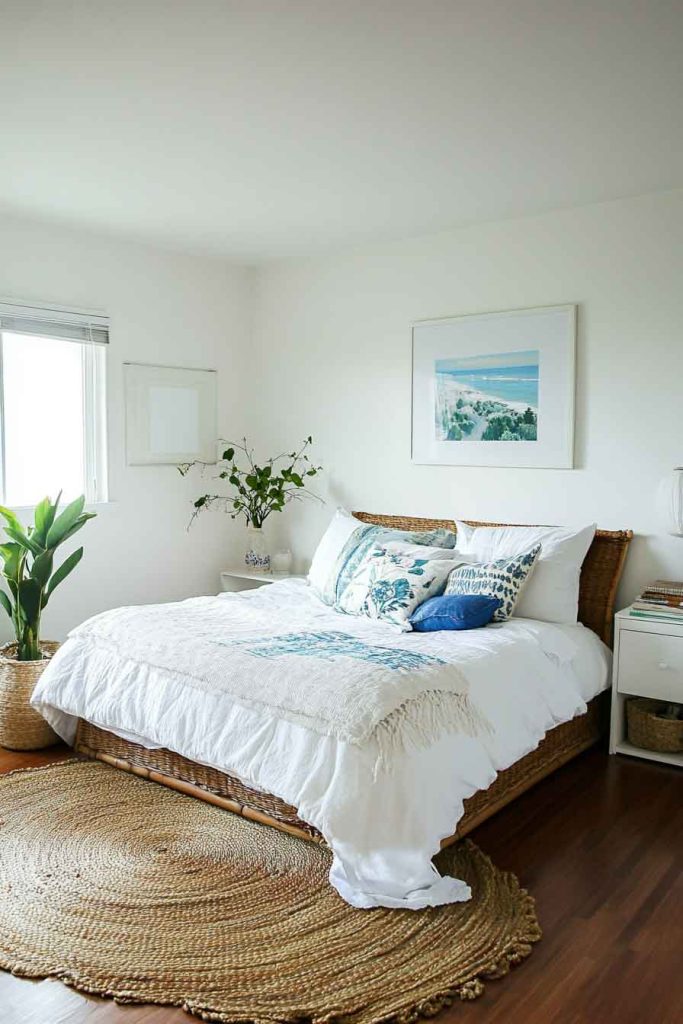
In compact bedrooms, less is more. Stick to essential furniture only—bed, one nightstand, and perhaps a small dresser or wall-mounted shelves. Eliminate anything that doesn’t serve a clear purpose to keep the room feeling open and uncluttered.
Master Bedroom Layout Ideas
16. Create a Sitting Area
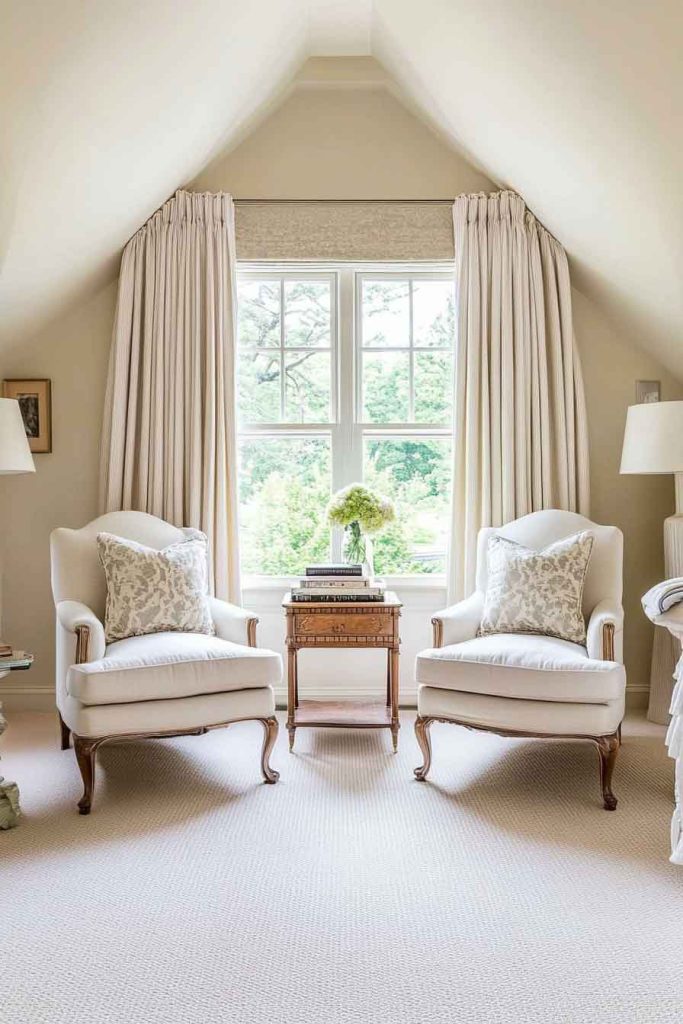
Larger master bedrooms can accommodate a small sitting area with two chairs and a side table near a window. This creates a private retreat within your bedroom for reading, conversation, or morning coffee without leaving your personal space.
17. Add a Bedroom Office Nook
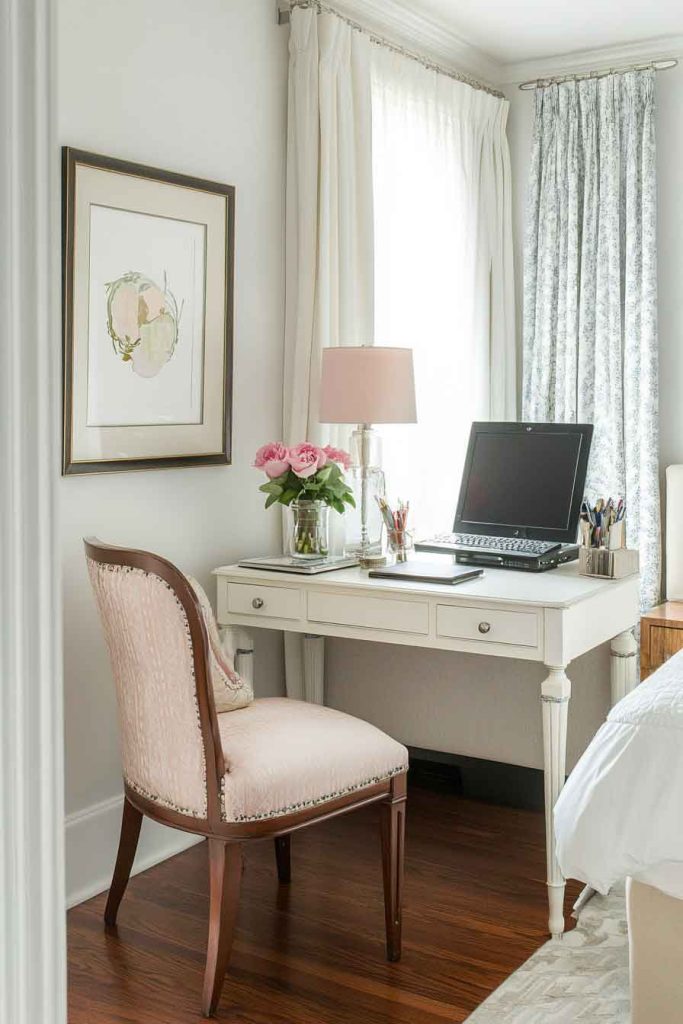
Position a small desk and chair in a corner or alcove to create a dedicated workspace. Keep this area visually separate from the sleeping zone with a room divider, different lighting, or strategic furniture placement to maintain the bedroom’s restful atmosphere.
18. Include a Dressing Area
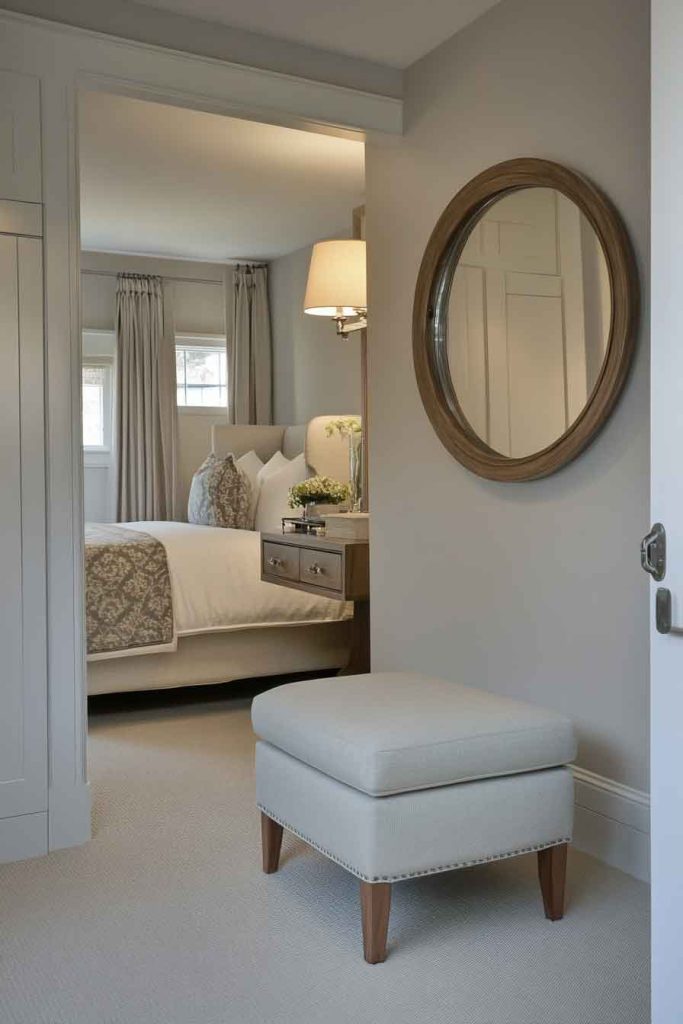
If space allows, create a dedicated dressing zone with a full-length mirror, a comfortable bench or ottoman, and good lighting. Position this area near your closet for easy outfit selection and away from the bed to avoid morning disruptions.
19. Design a Walk-Through Closet Layout
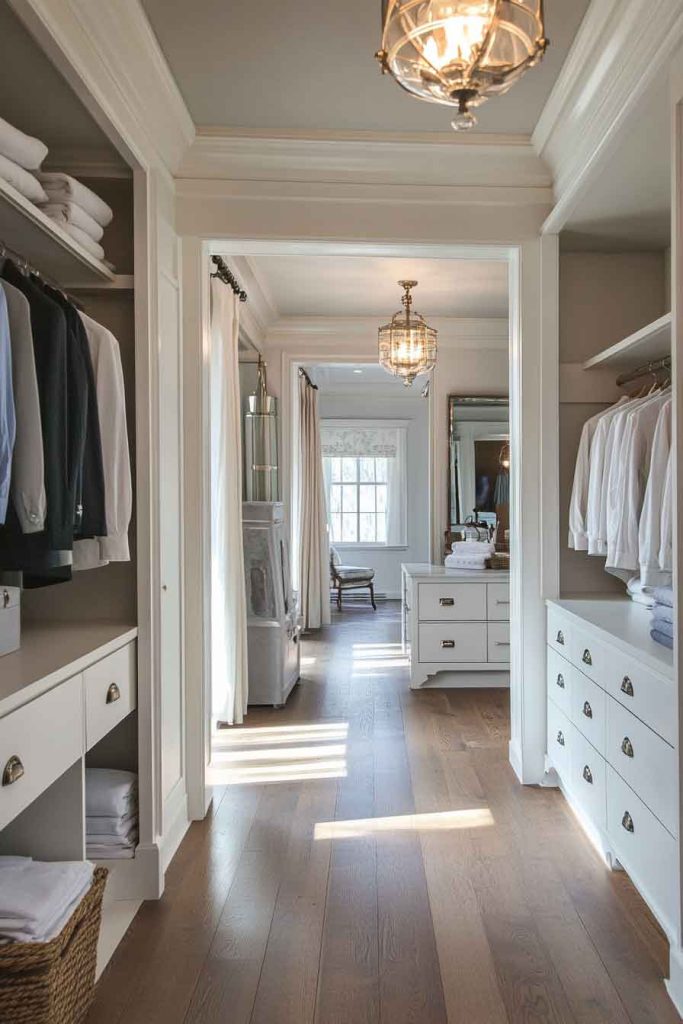
In master suites with en-suite bathrooms, consider a walk-through closet design where the closet serves as a hallway between the bedroom and bathroom. This layout feels luxurious and keeps clothing and grooming areas connected while separating them from the sleeping space.
20. Add a Fireplace Focal Point
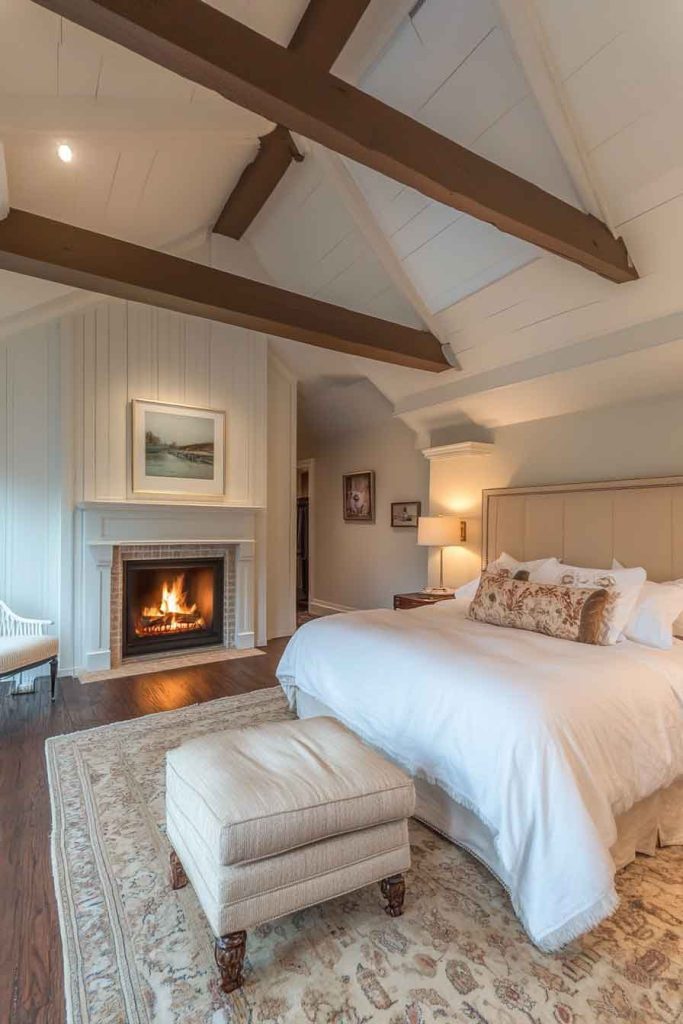
If your master bedroom includes a fireplace, arrange seating to take advantage of this feature. Position the bed on one wall and create a separate sitting area facing the fireplace for a hotel-suite feeling in your own home.
Layout Ideas for Unique Room Shapes
21. L-Shaped Bedroom Layout
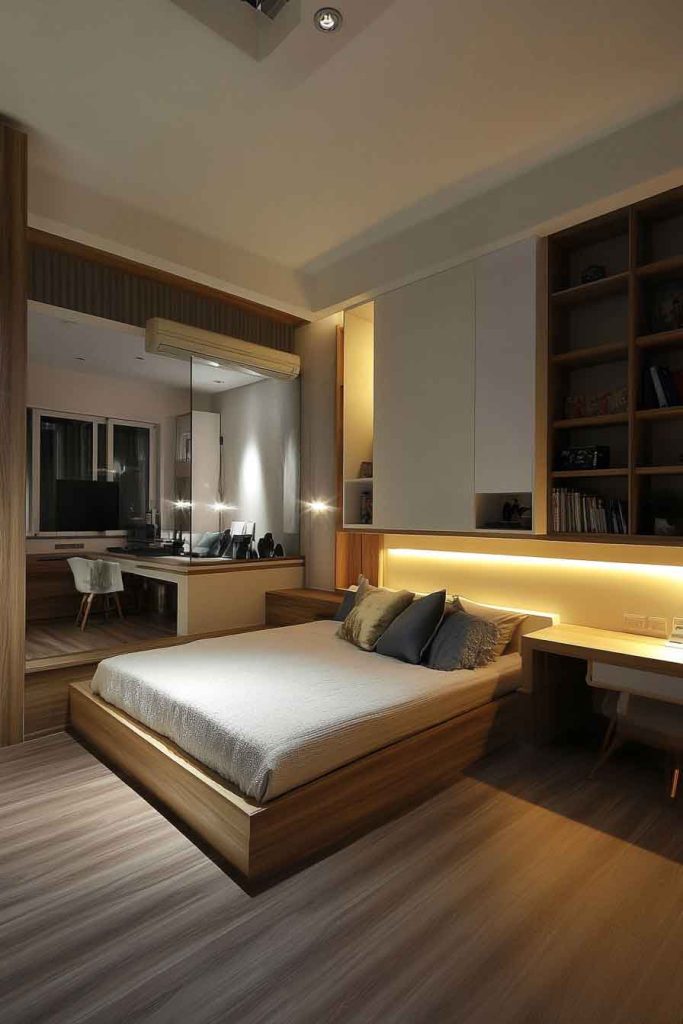
For L-shaped bedrooms, use one section for sleeping and the other for a different function. The shorter leg of the L might house a dressing area or reading nook, while the longer section accommodates the bed and main furniture pieces.
22. Long, Narrow Bedroom Solutions
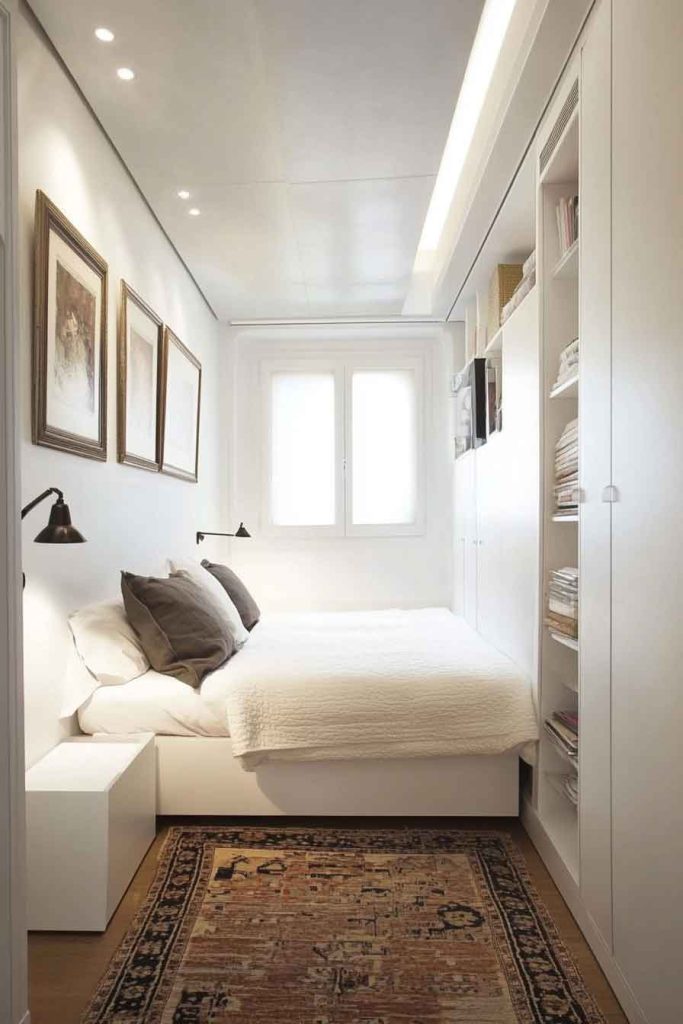
In rectangular rooms, resist the urge to push everything against the walls. Instead, divide the space into zones. Place the bed perpendicular to the long walls to break up the tunnel effect, and use area rugs to define different sections.
23. Work with Awkward Angles
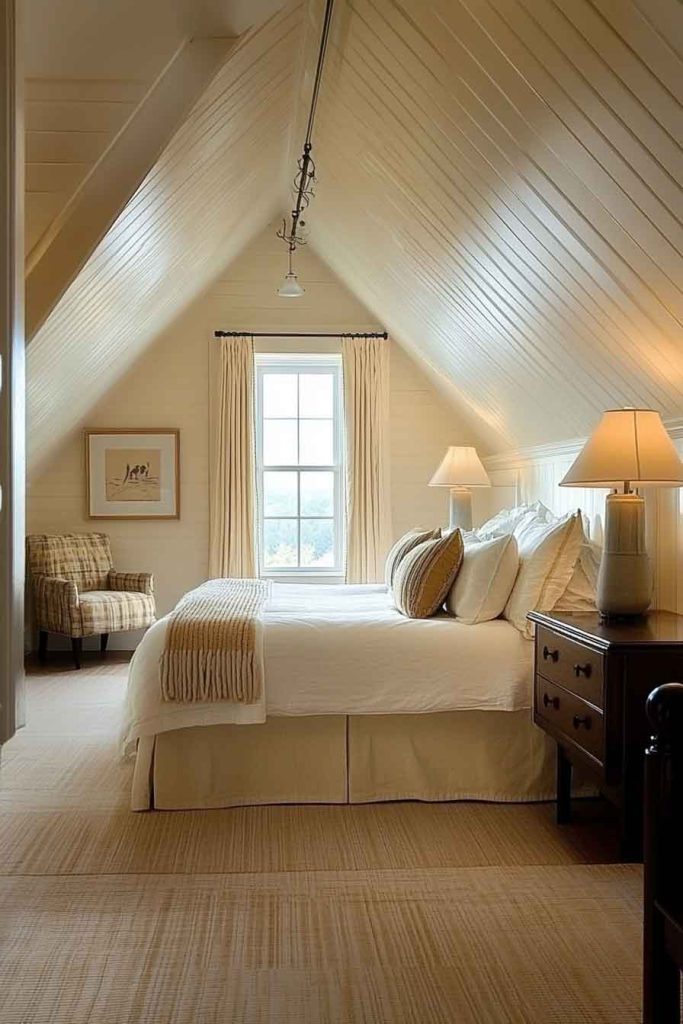
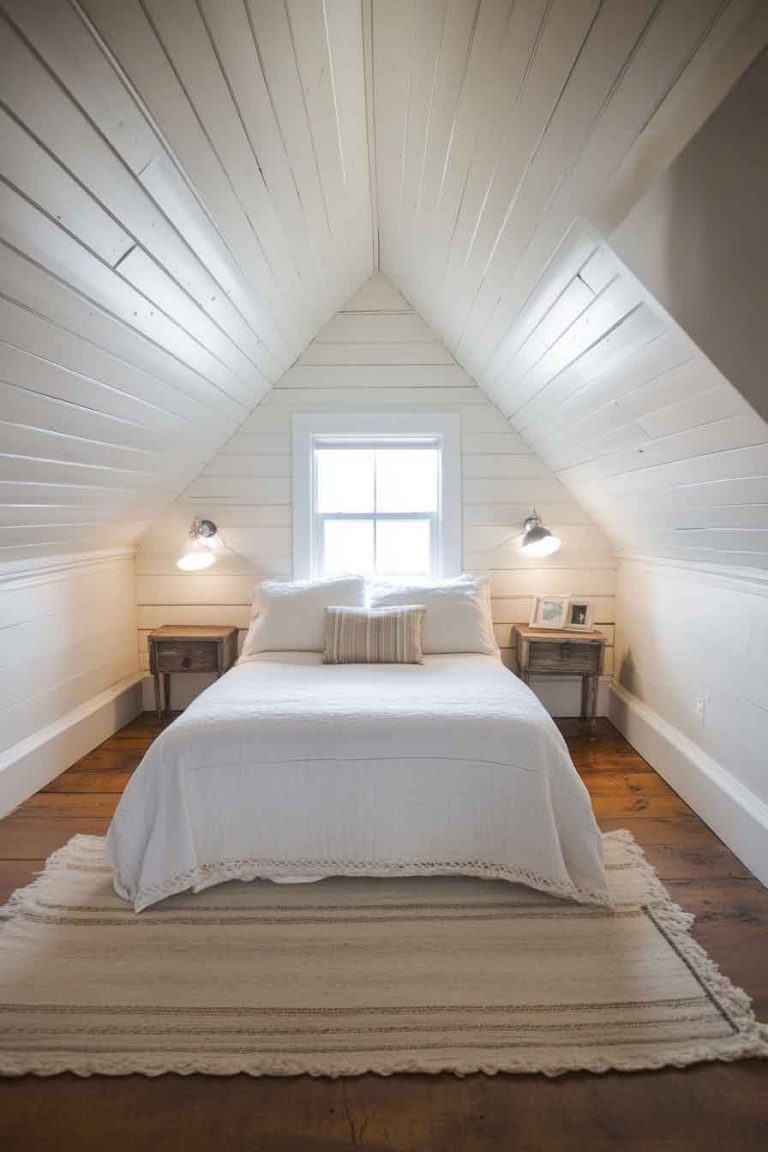
Rooms with slanted ceilings, dormers, or unusual angles require creative solutions. Place the bed under the highest part of the ceiling for comfort, and use lower areas for dressers, seating, or built-in storage that fits the space’s unique dimensions.
24. Bay Window Integration
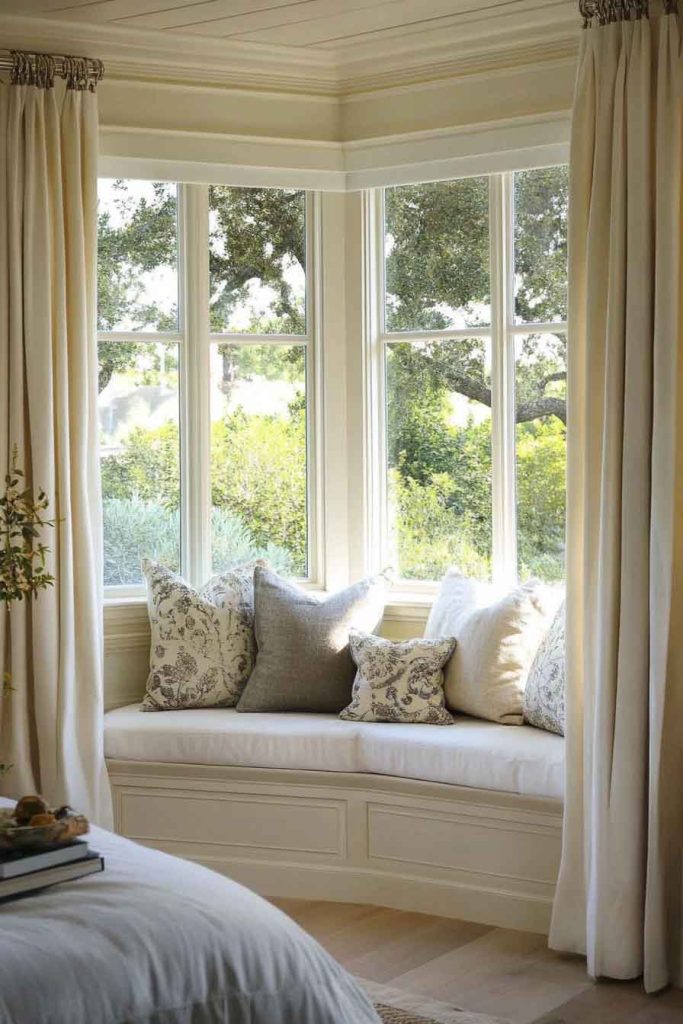
Position your bed to face a bay window, or place a reading chair and small table in the bay to create a cozy nook. Bay windows add character to bedroom layouts and provide opportunities for creative furniture arrangement.
25. Deal with Off-Center Windows
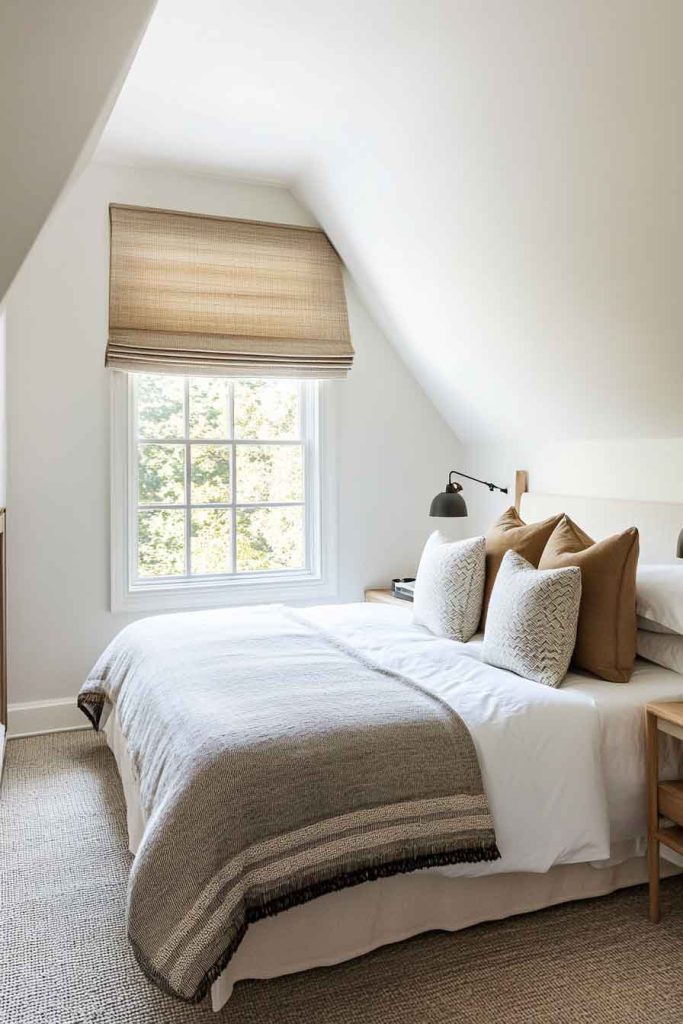
When windows aren’t centered on a wall, embrace the asymmetry rather than fighting it. Place the bed slightly off-center to align with other architectural features, or use the offset window as an opportunity to create a balanced asymmetrical design with different nightstands on each side.
Multi-Functional Bedroom Layouts
26. Guest Room and Office Combo
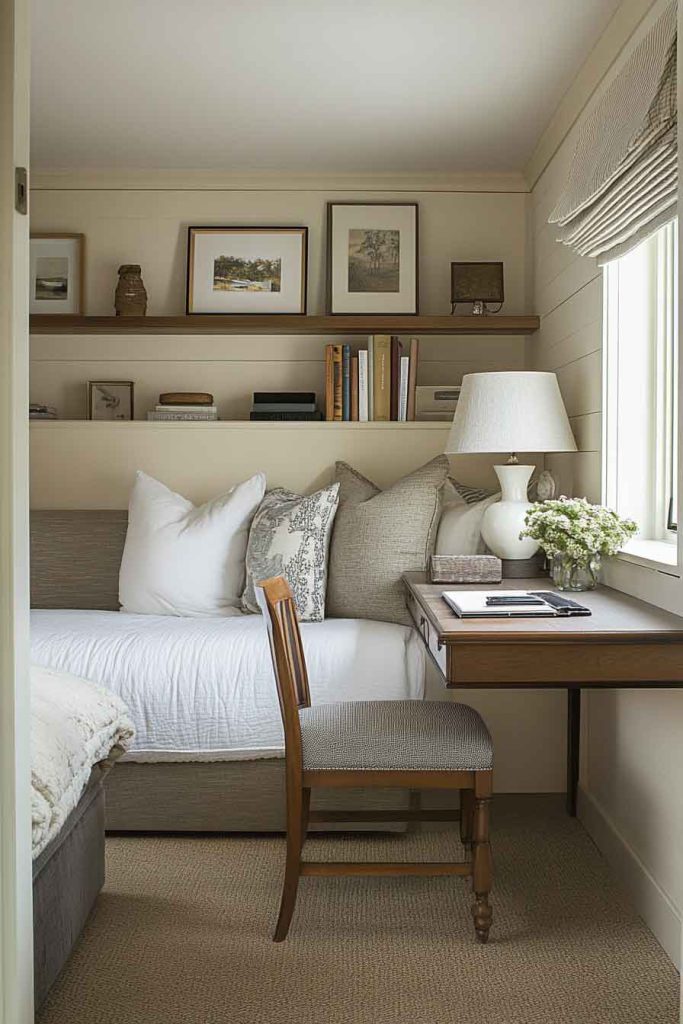
Use a daybed or sofa bed that serves as seating during the day and a guest bed when needed. Position a desk along one wall and keep the center of the room open. Use furniture that can be easily rearranged when guests arrive.
27. Bedroom and Nursery Combination
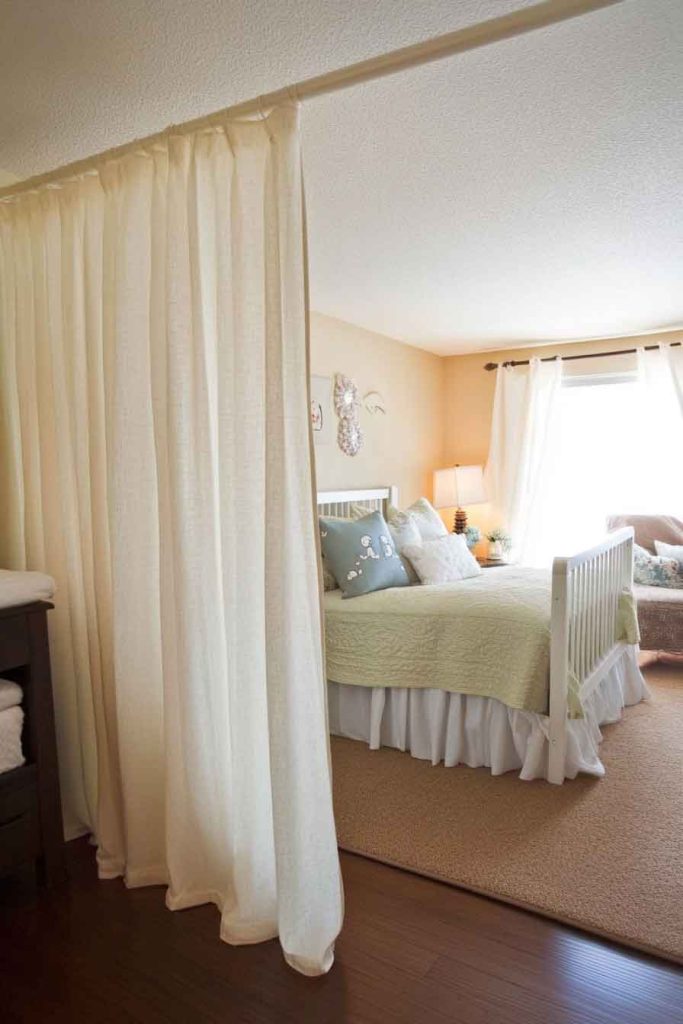
When sharing your bedroom with a baby, position the crib within easy reach of your bed but not directly next to windows or vents. Create a small changing station along one wall, and use a room divider or curtain to visually separate the nursery area while maintaining easy access.
28. Exercise and Sleep Space
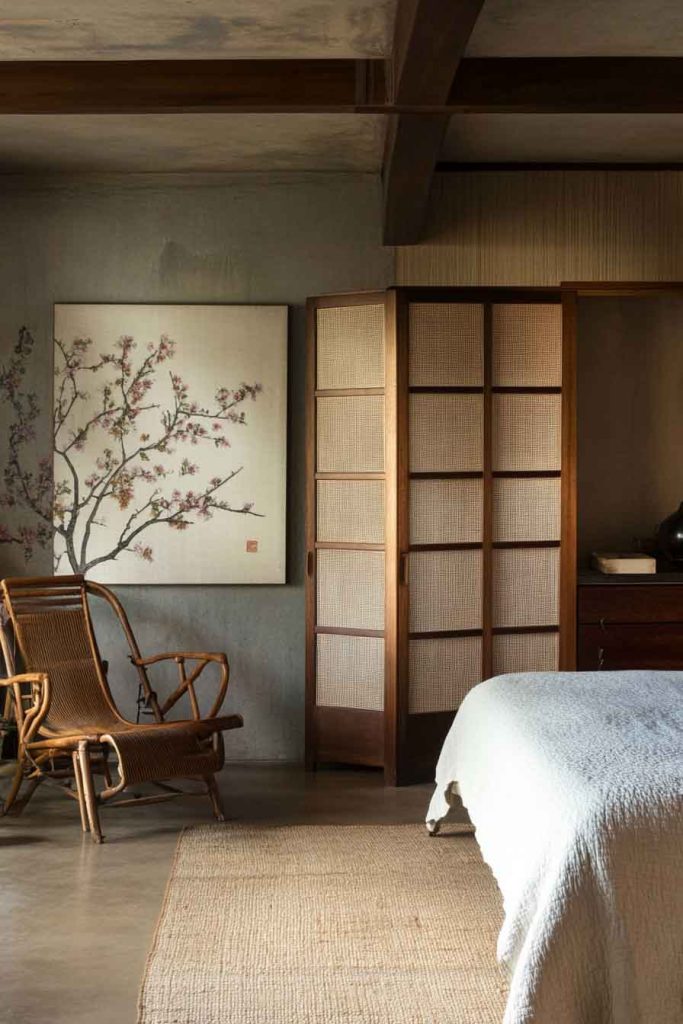
Dedicate one corner or wall for exercise equipment, positioning it away from the bed to maintain a restful atmosphere in the sleeping area. Use a folding screen or curtain to hide workout equipment when not in use, keeping the bedroom’s primary function as a place for rest.
29. Teen Bedroom with Study Zone
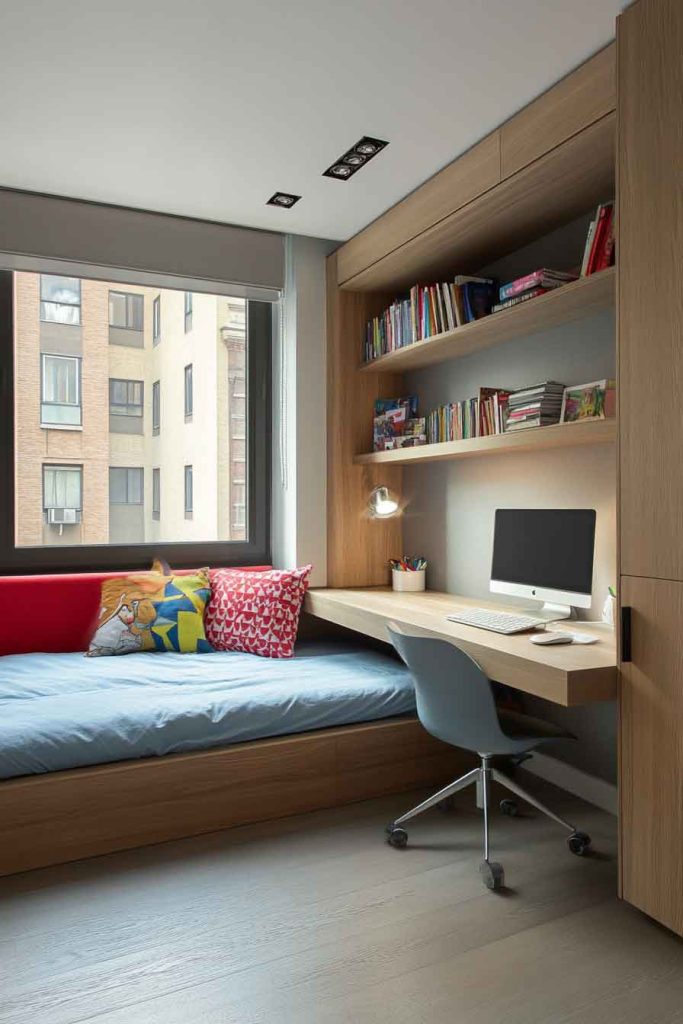
Arrange a teen’s bedroom with the bed along one wall and a substantial desk area along another to support homework and hobbies. Include plenty of storage for books, school supplies, and personal items. Position the desk near a window for natural light during study time.
30. Studio Apartment Layout
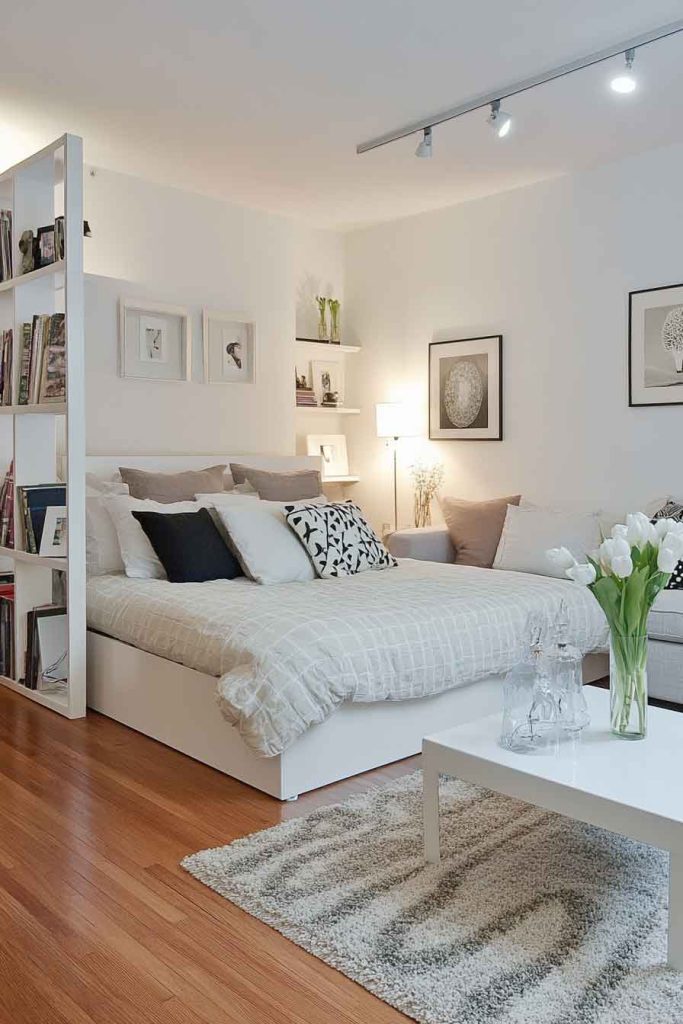
In a studio apartment, use furniture placement to create the illusion of separate rooms. Position the bed in an alcove or against a far wall, use a bookshelf or screen to divide the sleeping area from living space, and create distinct zones with area rugs and lighting. Choose furniture that serves multiple purposes to maximize the limited space.
Conclusion
Creating the perfect bedroom layout is about more than just fitting furniture into a room. It’s about designing a space that supports restful sleep, accommodates your daily routines, and reflects your personal style. Whether you’re working with a cozy small bedroom or a spacious master suite, these 30 layout ideas provide a starting point for creating a functional and beautiful space.
Remember that the best bedroom layout is one that works for your specific needs and lifestyle. Don’t be afraid to experiment with different arrangements until you find the configuration that feels right. Measure carefully, consider traffic flow, and prioritize the elements that matter most to you.
Start by placing your bed in the most logical position, then build your layout around it. Consider how you use your bedroom throughout the day, and create zones that support those activities. With thoughtful planning and these layout ideas as inspiration, you can transform your bedroom into a perfectly arranged retreat that you’ll love coming home to every day.