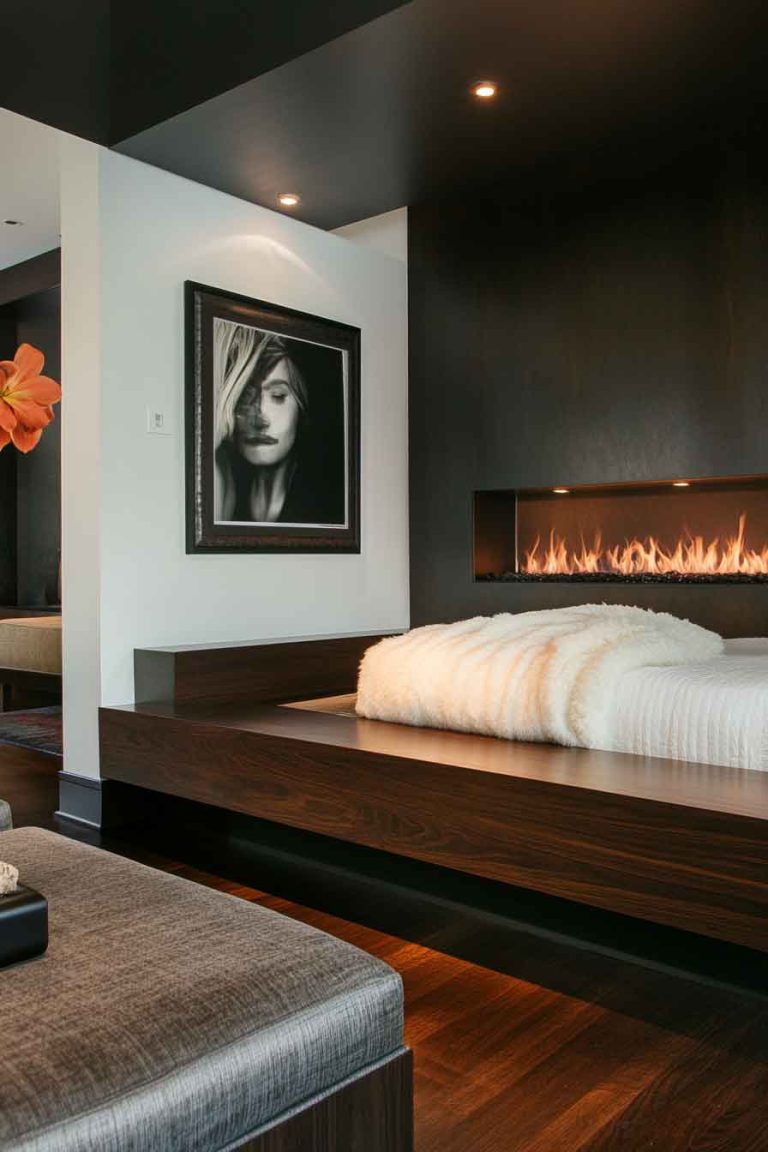
32 Midcentury Bedroom Ideas
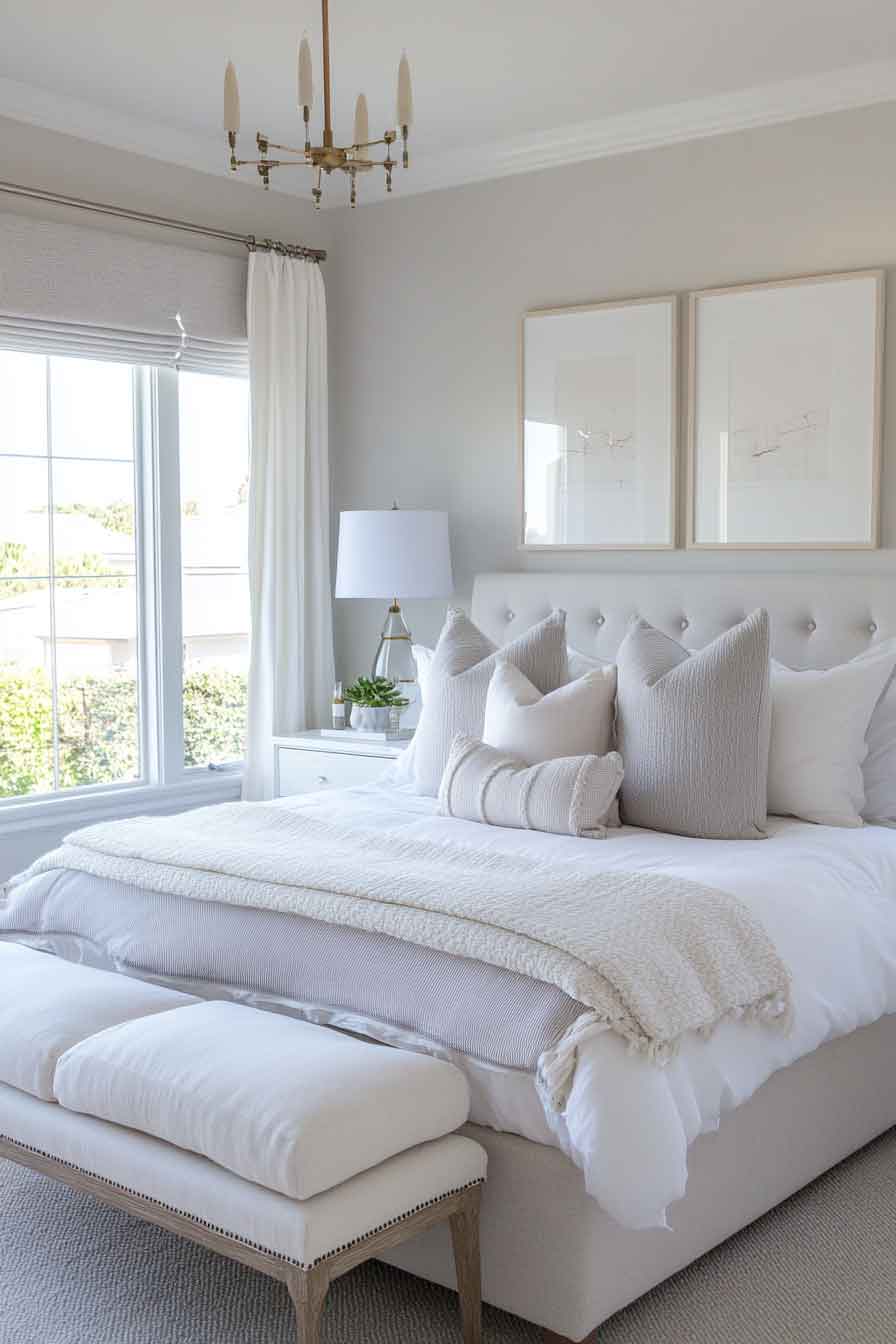
Are you ready to transform your bedroom into a stylish retreat that captures the timeless elegance of the 1950s and 60s? Midcentury modern design has experienced a remarkable resurgence in recent years, and it’s easy to understand why this iconic style continues to captivate homeowners and interior designers alike.
With its emphasis on clean lines, organic forms, and functional beauty, midcentury modern design offers the perfect balance between sophistication and simplicity. In this article, we’ll explore creative and practical ways to bring midcentury charm into your bedroom, whether you’re starting with a blank canvas or adding vintage-inspired touches to your current space.
There are compelling reasons why midcentury modern remains one of the most popular design styles for bedrooms. This aesthetic creates a calm and organized environment that promotes relaxation and restful sleep. The style’s focus on quality craftsmanship, natural materials like wood and leather, and thoughtful design makes any bedroom feel both elegant and inviting.
Additionally, midcentury modern emphasizes functionality without sacrificing beauty, creating spaces that are as practical as they are visually appealing. Whether you prefer authentic vintage pieces or contemporary interpretations, there are countless ways to personalize this versatile style.
Midcentury modern design typically features warm wood tones paired with bold accent colors like mustard yellow, olive green, and burnt orange. The style celebrates simplicity and honest design, making it an excellent choice for those who appreciate uncluttered, harmonious living spaces.
What is Midcentury Modern Design?
Midcentury modern is an interior design style that emerged in the mid-20th century, roughly between 1945 and 1969. It represents a pivotal moment in design history when form and function merged to create beautiful, practical furniture and spaces.
The midcentury aesthetic is characterized by clean lines, gentle organic curves, minimal ornamentation, and a seamless integration of different materials and textures. This design philosophy embraces the idea that good design should be accessible and functional while remaining visually striking.
Regardless of your home’s age or architectural style, you can successfully incorporate midcentury elements into your bedroom. The key lies in selecting pieces that embody the era’s core principles: simplicity, functionality, and craftsmanship.
Authenticity matters in midcentury design, but mixing vintage finds with quality reproductions works beautifully. Think tapered wooden legs on furniture, geometric patterns, statement lighting fixtures, and a careful balance of warm and cool tones throughout the space.
Elements of Midcentury Modern Design
1. Clean Lines and Simple Forms
Midcentury modern design is defined by its commitment to simplicity and geometric clarity. Furniture and architectural elements feature straight lines, gentle curves, and minimal embellishment that allows the beauty of materials and proportions to shine through.
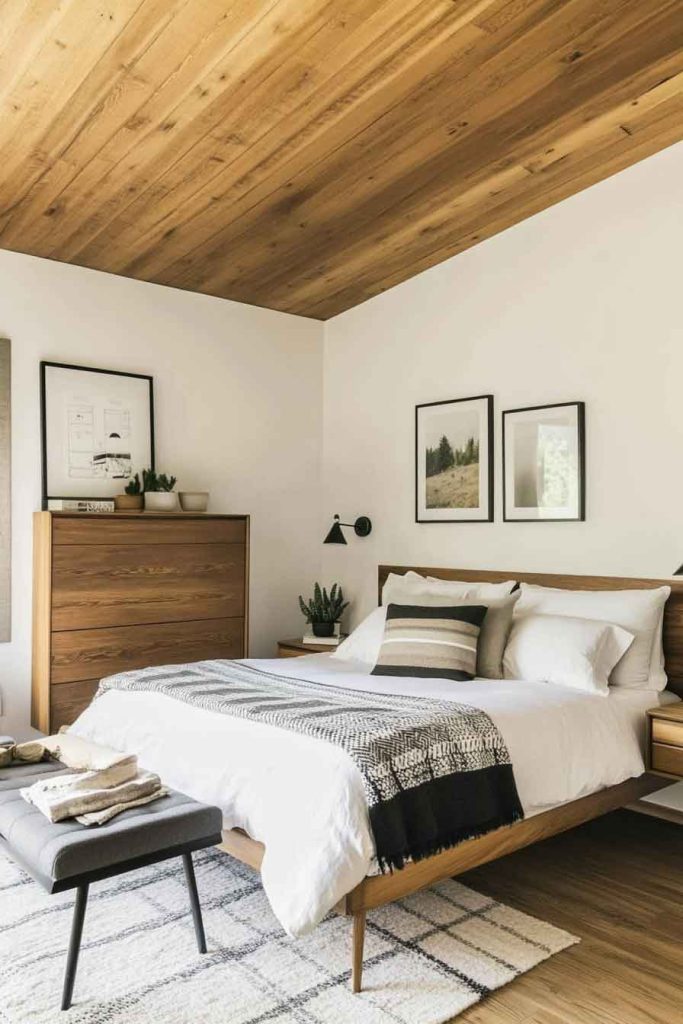
This approach creates bedrooms that feel open, organized, and peaceful. The absence of excessive decoration means each piece can be appreciated for its form and function. Choose bed frames, dressers, and nightstands with sleek profiles and avoid overly ornate details to maintain the clean aesthetic.
2. Iconic Midcentury Furniture
The foundation of any midcentury bedroom is furniture that reflects the era’s innovative design principles. Look for pieces with tapered legs, low-slung profiles, and smooth surfaces crafted from quality materials like walnut, teak, or oak.
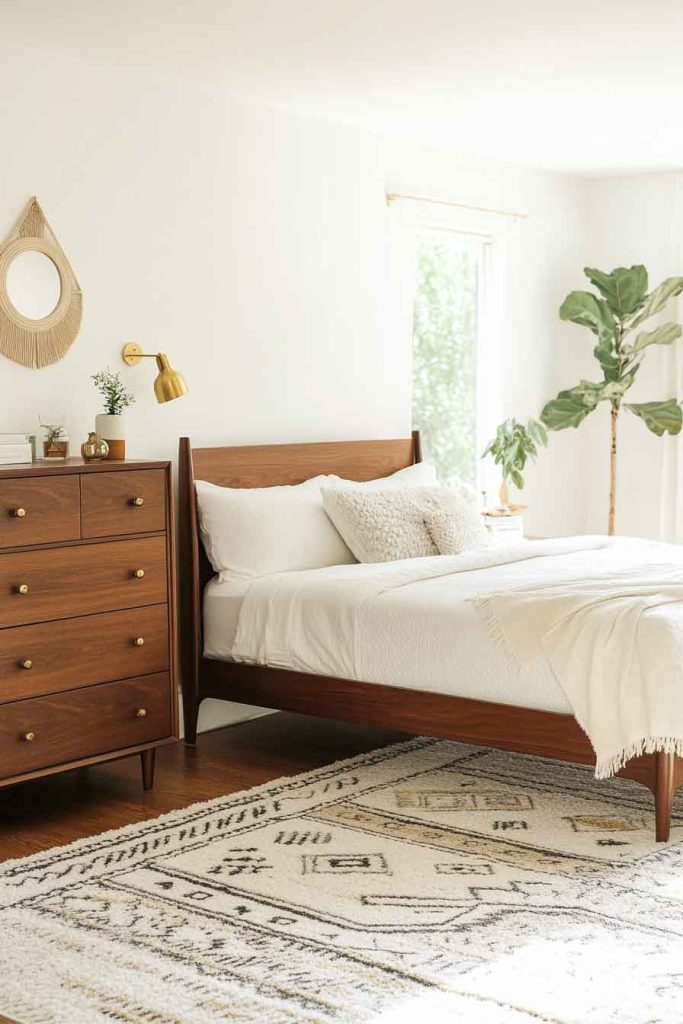
Platform beds with minimal headboards, streamlined dressers with brass or wooden pulls, and compact nightstands exemplify midcentury furniture design. These pieces combine visual lightness with solid construction, creating an airy yet grounded feel in the bedroom.
3. Wood Tones and Natural Materials
Wood is the heart and soul of midcentury modern design. Rich, warm wood tones in walnut, teak, rosewood, and oak bring natural beauty and warmth to bedroom spaces while connecting the interior to the natural world.
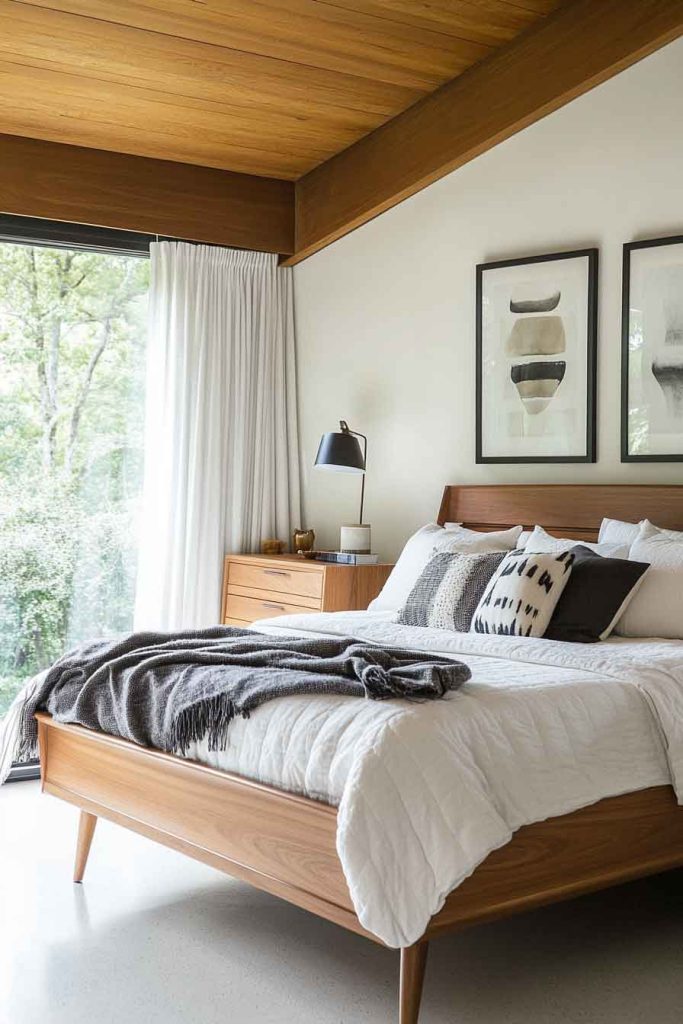
The wood grain itself becomes a decorative element, celebrated rather than hidden. Pair wooden furniture with other natural materials like leather, linen, and wool to create layers of texture and visual interest throughout the room.
4. Functional Design
Every piece in a midcentury bedroom serves a purpose. This design philosophy rejects decoration for decoration’s sake, instead celebrating objects that combine beauty with utility in thoughtful ways.
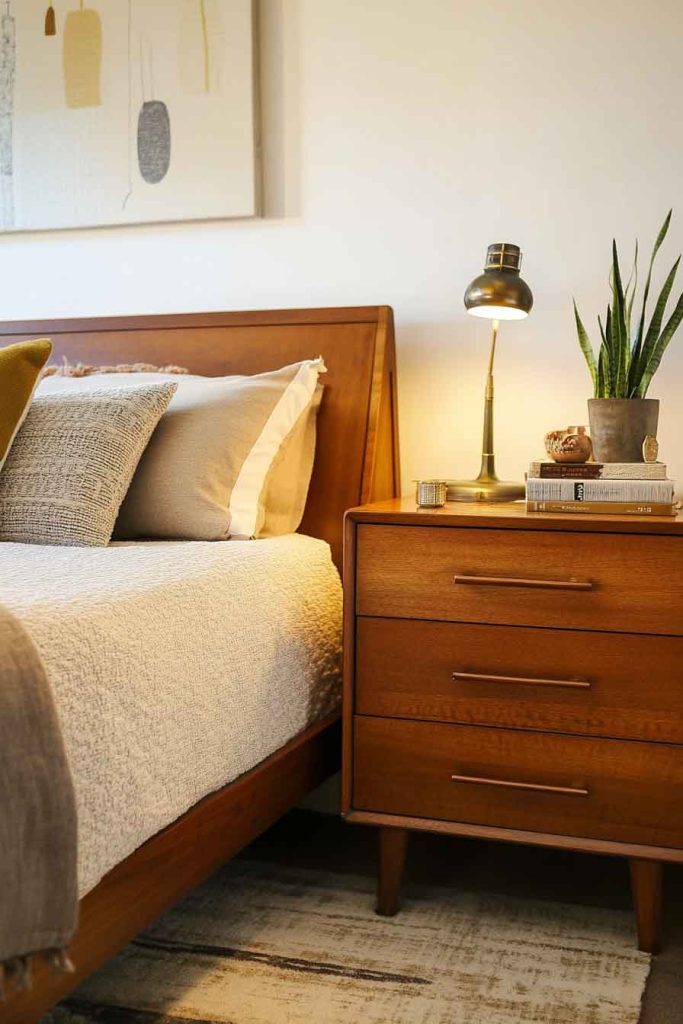
Storage solutions are cleverly integrated into furniture designs, with dressers featuring ample drawer space and beds incorporating built-in shelving. This practical approach keeps bedrooms organized and clutter-free while maintaining visual appeal.
5. Integration of Indoor and Outdoor
Midcentury design blurs the boundary between interior and exterior spaces. Large windows, natural light, and connections to nature are essential elements that bring the outdoors into the bedroom environment.
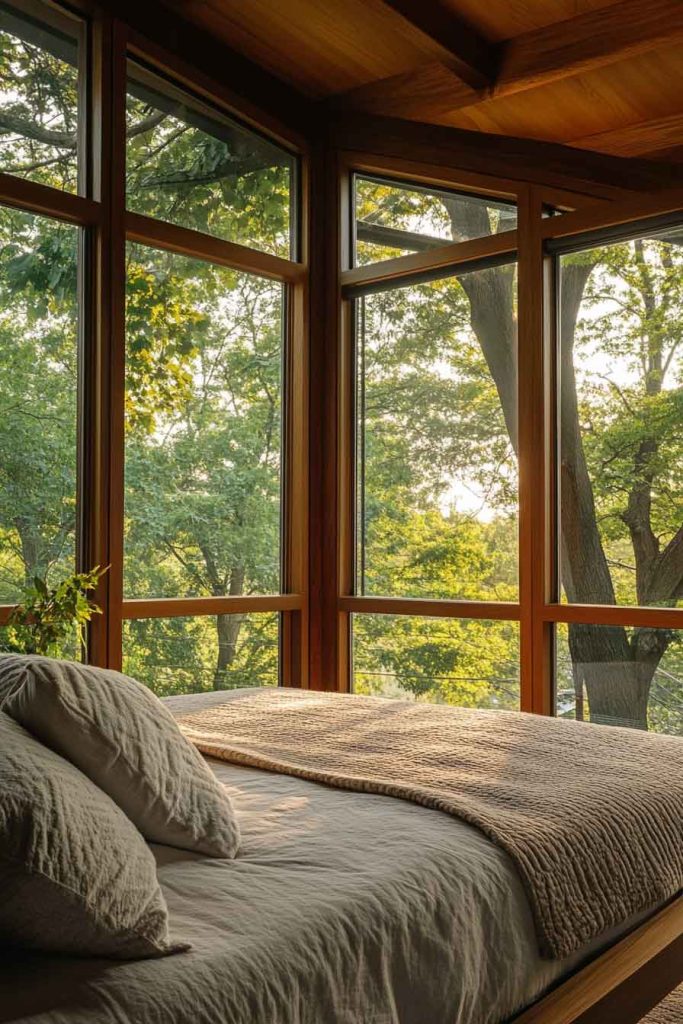
Position your bed to take advantage of natural light and views. Use window treatments that can be fully opened to maximize light during the day while maintaining privacy when needed.
6. Bold Accent Colors
While midcentury palettes often begin with neutral foundations, they’re enlivened by strategic pops of bold color. Think mustard yellow, burnt orange, avocado green, and teal blue used in accent pieces and textiles.
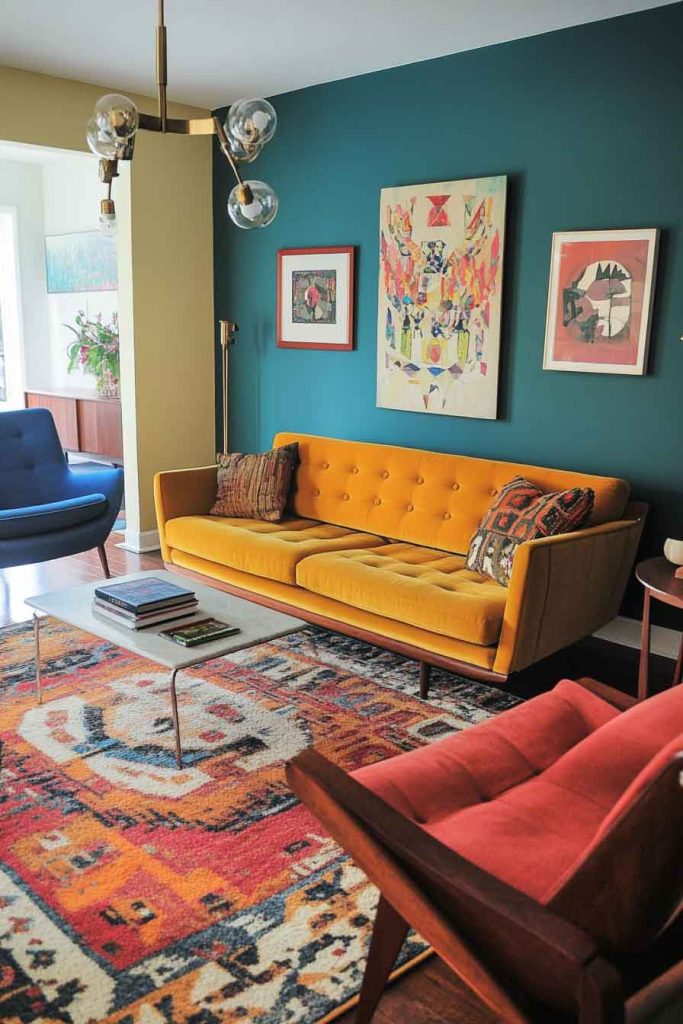
These vibrant hues add personality and energy without overwhelming the space. A single accent wall, colorful throw pillows, or a statement chair in a bold shade can transform the entire room’s character.
7. Geometric Patterns
Geometric patterns are hallmarks of midcentury design, appearing in textiles, wall art, and decorative accessories. Abstract shapes, starburst patterns, and atomic-age motifs capture the era’s optimistic, forward-looking spirit.
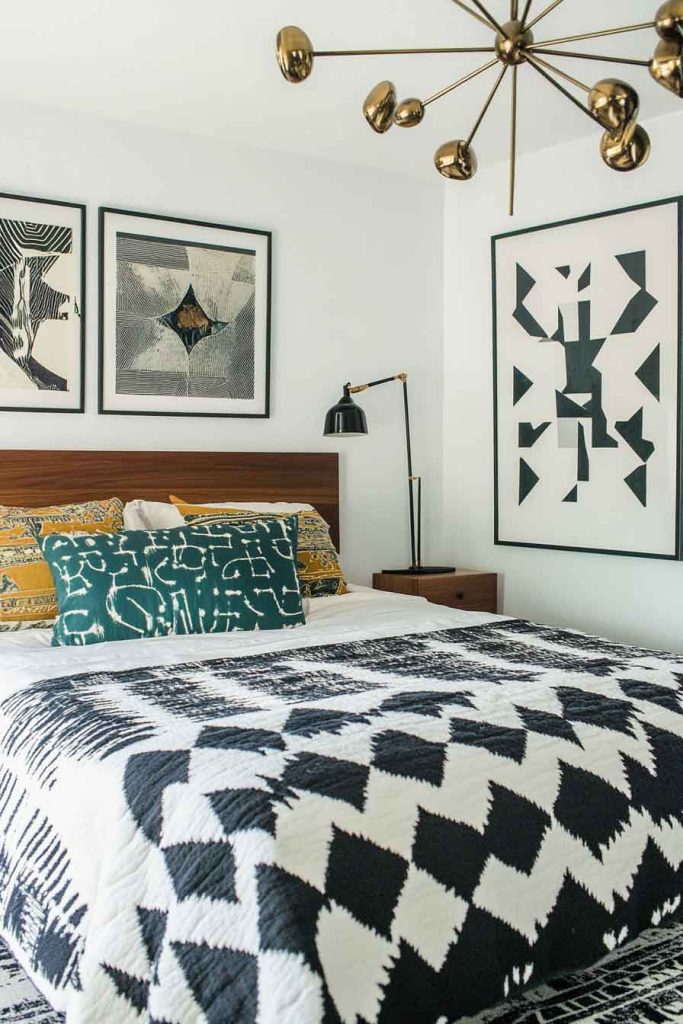
Incorporate these patterns through bedding, area rugs, curtains, or artwork. Balance bolder geometric designs with solid colors to prevent visual overwhelm and maintain the style’s essential simplicity.
8. Statement Lighting
Lighting fixtures from the midcentury era are sculptural works of art. Sputnik chandeliers, arc floor lamps, and pendant lights with brass or wood accents serve as functional focal points that define the bedroom’s character.
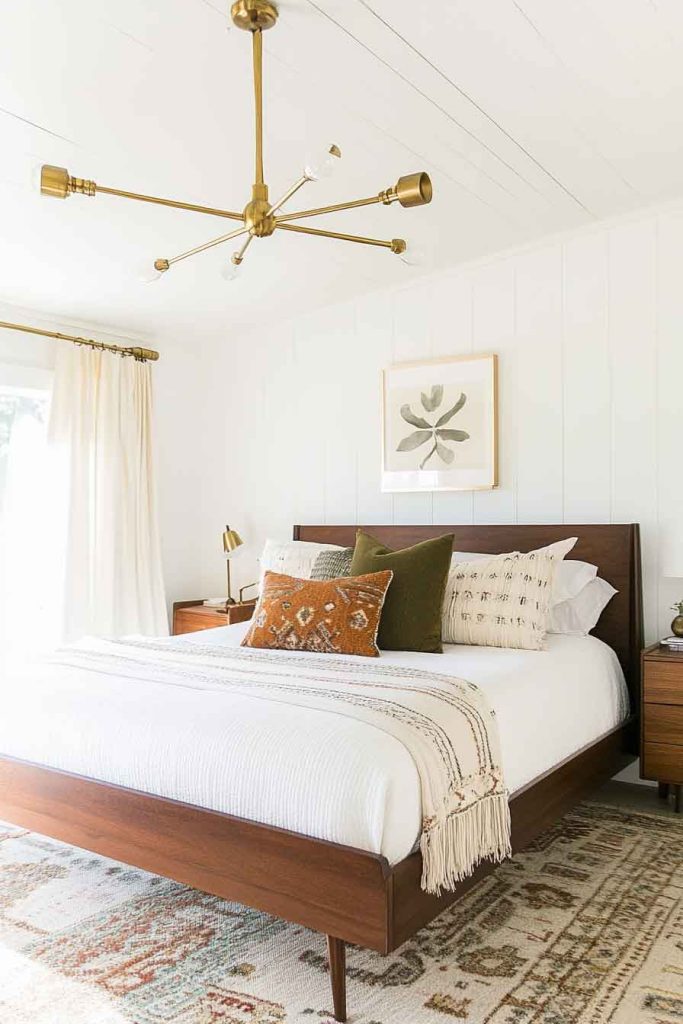
Choose lighting that makes a statement while providing practical illumination. Layer different light sources at various heights to create ambiance and ensure the room is well-lit for different activities.
9. Mix Textures Thoughtfully
Combining different textures adds depth and interest to midcentury bedrooms. Smooth wood surfaces contrast beautifully with nubby wool textiles, soft leather, and crisp linen bedding.
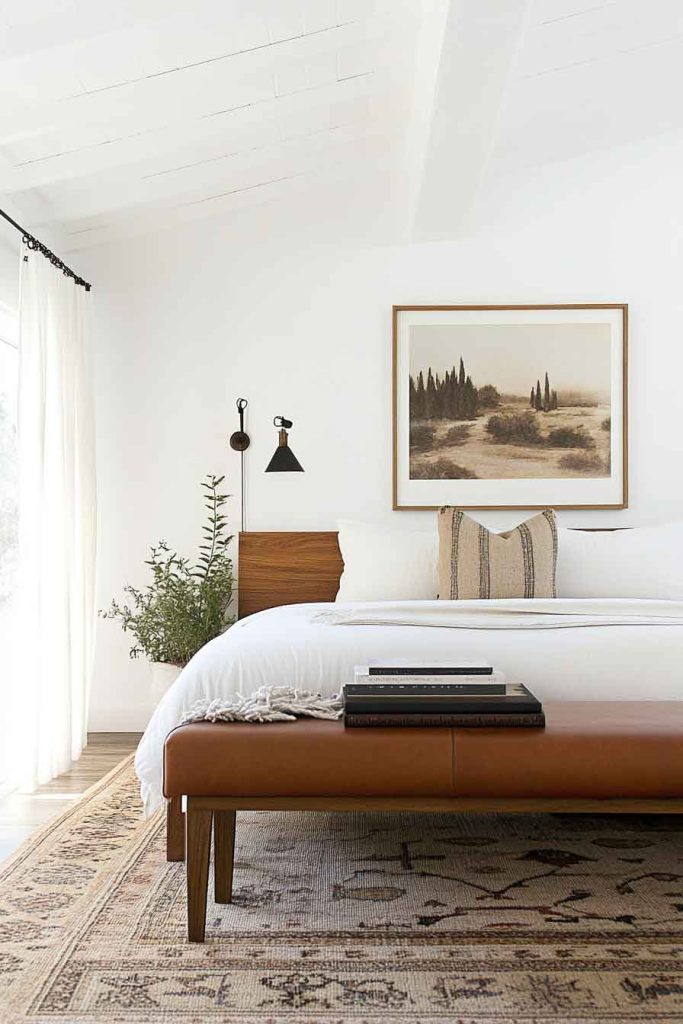
This textural variety prevents spaces from feeling flat or one-dimensional. A leather bench at the foot of the bed, a wool area rug, and linen curtains create a rich sensory experience.
10. Embrace Negative Space
Midcentury design respects empty space as an essential design element. Rooms should feel balanced and breathable, not crowded with furniture and accessories.
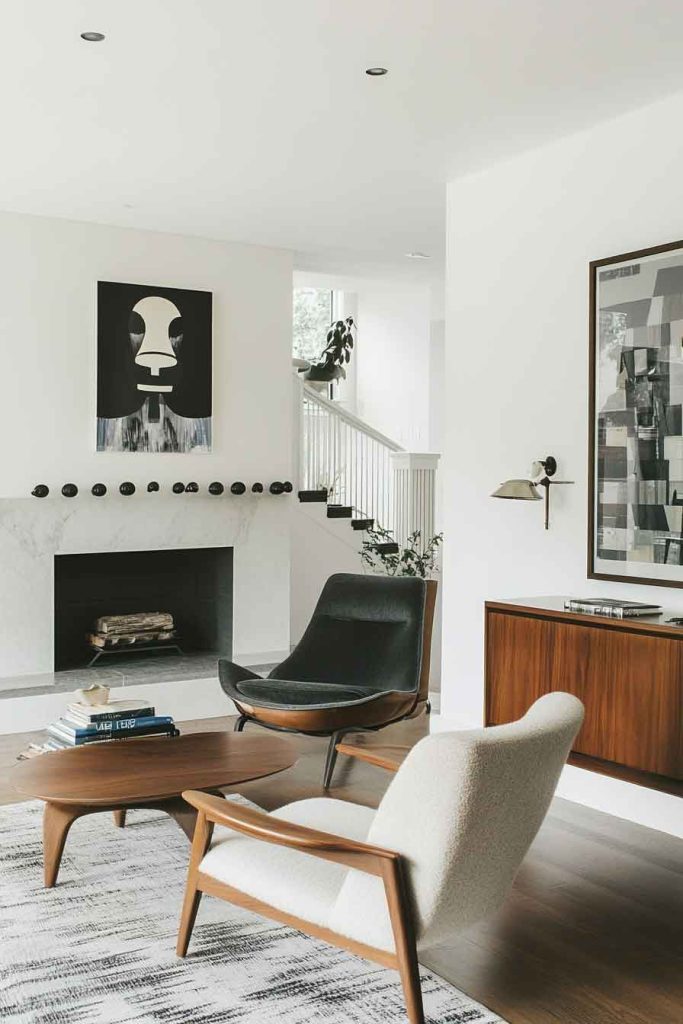
Allow furniture to float in the room rather than pushing everything against walls. Leave space between pieces so each item can be appreciated individually and the room maintains its sense of openness.
11. Experiment with Color Schemes
Choosing the right color palette sets the tone for your midcentury bedroom. While warm neutrals provide an excellent foundation, strategic color choices define the room’s personality. Here are popular midcentury color schemes:
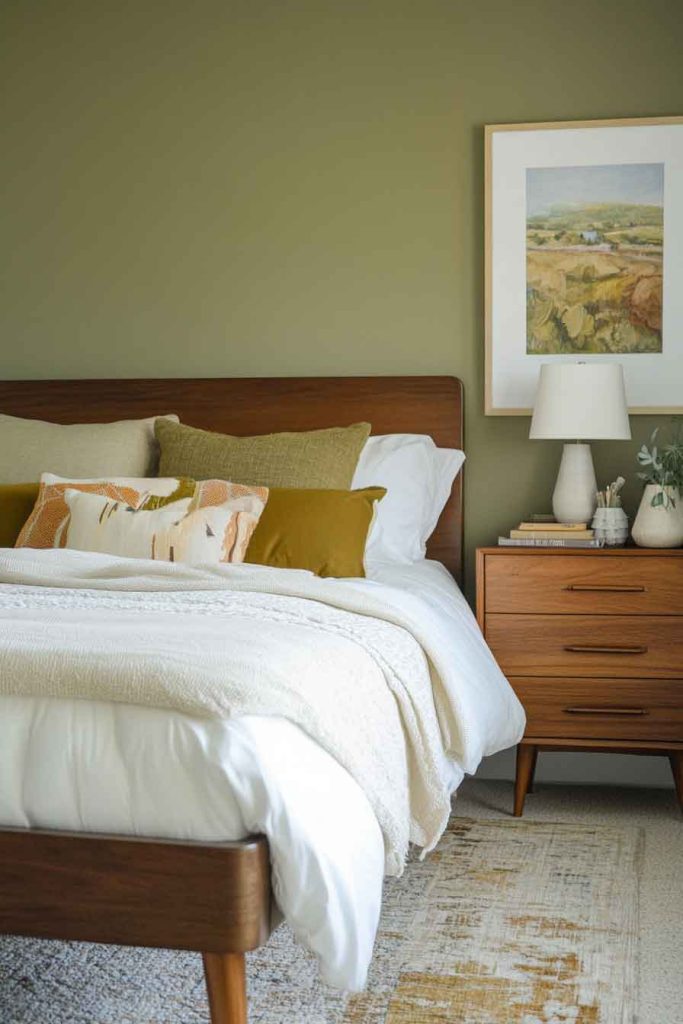
- Warm woods with white walls: This classic combination creates a bright, airy foundation that showcases beautiful wooden furniture and allows accent colors to pop.
- Olive green and mustard yellow: These earthy, warm tones epitomize midcentury color palettes and create a cozy, inviting atmosphere perfect for bedrooms.
- Teal and orange: This unexpected pairing captures the bold, experimental spirit of midcentury design while maintaining sophistication.
- Gray and wood tones: A more contemporary interpretation that pairs cool grays with warm woods for a balanced, calming effect.
12. Incorporate Organic Shapes
While geometric forms dominate midcentury design, organic curves provide essential balance. Look for furniture and accessories with gentle, flowing lines inspired by natural forms.
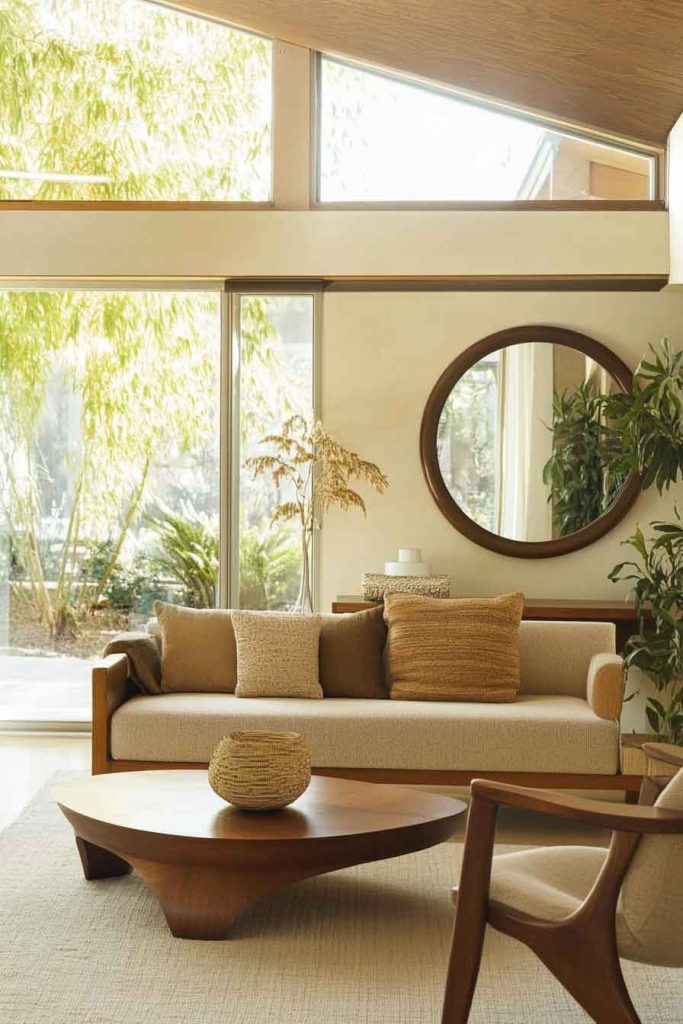
Oval mirrors, kidney-shaped side tables, and curvaceous lounge chairs soften angular elements and create visual harmony. These organic touches prevent spaces from feeling too rigid or mathematical.
13. Choose Low-Profile Furniture
Midcentury furniture typically sits lower to the ground than traditional pieces, creating a sense of openness and making ceilings appear higher. Platform beds, low dressers, and compact seating maintain sightlines and enhance spatial flow.
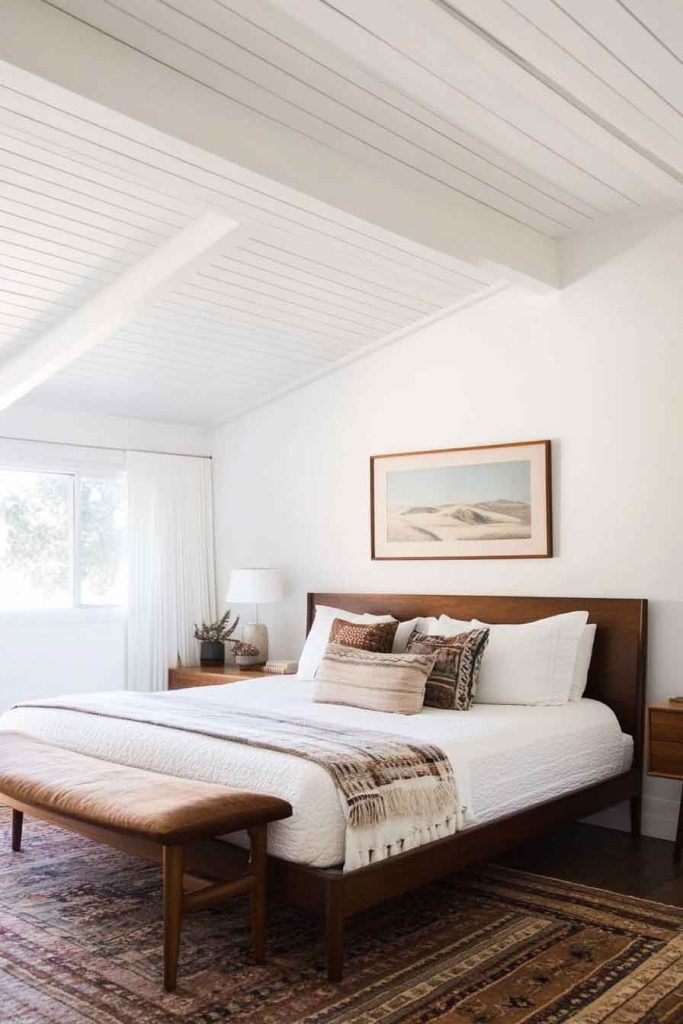
This low-slung approach contributes to the relaxed, casual feel that makes midcentury bedrooms so comfortable and inviting.
14. Vintage Finds and Authentic Pieces
Authentic vintage furniture and accessories bring genuine character and history to midcentury bedrooms. Scouring vintage shops, estate sales, and online marketplaces can yield treasures that add authenticity and soul.
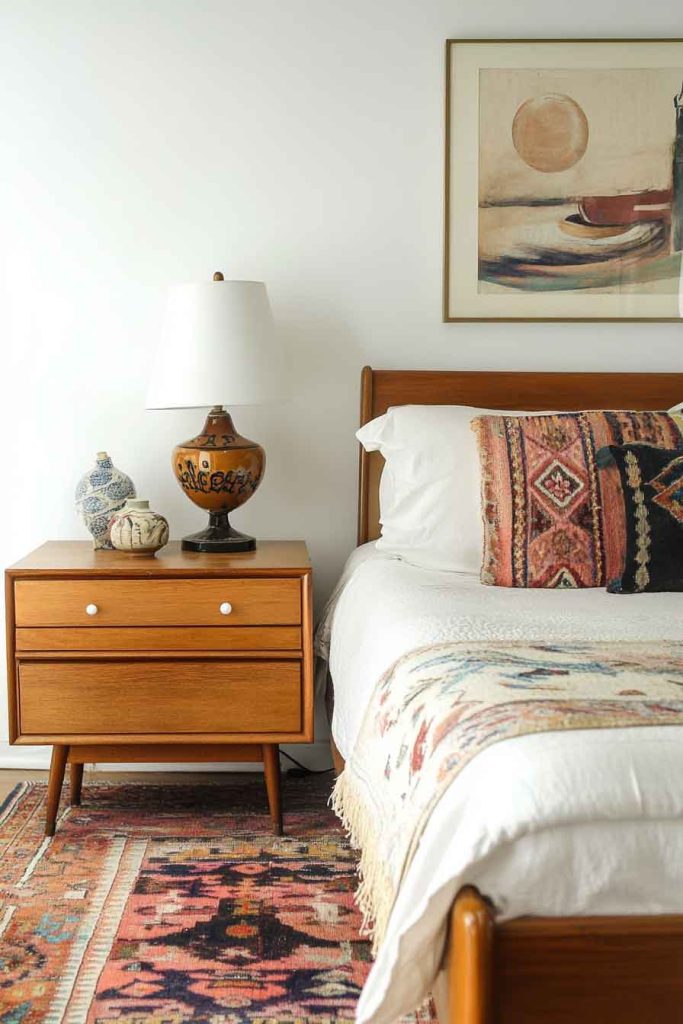
Look for pieces by iconic designers like Charles and Ray Eames, George Nelson, or Arne Jacobsen. Even smaller vintage accessories like ceramic lamps, wooden bowls, or abstract artwork enhance the room’s authenticity.
15. Tapered Legs
One of the most recognizable features of midcentury furniture is the tapered leg. These angled supports, often made from wood, give furniture a light, elevated appearance that seems to float above the floor.
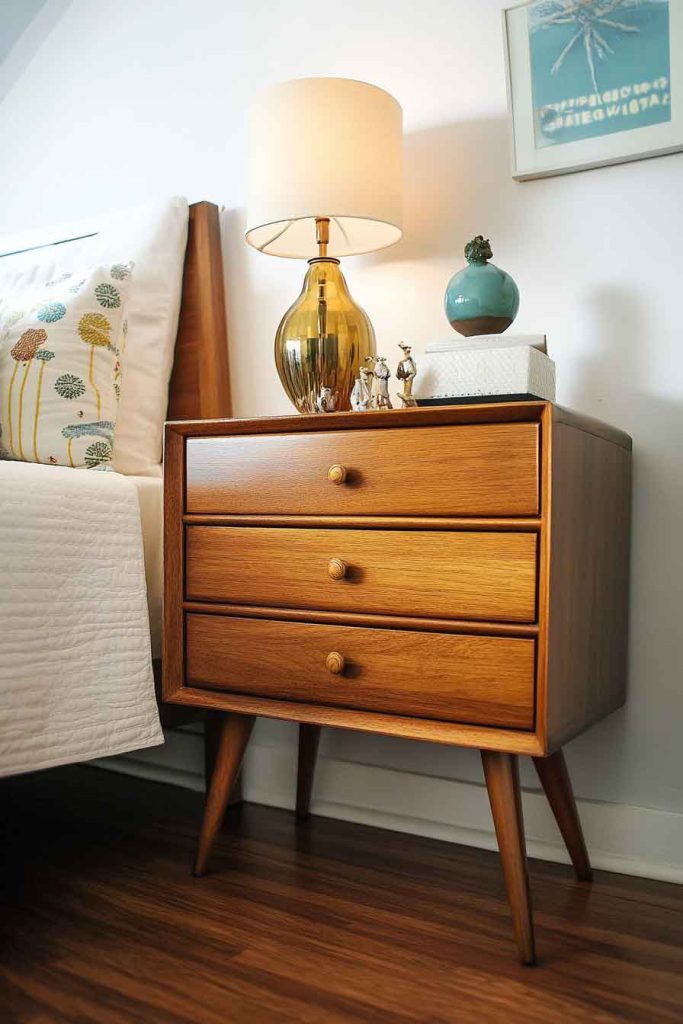
Whether on beds, dressers, nightstands, or chairs, tapered legs are a simple way to instantly communicate midcentury style and maintain the aesthetic’s characteristic airiness.
16. Minimal Window Treatments
Window treatments in midcentury bedrooms should be simple and functional, allowing natural light to flood the space. Avoid heavy drapes or elaborate valances in favor of clean, streamlined solutions.
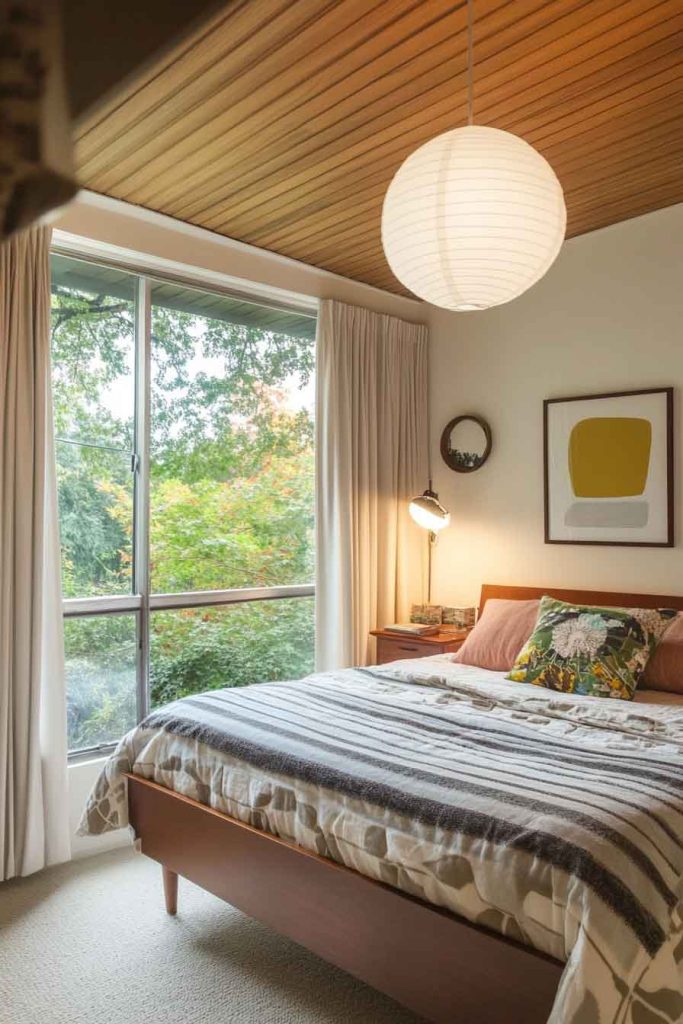
Consider simple curtain panels in solid colors or subtle geometric patterns, roller shades, or even leaving windows bare if privacy permits. The goal is to frame views and control light without adding visual clutter.
17. Abstract and Modern Art
Artwork from the midcentury period often featured abstract forms, bold colors, and experimental techniques. Incorporating similar pieces adds cultural context and visual interest to bedroom walls.
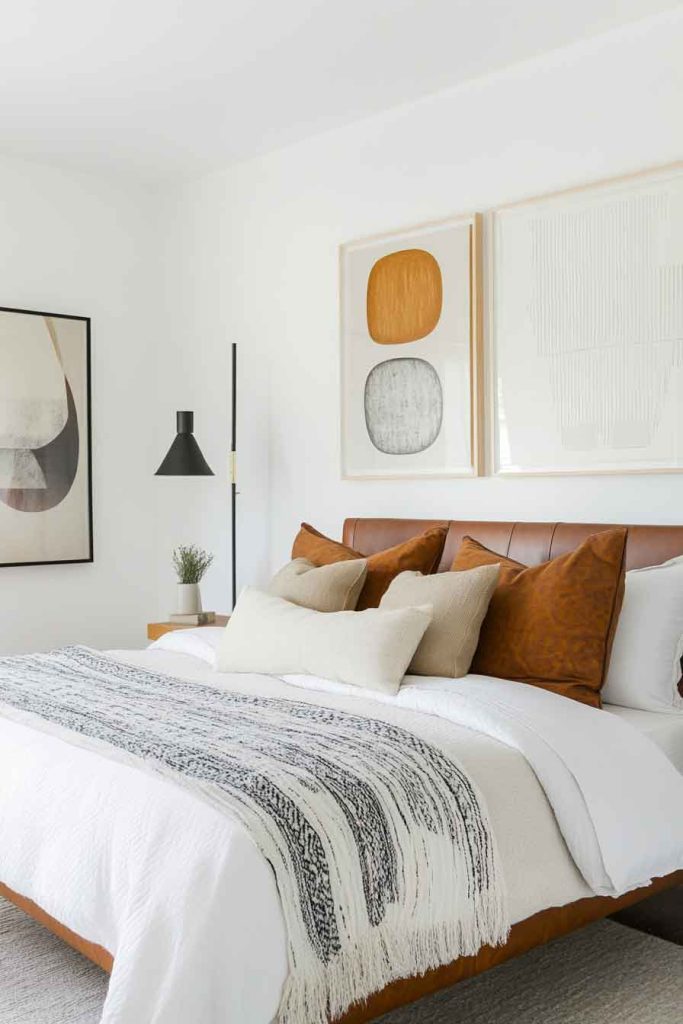
Look for prints or originals featuring abstract expressionism, color field painting, or graphic design from the era. Gallery walls with simple frames or single large-scale pieces both work beautifully.
18. Create a Midcentury Modern Bedroom on a Budget
Achieving midcentury style doesn’t require spending a fortune on vintage originals. Many contemporary retailers offer affordable reproductions and midcentury-inspired pieces that capture the aesthetic. Here are some budget-friendly strategies:
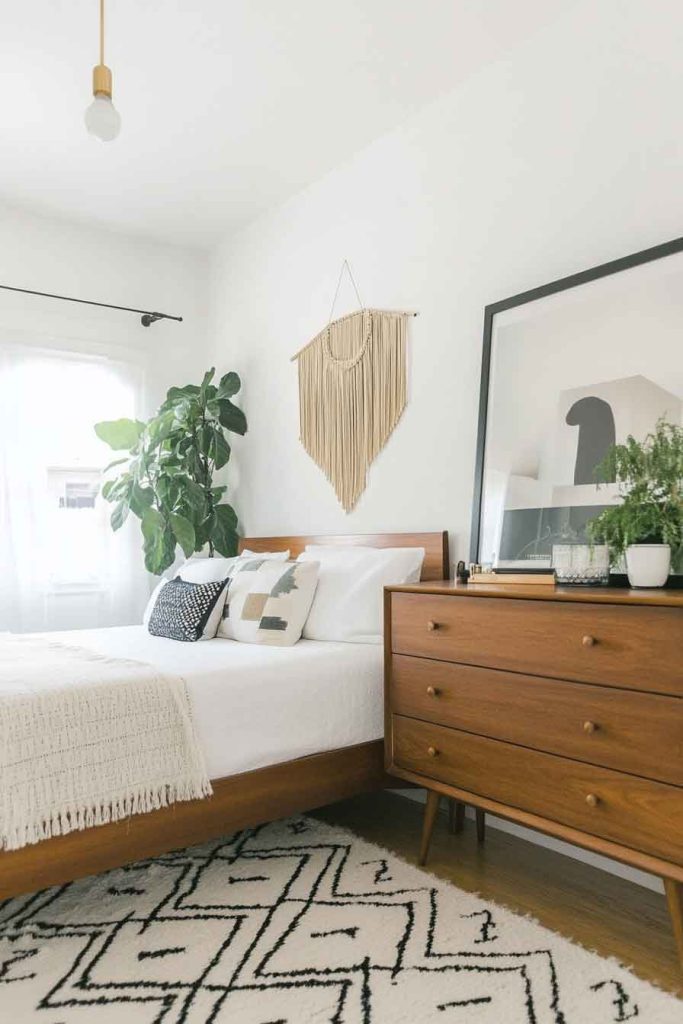
- Start with key pieces: Invest in one or two quality statement pieces like a platform bed or dresser, then build around them with more affordable accessories.
- DIY projects: Sand and refinish thrift store finds, add tapered legs to existing furniture, or create your own geometric artwork.
- Mix high and low: Pair affordable reproductions with carefully selected vintage accessories to achieve an authentic look without breaking the bank.
- Focus on color and pattern: Even budget-friendly bedding and throw pillows in midcentury colors and patterns can transform a space.
19. Brass and Metal Accents
Metal accents, particularly in brass, bronze, and brushed steel, add warmth and sophistication to midcentury bedrooms. These materials appear in lamp bases, drawer pulls, mirror frames, and decorative objects.
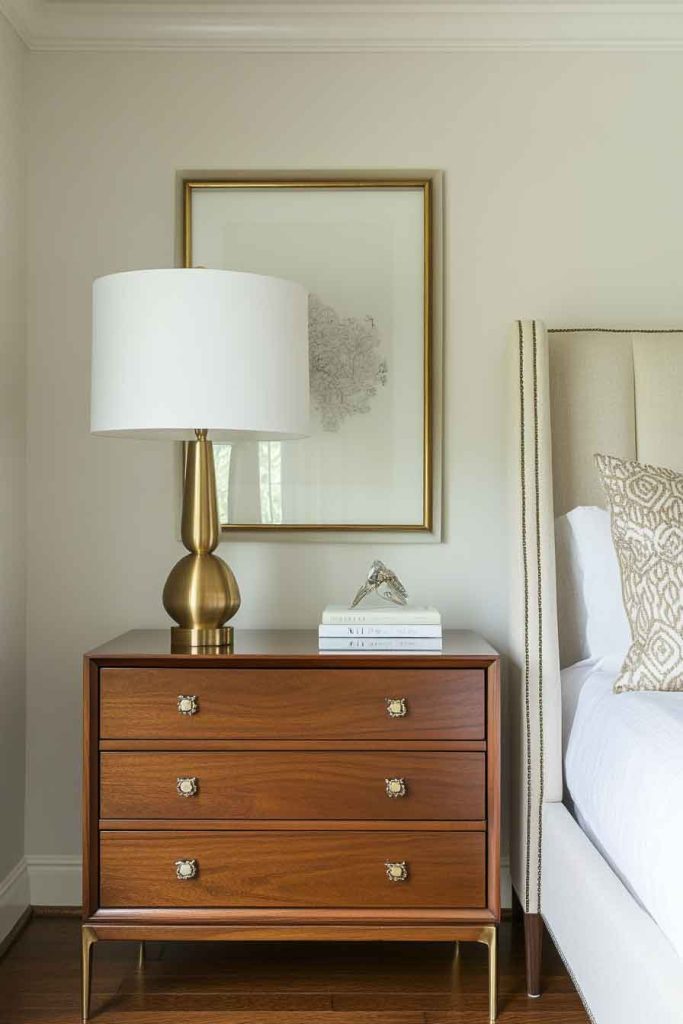
The warm glow of brass complements wood tones beautifully while adding a touch of glamour. Use metal accents sparingly as thoughtful punctuation rather than overwhelming the space.
20. Platform Bed Ideas
The platform bed is quintessentially midcentury, featuring a low profile, simple lines, and integrated support that eliminates the need for a box spring. These beds create a sleek, minimalist foundation for the entire bedroom.
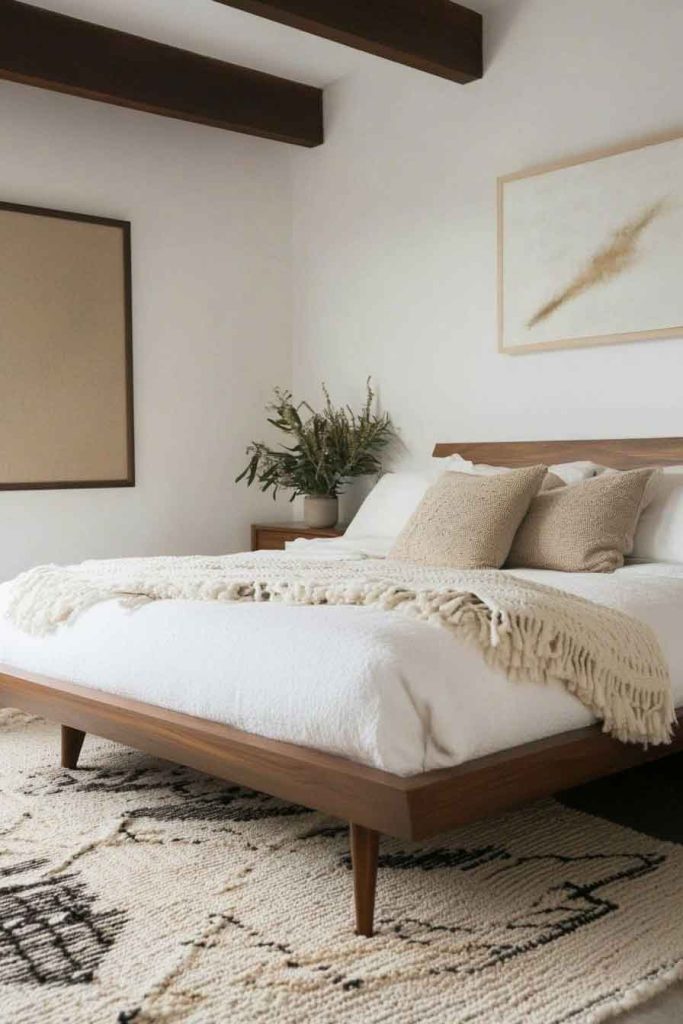
Look for platform beds with wooden frames, tapered legs, and minimal headboards. Some designs incorporate built-in nightstands or storage, embodying the era’s commitment to functional beauty.
21. Midcentury Nightstand Styling
Nightstands in midcentury bedrooms should be compact, functional, and stylish. Choose pieces with clean lines, one or two drawers, and the characteristic tapered legs.
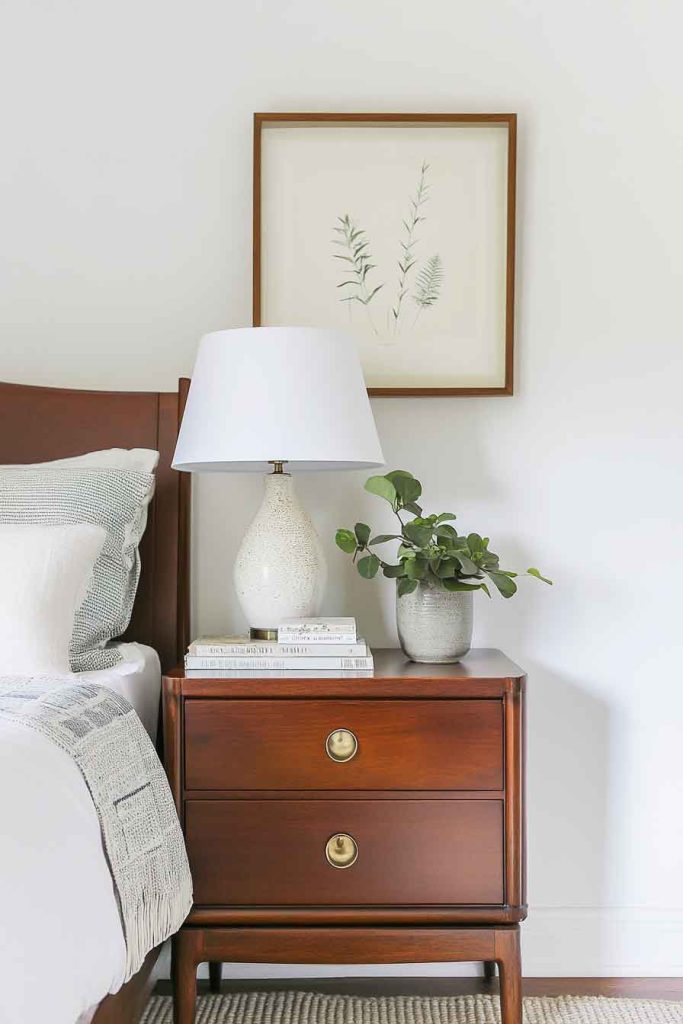
Style your nightstands simply with a statement lamp, a small plant or sculptural object, and perhaps a book or two. Avoid cluttering the surface to maintain the clean, organized aesthetic.
22. Area Rugs and Flooring
Area rugs in midcentury bedrooms often feature geometric patterns, abstract designs, or solid colors that complement the overall palette. Position a rug under the bed, extending beyond the sides and foot to define the sleeping area.
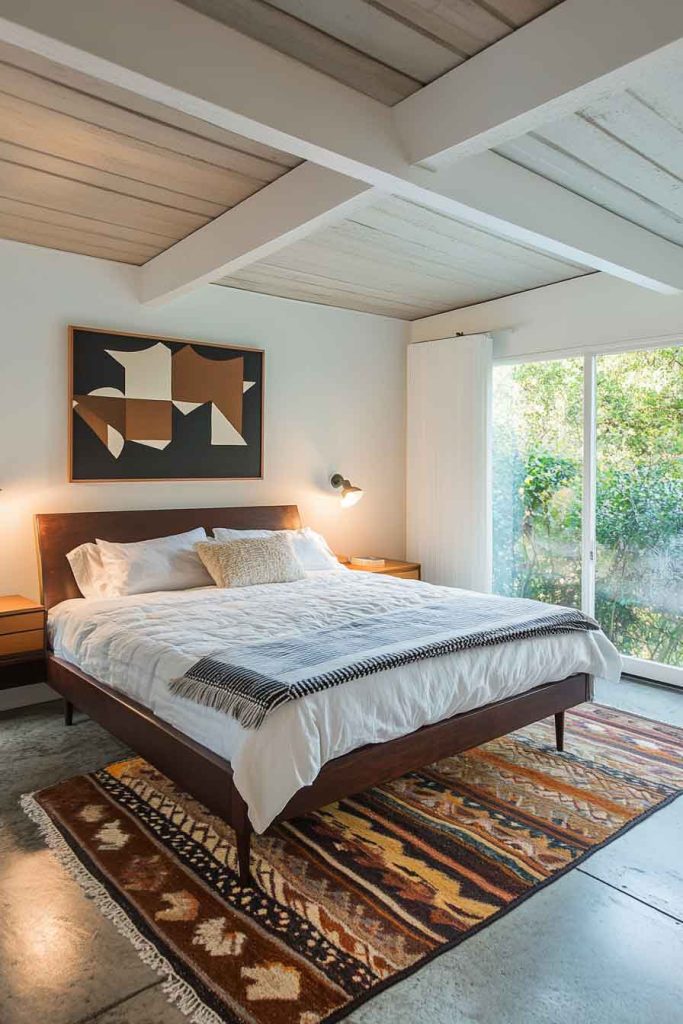
If you have the opportunity to address flooring, light to medium wood tones in oak or walnut are ideal. Alternatively, concrete or terrazzo flooring offers an authentic midcentury industrial feel.
23. Create a Reading Nook
Many midcentury bedrooms incorporated cozy reading corners with iconic lounge chairs like the Eames Lounge Chair or Womb Chair. Create your own reading nook with a comfortable midcentury-style chair, a floor lamp, and a small side table.
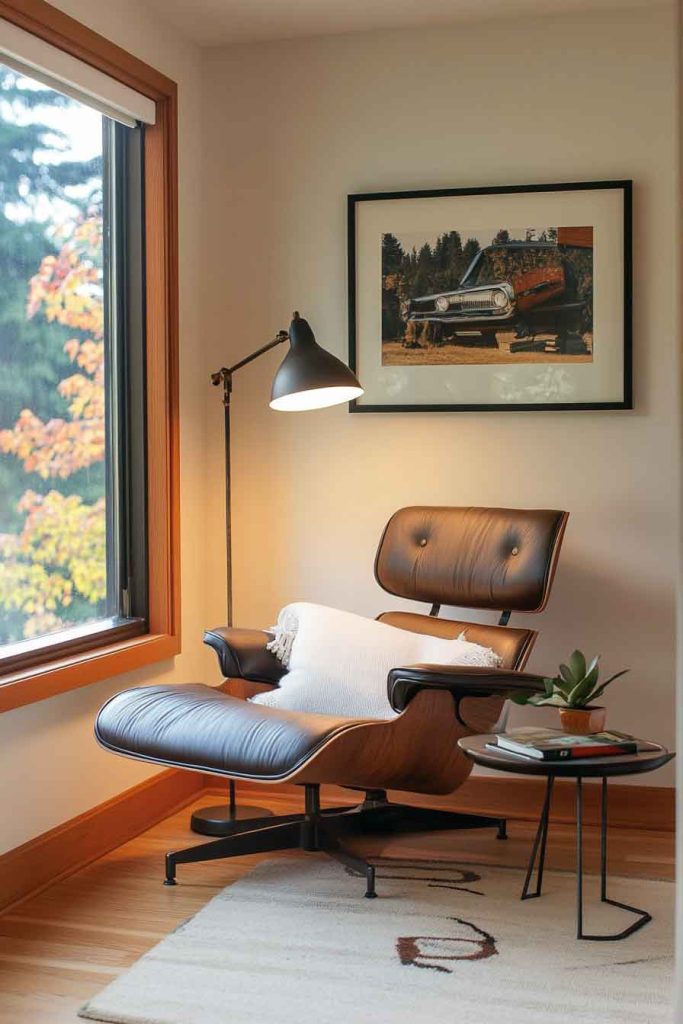
Position your reading area near a window to take advantage of natural light. Add a throw blanket and a few books to make the space inviting and functional.
24. Dresser and Storage Solutions
Midcentury dressers are characterized by clean horizontal lines, simple hardware, and beautiful wood grain. Long, low dressers with multiple drawers provide ample storage while maintaining a streamlined profile.
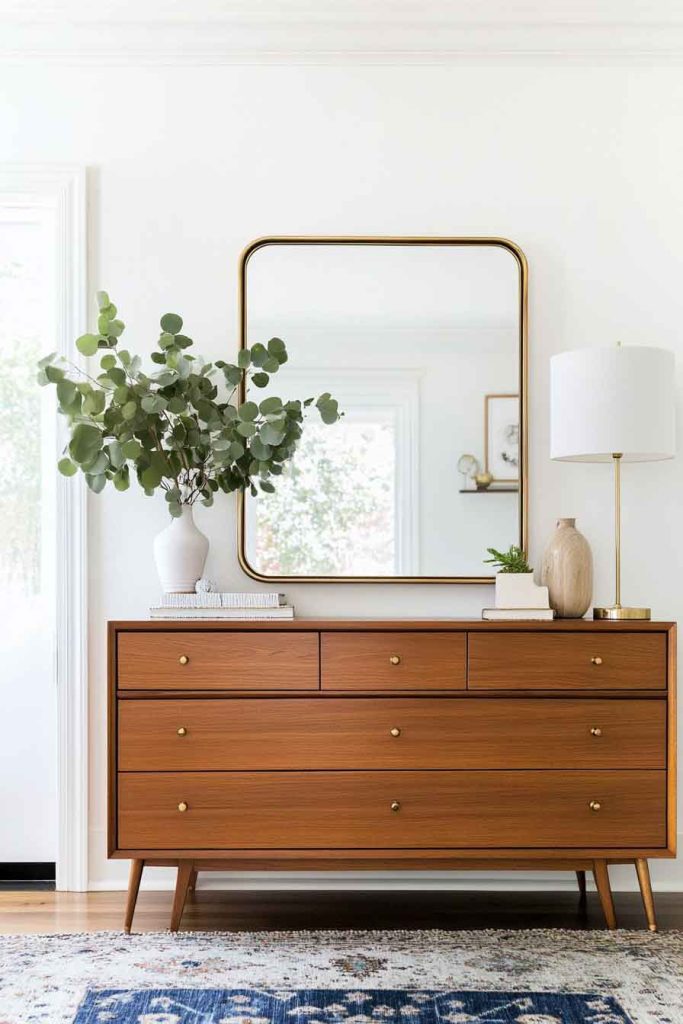
Look for pieces with interesting details like contrasting drawer fronts, geometric hardware, or unique wood combinations. Position a mirror above the dresser or lean a large mirror against the wall for a casual, modern look.
25. Wall Color Choices
Wall colors in midcentury bedrooms typically range from crisp white to warm neutrals, providing a calm backdrop for furniture and accents. However, accent walls in bold colors like deep teal, burnt orange, or olive green can add drama.
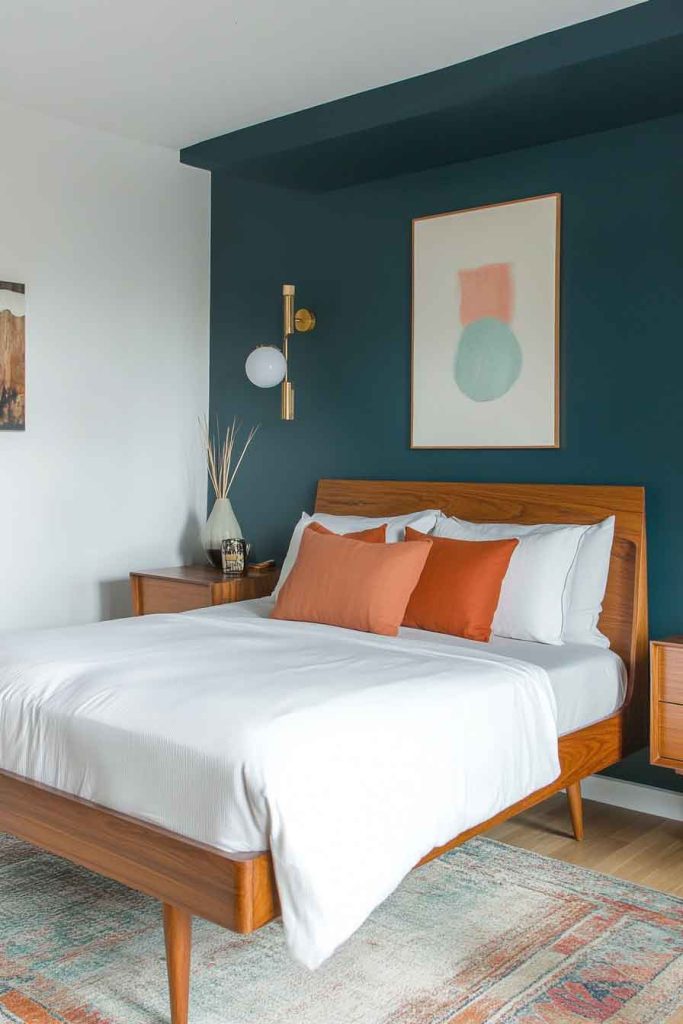
Consider the room’s natural light when selecting colors. Rooms with abundant light can handle darker or bolder colors, while spaces with limited light benefit from lighter, more reflective tones.
26. Headboard Ideas
Midcentury headboards range from minimal wooden slabs to upholstered panels with simple tufting or channeling. The key is avoiding ornate details or excessive height that would conflict with the style’s clean aesthetic.
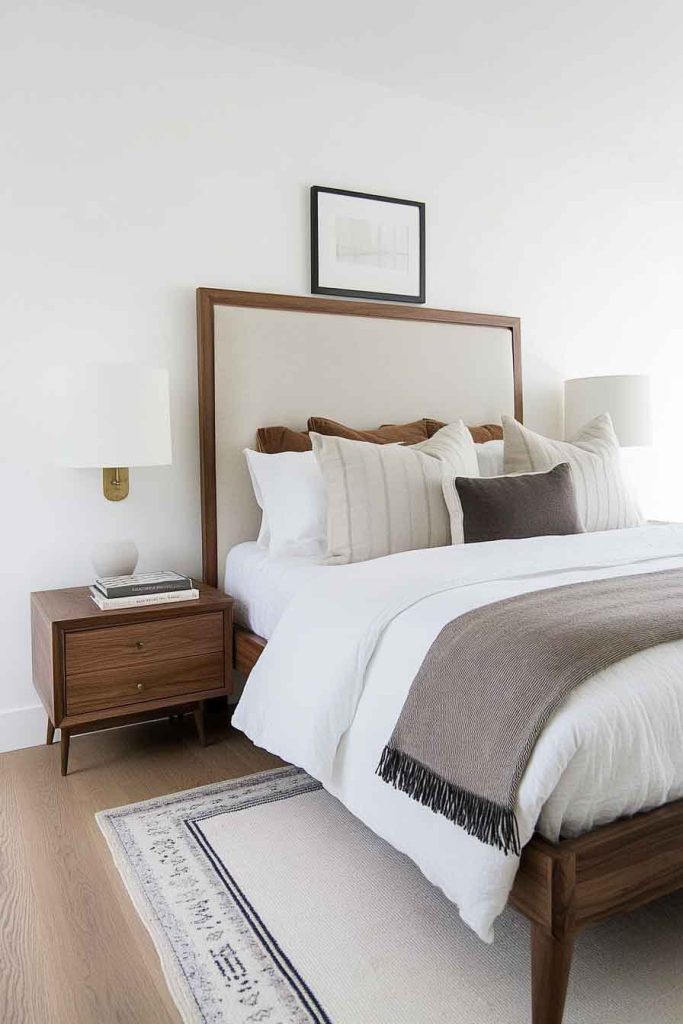
A simple wooden headboard with horizontal slats, a low upholstered panel in a solid color, or even forgoing a headboard entirely are all authentic midcentury approaches.
27. Incorporate House Plants
Bringing nature indoors was important to midcentury designers, and house plants remain an essential element. Snake plants, rubber plants, fiddle leaf figs, and pothos were period favorites that still work beautifully today.
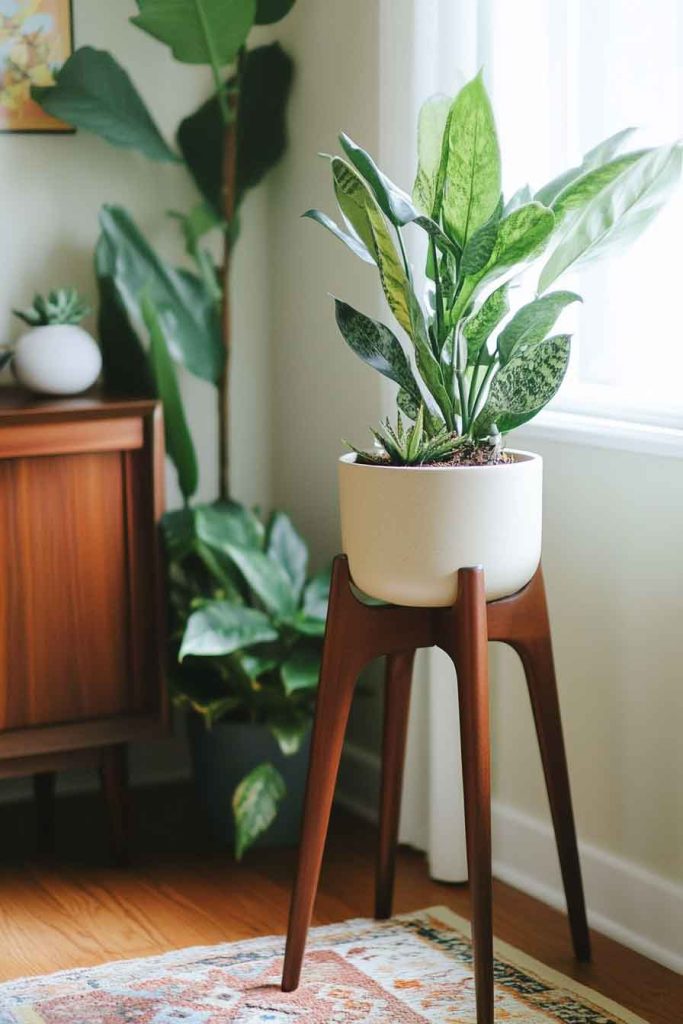
Display plants in simple ceramic or wooden planters, or use iconic midcentury plant stands to elevate greenery and create visual interest at varying heights throughout the room.
28. Mirrors as Decorative Elements
Mirrors in midcentury bedrooms serve both functional and decorative purposes. Look for mirrors with wooden frames, sunburst designs, or simple geometric shapes that reflect the era’s aesthetic.
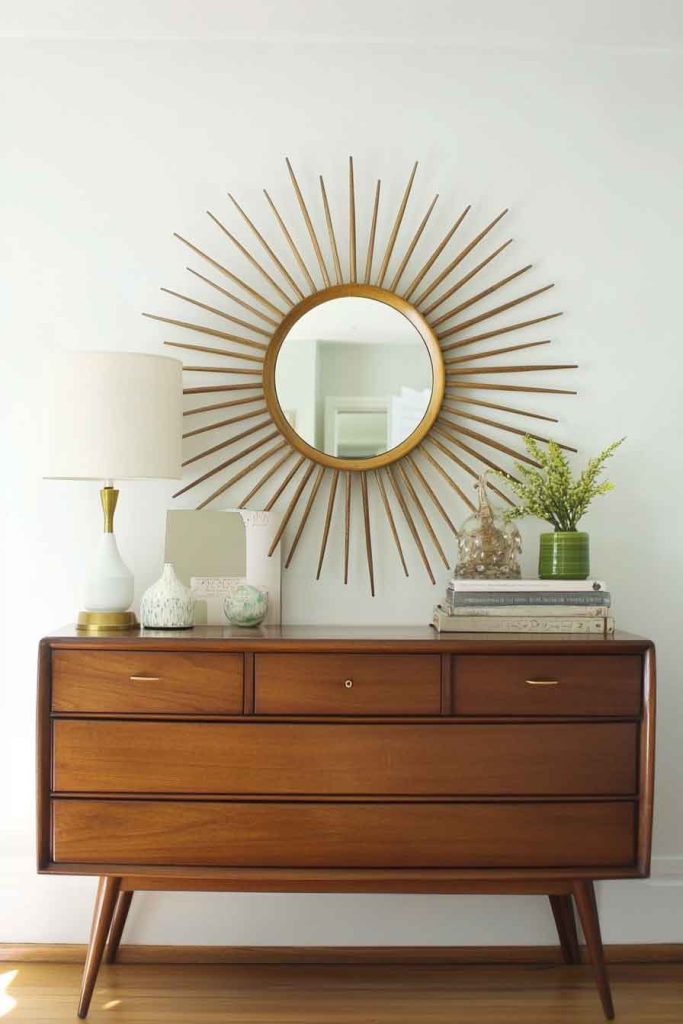
Position mirrors to reflect natural light and make spaces feel larger. A large round or oval mirror above a dresser or leaning against a wall creates an instant focal point.
29. Bedding and Textile Choices
Bedding should be simple and sophisticated, allowing the bed frame and overall room design to shine. Solid colors in white, gray, or warm neutrals provide a clean foundation, while subtle geometric patterns add interest.
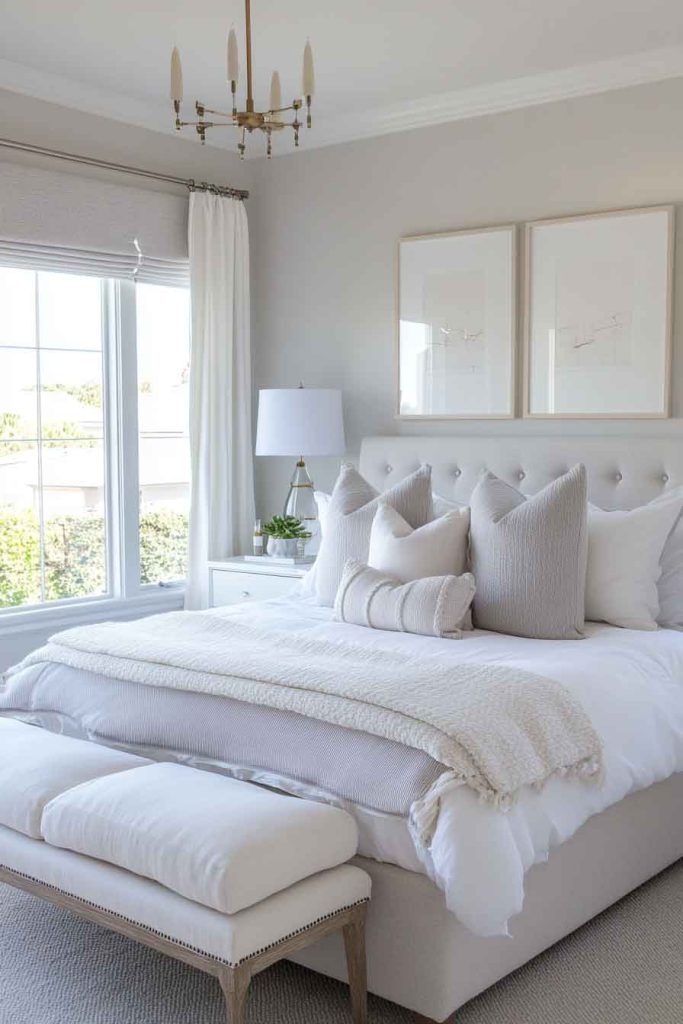
Layer textures with linen or cotton sheets, a lightweight blanket or coverlet, and a few well-chosen throw pillows. Avoid excessive pillows or overly decorative bedding that would conflict with the minimalist aesthetic.
30. Closet and Storage Organization
Keeping clutter at bay is essential in midcentury bedrooms where clean lines and open space are paramount. Invest in closet organization systems that maximize storage and keep belongings out of sight.
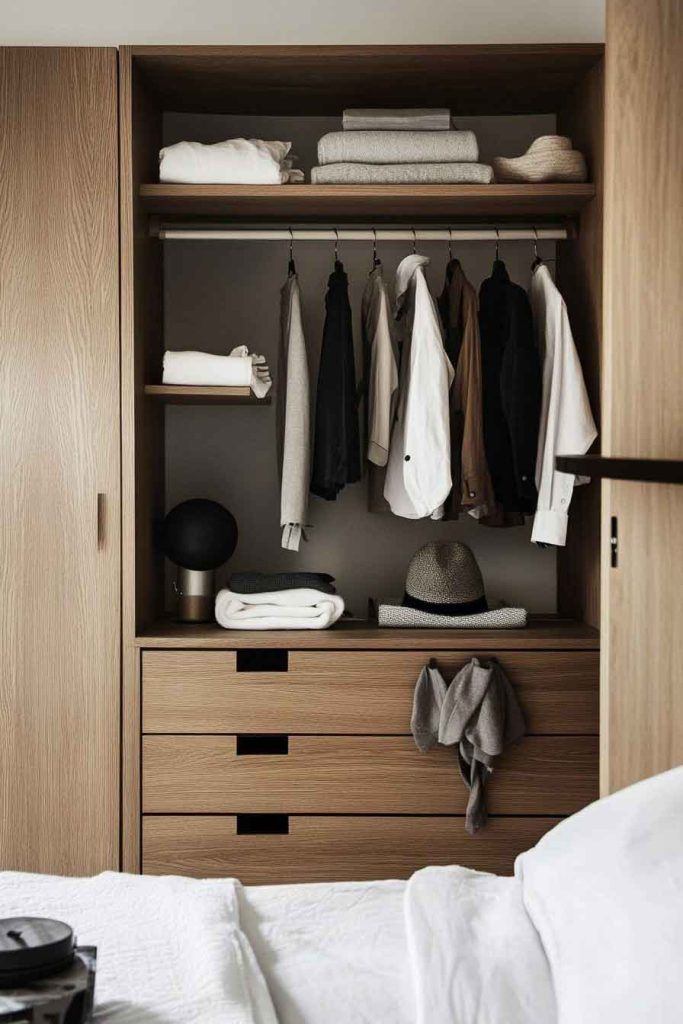
If you have open storage, use it thoughtfully with neatly arranged books, decorative objects, or folded textiles in natural materials. Everything should have its place and contribute to the room’s overall aesthetic.
31. Lighting Layers
Successful midcentury bedrooms incorporate multiple lighting layers including ambient, task, and accent lighting. A statement ceiling fixture provides overall illumination, while bedside lamps offer reading light and table or floor lamps create ambiance.
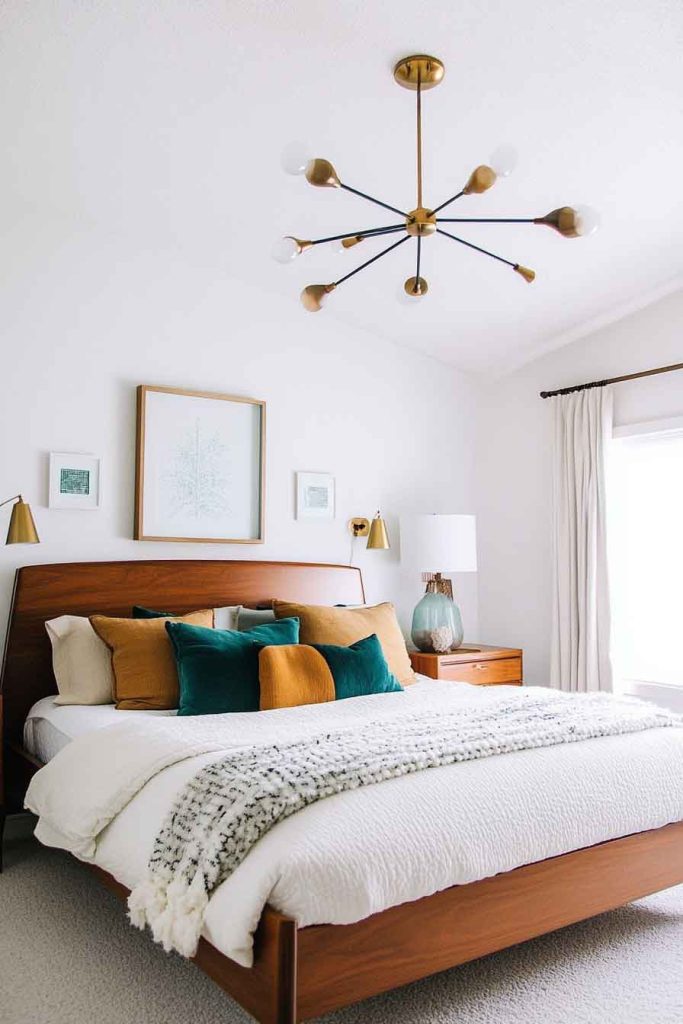
Choose fixtures with authentic midcentury designs or contemporary pieces that honor the era’s aesthetic. Adjustable arc lamps, tripod floor lamps, and ceramic table lamps all work beautifully.
32. Best Places to Shop for Midcentury Decor
If you’re ready to furnish your midcentury bedroom, there are excellent resources for both vintage originals and quality reproductions. Here are some of the best places to shop:
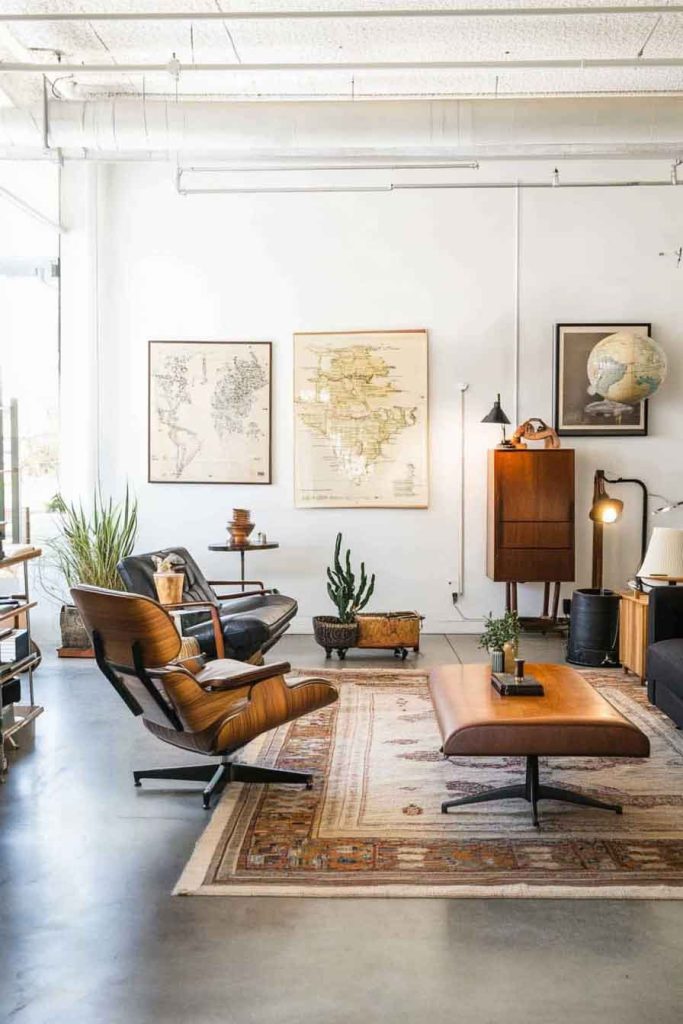
- Vintage and antique shops: Local vintage stores often carry authentic midcentury furniture and accessories at various price points.
- Online marketplaces: Sites like Chairish, 1stDibs, and Etsy offer curated selections of vintage midcentury pieces from sellers worldwide.
- Contemporary retailers: Stores like West Elm, Article, and Room & Board offer midcentury-inspired furniture with modern construction and warranties.
- Estate sales and auctions: These can be treasure troves for authentic pieces, often at prices below retail vintage shops.
Conclusion
Creating a midcentury modern bedroom offers the opportunity to design a space that is both timeless and personal. Whether you choose authentic vintage pieces or contemporary interpretations, the key is staying true to the style’s core principles of simplicity, functionality, and honest design.
To complete your midcentury bedroom, focus on quality over quantity, embrace clean lines and organic forms, and allow each piece to contribute meaningfully to the overall design. Layer warm wood tones with thoughtful pops of color, incorporate natural materials and house plants, and maintain the sense of openness that makes midcentury spaces so appealing.
With careful attention to these elements, you’ll create a bedroom that honors the innovative spirit of midcentury design while providing a peaceful, stylish retreat perfectly suited to modern living.