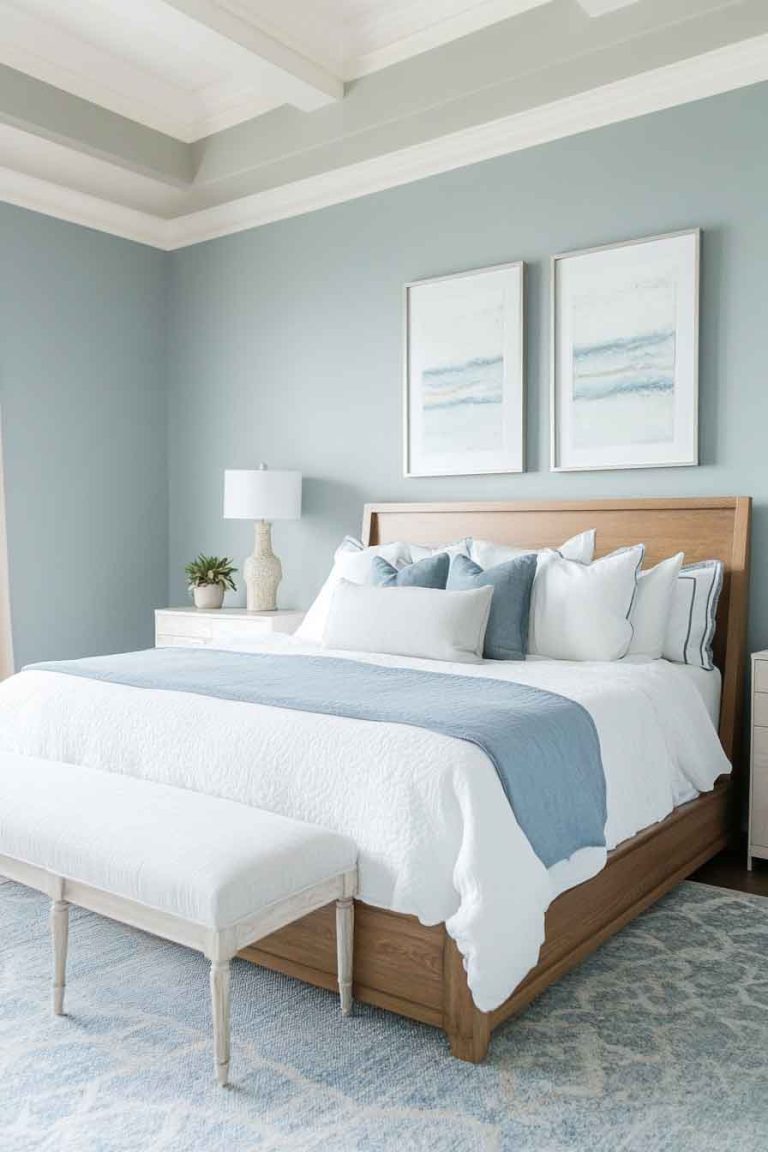
30 Relaxing Bedroom Ideas

Do you want to transform your bedroom into a peaceful sanctuary where you can truly unwind? Look no further than these relaxing bedroom ideas! Creating a calming bedroom environment has become more important than ever in our busy, stressful world, and it’s easier to achieve than you might think.
With its focus on soothing colors, comfortable textures, and clutter-free spaces, a relaxing bedroom offers the perfect retreat from daily pressures. In this article, we’ll explore simple and creative ways to turn your bedroom into a tranquil haven, whether you’re redesigning completely or just adding some peaceful touches to your current space.
There are many reasons why people choose to create a relaxing bedroom. One of the main reasons is that it promotes better sleep quality and overall wellbeing. Soft colors, natural materials, and comfortable bedding give the space a calm and peaceful feel that helps you rest properly.
Additionally, a relaxing bedroom emphasizes simplicity and comfort, making your personal space feel more like a spa retreat. Whether you prefer a minimalist approach or a cozy, layered look, there are endless possibilities for customization.
Relaxing bedroom design typically incorporates soft color palettes such as blues, greens, and neutrals, with minimal clutter and plenty of comfortable textiles. This style is known for its calming effect, making it a popular choice for those who value quality sleep and mental peace.
What is Relaxing Bedroom Design?
A relaxing bedroom is a style of interior design focused on creating a peaceful, stress-free environment that promotes rest and rejuvenation. It is characterized by soft colors, comfortable textures, minimal clutter, and thoughtful lighting.
The relaxing bedroom aesthetic is calm, soothing, and inviting, often incorporating elements like natural materials, soft fabrics, and gentle lighting. Relaxing bedroom design is all about creating a personal retreat from the outside world.
Regardless of your home’s size or style, almost any bedroom can be transformed into a relaxing space. The key details matter with this approach, and it works best when elements create a sense of peace, comfort, and tranquility.
Simple is beautiful, and keeping things uncluttered is ideal. Think soft bedding, gentle lighting, calming wall colors, natural materials, and removing anything that creates visual noise or stress.
Elements of Relaxing Bedroom Design
1. A Calming Color Palette
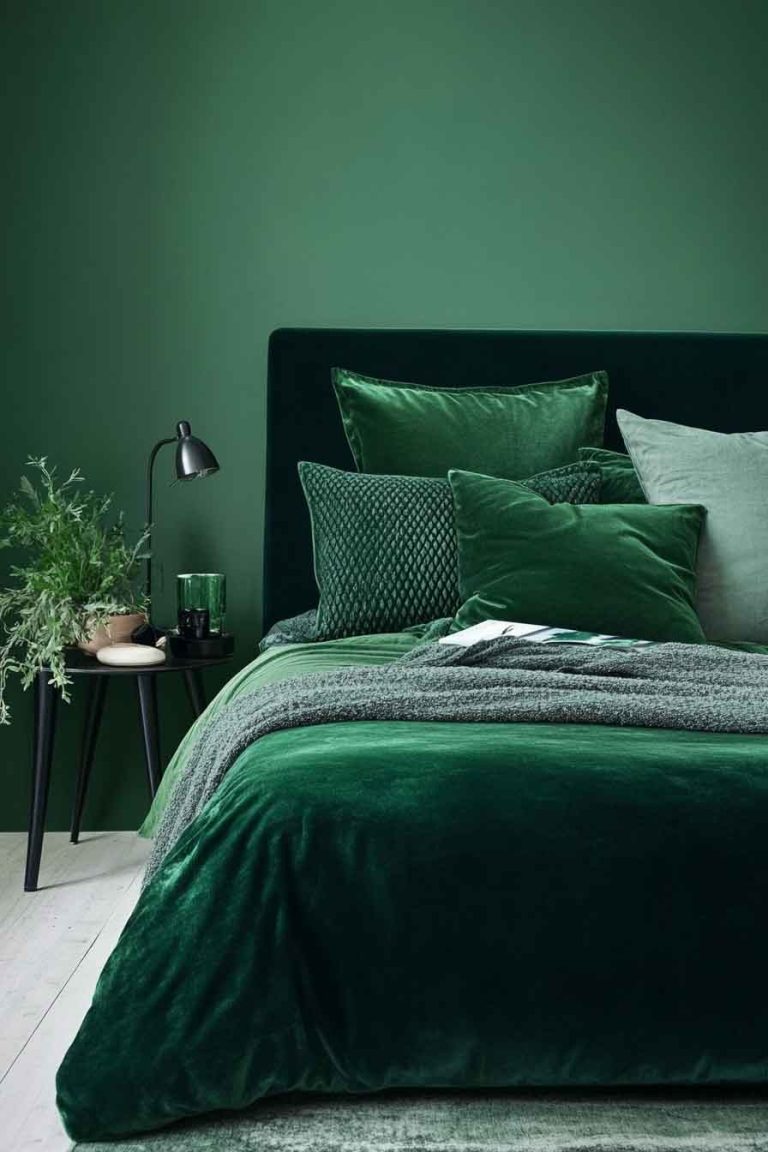
There’s a good reason many interior designers choose soft, calming colors for bedrooms: they create the perfect environment for rest and relaxation. Colors like soft blues, gentle greens, warm neutrals, and pale lavenders naturally promote feelings of calm.
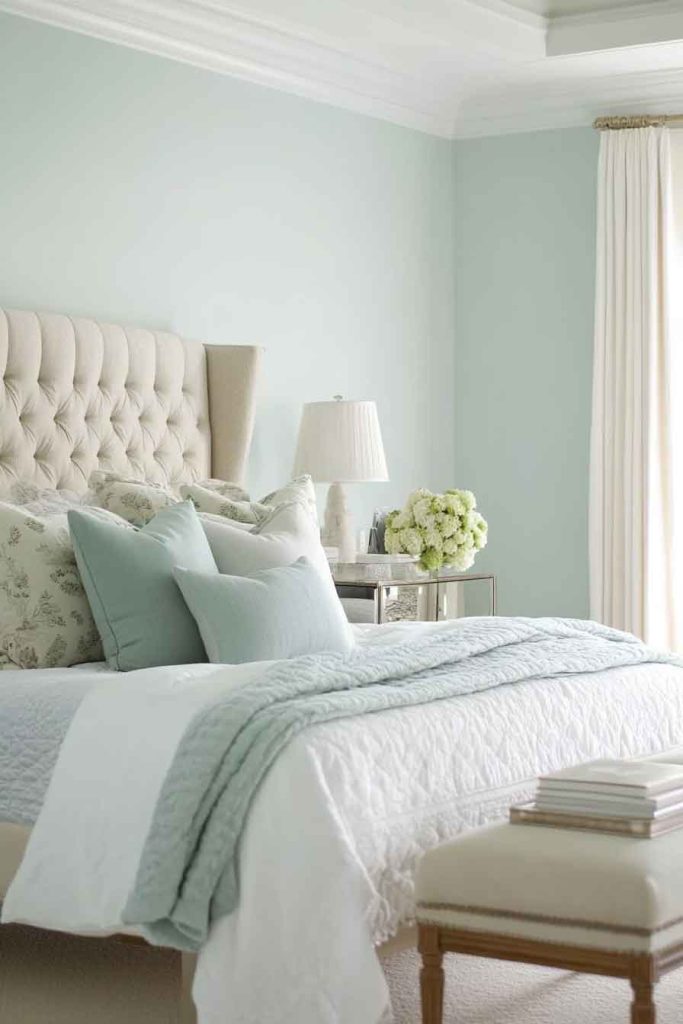
Cool tones help lower stress levels and promote better sleep. A blend of soothing colors makes for a peaceful base that encourages relaxation. Layer up varying shades of whites, soft grays, gentle blues, and warm beiges to create a serene atmosphere. Use accent colors sparingly, choosing muted tones like dusty rose, sage green, or soft terracotta to maintain the calm overall look.
2. Comfortable Bedding
The foundation of any relaxing bedroom is a comfortable bed with high-quality bedding. Invest in soft sheets with a high thread count, a supportive mattress, and pillows that suit your sleeping style.

Natural materials like cotton, linen, and bamboo work wonderfully for bedding because they breathe well and feel gentle against your skin. Layer your bed with cozy blankets, quilts, and throws in soft textures that invite you to relax. The bed should look and feel like a cloud you can’t wait to sink into.
3. Natural Materials
The use of natural materials is vital when designing a relaxing bedroom. It’s essential to include wood in combination with cotton, linen, wool, and other organic fibers.
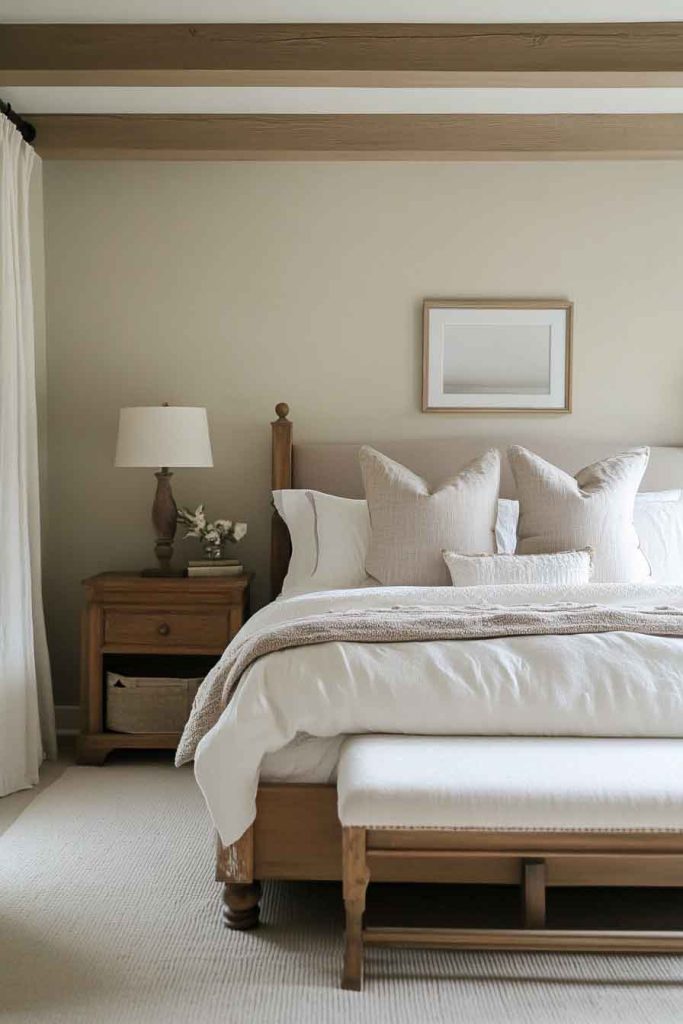
Mixing materials such as soft cotton sheets with a chunky wool throw adds comfort and visual interest. Natural woods like oak, maple, and walnut in furniture pieces bring warmth and a connection to nature. These materials create a grounding effect that helps you feel more relaxed and at peace.
4. Declutter and Organize
A cluttered space creates a cluttered mind. One of the most important elements of a relaxing bedroom is keeping it free from mess and unnecessary items. Clear surfaces, organized closets, and hidden storage create visual calm.

Remove items that don’t belong in the bedroom, like work materials, exercise equipment, or piles of laundry. Keep only what you need and love. Use attractive storage solutions like woven baskets, decorative boxes, and furniture with built-in storage to keep things tidy without sacrificing style.
5. Embrace Soft Lighting
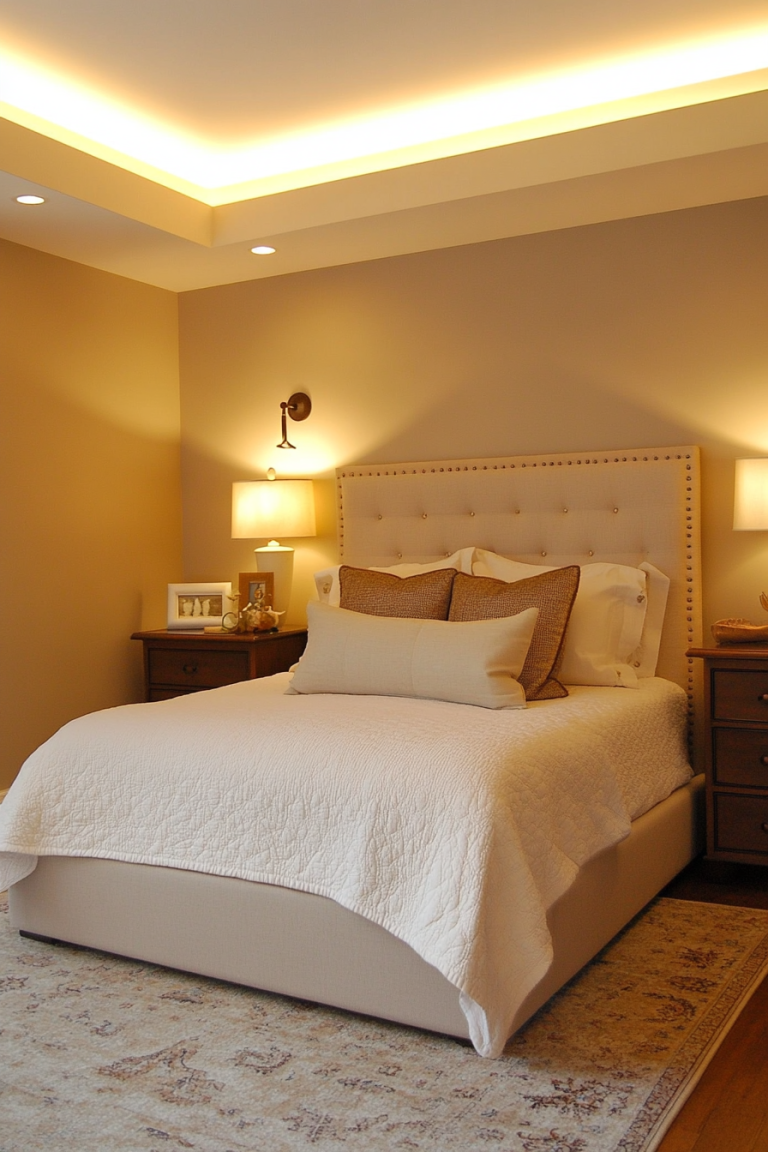
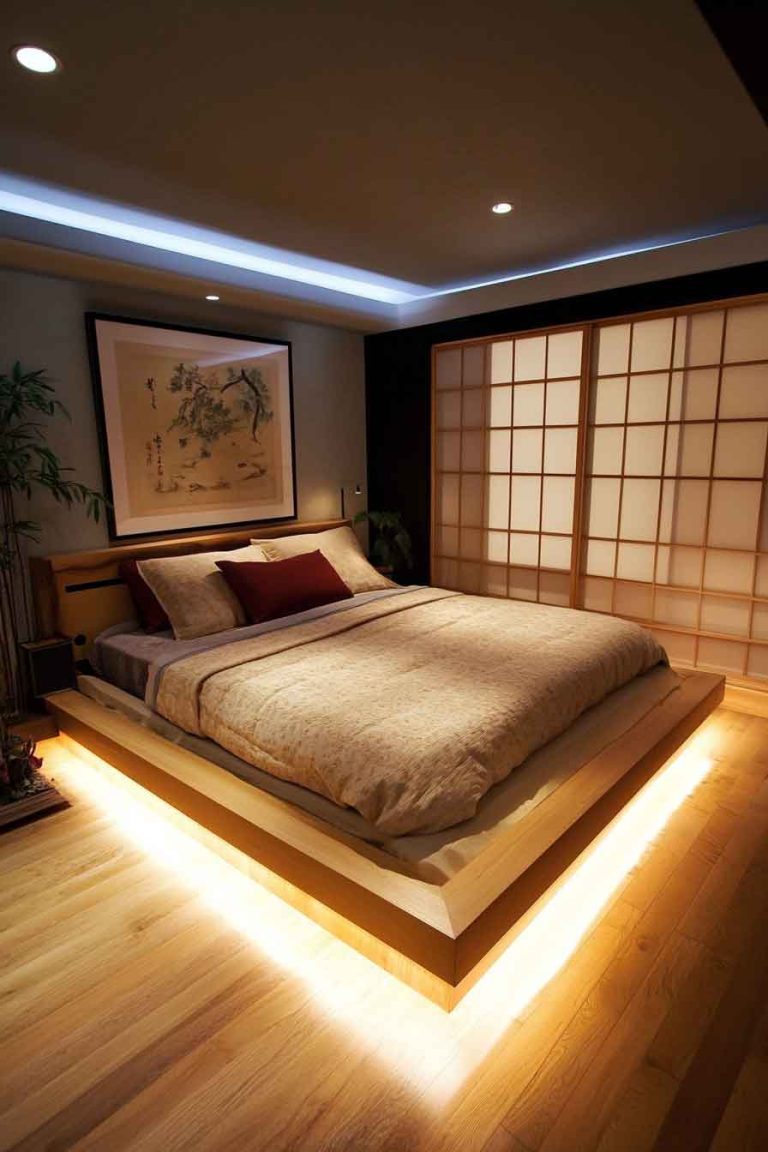
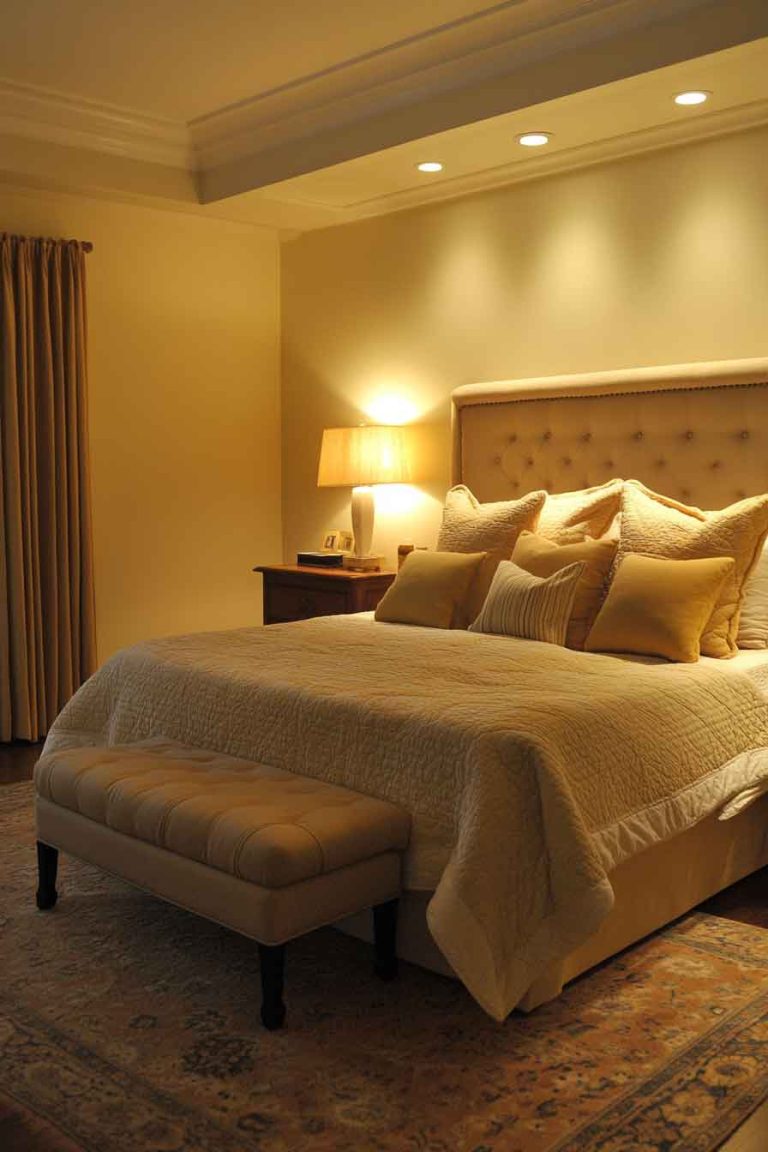
Harsh overhead lighting can be jarring and stressful. A relaxing bedroom needs multiple light sources at different levels to create a warm, peaceful ambiance.

Use bedside lamps with soft, warm bulbs for reading and winding down. Add dimmer switches to overhead lights so you can adjust the brightness. Consider string lights, candles, or a Himalayan salt lamp for a gentle glow. Natural light is wonderful during the day, but make sure you have blackout curtains or shades for quality sleep at night.
6. Incorporate Blackout Options
Quality sleep depends on darkness. Installing blackout curtains, blinds, or shades helps block outside light and creates the ideal sleeping environment.

These window treatments also help with temperature control and reduce outside noise. Choose curtains in soft, neutral colors that complement your overall design. The ability to create complete darkness when needed is essential for deep, restorative rest.
7. Keep Technology Out
One of the best things you can do for a relaxing bedroom is to remove or minimize technology. Television screens, computers, and even phones emit blue light that disrupts sleep patterns and keeps your mind active.

Create a charging station outside the bedroom for your devices. Use a traditional alarm clock instead of your phone. If you must keep technology in the room, hide it in cabinets or drawers when not in use. This creates a clear boundary between your active, connected life and your peaceful sleep sanctuary.
8. Add Greenery and Nature
Bringing natural elements into your bedroom creates an instant calming effect. Indoor plants not only look beautiful but also purify the air and create a connection to nature.
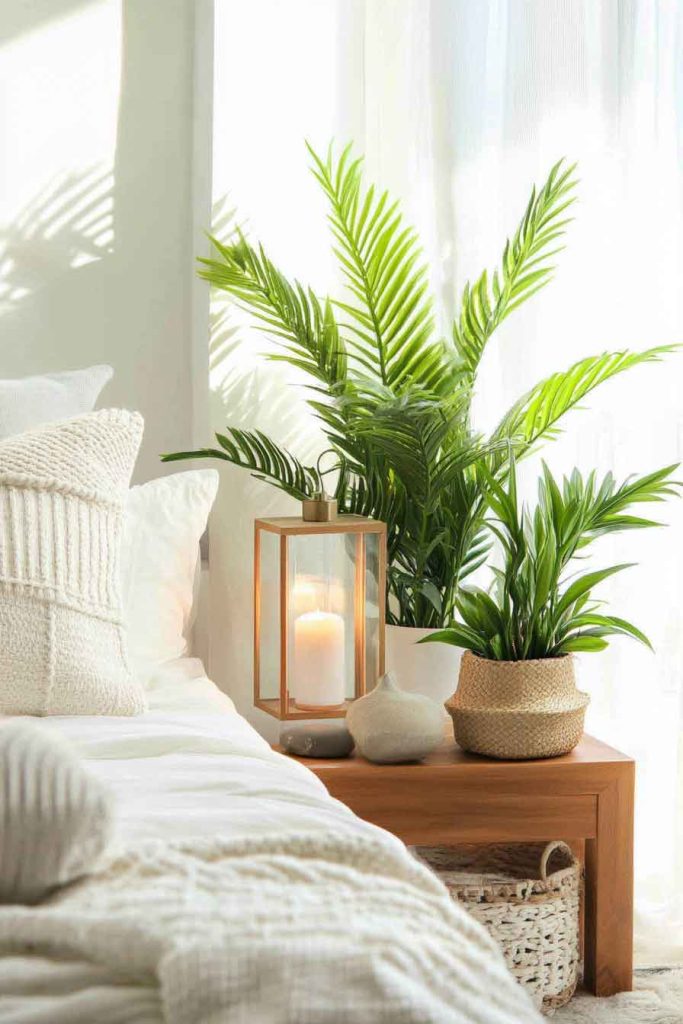
Choose low-maintenance plants like snake plants, pothos, or peace lilies that thrive indoors and require minimal care. Even a small succulent on your nightstand can make a difference. Fresh flowers in a simple vase add beauty and a gentle natural fragrance. Natural materials like driftwood, stones, or seashells also bring the outdoors in.
9. Create Texture Through Soft Textiles
Layering soft textures throughout your bedroom creates a cozy, inviting atmosphere. The more comfortable and pleasant the textures, the more relaxing the space feels.

Add plush area rugs beside the bed so your feet land on something soft. Use velvet or linen throw pillows in various sizes. Drape a chunky knit blanket at the foot of the bed. Hang flowing curtains in natural fabrics. These tactile elements make the room feel warm and welcoming.
10. Choose Simple Furniture
The furniture in a relaxing bedroom should be functional, comfortable, and not overwhelming. Stick to essential pieces and avoid overcrowding the space.
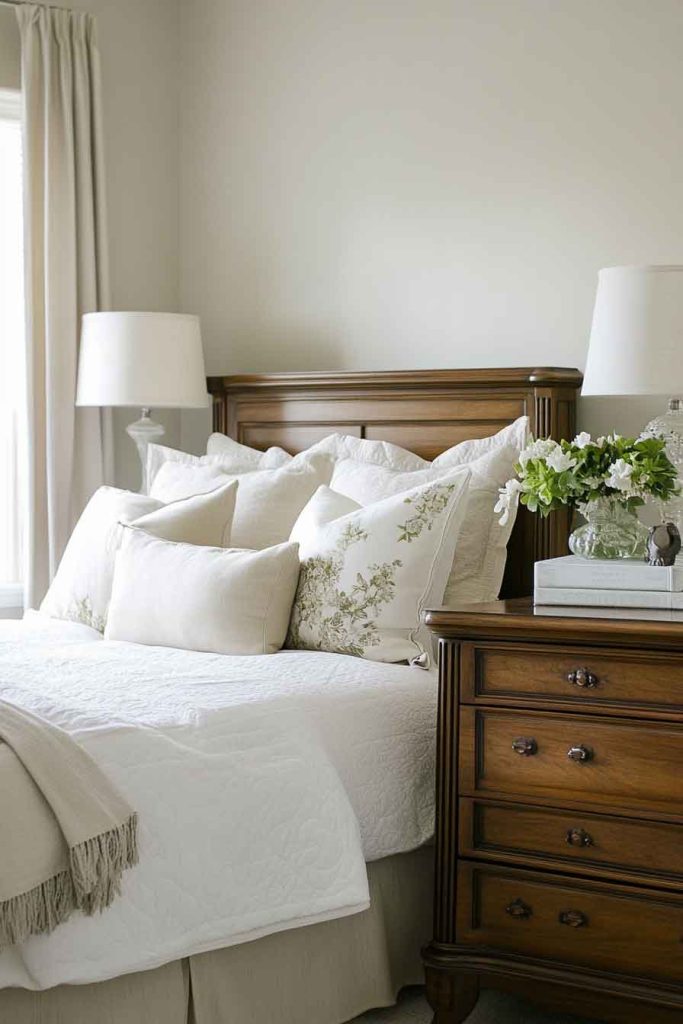
A comfortable bed, nightstands, and a dresser are usually sufficient. Choose furniture with clean lines and in natural wood tones or soft painted finishes. Avoid bulky, dark, or ornate pieces that make the room feel heavy. Less is more when creating a peaceful environment.
11. Create a Reading Nook
If space allows, dedicate a small corner to reading and quiet relaxation. A comfortable chair or chaise lounge with good lighting and a small side table creates the perfect spot to unwind.
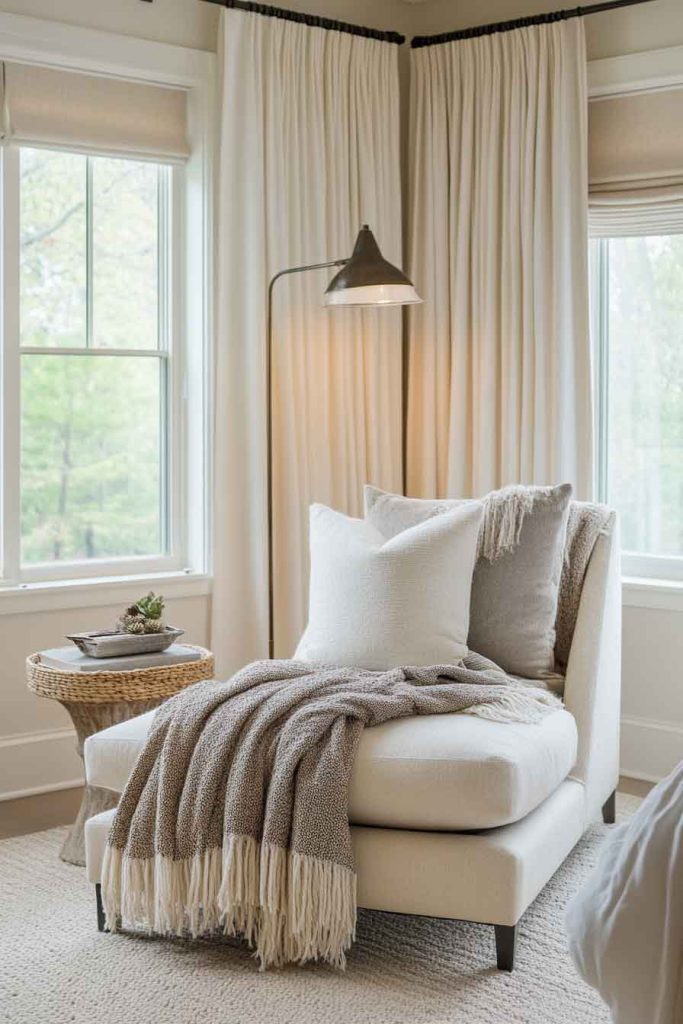
Add a soft throw blanket and a few pillows to make it extra cozy. Keep a small bookshelf or basket nearby for your current reads. This special area gives you another place in the bedroom to relax besides the bed.
12. Use Aromatherapy
Scent has a powerful effect on mood and relaxation. Incorporating calming scents into your bedroom can significantly improve your ability to unwind and sleep well.

Use essential oil diffusers with lavender, chamomile, or bergamot for their calming properties. Light natural soy or beeswax candles with gentle scents. Keep linen sprays with relaxing fragrances to mist on your pillows before bed. Just be careful not to use scents that are too strong or overwhelming.
13. Install Ceiling Fans
A ceiling fan serves multiple purposes in creating a relaxing bedroom. It circulates air for better comfort, creates gentle white noise that can aid sleep, and can replace harsh overhead lighting with a softer alternative.
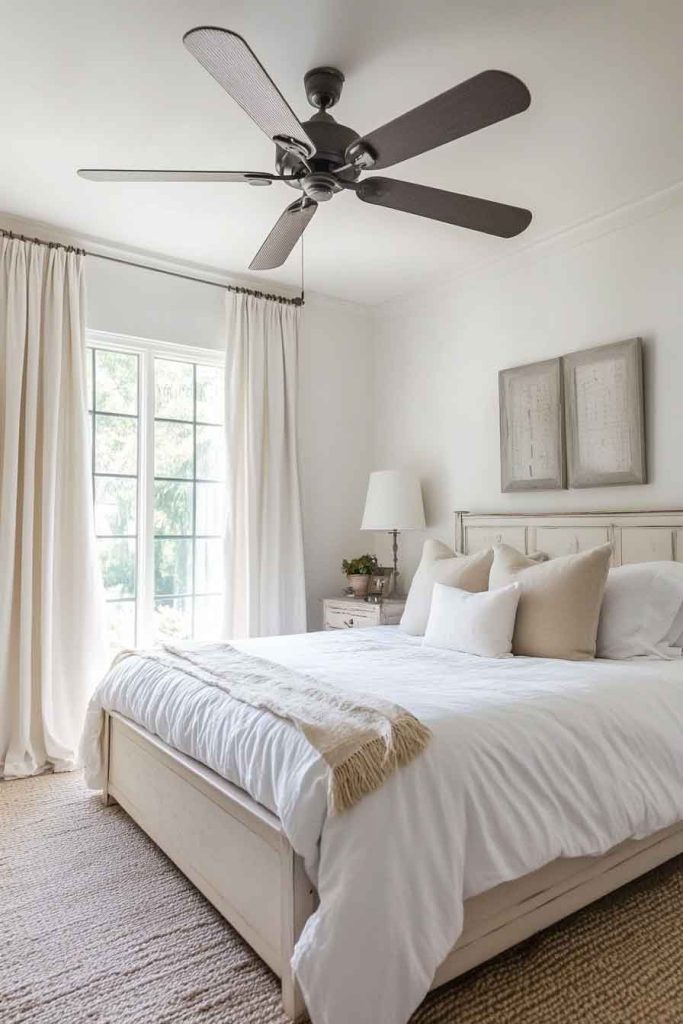
Choose a fan with a light dimming feature and quiet motor. The gentle movement of air and subtle sound can be very soothing. In warmer months, it keeps you cool without the dry air that air conditioning creates.
14. Soft Window Treatments
Window treatments do more than control light—they soften the room’s appearance and add warmth. Choose curtains or shades in natural fabrics and calming colors.
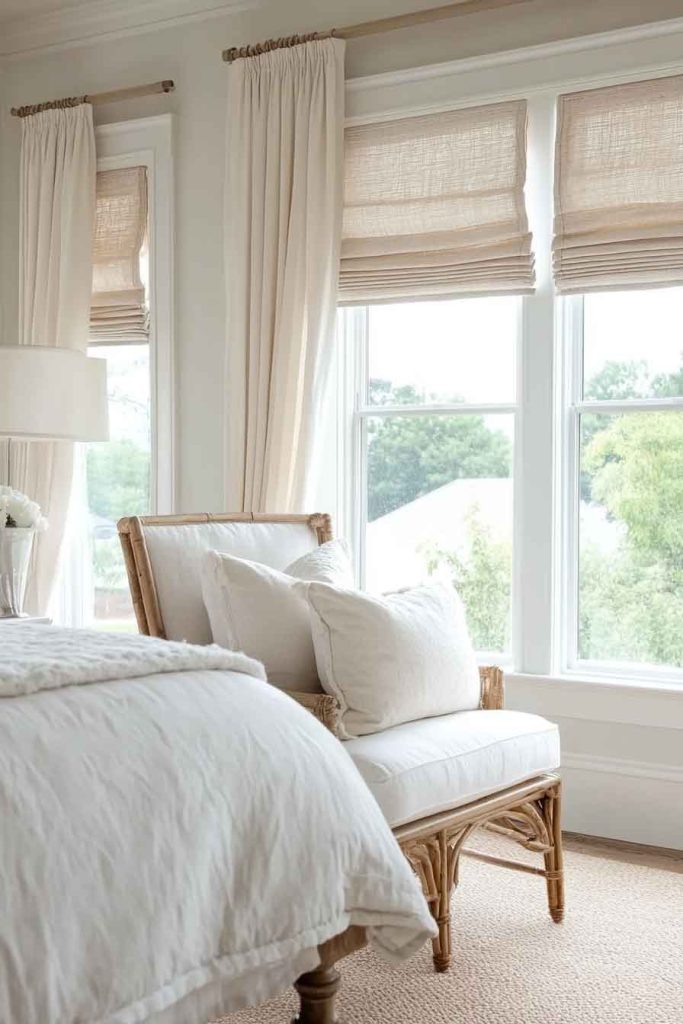
Floor-length curtains in linen or cotton add elegance and softness. Roman shades in neutral tones provide a clean, tailored look. Sheer curtains can filter natural light beautifully during the day while maintaining privacy. Avoid busy patterns or bright colors that might feel energizing rather than calming.
15. Minimize Patterns
While patterns can add interest, too many competing designs create visual chaos. In a relaxing bedroom, stick to minimal patterns or solid colors.
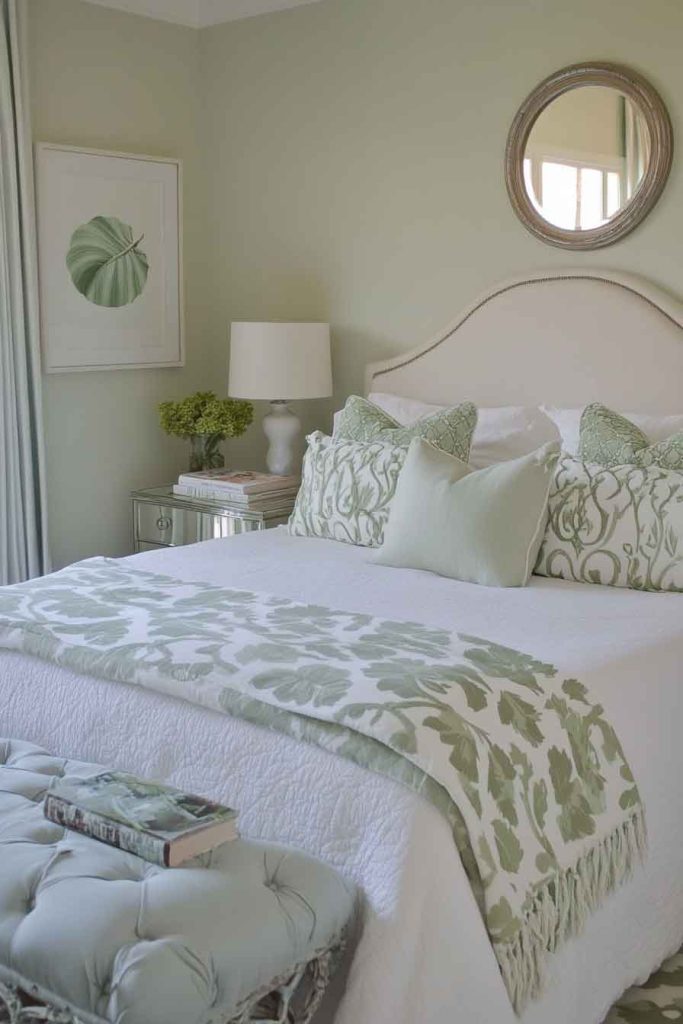
If you love patterns, choose one or two subtle designs and keep them in the same color family. A simple stripe, a gentle geometric, or a soft floral in muted tones works well. The rest of the room should feature solid colors to balance the visual weight.
16. Create Symmetry
Symmetry naturally creates a sense of calm and order. Arranging furniture and decor symmetrically helps the room feel balanced and peaceful.
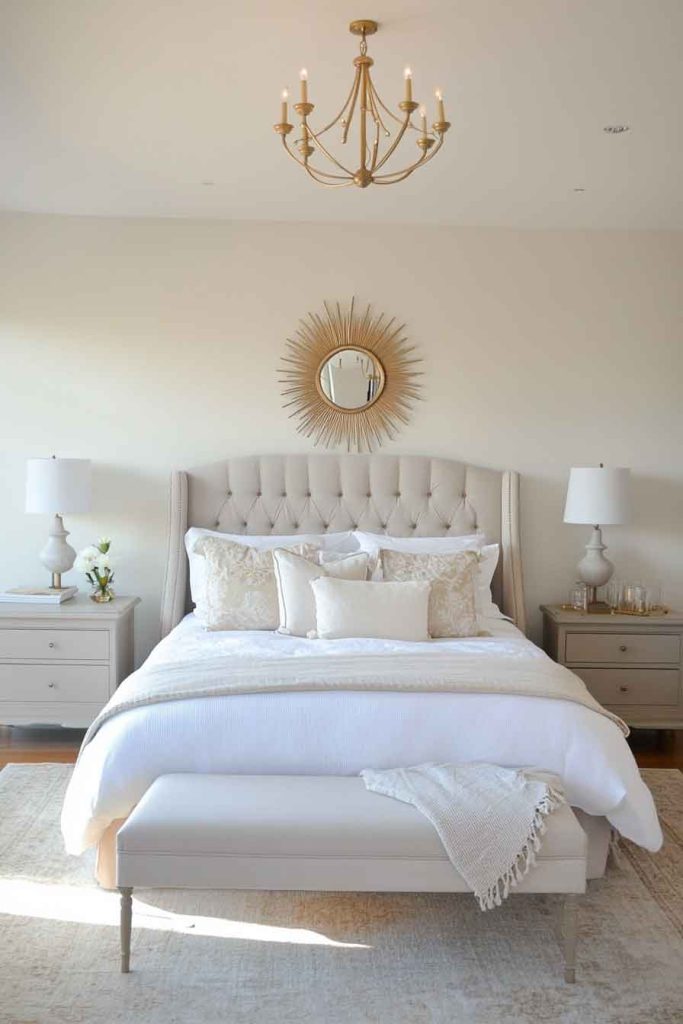
Place matching nightstands on either side of the bed with matching lamps. Hang artwork or mirrors centered over the bed or dresser. This balanced approach is pleasing to the eye and creates harmony in the space.
17. Choose Quality Over Quantity
When decorating a relaxing bedroom, resist the urge to fill every surface and wall. Instead, choose fewer, higher-quality pieces that you truly love.
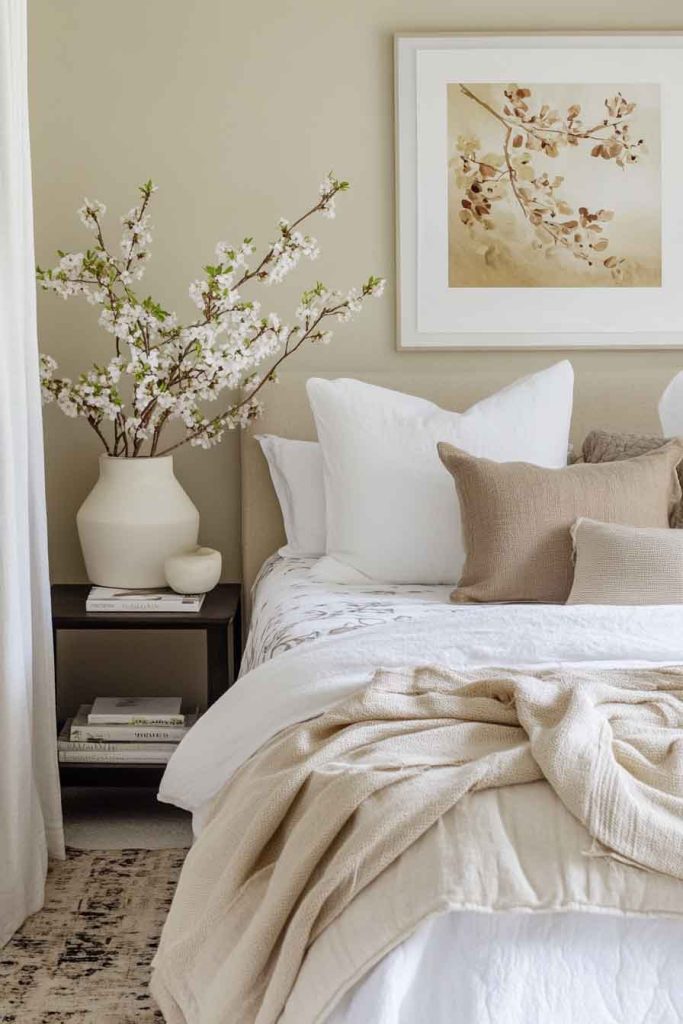
One beautiful piece of artwork is better than several mediocre prints. A single special vase is more impactful than a cluster of trinkets. This approach keeps the room feeling open and peaceful while ensuring that what you do include is meaningful.
18. Incorporate a Bench or Ottoman
Adding a bench at the foot of the bed or an ottoman in a corner provides extra seating and functionality. It’s a practical place to sit while putting on shoes or to lay out clothes for the next day.
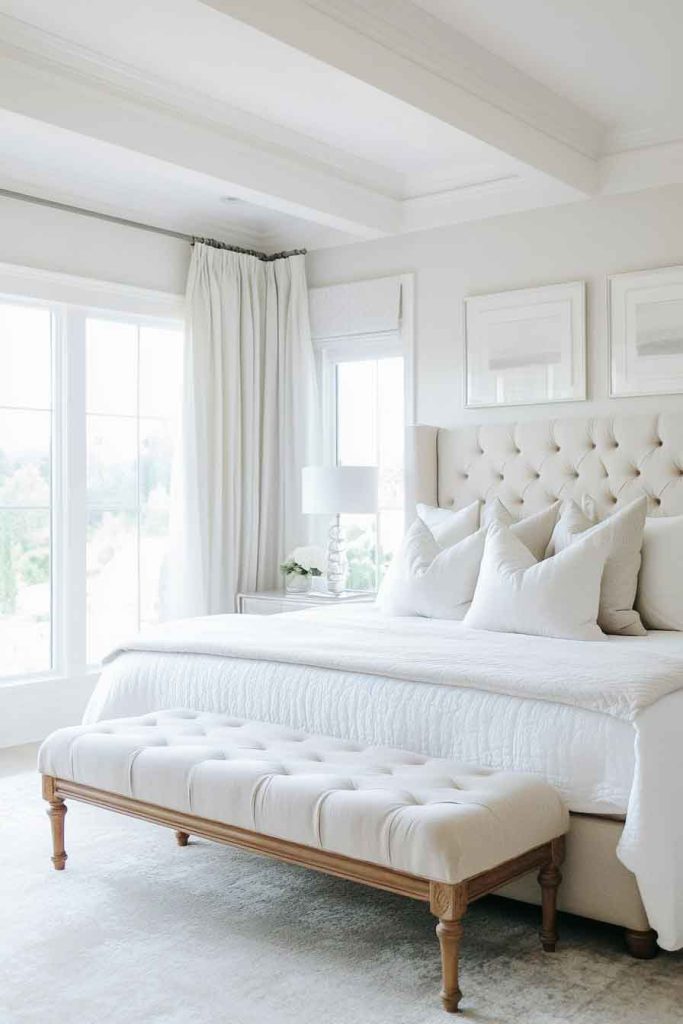
Choose upholstered pieces in soft fabrics and calming colors. A bench with storage underneath serves double duty by hiding extra blankets or pillows. This furniture piece should enhance the room’s relaxing feel, not clutter it.
19. Use Mirrors Thoughtfully
Mirrors can make a room feel larger and brighter, but placement matters. Position mirrors to reflect natural light or a beautiful view, not clutter or the bed itself.

A large mirror leaning against a wall creates a relaxed, casual feel. A mirror above the dresser serves a practical purpose while adding light. Avoid placing mirrors directly across from the bed, as some people find this disturbing to sleep.
20. Create a Neutral Foundation
Starting with a neutral foundation gives you flexibility and creates instant calm. Paint walls in soft white, warm beige, gentle gray, or pale blue.

This neutral backdrop allows you to change accent pieces easily without repainting. It also makes the room feel larger and brighter. You can always add color through bedding, pillows, or artwork while keeping the base peaceful and timeless.
21. Add Personal Touches Carefully
While you want your bedroom to reflect your personality, be selective about what you display. Too many personal items can create visual clutter.

Choose a few meaningful photographs in simple frames. Display one or two special objects that bring you joy. Keep surfaces mostly clear to maintain the calm atmosphere. Personal touches should enhance relaxation, not compete for attention.
22. Consider Sound Control
A quiet bedroom is a relaxing bedroom. If you live in a noisy area, consider ways to reduce unwanted sound.
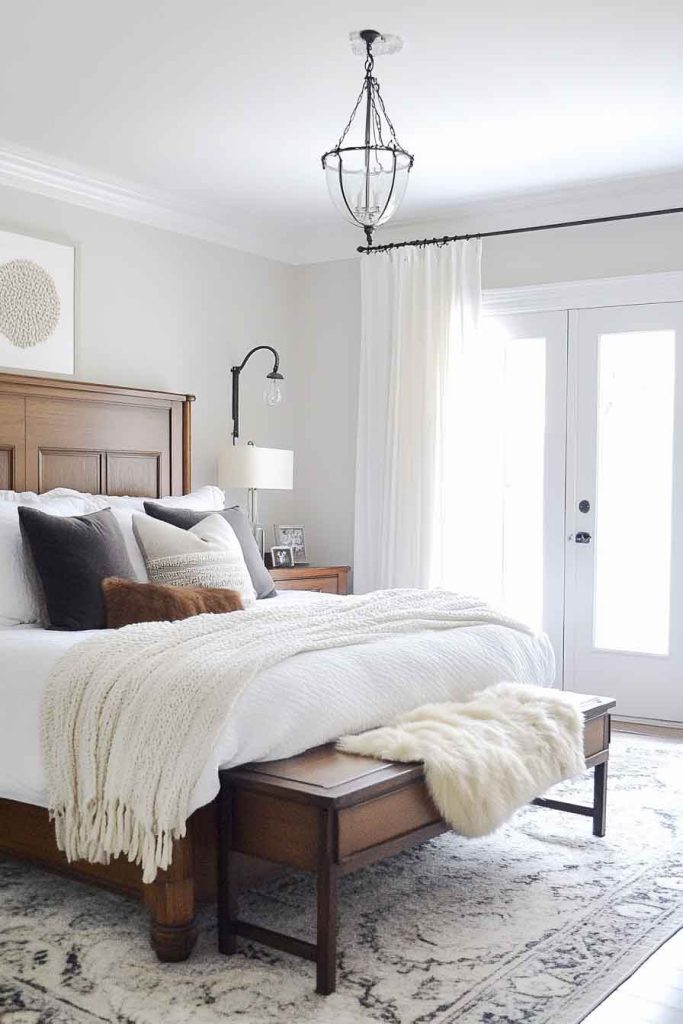
Heavy curtains help block outside noise. Area rugs absorb sound and make the room quieter. A white noise machine or quiet fan can mask disruptive sounds. Solid doors with weather stripping create better sound barriers than hollow ones.
23. Keep Walls Simple
Resist the urge to cover every wall with artwork, photos, or decorations. Empty wall space is calming and helps the room feel open and airy.
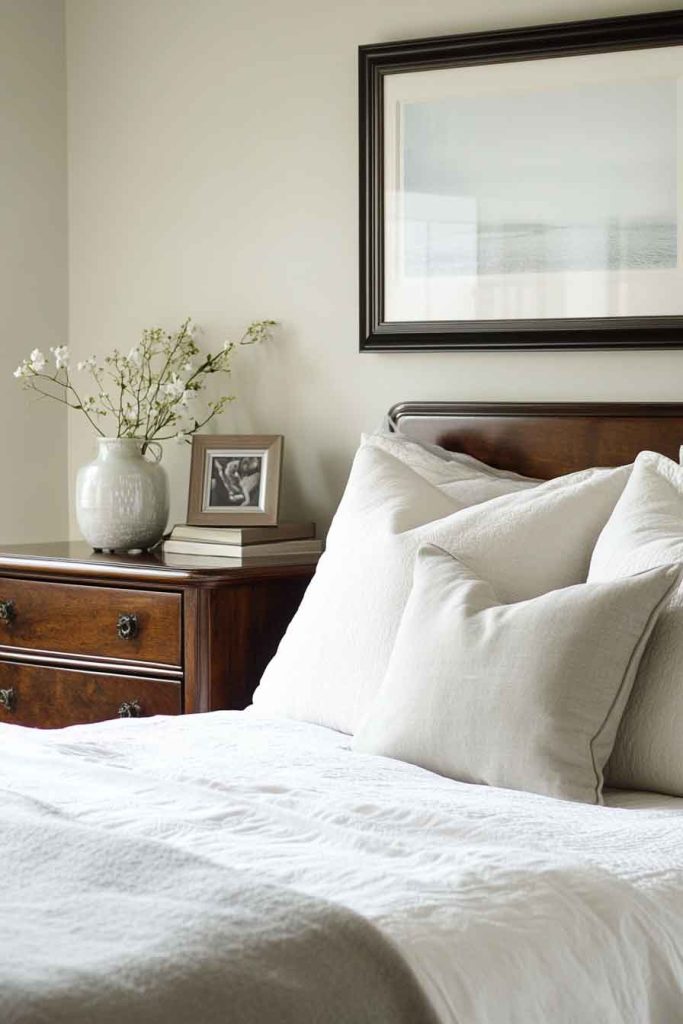
Choose one focal point, like a large piece of artwork above the bed or a beautiful mirror above the dresser. Keep other walls bare or very simply decorated. This restraint creates a peaceful, uncluttered visual experience.
24. Invest in Room-Darkening Solutions
Beyond blackout curtains, consider other ways to create complete darkness for optimal sleep. Light-blocking shades, sleep masks, or even covering small electronic lights can make a difference.

The darker the room, the better your body produces melatonin for quality sleep. Even small amounts of light can disrupt sleep cycles. Make darkness a priority in your relaxing bedroom design.
25. Create Clear Pathways
A relaxing bedroom needs clear, open pathways around the bed and to the door. Avoid placing furniture in ways that make you navigate around obstacles.

Leave adequate space on both sides of the bed for easy access. Keep the path to the bathroom clear for nighttime trips. This openness creates better flow and a less stressful environment.
26. Choose Soft Flooring
Hard, cold floors don’t contribute to a relaxing atmosphere. Add warmth and comfort underfoot with soft flooring options.
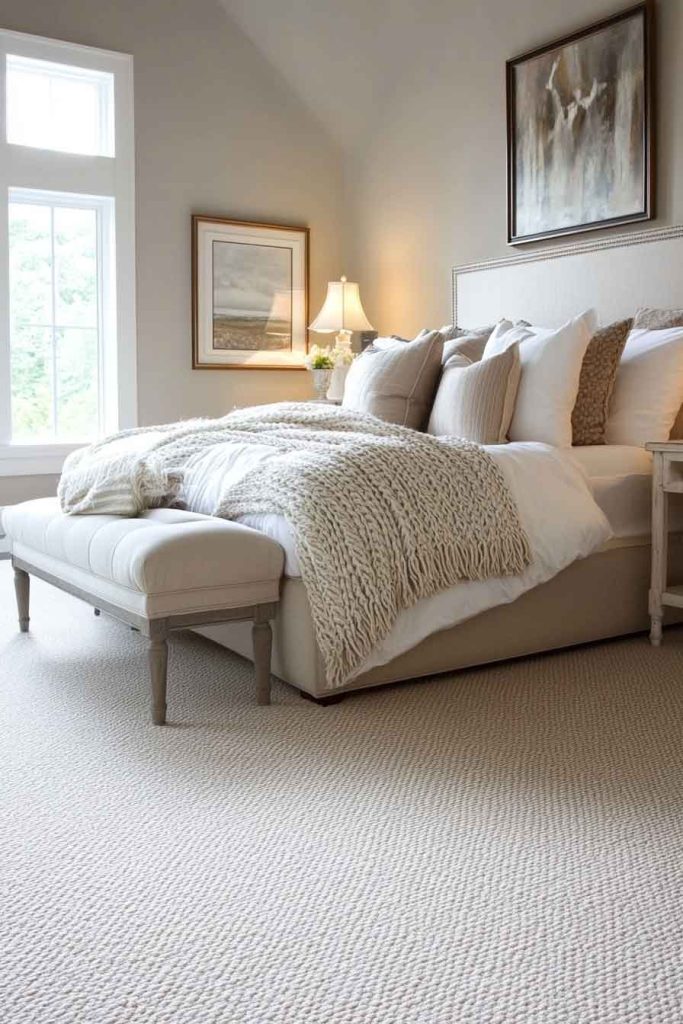
Wall-to-wall carpet in a neutral shade creates ultimate softness. If you prefer hard floors, add large, plush area rugs beside the bed and in sitting areas. Natural fiber rugs like jute or sisal add texture while remaining soft enough for comfort.
27. Maintain Cool Temperatures
The ideal sleeping temperature is around 65-68 degrees Fahrenheit. A cool room promotes better sleep and relaxation.

Use breathable bedding materials that don’t trap heat. Keep the room well-ventilated. A ceiling fan or quiet oscillating fan can help maintain comfortable temperatures. Being too warm disrupts sleep and makes it hard to relax.
28. Create a Bedtime Routine Space
Dedicate a small area or surface to items that support your bedtime routine. This might include your skincare products, a journal, herbal tea, or a book.
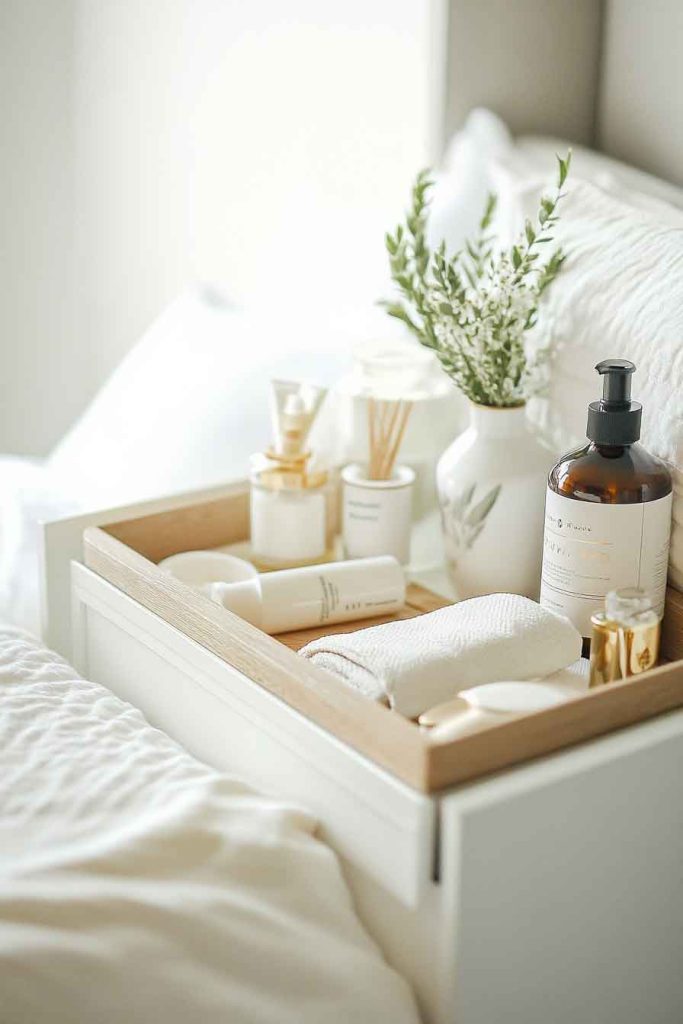
Having these items organized and easily accessible encourages healthy bedtime habits. A small tray on the dresser or a drawer in the nightstand can hold everything you need. This organization removes barriers to winding down properly.
29. Use Natural Wood Accents
Wood brings warmth, texture, and a connection to nature that enhances relaxation. Incorporate wood through furniture, frames, or decorative objects.

Choose woods in warm, natural tones rather than dark stains. Light oak, maple, or pine creates an airy feel. A wooden headboard, nightstands in natural wood, or even a driftwood branch as decor adds organic beauty.
30. Keep It Fresh and Clean
Finally, the most relaxing bedrooms are clean and fresh. Regular cleaning, fresh bedding, and good air quality make an enormous difference.
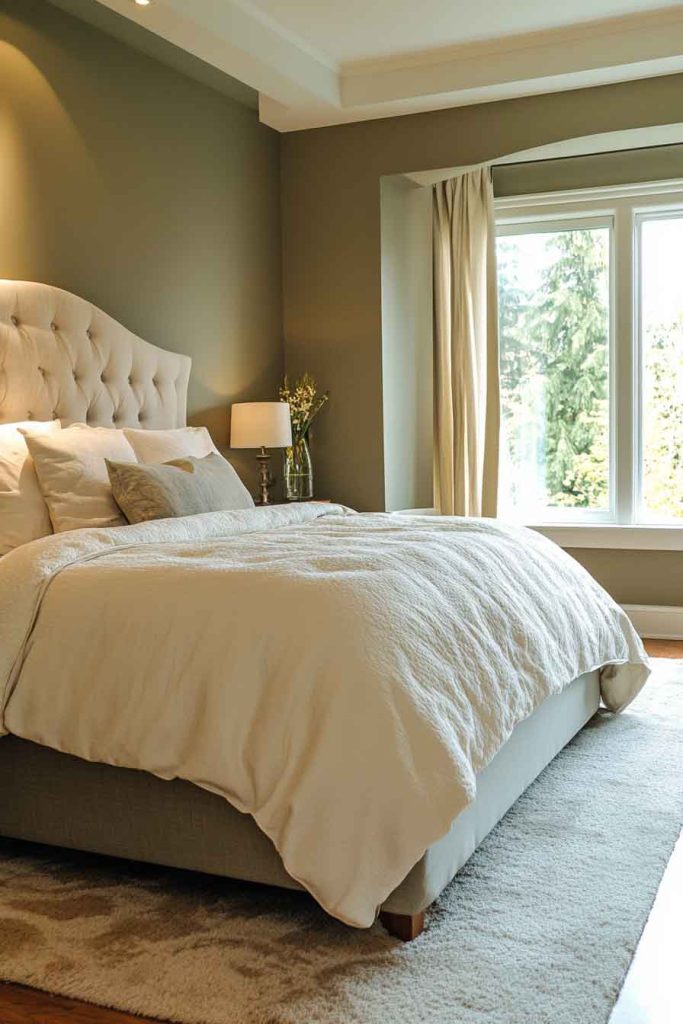
Wash sheets weekly and rotate mattresses seasonally. Dust surfaces and vacuum regularly. Open windows when weather permits to let in fresh air. A clean room with fresh-smelling linens is instantly more relaxing and promotes better sleep.
Conclusion
Creating a relaxing bedroom is one of the best investments you can make in your health and happiness. Whether you’re starting fresh or making small changes to your current space, these ideas can help you design a peaceful sanctuary.
From choosing calming colors and comfortable bedding to removing clutter and controlling light, each element works together to create a space that truly helps you unwind. Remember that a relaxing bedroom doesn’t require expensive renovations—sometimes the simplest changes, like adding soft lighting or removing technology, make the biggest difference.
Start with one or two ideas that resonate with you most, and gradually transform your bedroom into the peaceful retreat you deserve. Sweet dreams await in your newly relaxed space!