26 Small Garden Waterfall Ideas
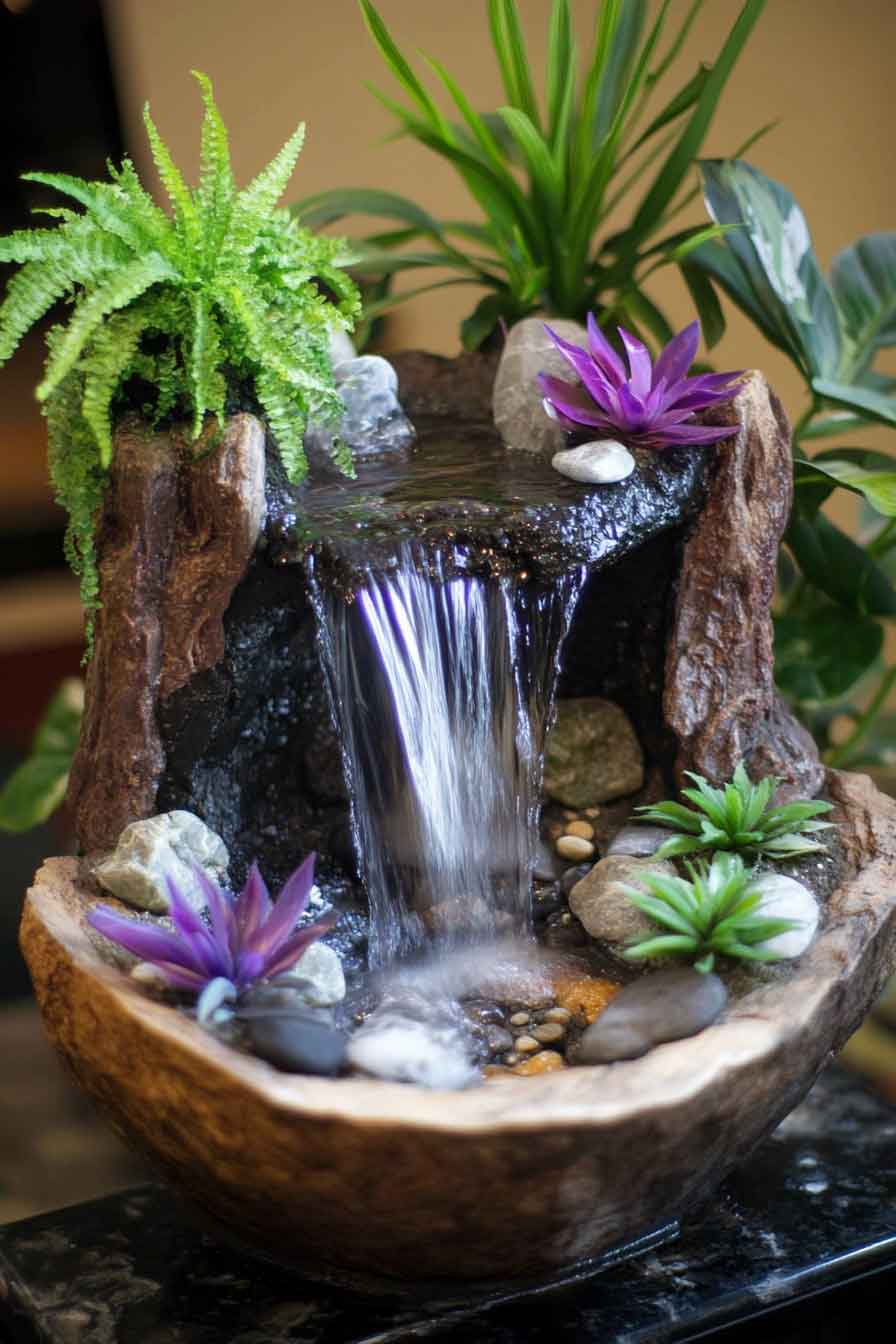
Do you want to transform your outdoor space into a peaceful retreat? Look no further than the following small garden waterfall ideas! Garden waterfalls are becoming increasingly popular among homeowners, and it’s easy to understand why.
With their soothing sounds, natural beauty, and ability to attract wildlife, garden waterfalls offer a perfect combination of relaxation and visual appeal. In this article, we’ll explore some simple and creative ways to add a waterfall to your garden, whether you’re working with a tiny balcony or a modest backyard.
There are many reasons why people choose to add waterfalls to their gardens. One of the main reasons is that they create a calming atmosphere that is perfect for meditation and unwinding after a long day. The gentle sound of flowing water helps mask neighborhood noise and brings a sense of tranquility to any outdoor area.
Additionally, garden waterfalls can increase property value and provide a beautiful focal point for your landscape. Whether you prefer a natural rock waterfall or a modern minimalist design, there are endless possibilities to match your style and budget.
Garden waterfalls typically work well with various landscape styles and can be customized to fit small spaces. This feature is known for its versatility and ability to create a resort-like feel right in your backyard.
What is a Garden Waterfall?
A garden waterfall is a water feature designed to mimic the natural flow of water over rocks and ledges. It can range from a simple trickling stream to a dramatic cascading fall, depending on your space and preferences.
The garden waterfall aesthetic is peaceful, natural, and refreshing, often incorporating elements like stones, plants, and pond features. Garden waterfall design is all about creating harmony with nature and enhancing your outdoor living space.
Regardless of your garden size, almost any outdoor area can accommodate a waterfall feature. The key is choosing the right scale and style for your space, and it works best when elements blend naturally with existing landscaping.
Think stacked stones, recirculating pumps, natural plantings around the edges, and incorporating water-safe materials in the construction. Small-scale projects can be completed in a weekend, while larger installations may require professional help.
Elements of Garden Waterfall Design
1. Natural Stone Selection
Choosing the right stones is essential for creating an authentic-looking waterfall. Flat stones work well for creating ledges where water can cascade, while rounded river rocks add natural texture at the base.

Local stones blend best with your regional landscape and often cost less than imported varieties. Layer different sizes of rocks to create depth and interest. Use larger boulders as the foundation and smaller stones to fill gaps and direct water flow.
2. Water Pump and Circulation System
The heart of any garden waterfall is its pump system. A recirculating pump moves water from the bottom pool back to the top, creating continuous flow without wasting water.
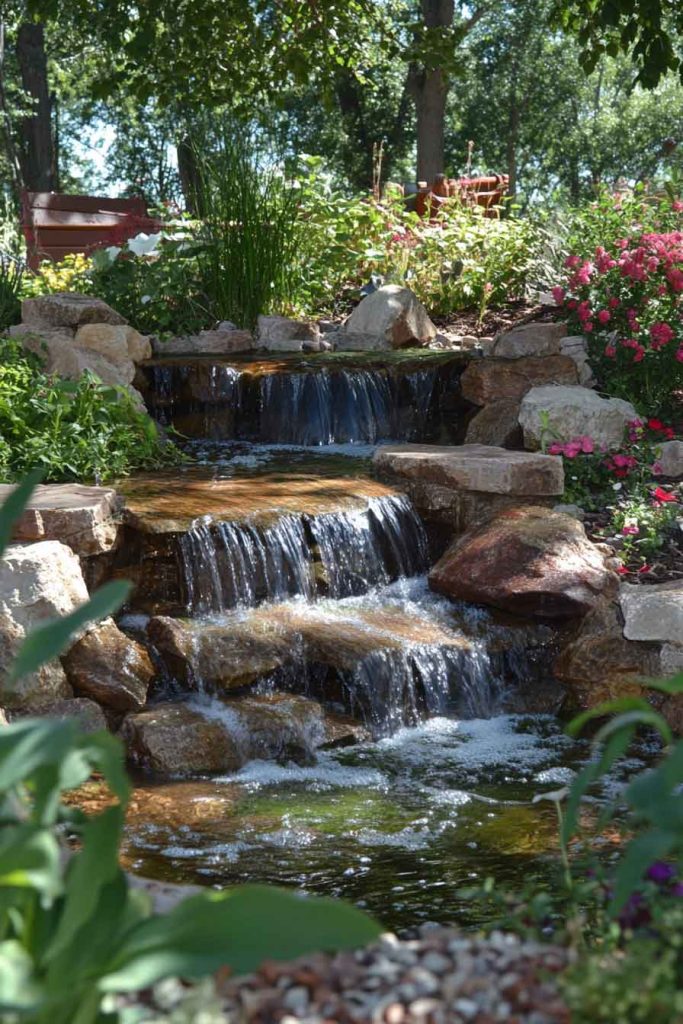
Choose a pump size based on your waterfall height and desired flow rate. Smaller waterfalls need pumps rated for 200-500 gallons per hour, while larger features may require 1000 gallons per hour or more. Energy-efficient pumps save money on electricity bills over time.
3. Pond or Basin Design
Every waterfall needs a catch basin or pond at the bottom to collect water. This can be a simple hidden reservoir or an attractive pond with fish and plants.
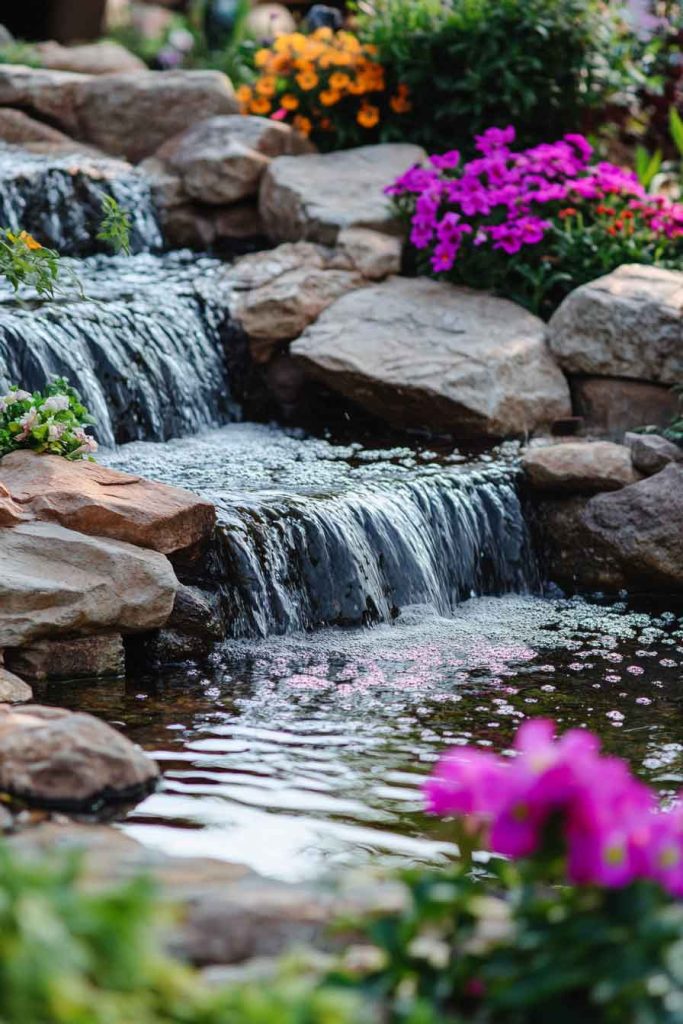
Preformed pond liners make installation easy for beginners, while flexible liners allow custom shapes. The basin should be large enough to hold all the water when the pump is off, plus extra capacity to account for evaporation.
4. Waterfall Spillway
The spillway is where water exits at the top of your waterfall. You can create this with a flat stone, a manufactured spillway box, or stacked rocks that channel water flow.
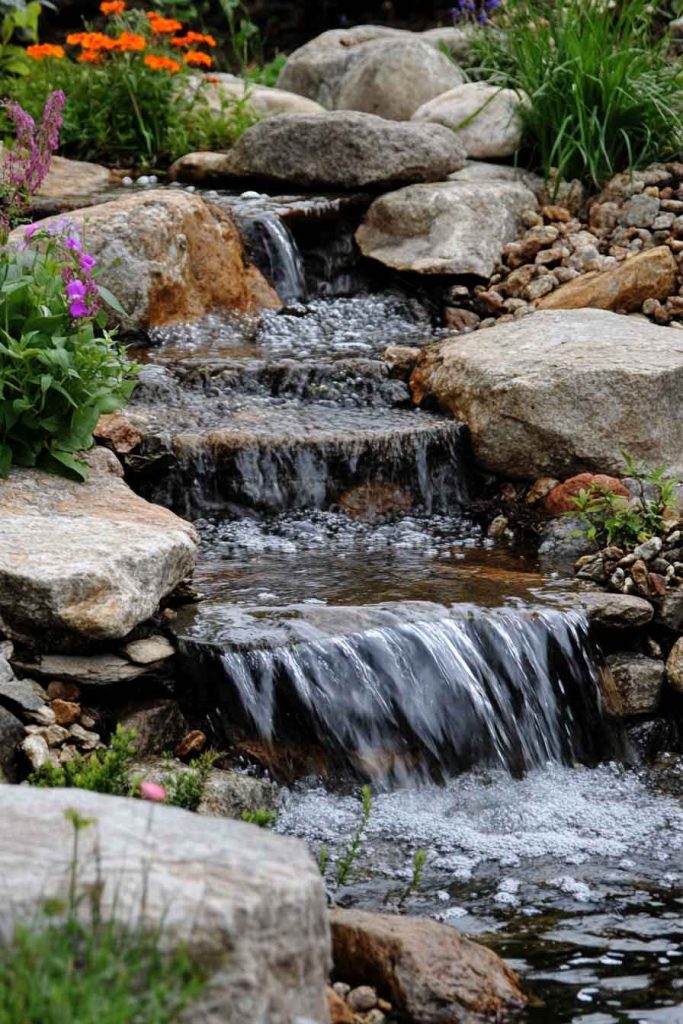
A wider spillway creates a gentle sheet of water, while a narrow opening produces a more dramatic stream. Experiment with different arrangements before securing stones permanently.
5. Surrounding Plants and Greenery
Plants soften the edges of your waterfall and help it blend into the landscape. Choose moisture-loving plants like ferns, hostas, and irises for areas near the water.
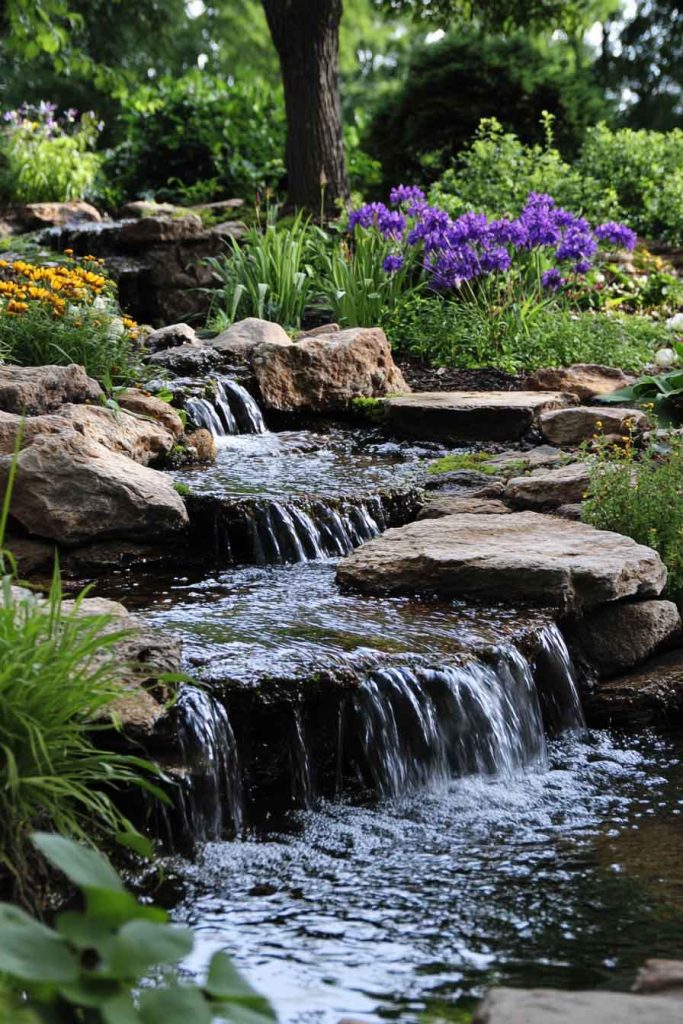
Evergreen plants provide year-round interest, while flowering varieties add seasonal color. Avoid plants with invasive roots that might damage your liner or disturb the rock arrangement.
6. Lighting Features
Underwater and landscape lighting can transform your waterfall into a nighttime focal point. LED lights are energy-efficient and come in various colors to create different moods.

Place lights behind the waterfall to illuminate the falling water, or use spotlights to highlight surrounding plants and rocks. Solar-powered options eliminate the need for electrical wiring.
7. Sound Control
The sound of your waterfall depends on water volume and the height water falls. Higher drops create louder sounds, while gentle slopes produce softer trickling.
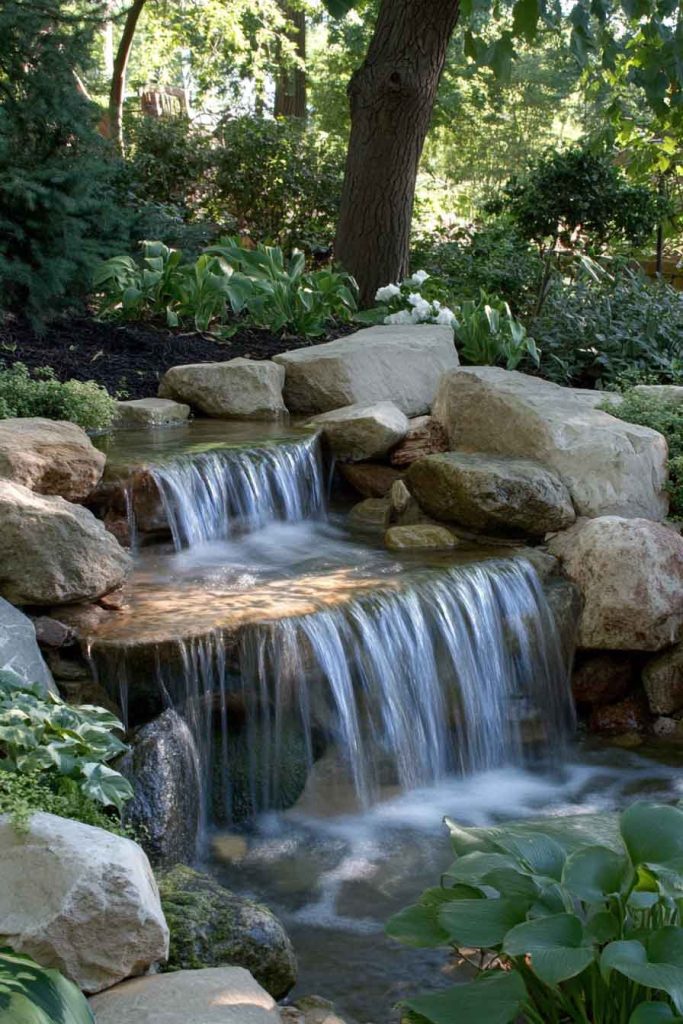
Adjust the pump speed to control water flow and sound levels. Adding flat rocks where water lands can reduce splashing noise, while allowing water to fall freely creates more dramatic sounds.
8. Scale and Proportion
Your waterfall should fit naturally within your garden space. A massive waterfall overwhelms a small yard, while a tiny trickle gets lost in a large landscape.
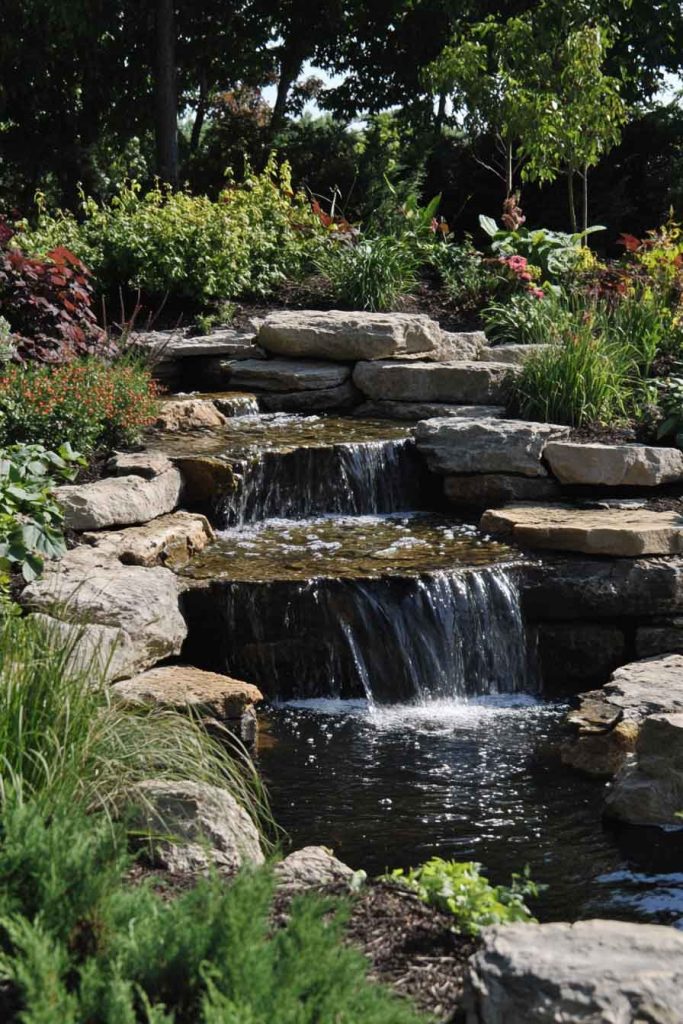
As a general rule, your waterfall height should not exceed the width of your garden bed. Keep proportions balanced with surrounding plants and hardscape features.
9. Maintenance Access
Design your waterfall with maintenance in mind. Leave space to reach the pump for cleaning and repairs without disturbing the entire structure.

Create stable walking areas around the waterfall using flat stones or pavers. This makes it easier to remove debris, check water levels, and maintain plants without stepping on delicate areas.
10. Wildlife Consideration
Garden waterfalls attract birds, butterflies, and beneficial insects. Include shallow areas where birds can drink and bathe safely.
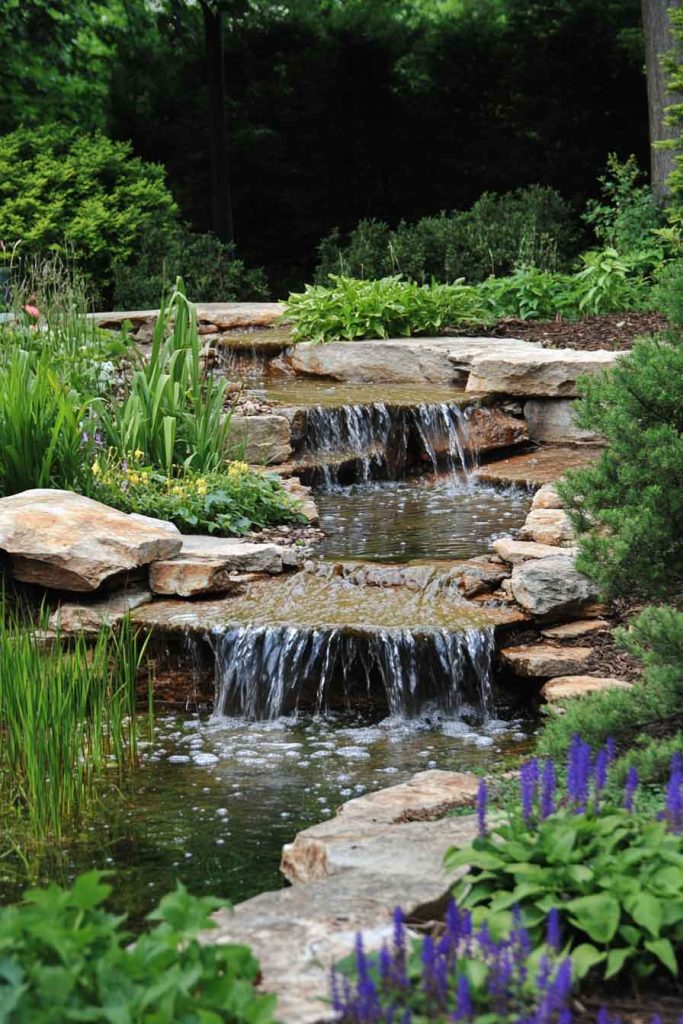
Avoid using chemicals in the water if you want to encourage wildlife. Add aquatic plants to provide shelter for frogs and insects. A well-designed waterfall becomes a thriving mini-ecosystem.
11. Container Waterfall Ideas
Container waterfalls are perfect for small spaces, patios, and balconies. Use large ceramic pots, wooden barrels, or stone urns to create self-contained water features.
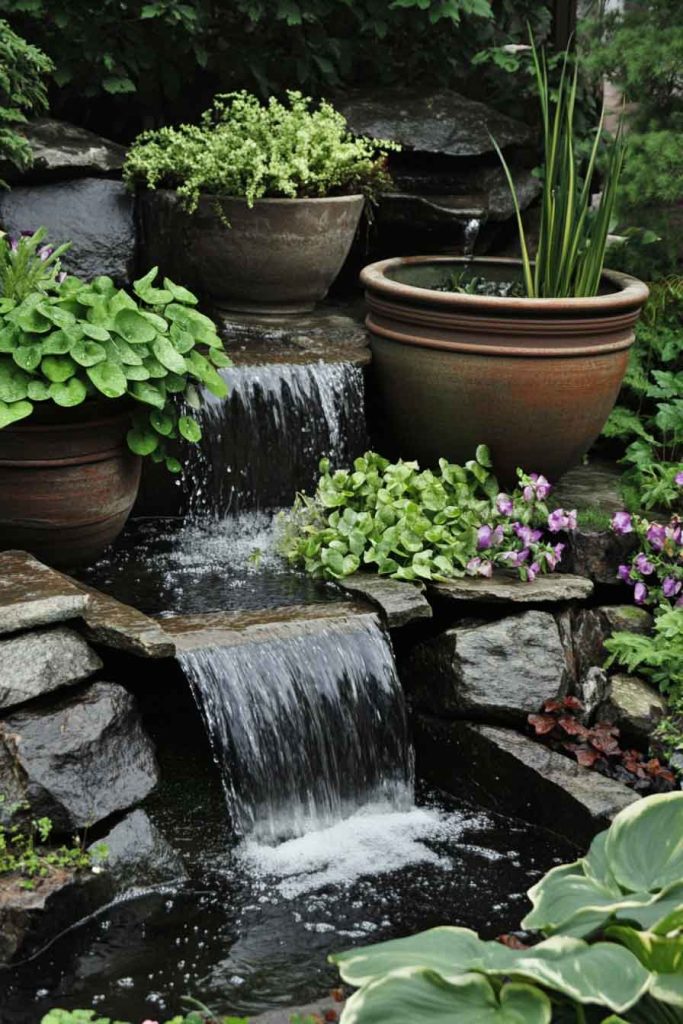
Stack two or three containers at different heights, allowing water to spill from one to another. Seal containers properly and hide the pump tubing among decorative rocks. These portable features can be moved seasonally or rearranged as desired.
12. Wall-Mounted Waterfalls
Wall waterfalls save ground space and work well for narrow yards or courtyard gardens. Mount a decorative spillway on a fence or wall, with water falling into a ground-level basin.

Use weather-resistant materials like copper, stone, or treated wood for the wall-mounted elements. This vertical design creates visual interest and draws the eye upward, making small gardens feel larger.
13. Rock Garden Waterfalls
Combine your waterfall with a rock garden for a natural mountain stream appearance. Arrange rocks in layers to create multiple small cascades rather than one large drop.
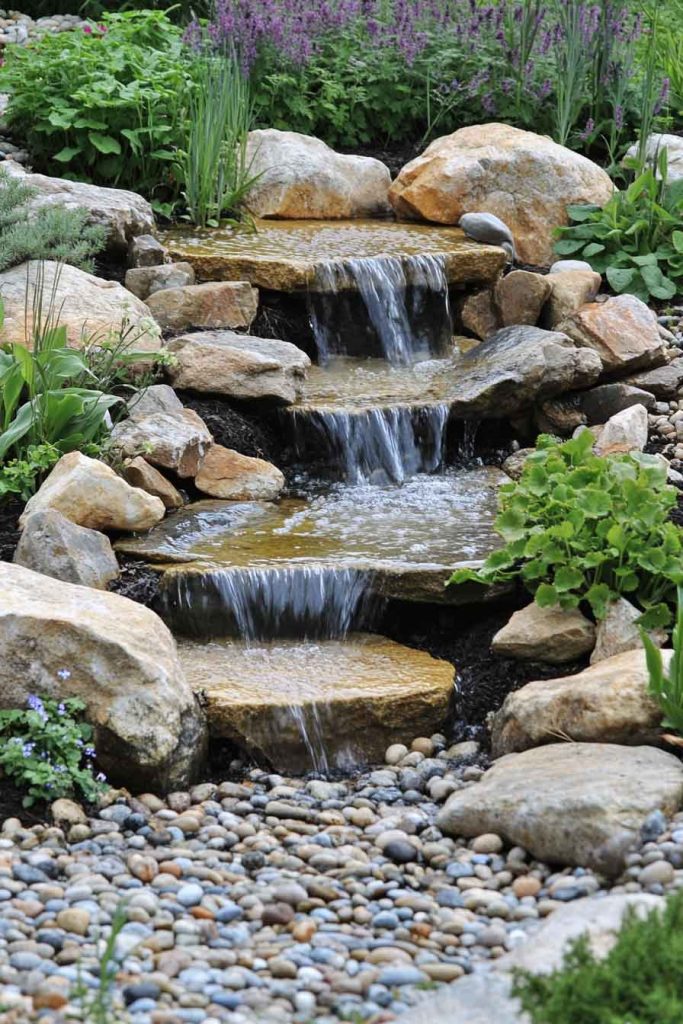
Plant alpine varieties and succulents between rocks for low-maintenance color. This style works especially well on sloped yards where you can work with existing elevation changes.
14. Bamboo Water Features
Bamboo spouts create an Asian-inspired waterfall with a distinct trickling sound. Water flows through hollow bamboo tubes and spills into a stone basin below.
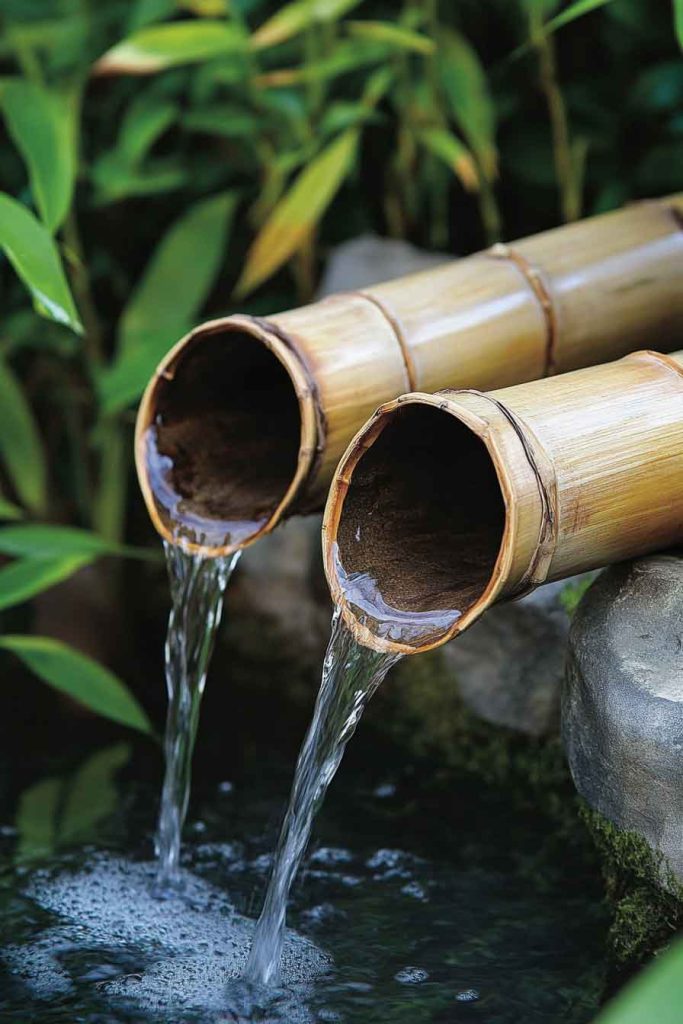
This minimalist style suits contemporary and Zen gardens. Use natural bamboo for an authentic look, or choose weather-resistant artificial bamboo that lasts longer without maintenance.
15. Pondless Waterfalls
Pondless waterfalls feature water disappearing into a gravel bed instead of a visible pond. This design is safer for families with young children and requires less maintenance than traditional ponds.
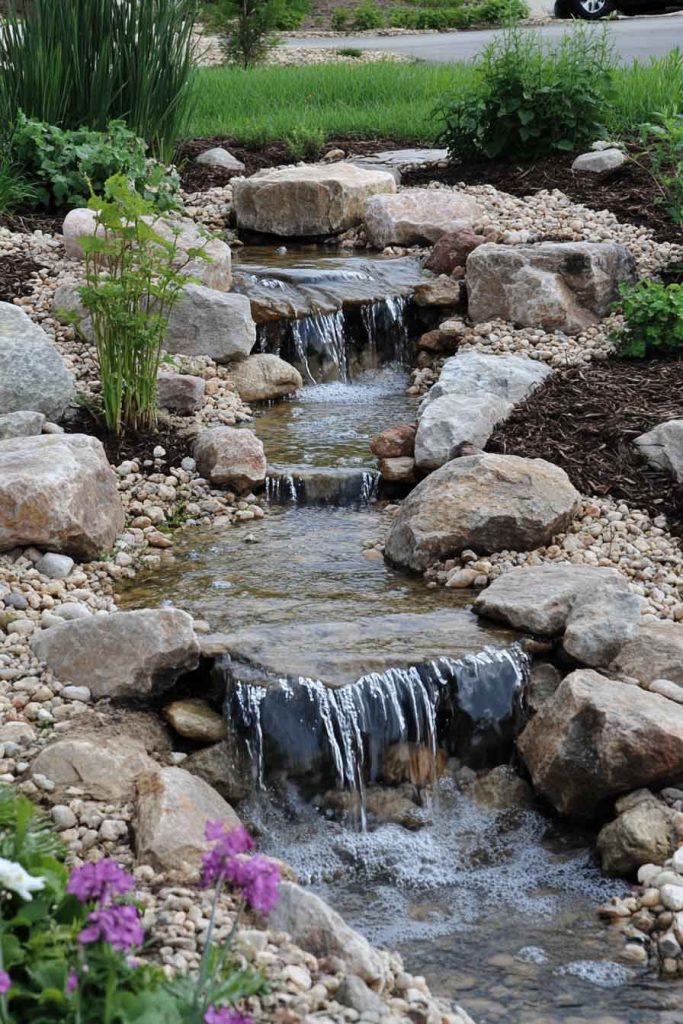
Water collects in an underground reservoir and gets pumped back to the top. The gravel bed can be decorative river rocks or blend naturally with your landscape. This option also uses less water than pond-based systems.
16. Tiered Fountain Waterfalls
Tiered fountains combine the elegance of traditional fountains with the natural flow of waterfalls. Water cascades from bowl to bowl, creating multiple levels of movement and sound.
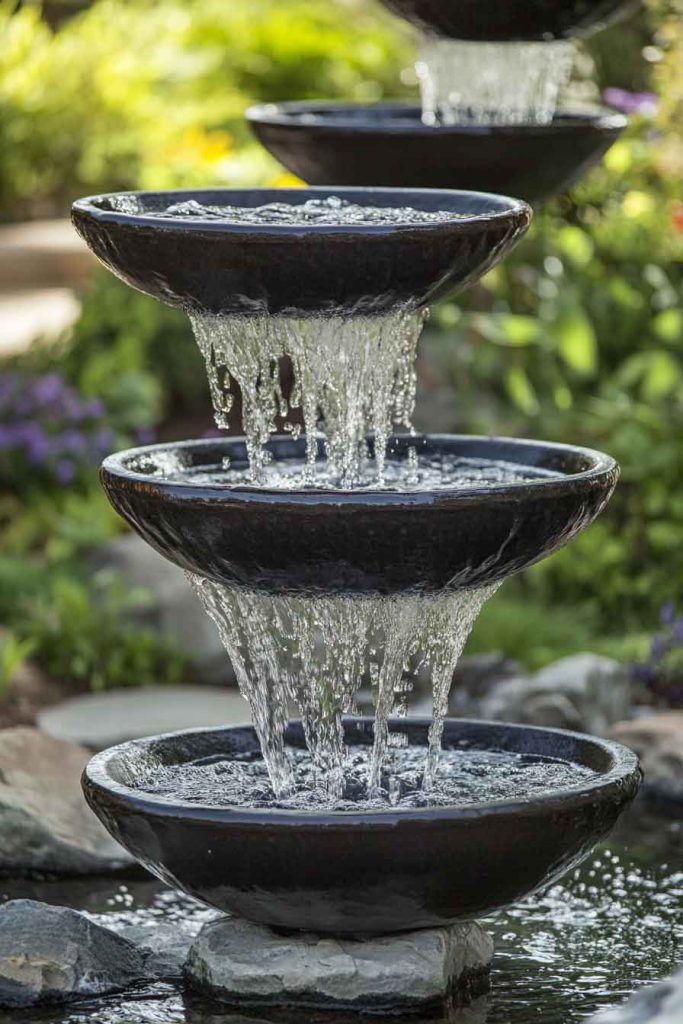
Choose from classic stone designs, modern metal versions, or colorful ceramic styles. These self-contained units are easy to install and work well as garden centerpieces.
17. Natural Stream Waterfalls
Create a winding stream that flows through your garden with several small waterfalls along its path. This design mimics natural creeks and provides more water surface area.

Line the stream bed with small pebbles and larger accent rocks. Plant moisture-loving species along the banks. This extended water feature creates multiple viewing areas throughout your garden.
18. Rain Chain Waterfalls
Rain chains replace traditional downspouts and turn rainfall into a decorative waterfall. Water flows down linked chains or decorative cups, creating beautiful patterns and sounds.

Direct the rain chain into a basin filled with rocks or a small pond. During dry periods, run a pump to create an artificial waterfall effect. This functional feature adds charm to any home exterior.
19. Stacked Stone Waterfalls
Use flat stacked stones to create modern, architectural waterfalls. Water sheets evenly over each stone level, producing a smooth, contemporary look.
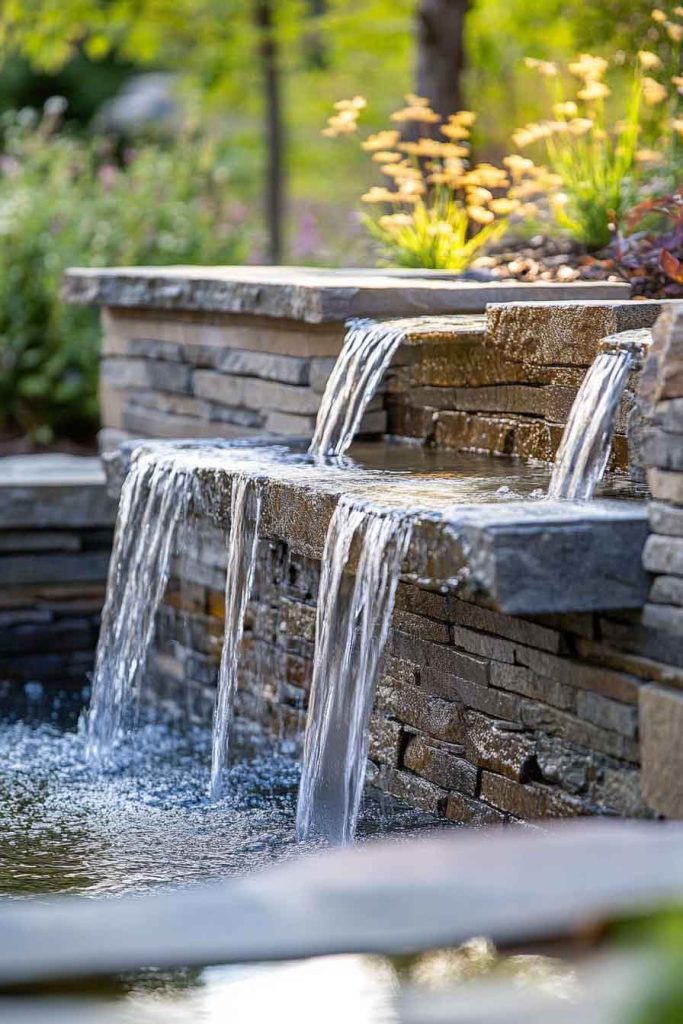
This style works well with formal gardens and modern landscapes. Choose stones in consistent sizes and colors for a polished appearance. Seal the stones properly to ensure water flows over the surface rather than through gaps.
20. Recycled Material Waterfalls
Create eco-friendly waterfalls using reclaimed materials like old sinks, vintage watering cans, or salvaged wood. Stack these items creatively to build unique cascading features.
This approach adds personality to your garden while being budget-friendly. Ensure all materials are weatherproof or treated to withstand outdoor conditions. Mix recycled elements with natural stones for an eclectic look.
21. Corner Waterfalls
Maximize unused corner spaces by building triangular waterfalls that fit snugly into angles. This design works well for fenced yards or garden corners where space is limited.

Stack rocks in a pyramid shape with water flowing down multiple sides. The corner location creates a cozy, intimate atmosphere. Add seating nearby to create a meditation spot.
22. Bubble Rock Waterfalls
Bubble rocks feature water bubbling up through a drilled stone and trickling down the sides. This gentle waterfall style is perfect for very small spaces and requires minimal water.
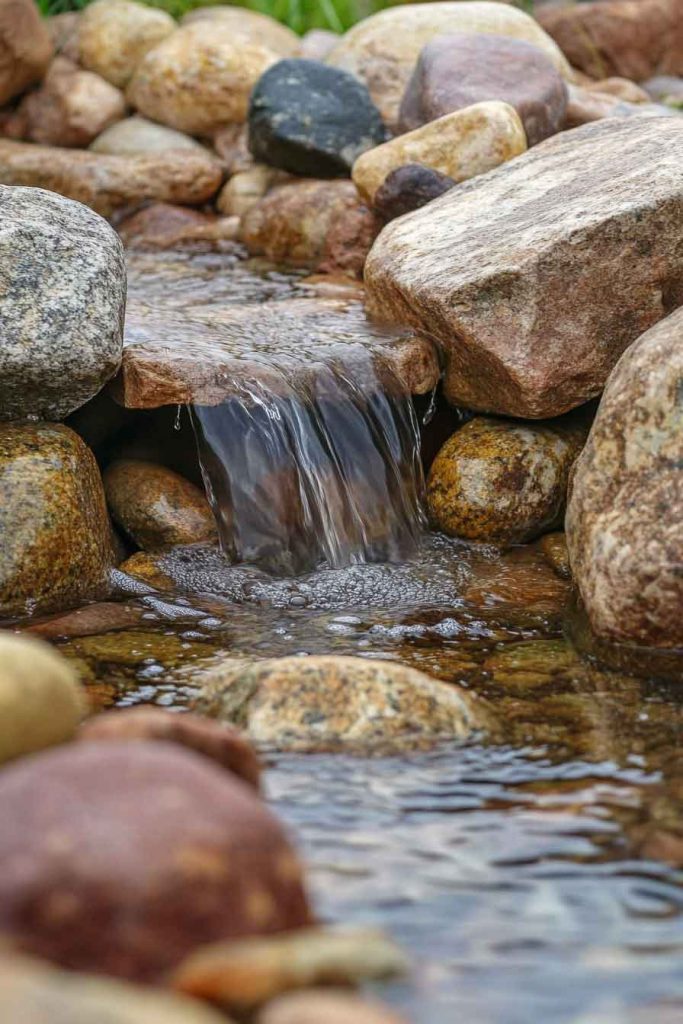
Choose interesting rocks with natural colors and textures. The water creates a peaceful trickling sound without the drama of a traditional waterfall. This low-maintenance option is ideal for beginners.
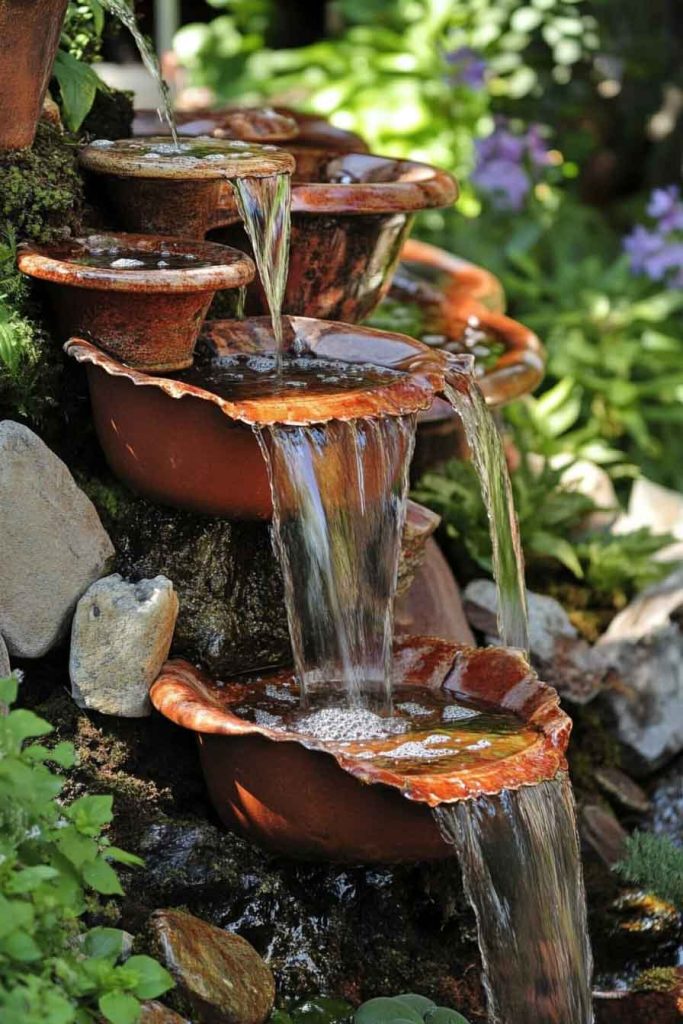
23. Terra Cotta Pot Waterfalls
Stack terra cotta pots at angles to create a whimsical cascading waterfall. Paint pots in coordinating colors or leave them natural for a rustic look.
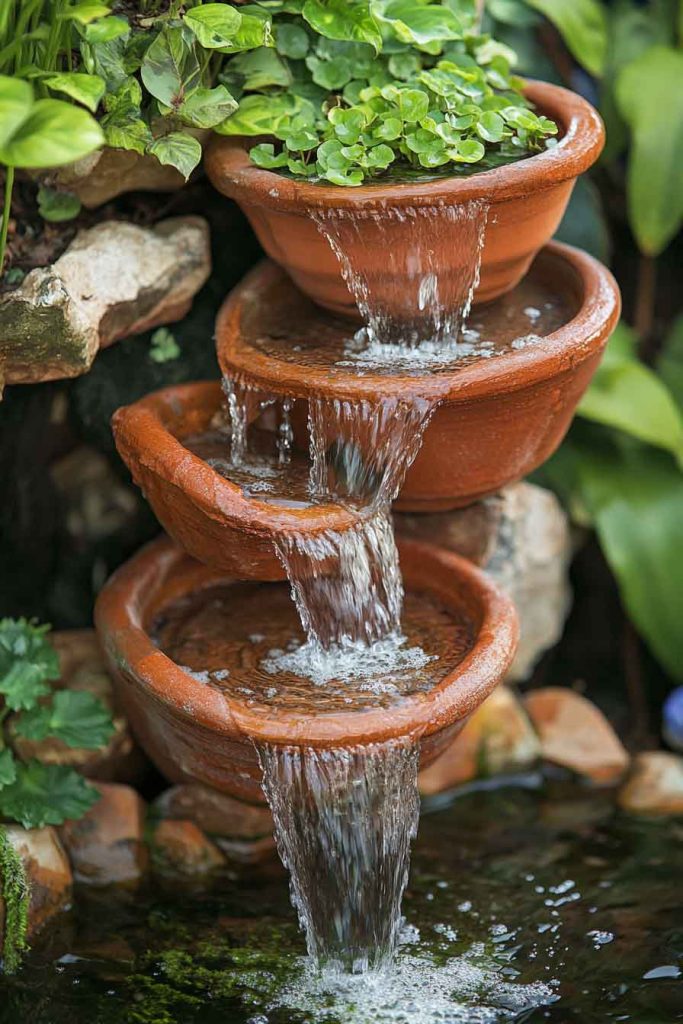
Water flows from pot to pot, creating multiple small waterfalls. This inexpensive project can be completed in an afternoon. Use frost-resistant pots in cold climates to prevent winter damage.
24. Millstone Waterfalls
Antique millstones make beautiful waterfall features with water bubbling up through the center hole. The water flows outward across the stone surface into a surrounding basin.

This design combines historical character with water feature functionality. Place plants around the base to soften edges and add color. Millstones work well as standalone features or combined with larger waterfalls.
25. Glass Waterfall Features
Modern glass waterfalls create stunning visual effects with water flowing over transparent or colored glass panels. LED lights enhance the glass, creating magical nighttime displays.
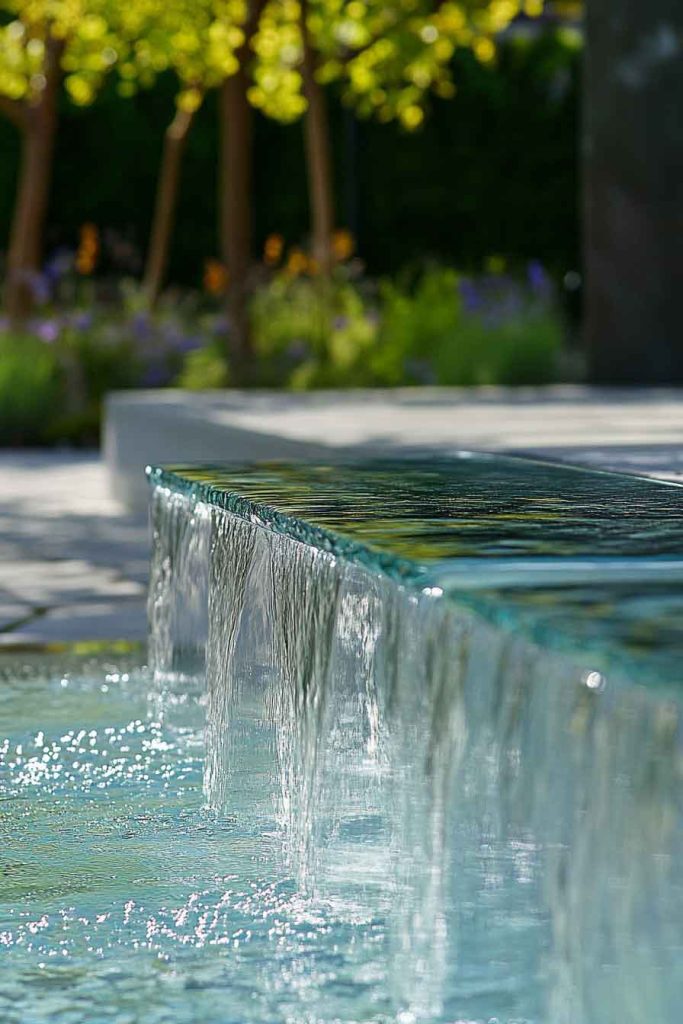
This contemporary style suits modern gardens and outdoor living spaces. Glass panels can be straight for formal looks or curved for organic designs. Ensure glass is tempered and properly supported for safety.
26. Miniature Tabletop Waterfalls
Tiny tabletop waterfalls bring water feature benefits to the smallest spaces. These desktop-sized features use small pumps and decorative elements like crystals, shells, or mini plants.

Perfect for apartments, balconies, or indoor spaces, these waterfalls provide soothing sounds and visual interest. Battery-operated or USB-powered options eliminate electrical outlet requirements. Move them easily between indoor and outdoor locations.
Small Garden Waterfall Ideas: Conclusion
Adding a waterfall to your garden is an excellent way to create a peaceful outdoor sanctuary. Whether you’re starting with a blank space or looking to enhance your existing landscape, there are many simple and creative ways to incorporate water features into your garden. From stacked stone designs to container waterfalls, the possibilities are endless.
To complete the look, surround your waterfall with complementary plants, decorative rocks, and appropriate lighting. Adding comfortable seating nearby creates the perfect spot to enjoy the soothing sounds of flowing water.
Remember to start small if you’re new to water features. A simple container waterfall or bubble rock can be completed in a weekend and provides immediate enjoyment. As you gain confidence, you can expand your water feature or add additional elements to create the garden oasis of your dreams.