28 Fall Garden Vegetables Ideas
Are you ready to transform your garden into a productive autumn paradise? Fall gardening offers a wonderful opportunity to grow fresh, nutritious vegetables even as temperatures begin to drop. With cooler weather and fewer pests, autumn is actually one of the best seasons for growing many delicious crops.
In this article, we’ll explore easy and creative ways to make the most of your fall garden. Whether you’re a beginner just starting out or looking to expand your vegetable growing knowledge, these simple ideas will help you enjoy a bountiful harvest well into the cooler months.
Fall vegetable gardening is perfect for anyone who loves fresh food and wants to extend their growing season. The cooler temperatures create ideal conditions for many vegetables, and you’ll find that autumn crops often taste sweeter and more flavorful than their summer counterparts.
What is Fall Vegetable Gardening?
Fall vegetable gardening is the practice of growing vegetables during the autumn season, typically from late summer through the first frost and sometimes even beyond. This type of gardening takes advantage of cooler temperatures that many vegetables actually prefer.
The fall garden aesthetic is productive, colorful, and rewarding. It often features leafy greens, root vegetables, and hardy crops that can withstand light frosts. Fall gardening is all about timing and choosing the right vegetables for the season.
Almost any garden space can support fall vegetables. The important thing is understanding when to plant and which crops work best in your area. Think about vegetables that mature quickly, tolerate cold, and actually taste better after a light frost.
Planning is essential, and starting at the right time makes all the difference. Consider vegetables like lettuce, spinach, carrots, and broccoli that thrive in autumn conditions.
Benefits of Fall Vegetable Gardening
1. Cooler Growing Conditions
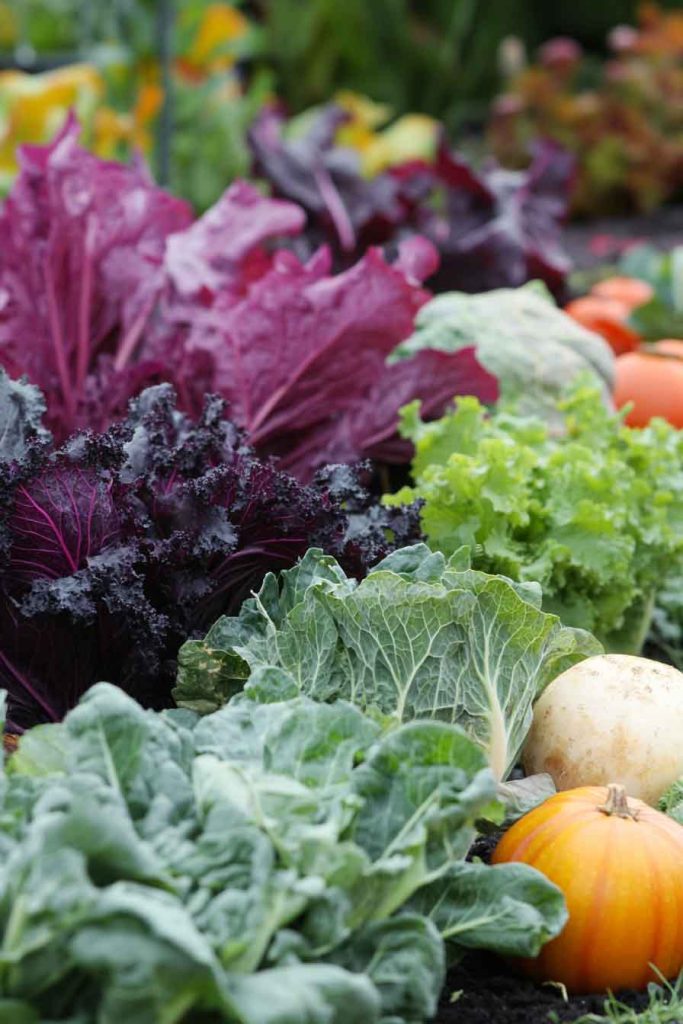
Fall offers comfortable temperatures for both gardeners and plants. Many vegetables actually prefer the cool weather of autumn over the intense heat of summer.
The cooler air means less stress on plants and less water needed. Vegetables like lettuce and spinach that bolt quickly in summer heat grow beautifully in fall. Working in the garden is also more enjoyable when you’re not dealing with extreme heat.
2. Fewer Pests
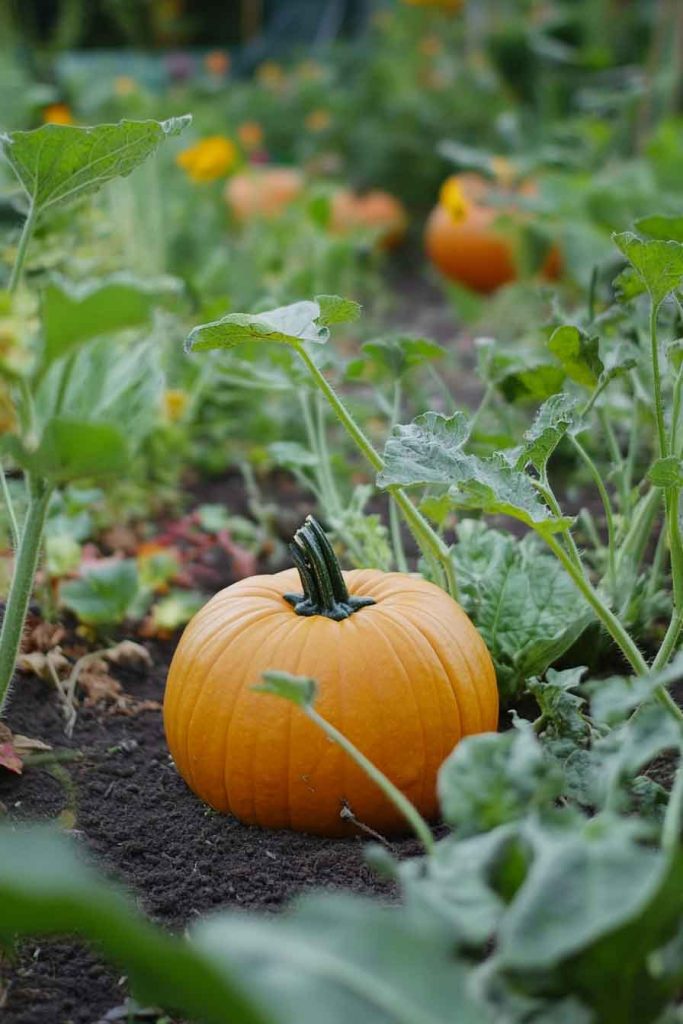
One of the biggest advantages of fall gardening is dealing with fewer insect pests. Many common garden pests slow down or disappear as temperatures drop.
This means you can often grow vegetables with little to no pest control needed. Your fall crops will be healthier and require less maintenance than summer plantings.
3. Better Flavor
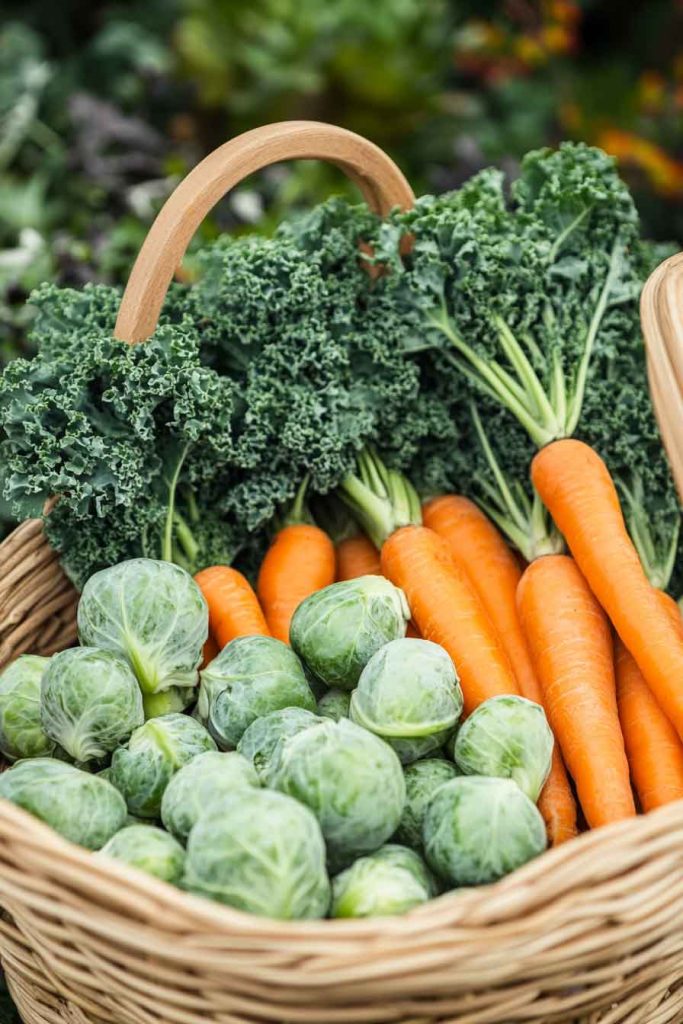
Many fall vegetables taste sweeter and more flavorful after exposure to light frost. Cold temperatures trigger plants to convert starches into sugars as a natural protection against freezing.
Vegetables like kale, carrots, and Brussels sprouts become noticeably sweeter after the first frost. This natural sweetness makes fall vegetables especially delicious and perfect for hearty autumn meals.
4. Extended Harvest Season
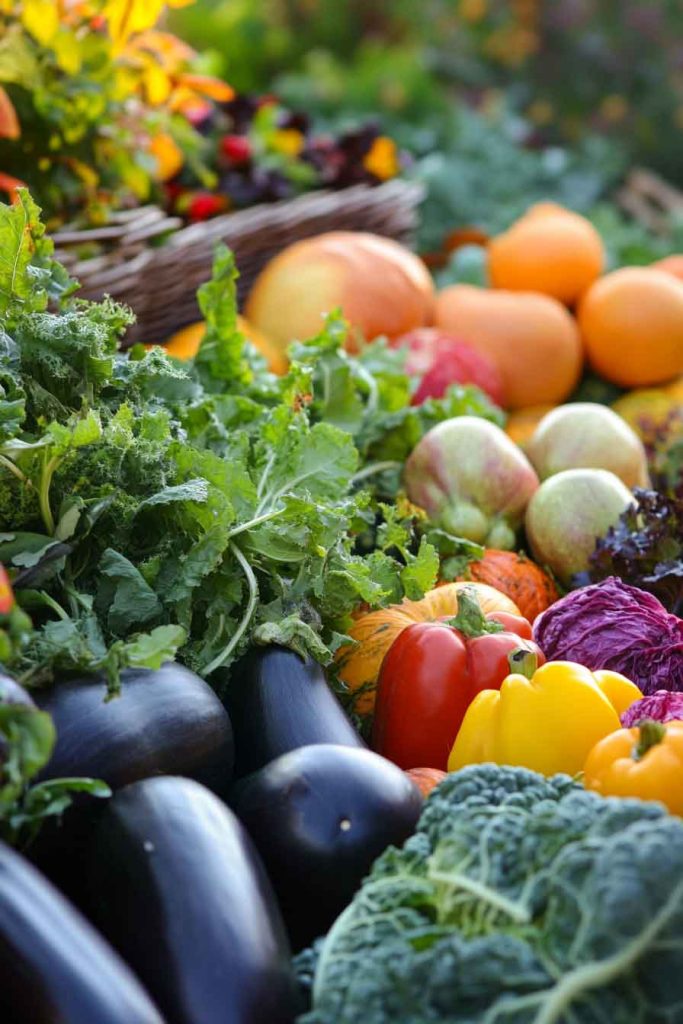
Fall gardening allows you to continue harvesting fresh vegetables long after summer crops are finished. With proper planning and some cold protection, you can harvest fresh produce well into winter.
This extended season means more fresh food for your family and better use of your garden space throughout the year.
Essential Fall Vegetables to Grow
5. Lettuce
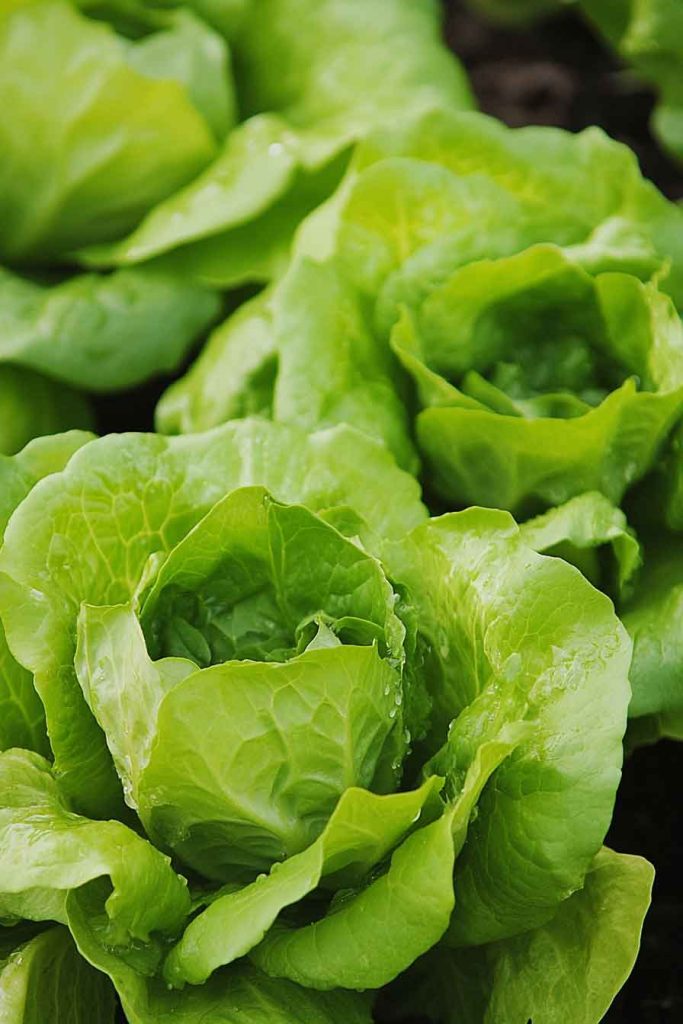
Lettuce is one of the easiest fall vegetables to grow. It prefers cool weather and can be harvested in as little as 30 days for baby greens.
Plant lettuce seeds directly in the garden in late summer. Choose varieties like romaine, butterhead, and loose-leaf lettuce for continuous harvests. Lettuce can tolerate light frosts and even tastes crisper in cool weather.
6. Spinach
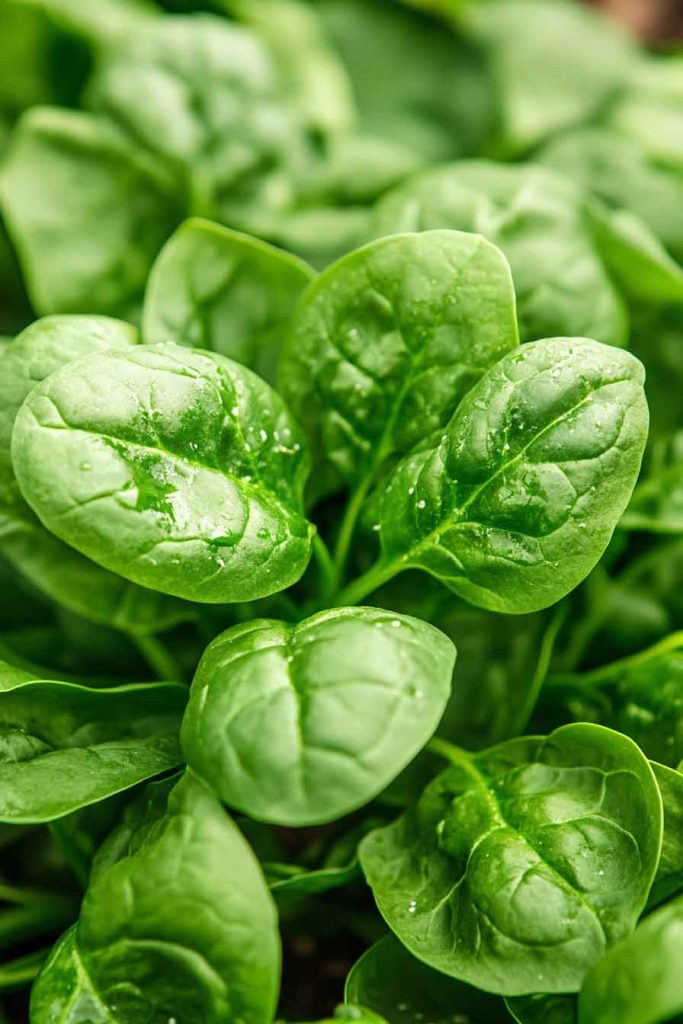
Spinach thrives in fall conditions and is incredibly nutritious. This leafy green is packed with vitamins and grows quickly in cool soil.
Sow spinach seeds in late summer for fall harvest. The plants can withstand frost and continue growing even as temperatures drop. Harvest outer leaves as needed, or cut entire plants when they reach full size.
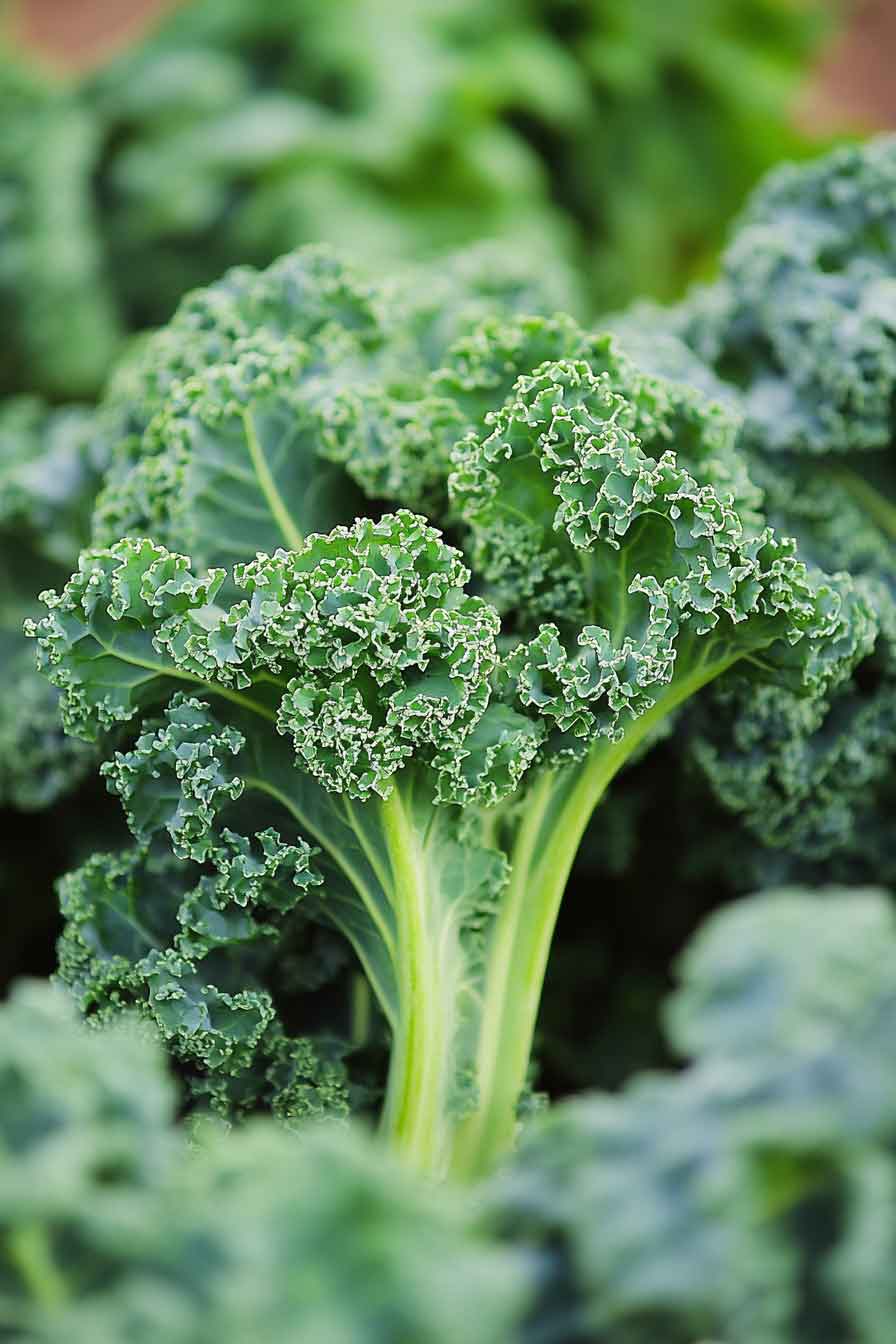
7. Kale
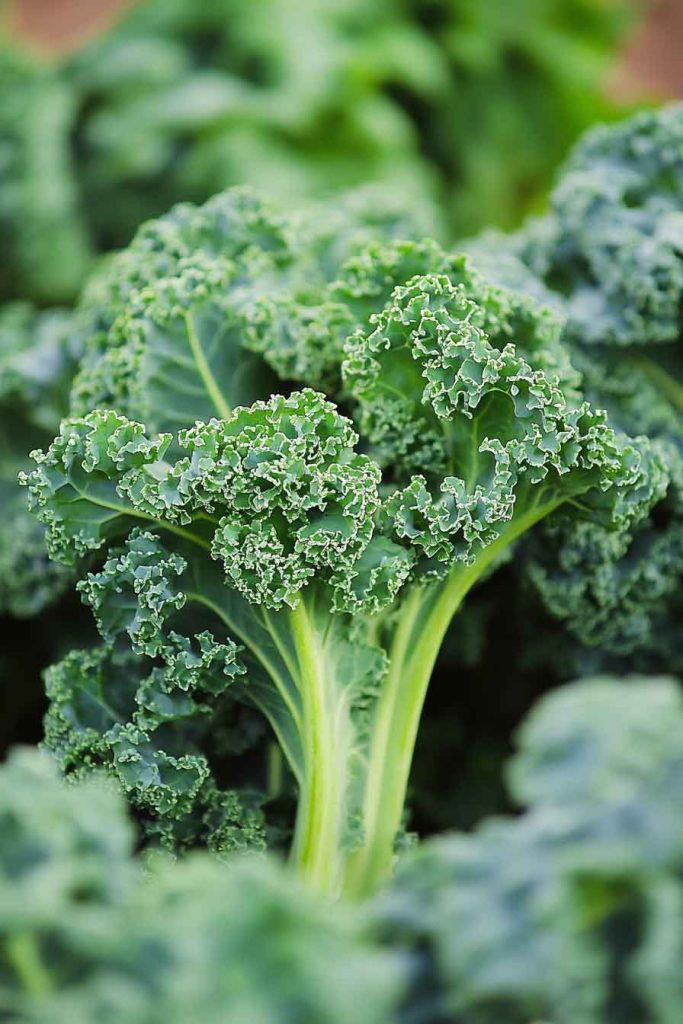
Kale is a superstar fall vegetable that becomes sweeter after frost. This hardy green can survive temperatures well below freezing.
Plant kale transplants or seeds in mid to late summer. The plants grow slowly but produce abundantly throughout fall and winter. Kale is perfect for salads, smoothies, and cooked dishes.
8. Carrots
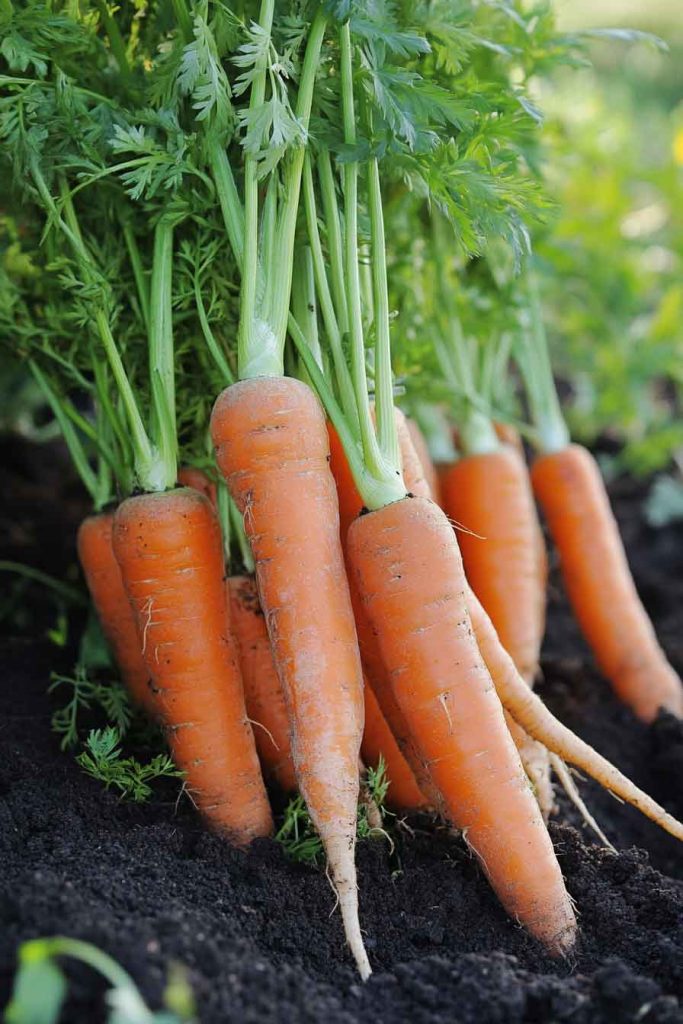
Fall carrots are sweeter and more flavorful than summer carrots. The cool soil helps them develop excellent texture and taste.
Sow carrot seeds in mid to late summer for fall harvest. Carrots can stay in the ground even after frost, and many gardeners find they taste best after cold weather. Mulch heavily to harvest carrots throughout winter.
9. Radishes
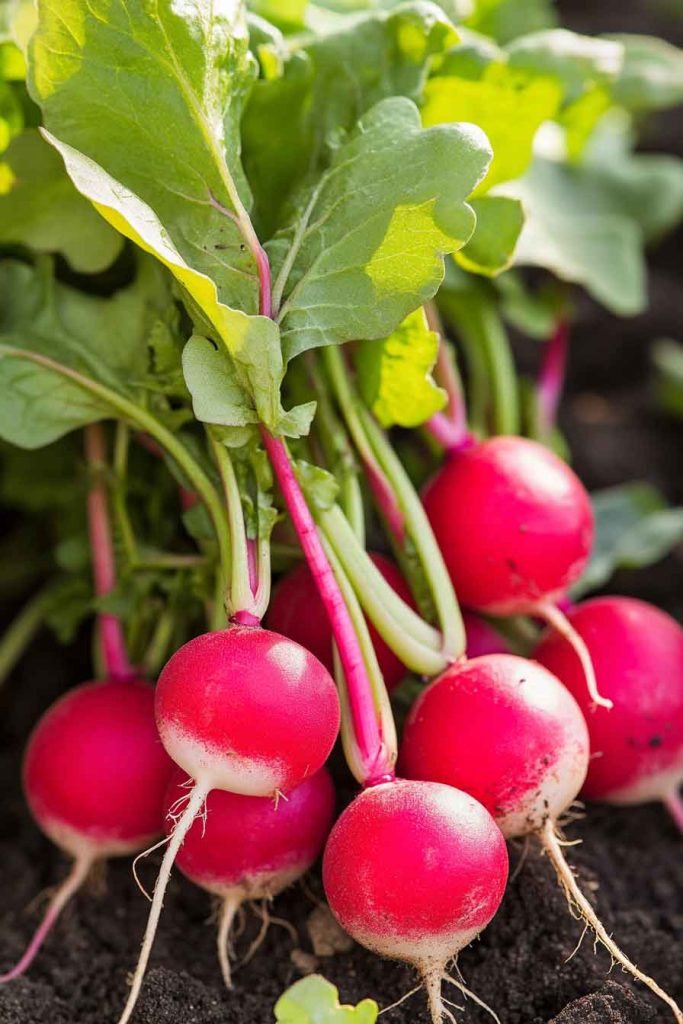
Radishes are one of the fastest-growing fall vegetables, ready to harvest in just 25 to 30 days. They add crisp texture and peppery flavor to salads.
Plant radish seeds every two weeks for continuous harvest throughout fall. Radishes prefer cool weather and develop the best flavor when grown quickly in autumn conditions.
10. Broccoli
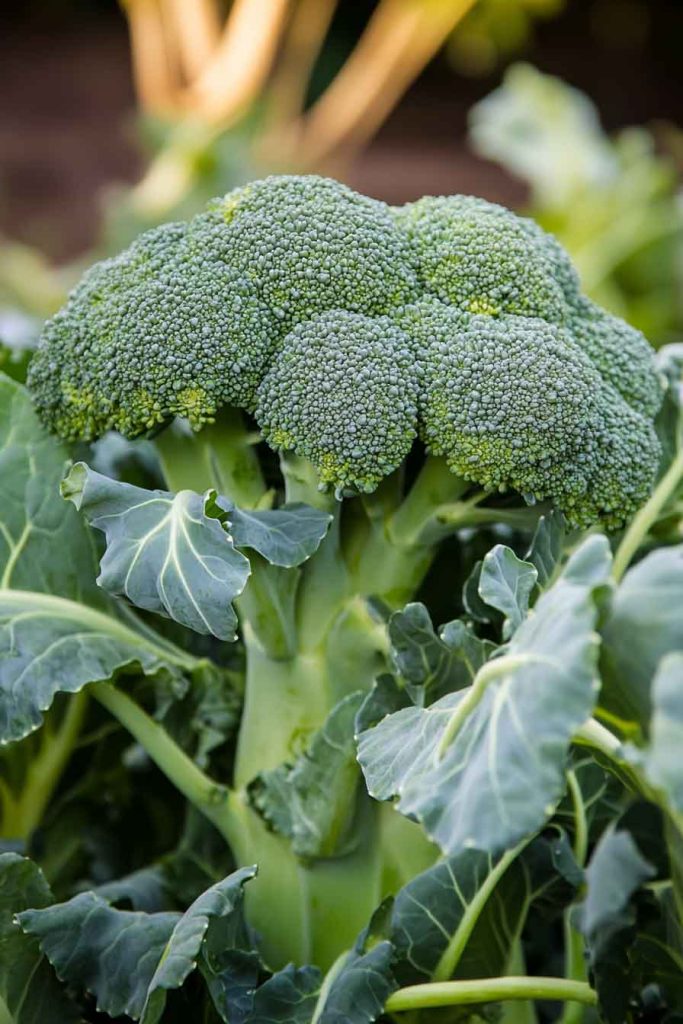
Broccoli loves cool weather and produces beautiful heads in fall gardens. This nutritious vegetable is easier to grow in autumn than in spring.
Start broccoli from transplants in late summer. The plants need time to mature before hard frost. Harvest the main head, then enjoy smaller side shoots that continue to form.
11. Cabbage
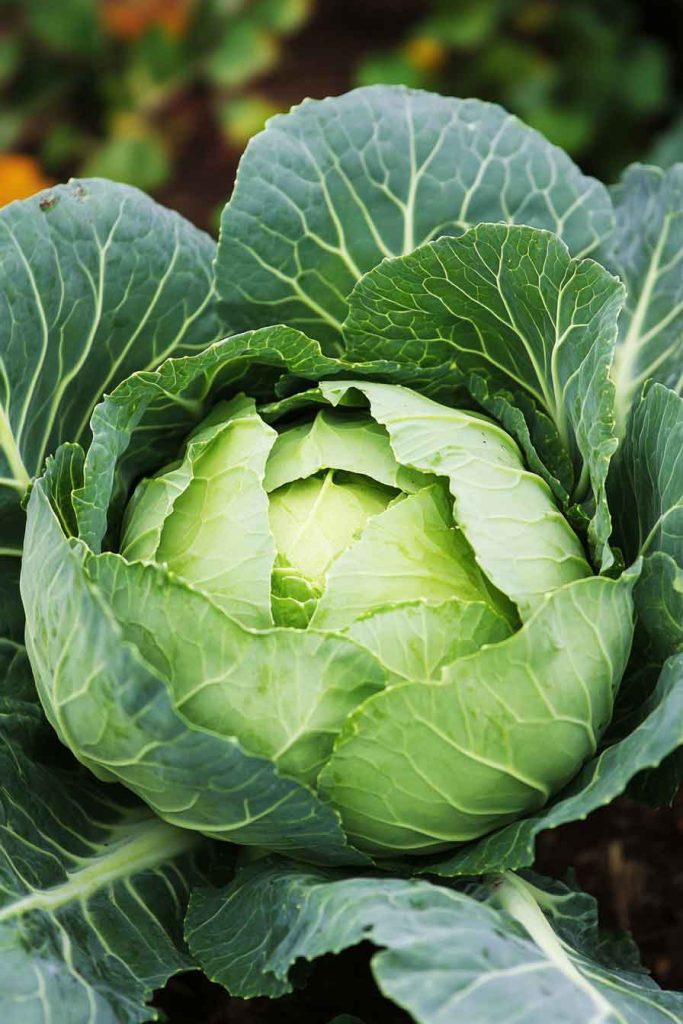
Cabbage is a classic fall vegetable that stores well and provides nutrition throughout winter. The tight heads develop best in cool temperatures.
Plant cabbage transplants in mid to late summer. Choose varieties suited for fall growing, including green cabbage, red cabbage, and savoy cabbage. Cabbage can tolerate light frosts and improves in flavor as weather cools.
12. Brussels Sprouts
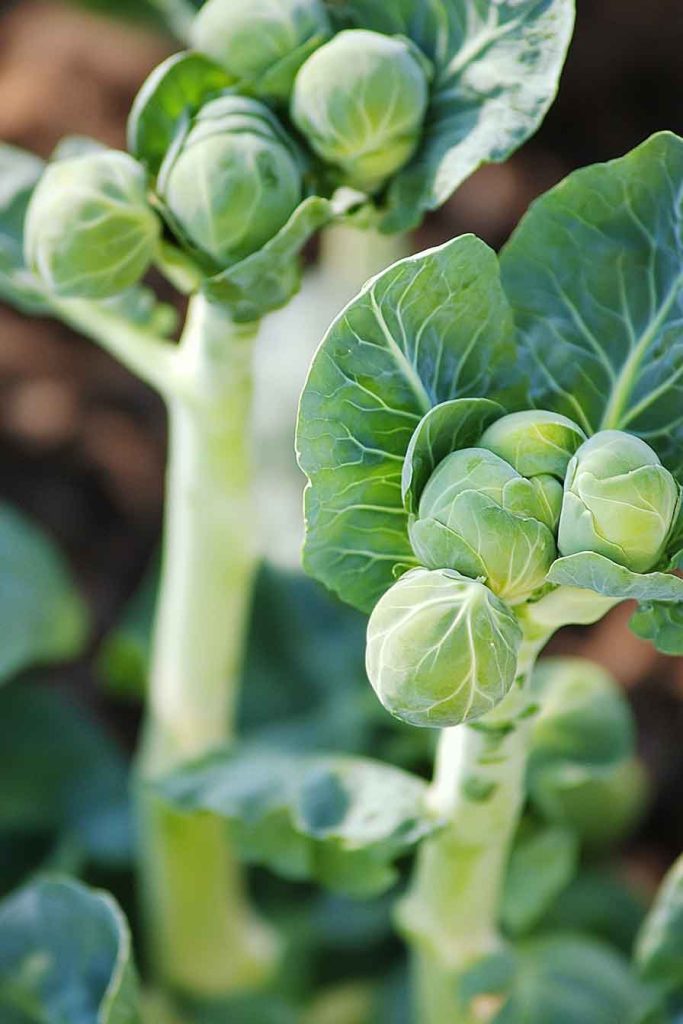
Brussels sprouts need a long growing season but reward patient gardeners with delicious mini cabbages. These vegetables actually require frost to develop their best flavor.
Start Brussels sprouts early in summer for fall harvest. The small sprouts form along tall stalks and can be harvested from bottom to top as they mature. Cold weather makes them incredibly sweet.
13. Beets
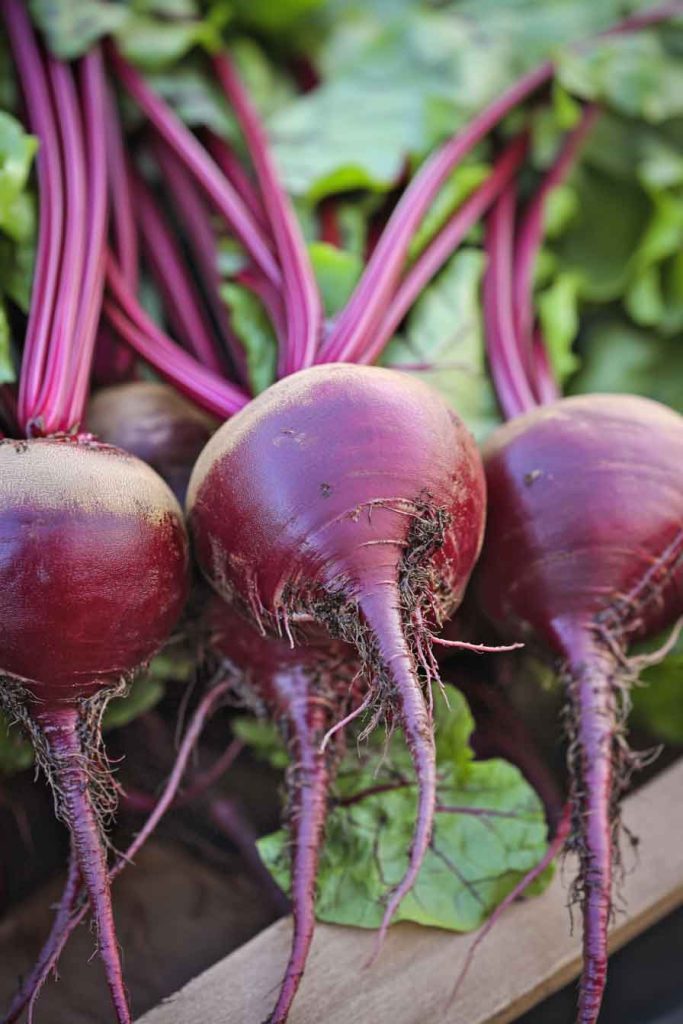
Beets are versatile fall vegetables that provide both nutritious roots and edible greens. They grow well in cool weather and store beautifully.
Plant beet seeds in late summer for fall harvest. Both the roots and the leafy tops are delicious and packed with nutrients. Beets can tolerate frost and actually taste sweeter in cool weather.
14. Turnips
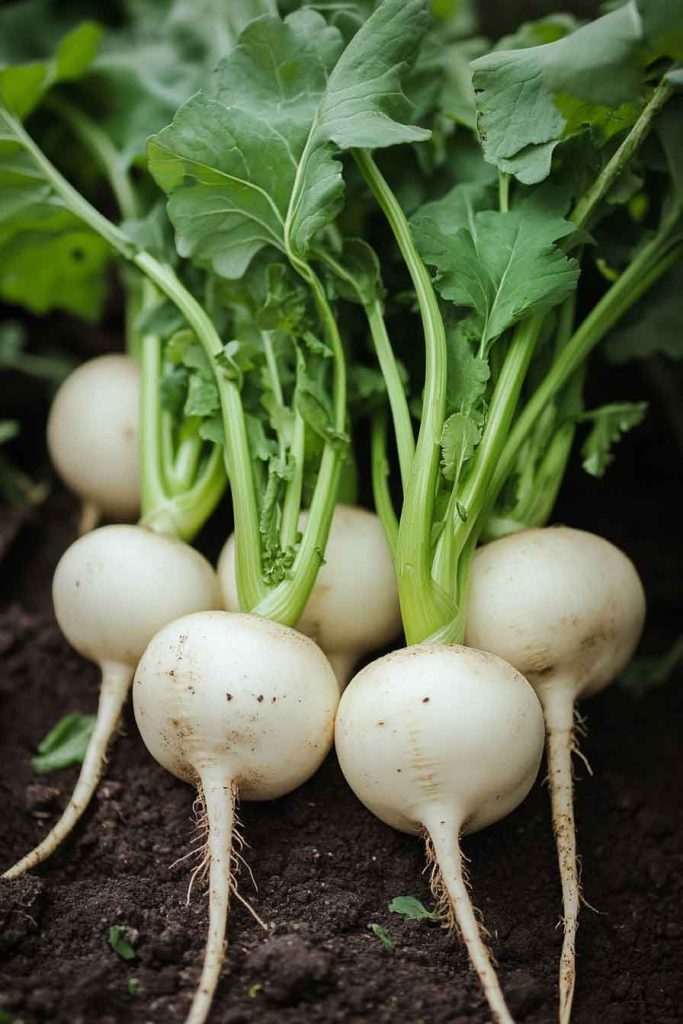
Turnips are fast-growing root vegetables perfect for fall gardens. They mature quickly and provide both roots and nutritious greens.
Sow turnip seeds directly in the garden in late summer. The roots are ready to harvest in 40 to 60 days. Turnips taste milder and sweeter when grown in cool fall weather.
15. Swiss Chard
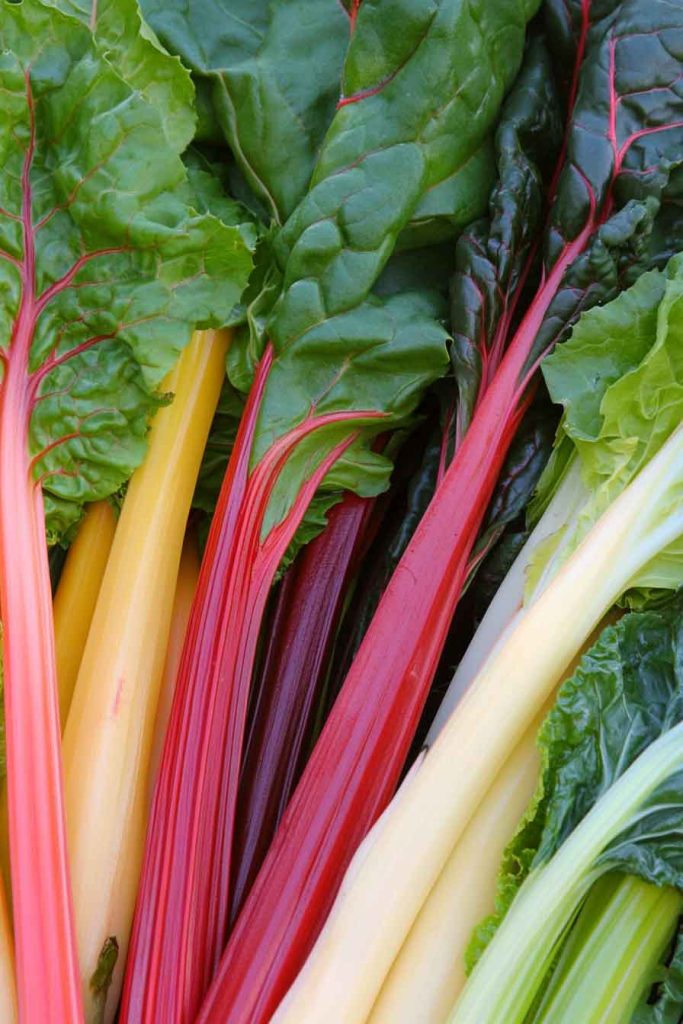
Swiss chard is a beautiful and productive fall vegetable with colorful stems and nutritious leaves. It tolerates frost and continues producing throughout autumn.
Plant Swiss chard in late summer for fall harvest. The plants are very cold-hardy and can survive light freezes. Harvest outer leaves as needed while the plant continues to grow.
16. Arugula
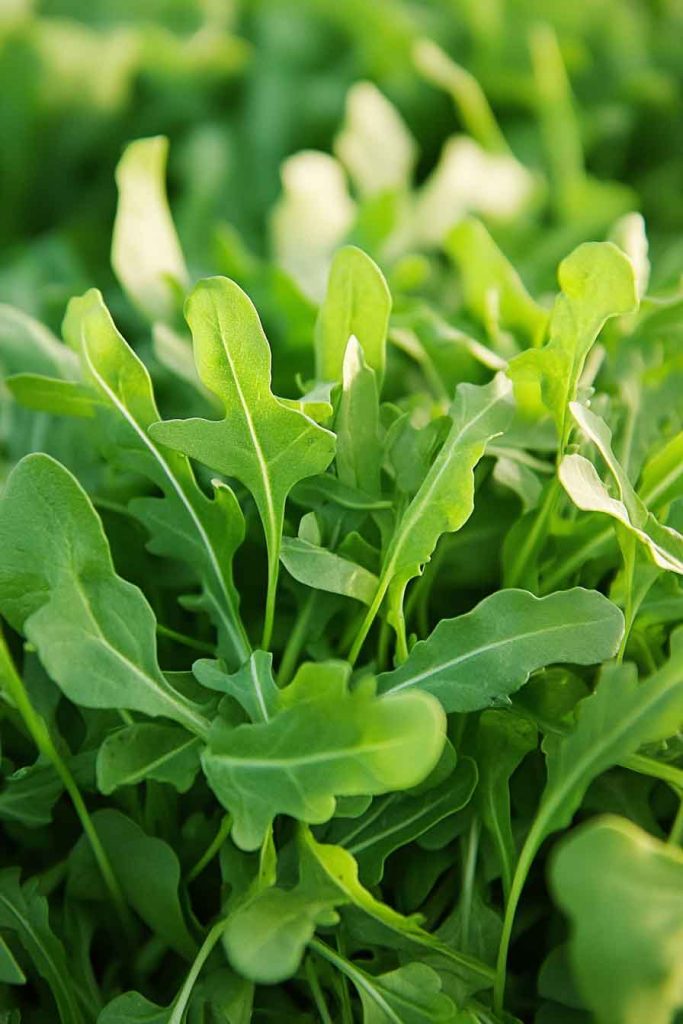
Arugula is a peppery salad green that grows quickly in fall gardens. It prefers cool weather and bolts quickly in summer heat.
Sow arugula seeds in late summer and early fall. The leaves are ready to harvest in just three to four weeks. Arugula adds wonderful flavor to salads and can tolerate light frosts.
17. Peas
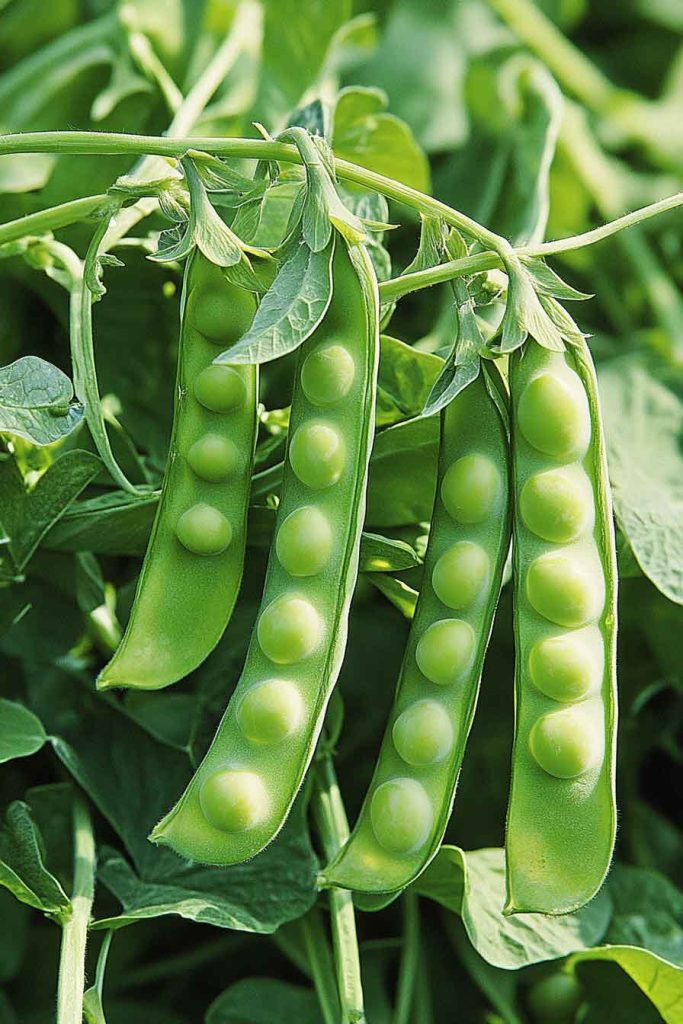
Fall peas offer a second chance to grow this spring favorite. Peas prefer cool weather and produce sweet pods in autumn gardens.
Plant pea seeds in late summer, timing the planting so they mature before hard frost. Choose quick-maturing varieties for best success. Both snap peas and snow peas work well for fall growing.
18. Cauliflower
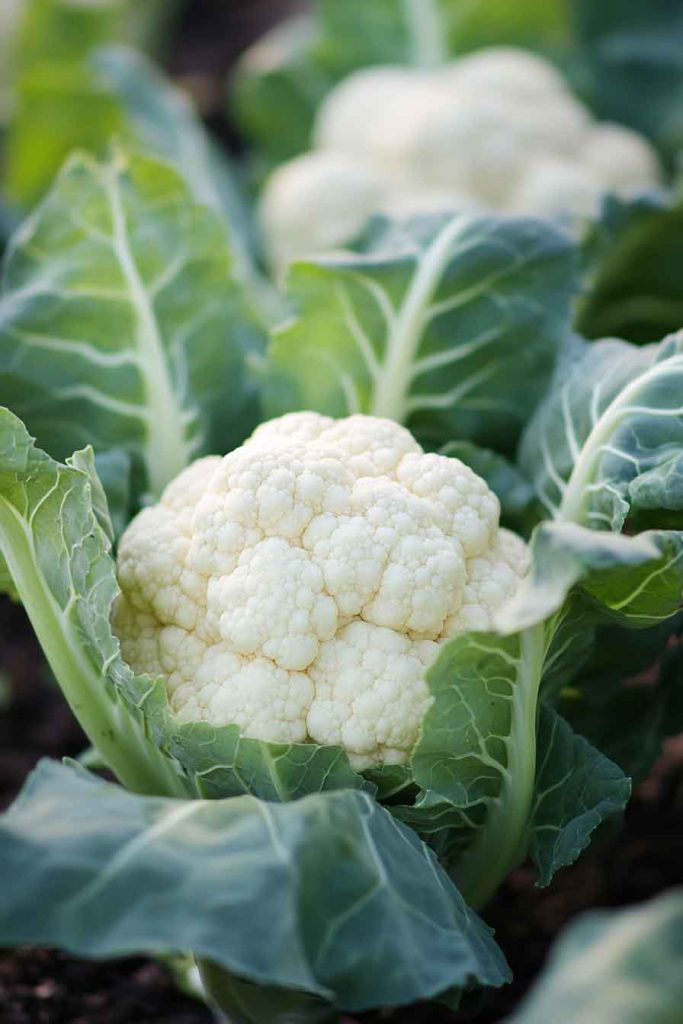
Cauliflower is a cool-season vegetable that produces beautiful white heads in fall gardens. It requires consistent moisture and cool temperatures.
Start cauliflower from transplants in mid to late summer. The plants need time to develop before freezing weather arrives. Protect developing heads by tying outer leaves over them.
19. Bok Choy
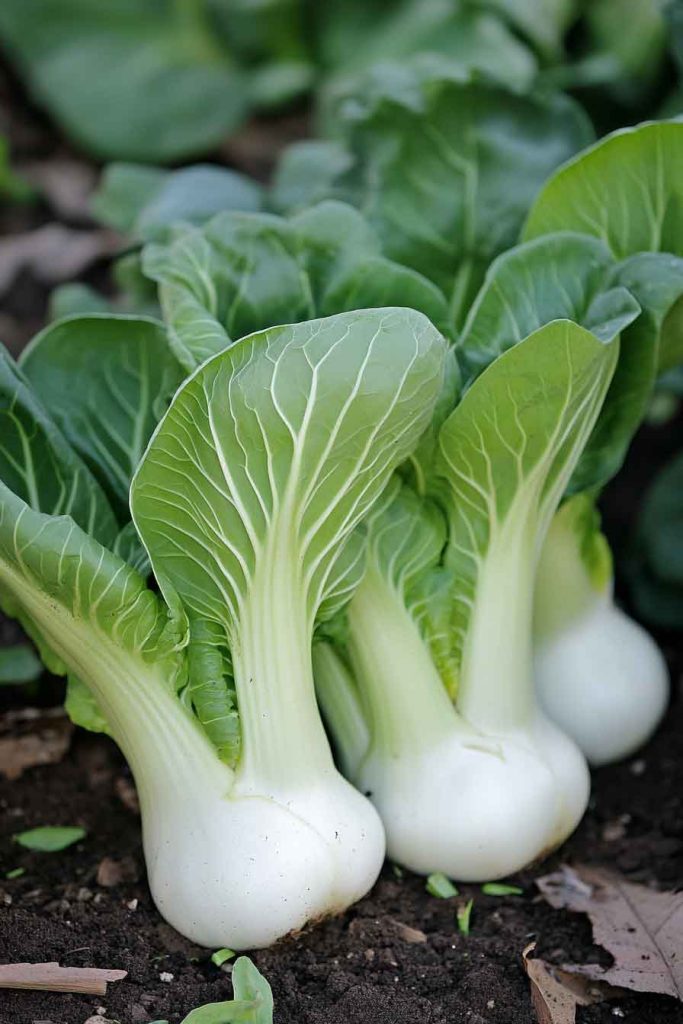
Bok choy is an Asian green that thrives in fall conditions. This fast-growing vegetable is tender, mild, and perfect for stir-fries.
Plant bok choy seeds or transplants in late summer. The plants mature quickly and can be harvested at any size. Bok choy tolerates light frost and tastes sweetest in cool weather.
20. Collard Greens
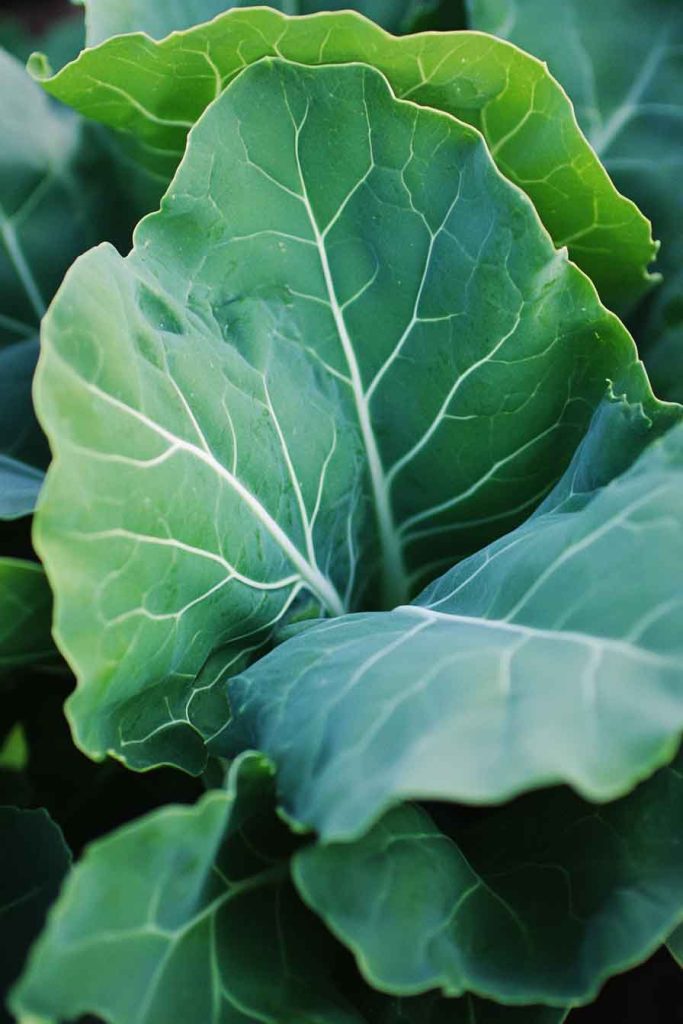
Collard greens are incredibly cold-hardy and provide nutritious greens throughout fall and winter. They improve in flavor after frost.
Start collard greens from transplants or seeds in mid to late summer. The large leaves can be harvested as needed while plants continue growing. Collards can survive temperatures in the low twenties.
21. Leeks
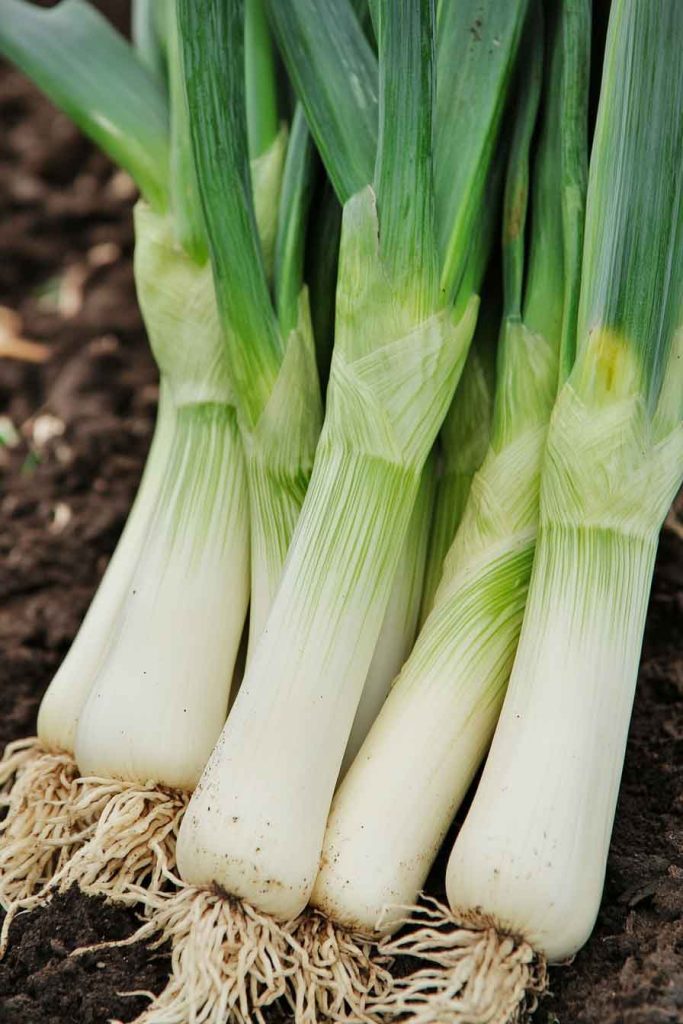
Leeks are mild-flavored members of the onion family that excel in fall gardens. They withstand cold weather and can be harvested throughout winter.
Plant leek transplants in summer for fall and winter harvest. Leeks grow slowly but are very cold-hardy. Mulch heavily to make winter harvesting easier.
22. Parsnips
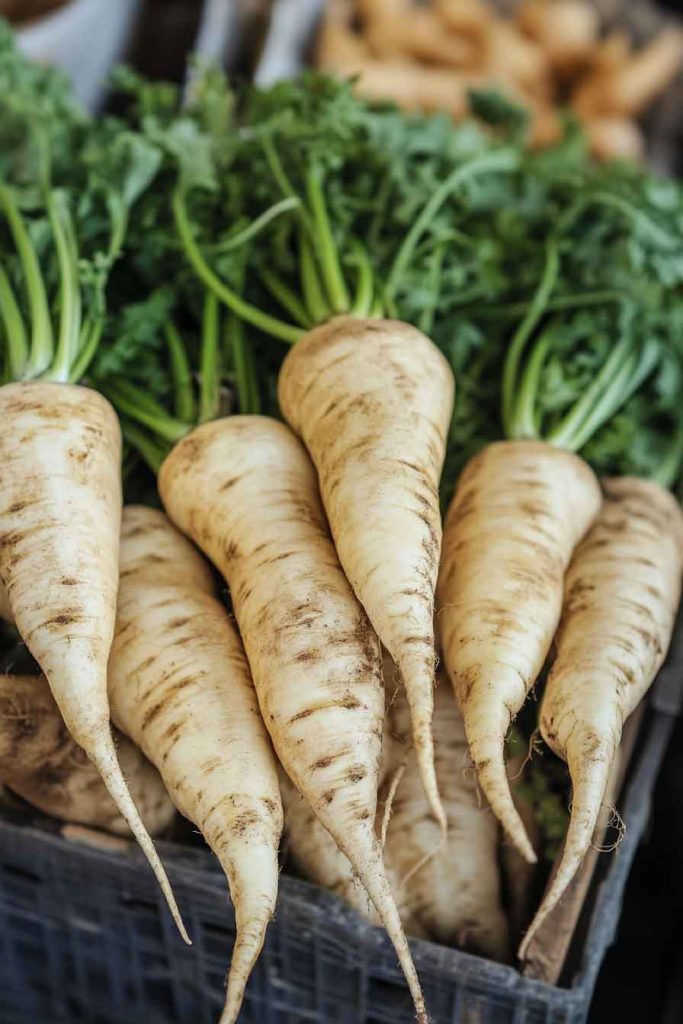
Parsnips are sweet root vegetables that need frost to develop their best flavor. They require a long growing season but are worth the wait.
Sow parsnip seeds in late spring or early summer for fall harvest. The roots can stay in the ground throughout winter and be harvested as needed. Frost converts their starches to sugar, making them deliciously sweet.
23. Kohlrabi
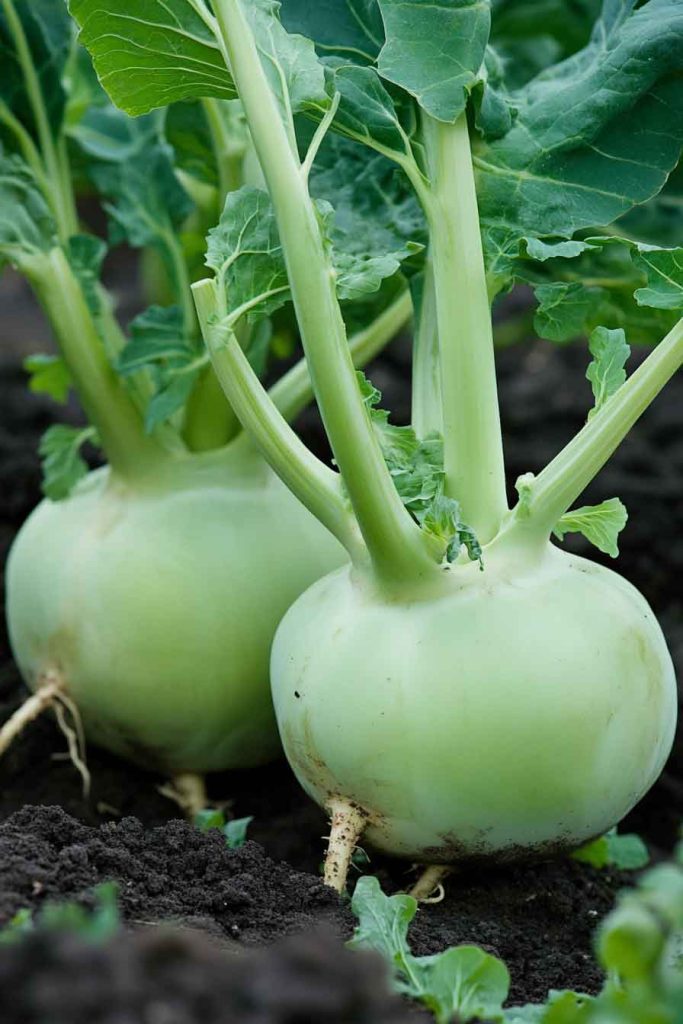
Kohlrabi is an unusual vegetable with a mild, sweet flavor similar to broccoli stems. It grows quickly in cool weather.
Plant kohlrabi seeds or transplants in late summer. The bulbous stems are ready to harvest in 50 to 60 days. Kohlrabi tolerates light frost and tastes crisp and sweet.
24. Mustard Greens
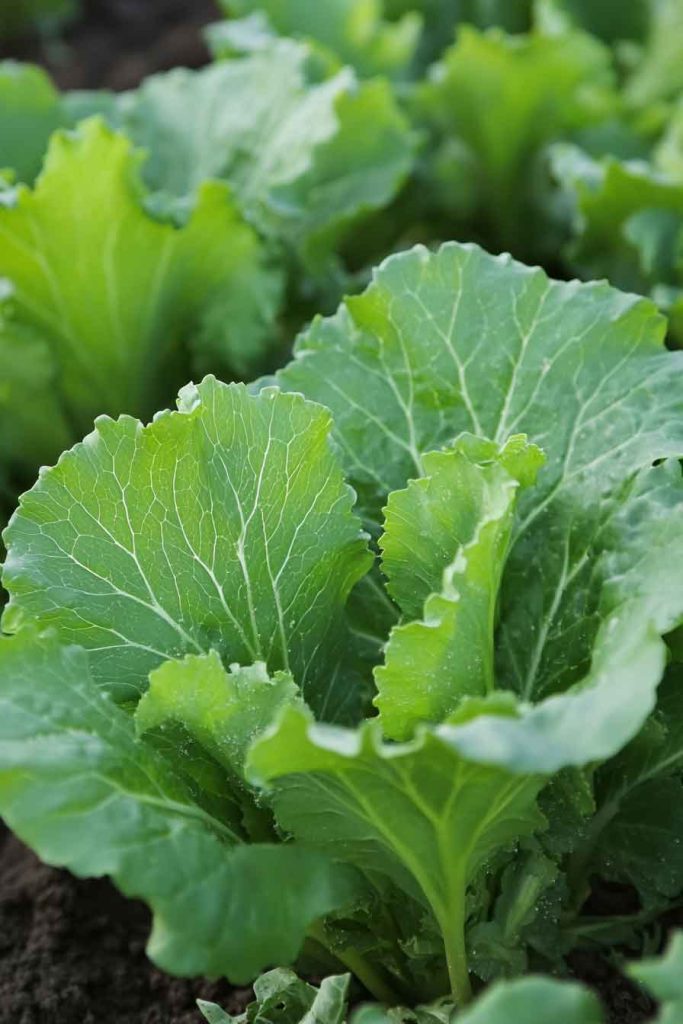
Mustard greens add spicy flavor to fall gardens. These fast-growing greens thrive in cool weather.
Sow mustard green seeds in late summer for fall harvest. The leaves are ready to pick in just four to six weeks. Mustard greens become milder and sweeter in cool weather.
25. Onions
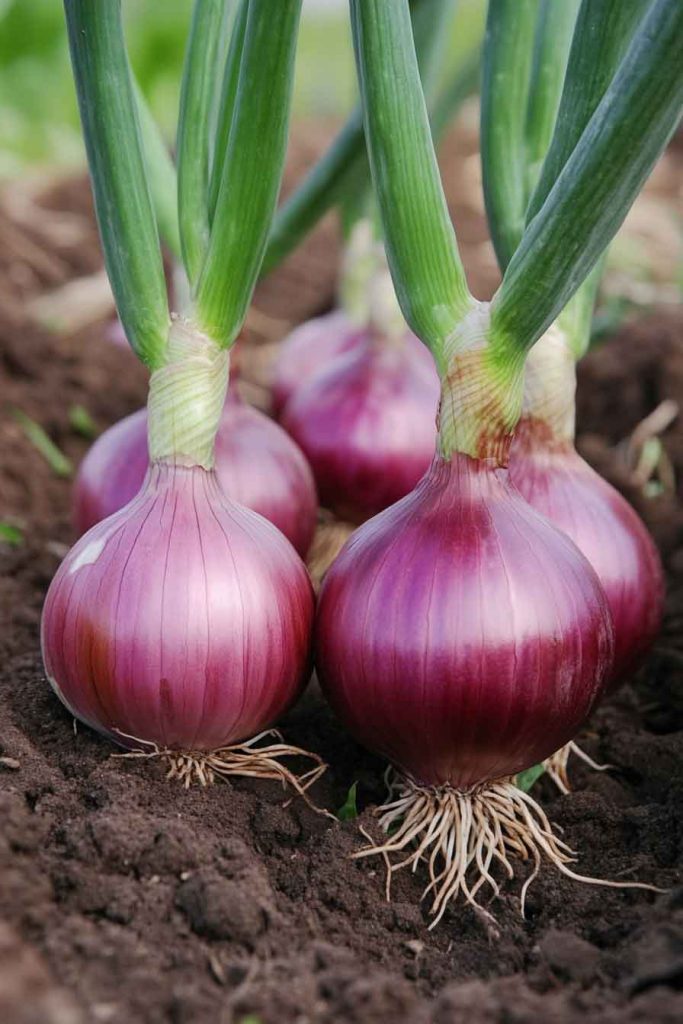
Fall is perfect for planting onion sets for spring harvest. These hardy bulbs establish roots in fall and grow vigorously in spring.
Plant onion sets in fall for harvest the following spring. Choose varieties suited for fall planting in your area. The onions will overwinter and produce large bulbs in early summer.
26. Garlic
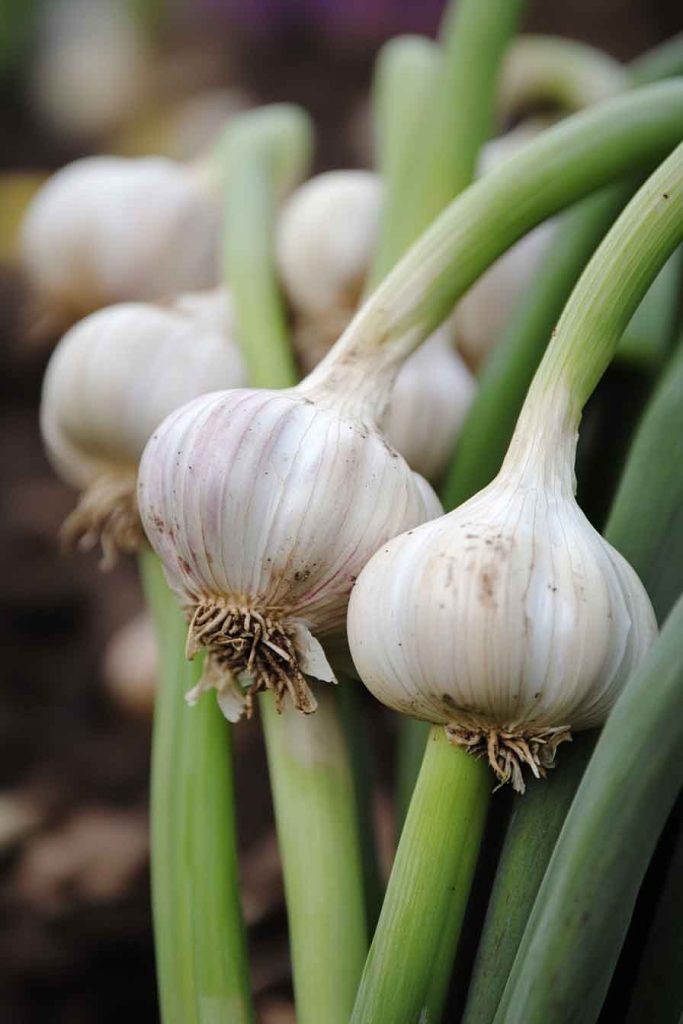
Fall is the traditional time to plant garlic for harvest the following summer. Garlic needs a cold period to form proper bulbs.
Plant garlic cloves in fall, about four to six weeks before the ground freezes. Each clove will grow into a full bulb by the next summer. Fall-planted garlic produces larger, more flavorful bulbs.
27. Mâche
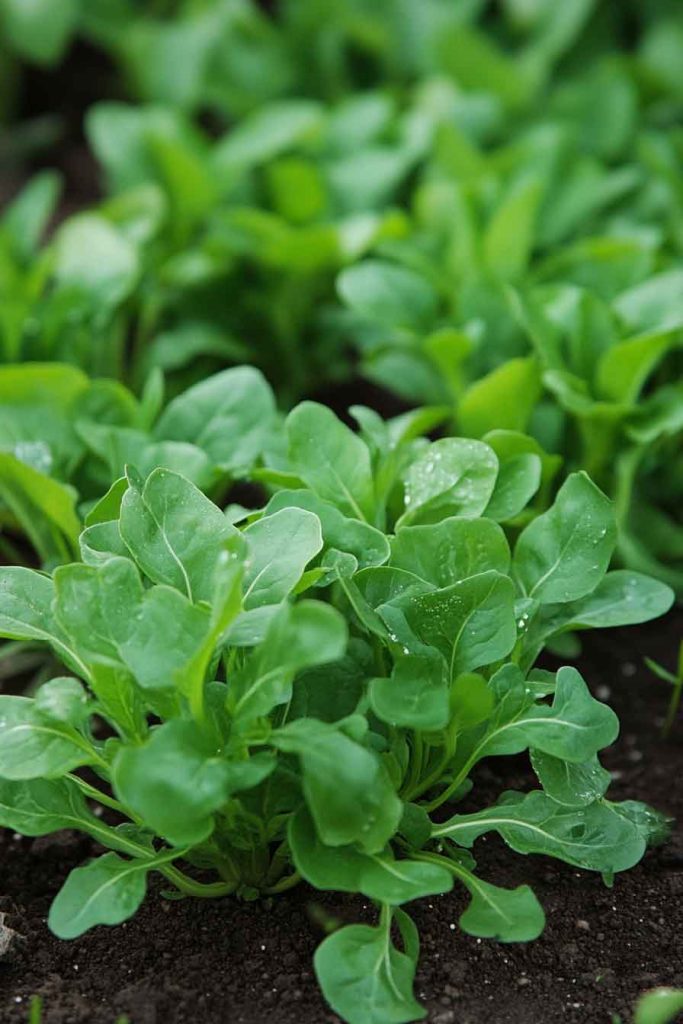
Mâche, also called corn salad, is an extremely cold-hardy salad green. It can survive harsh winter conditions and provides fresh greens when little else grows.
Sow mâche seeds in late summer or early fall. The small rosettes of tender leaves are ready to harvest in six to eight weeks. Mâche can survive temperatures well below freezing.
28. Rutabaga
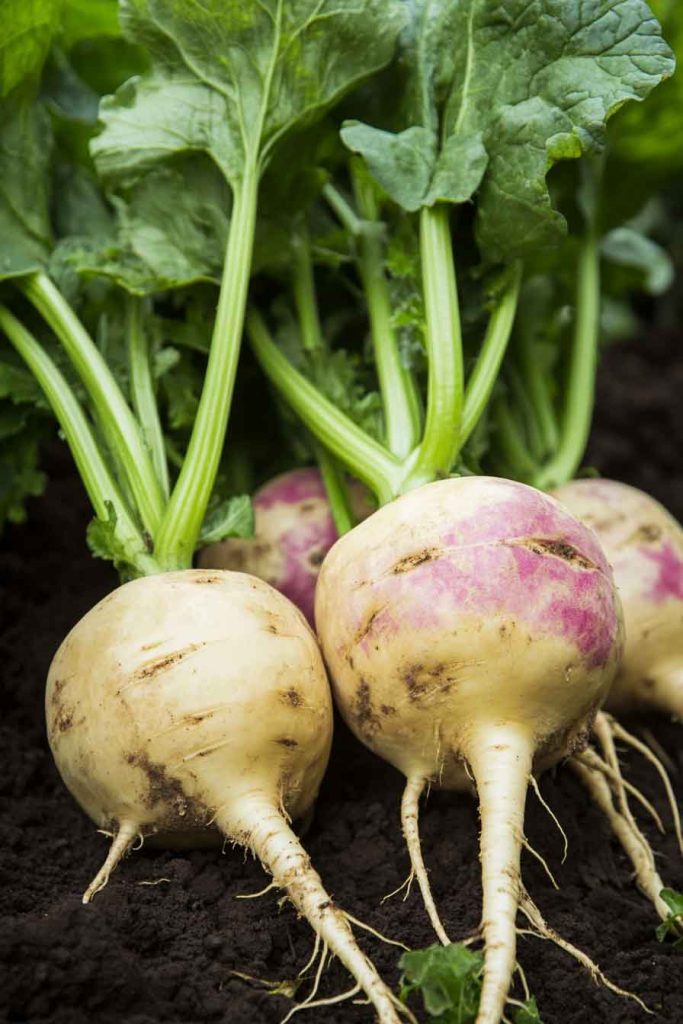
Rutabagas are sweet root vegetables that need cool weather to develop properly. They store excellently and provide nutrition throughout winter.
Plant rutabaga seeds in mid to late summer for fall harvest. The roots need about 90 days to mature. Rutabagas taste sweeter after frost and can be stored for months.
Tips for Successful Fall Gardening
Count backwards from frost: Check your first expected frost date and count backwards based on each vegetable’s days to maturity. This helps you determine the perfect planting time.
Prepare soil well: Add compost to garden beds before planting. Fall vegetables benefit from rich, well-draining soil.
Water consistently: Even though weather is cooler, fall vegetables still need consistent moisture. Water deeply and regularly, especially when establishing plants.
Use row covers: Floating row covers extend the season by protecting plants from frost. They can add several weeks to your harvest period.
Mulch heavily: Apply mulch around plants to regulate soil temperature, retain moisture, and make winter harvesting easier.
Start with transplants: When time is short, use transplants instead of seeds to get a head start on the season.
Choose quick-maturing varieties: Select vegetable varieties bred for quick maturity to ensure harvest before hard frost.
Plant in succession: Sow quick-growing crops like lettuce and radishes every two weeks for continuous harvest.
Fall Garden Vegetables: Conclusion
Growing fall vegetables is a rewarding way to extend your garden’s productivity and enjoy fresh produce during cooler months. Whether you’re planting leafy greens, root vegetables, or hardy brassicas, autumn offers ideal conditions for many delicious crops.
The key to success is planning ahead, choosing the right vegetables for your climate, and timing your plantings appropriately. Start with easy crops like lettuce, spinach, and radishes, then expand to longer-season vegetables as you gain confidence.
With proper care and attention, your fall garden can provide abundant harvests well into winter. The cooler temperatures, fewer pests, and improved flavors make fall vegetable gardening a favorite season for many gardeners. Get outside, prepare your beds, and enjoy the bounty of autumn vegetables!