30 Cottagecore Garden Ideas

Do you dream of creating a magical garden that feels like stepping into a storybook? Look no further than the following cottagecore garden ideas! Cottagecore gardening is a romantic and whimsical aesthetic that celebrates the beauty of nature, simplicity, and nostalgia, and it’s easy to see why so many people are enchanted by it.
With its focus on wildflowers, vintage elements, and charming pathways, cottagecore garden design offers a perfect blend of natural beauty and pastoral elegance. In this article, we’ll explore creative and accessible ways to transform your outdoor space into a cottagecore paradise, whether you’re starting with a blank canvas or adding some enchanting touches to your existing garden.
There are many reasons why people choose to create a cottagecore garden. One of the main reasons is that it provides a peaceful retreat from modern life, a place where you can connect with nature and find joy in simple pleasures. The abundance of flowers, herbs, and climbing plants creates a lush and welcoming atmosphere that feels both wild and intentional.
Additionally, the cottagecore style emphasizes sustainability and working with nature rather than against it, making your garden more environmentally friendly and easier to maintain. Whether you prefer a traditional English cottage garden or a more whimsical fairy-tale aesthetic, there are endless possibilities for customization.
Cottagecore gardens typically feature soft color palettes with plenty of pastels like lavender, pink, and cream, mixed with vibrant greens and pops of bright color from seasonal blooms. This style is known for its relaxed and overgrown appearance, making it a popular choice for those who enjoy a more natural and carefree outdoor space.
What is Cottagecore Garden Design?
Cottagecore garden design is a style inspired by the romantic and idyllic aesthetic of traditional English cottage gardens and rural countryside living. It is characterized by an abundance of flowers, herbs, and vegetables growing together in a charming, slightly wild manner.
The cottagecore garden aesthetic is dreamy, nostalgic, and welcoming, often incorporating elements like climbing roses, stone pathways, wooden gates, and vintage garden tools. Cottagecore gardening is all about embracing nature’s beauty and creating spaces that feel alive and flourishing.
Regardless of your garden’s size, almost any outdoor space can embrace the cottagecore vibe. The finer details matter with this approach, and it works best when elements incorporated portray a natural, romantic, and timeless feel.
Natural is beautiful, and keeping things as authentic as possible is ideal. Think weathered wooden fences, flowering vines, herbs growing alongside flowers, salvaged garden ornaments, and implementing organic gardening practices that support local wildlife.
Elements of Cottagecore Garden Design
1. Abundant Flowers
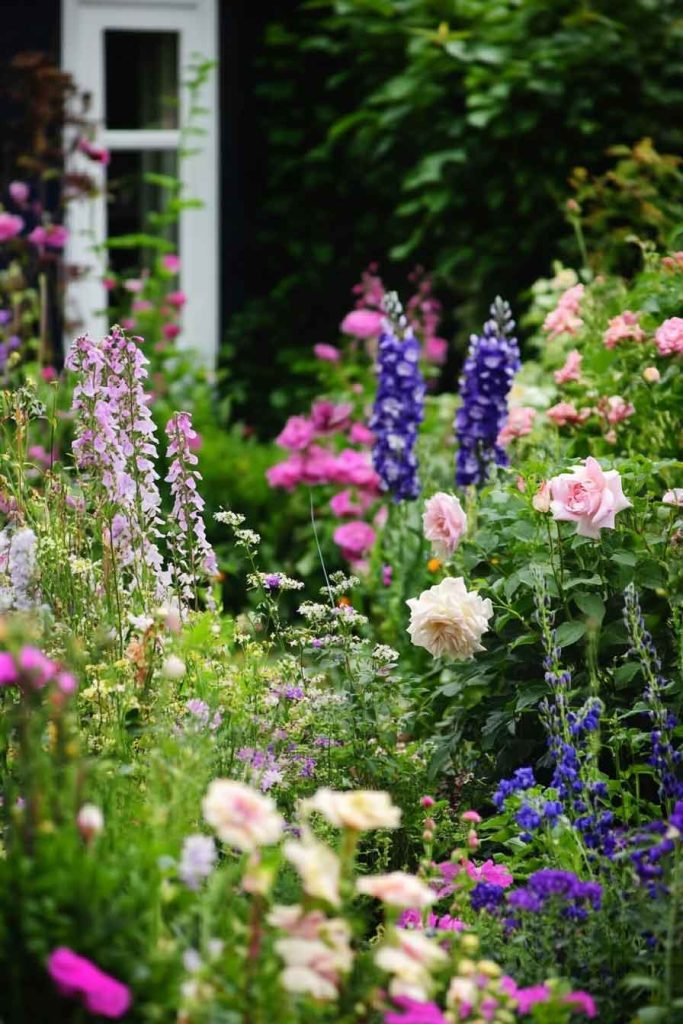
The heart of any cottagecore garden is an abundance of beautiful flowers. Choose a mix of perennials and annuals that bloom at different times throughout the season. Classic cottage garden flowers include roses, lavender, hollyhocks, foxgloves, delphiniums, and sweet peas.
Plant flowers in generous clusters rather than single plants to create a lush, overflowing appearance. Allow flowers to self-seed and spread naturally for that effortless, romantic look. Mix different heights, colors, and textures to create visual interest and depth in your garden beds.
2. Climbing Plants and Vines
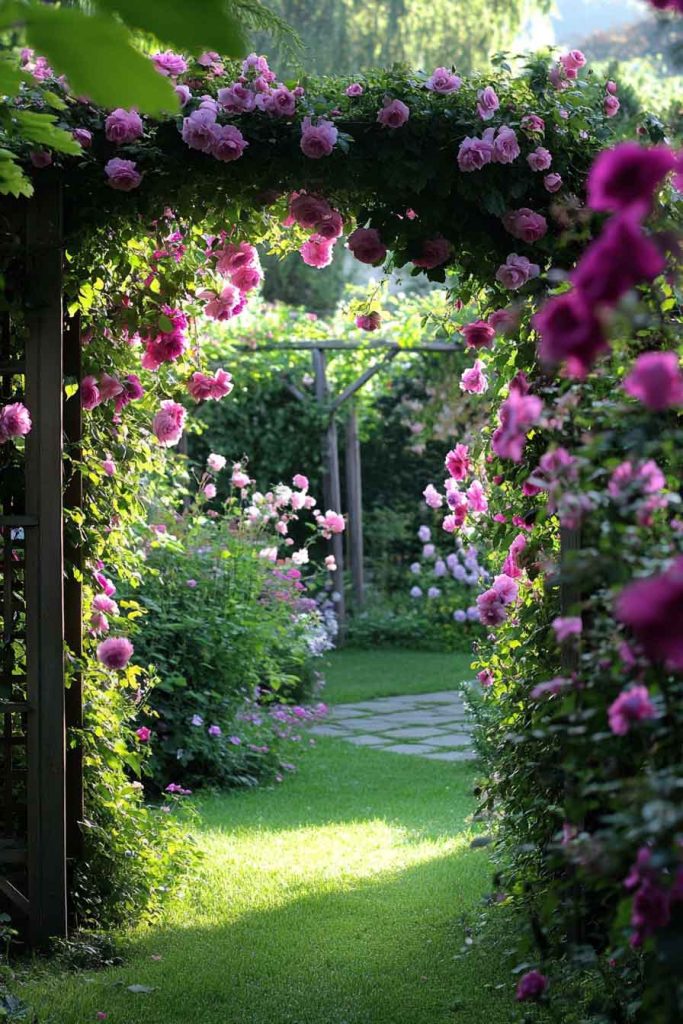
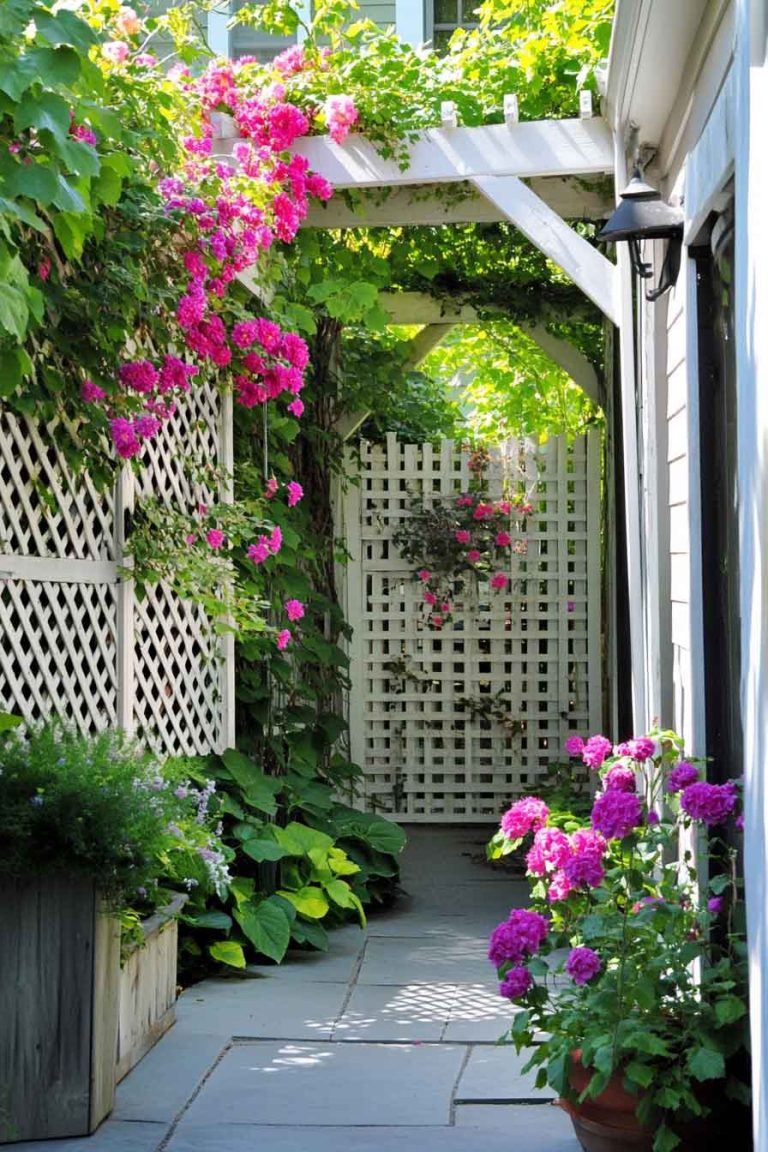
Climbing plants are essential for creating that dreamy, overgrown cottagecore aesthetic. Grow climbing roses, clematis, honeysuckle, or jasmine up trellises, arbors, and walls. These vertical elements add height and romance to your garden while making the most of limited space.
Install wooden or metal trellises against walls and fences to support climbing plants. Create archways covered in flowering vines to frame pathways and entrances. The sight and scent of blooming climbers will transport you to a peaceful countryside retreat.
3. Herb Gardens
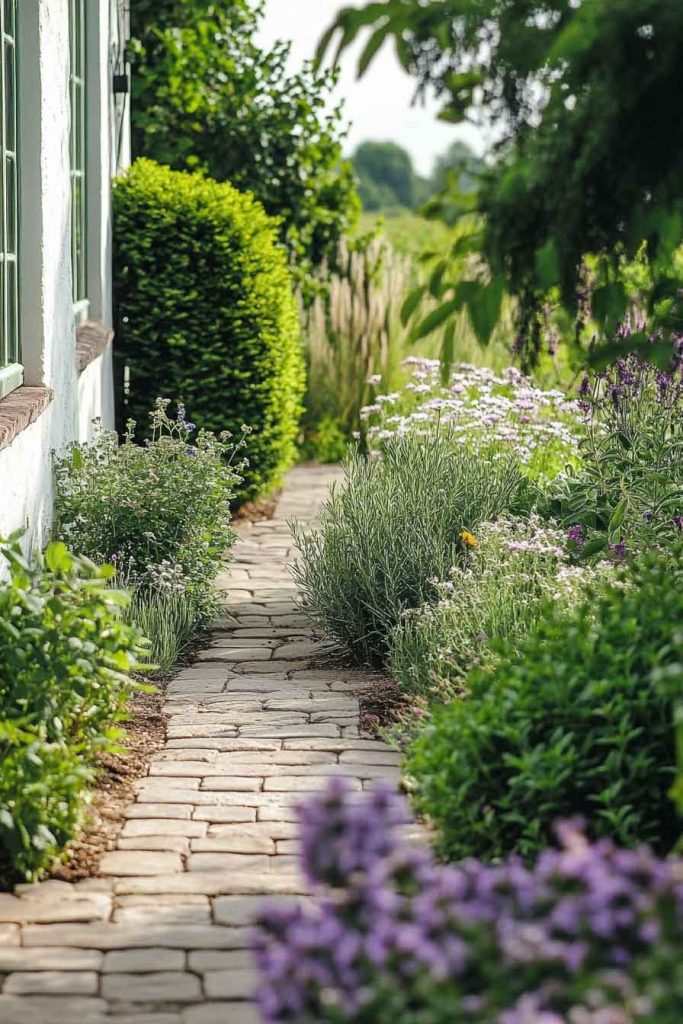
Herbs are a practical and beautiful addition to any cottagecore garden. Plant traditional cottage garden herbs like rosemary, thyme, sage, mint, and chamomile. These plants not only look lovely but also provide wonderful scents and can be used in cooking and herbal teas.
Create a dedicated herb garden near your kitchen door for easy access, or mix herbs throughout your flower beds. Many herbs have beautiful flowers that attract pollinators, adding both beauty and functionality to your space.
4. Winding Pathways
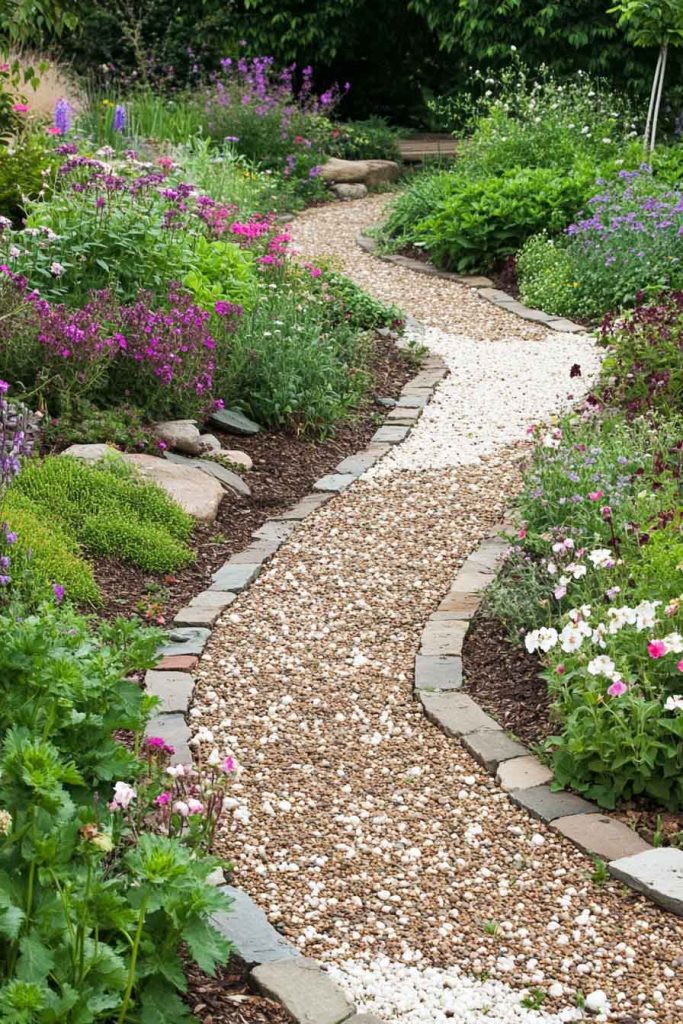
Create charming pathways that wind through your garden, inviting exploration and discovery. Use natural materials like gravel, stepping stones, brick, or wood chips. The paths should feel organic and slightly irregular rather than perfectly straight.
Edge your pathways with low-growing plants like alyssum, creeping thyme, or lady’s mantle that will soften the edges and create that overflowing cottage garden look. Allow plants to spill over onto the paths for a natural, lived-in appearance.
5. Vintage and Repurposed Garden Decor
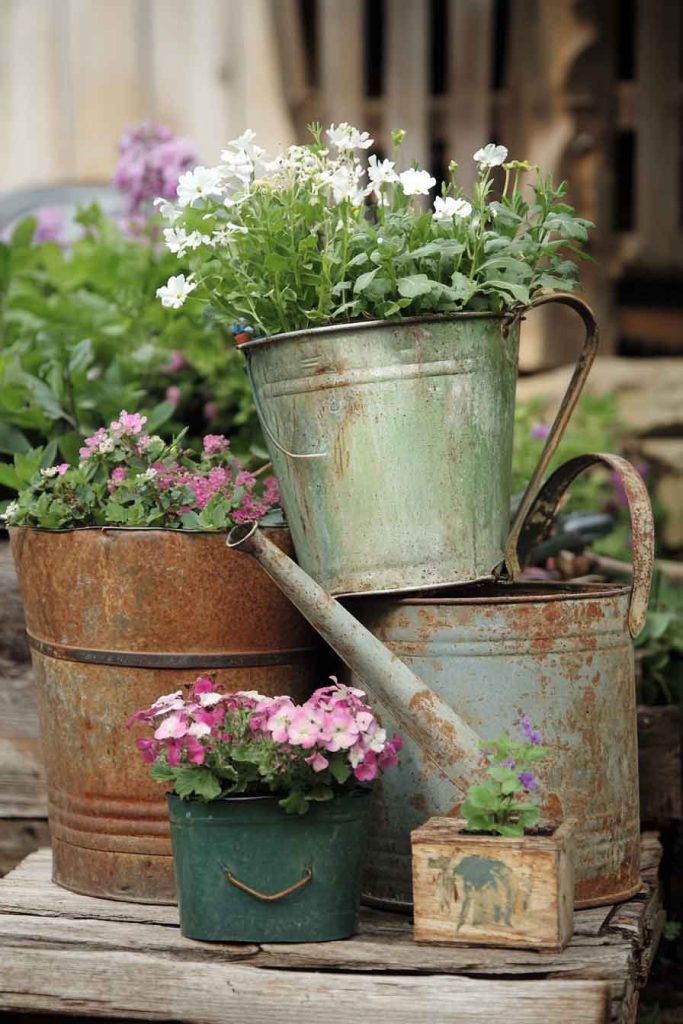
Incorporate vintage and repurposed items to add character and charm to your garden. Old watering cans, weathered wooden crates, vintage wheelbarrows, and antique garden tools make wonderful decorative elements. These items add a sense of history and nostalgia to your space.
Look for treasures at flea markets, antique shops, and yard sales. Even rusty or chipped items add to the authentic cottagecore aesthetic. Use old containers as planters, lean vintage tools against fences, or create vignettes with collections of weathered garden items.
6. Wildlife-Friendly Elements
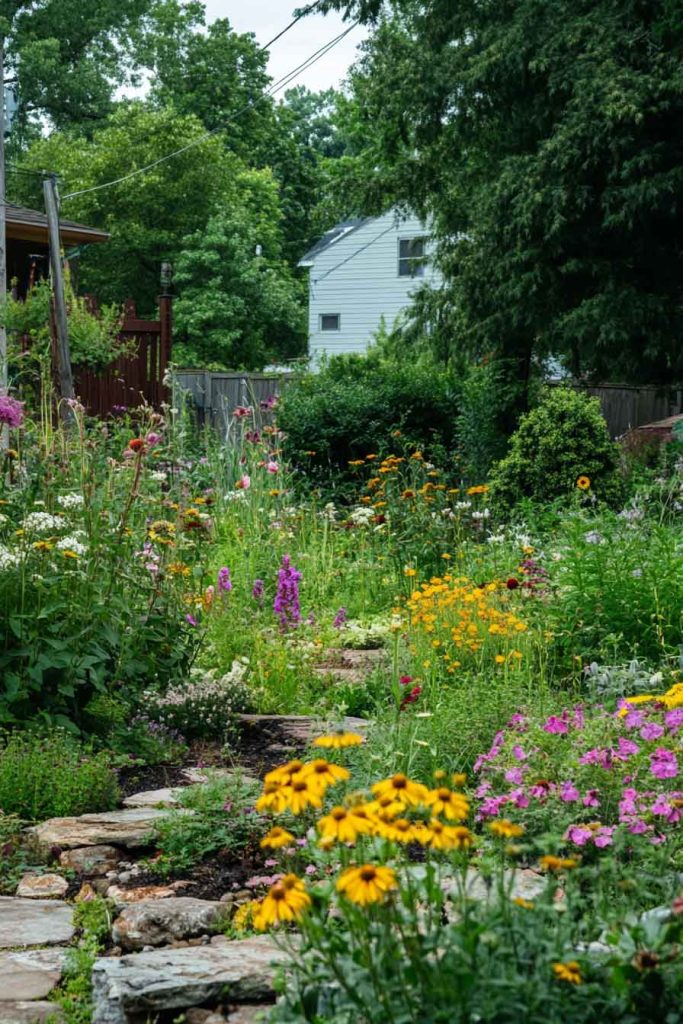
A true cottagecore garden welcomes wildlife and creates a healthy ecosystem. Include elements that attract birds, butterflies, bees, and beneficial insects. Bird baths, bee hotels, and butterfly-friendly plants all contribute to a thriving garden environment.
Choose native plants when possible, as they provide the best food sources for local wildlife. Avoid chemical pesticides and embrace organic gardening methods. A garden buzzing with life feels more magical and authentic.
7. Vegetable and Cutting Gardens
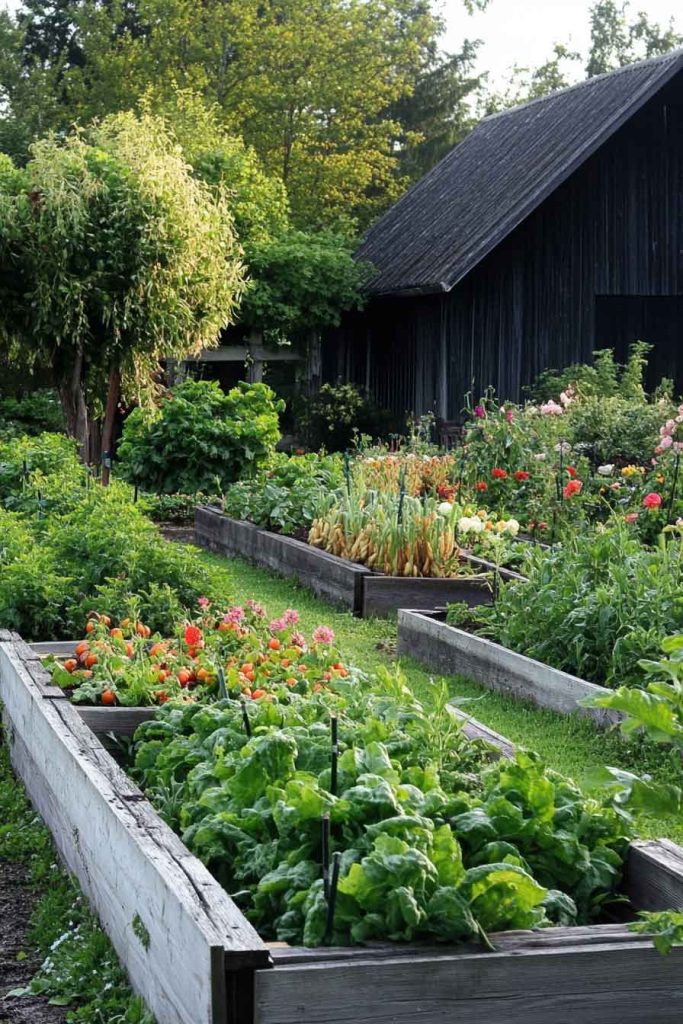
Grow your own vegetables and cutting flowers to embrace the self-sufficient spirit of cottagecore living. Create raised beds or dedicated areas for vegetables like tomatoes, lettuce, beans, and squash. Plant rows of flowers specifically for cutting and bringing indoors.
Mix vegetables and flowers together in a traditional potager style garden. The combination of edible and ornamental plants creates a beautiful and productive space that embodies the cottagecore philosophy of living simply and sustainably.
8. Rustic Fencing and Borders
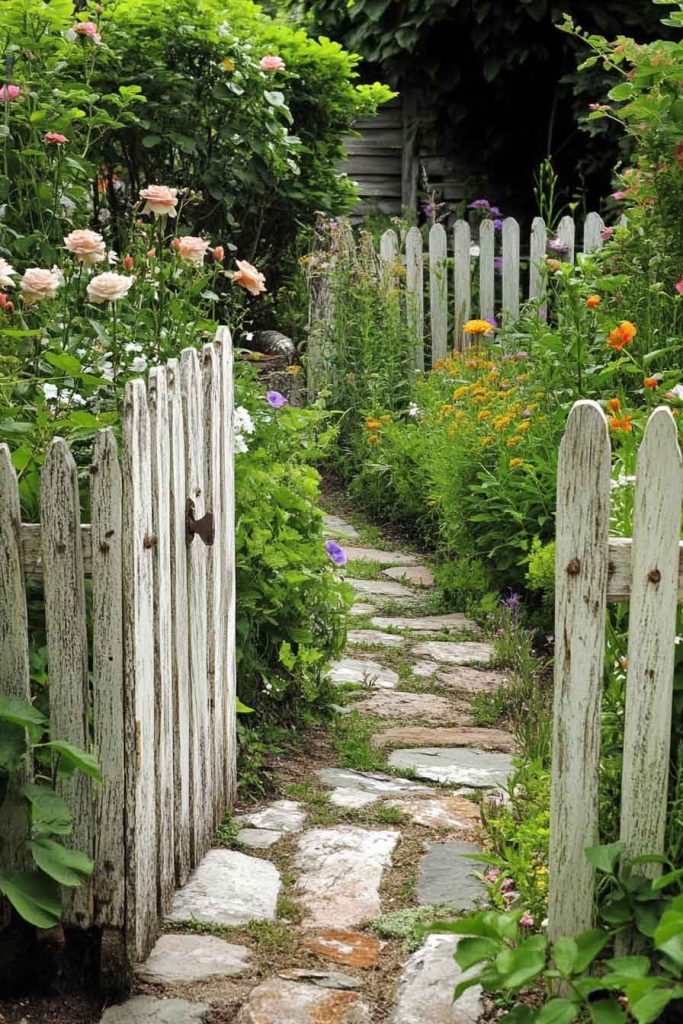
Define your garden spaces with rustic fencing and borders made from natural materials. Picket fences painted white or left natural, wattle fencing made from woven branches, or simple post-and-rail fences all work beautifully in cottagecore gardens.
Use natural stone, brick, or wooden edging to define flower beds. These materials age gracefully and develop a lovely patina over time, adding to the timeless quality of your garden.
9. Garden Seating Areas
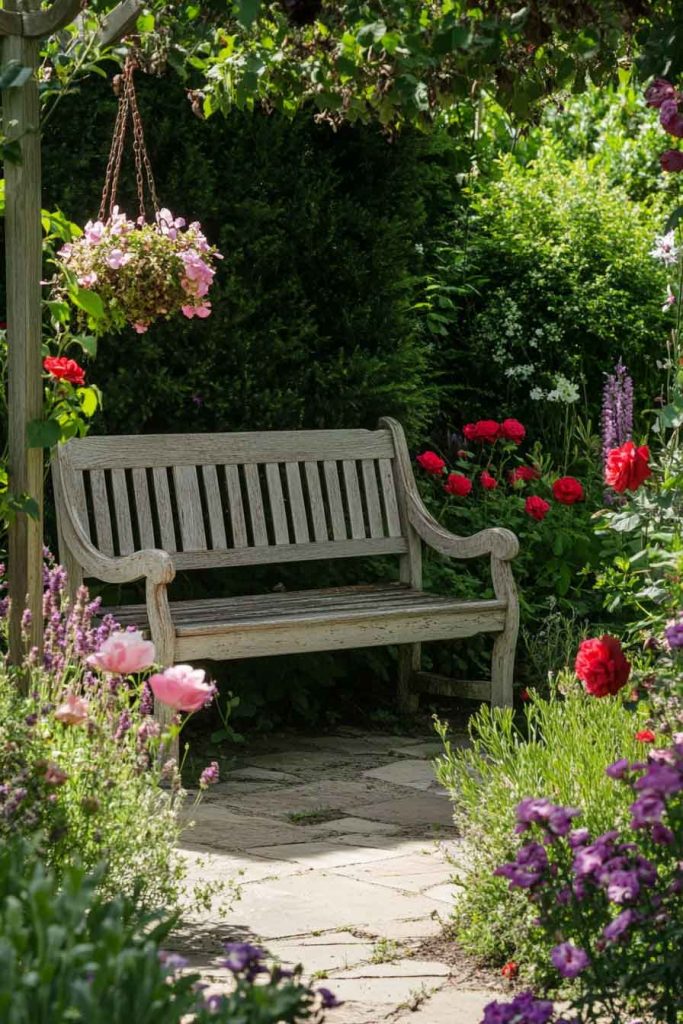
Create cozy seating areas where you can relax and enjoy your garden. A weathered wooden bench nestled among flowers, a small bistro set on a paved area, or a swing hanging from a tree all provide perfect spots for quiet contemplation.
Surround seating areas with fragrant plants like lavender, roses, or jasmine. Add soft cushions in floral or natural fabrics for comfort. These intimate spaces become favorite retreats for reading, sipping tea, or simply watching the garden grow.
10. Cottage Garden Color Schemes
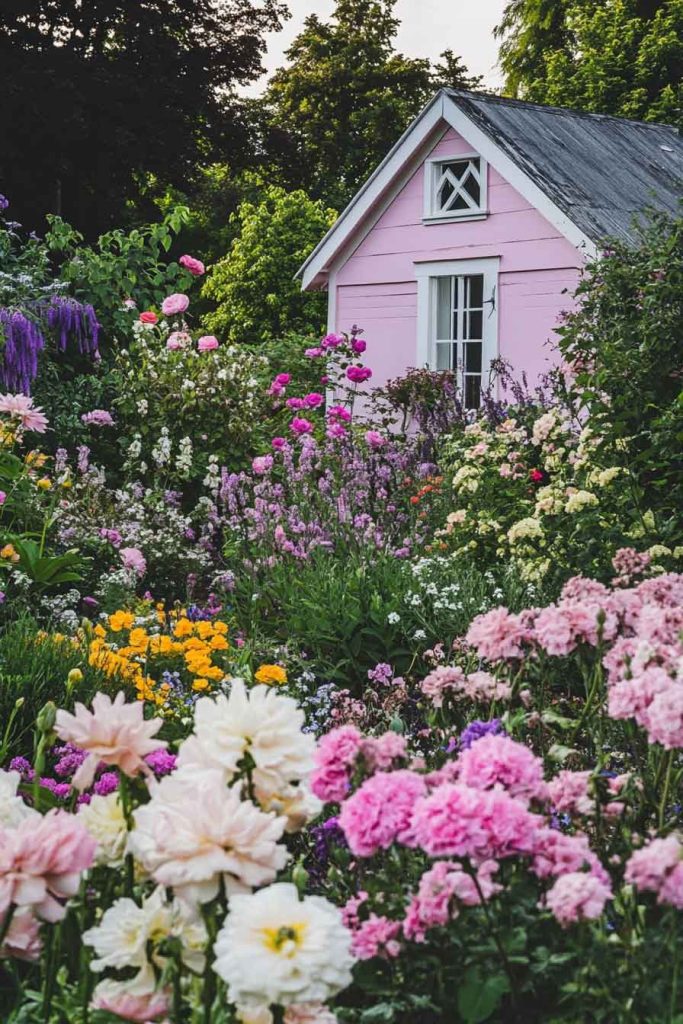
While cottagecore gardens can include a rainbow of colors, certain color schemes are particularly evocative. Soft pastels like pink, lavender, pale yellow, and cream create a dreamy, romantic atmosphere. White gardens with green foliage have a classic elegance.
You can also embrace bolder cottage garden schemes with jewel tones like deep purple, magenta, and golden yellow. The key is to plant generously and allow colors to mingle naturally rather than being too coordinated or controlled.
11. Water Features
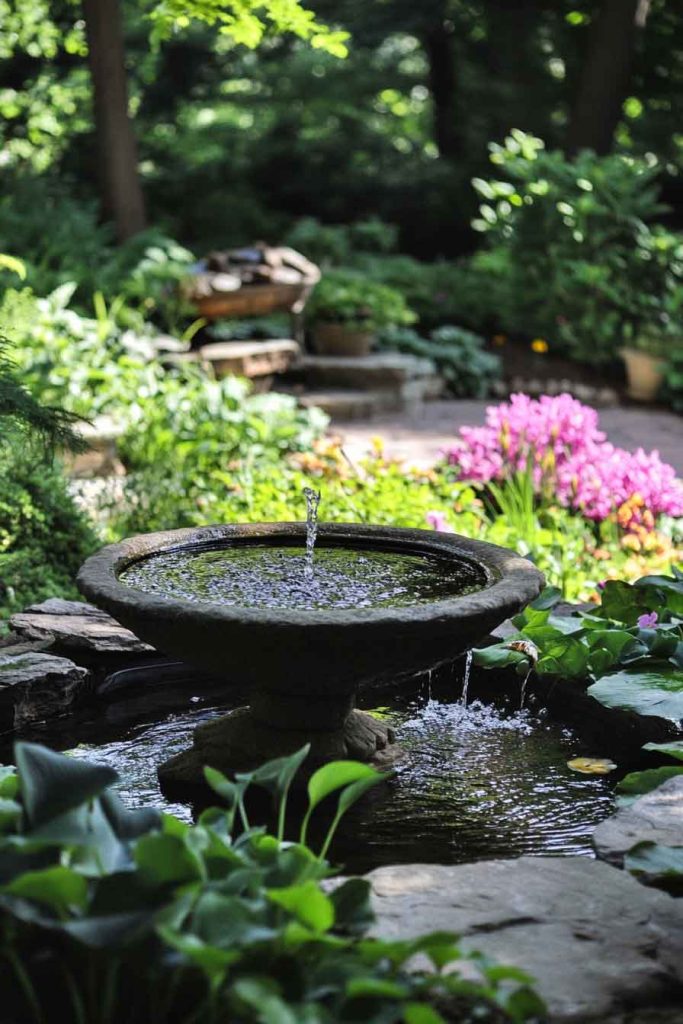
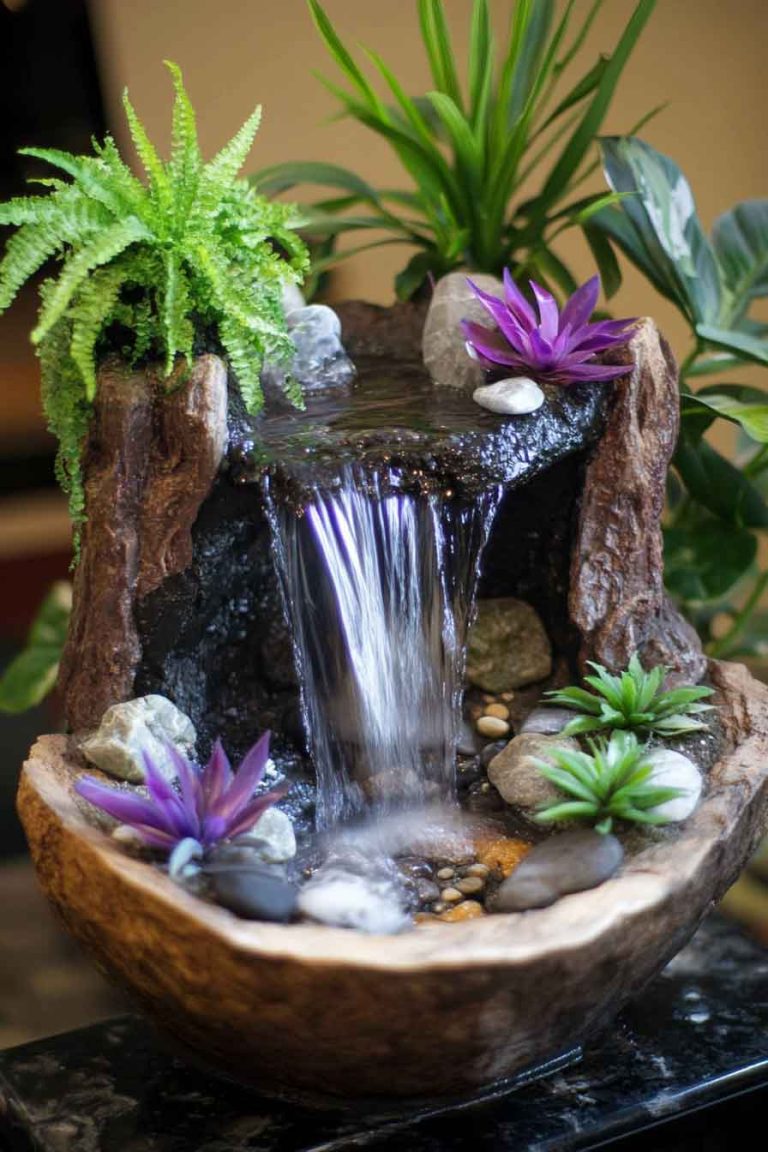
Adding a water feature brings soothing sounds and movement to your cottagecore garden. A simple birdbath, a small fountain, or even a shallow pond can become a focal point. Water features also attract wildlife and provide drinking spots for birds and beneficial insects.
Choose features made from natural materials like stone or weathered metal. Keep the scale appropriate for your garden size. Even a small bubbling fountain can add tremendous charm and ambiance.
12. Flowering Shrubs
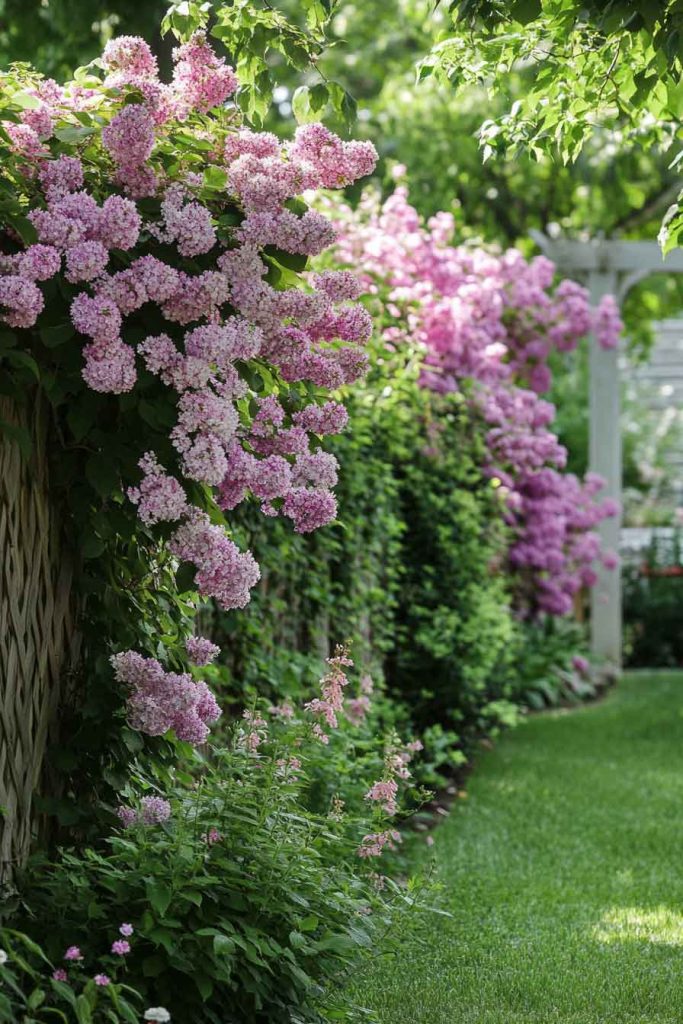
Incorporate flowering shrubs to provide structure and year-round interest in your cottagecore garden. Roses are classic choices, but also consider lilacs, hydrangeas, mock orange, and weigela. These plants provide beautiful blooms and can serve as backdrops for smaller flowers.
Plant shrubs along boundaries to create privacy and windbreaks. Their woody structure provides support for climbing plants and creates a more mature, established garden appearance.
13. Wildflower Meadows
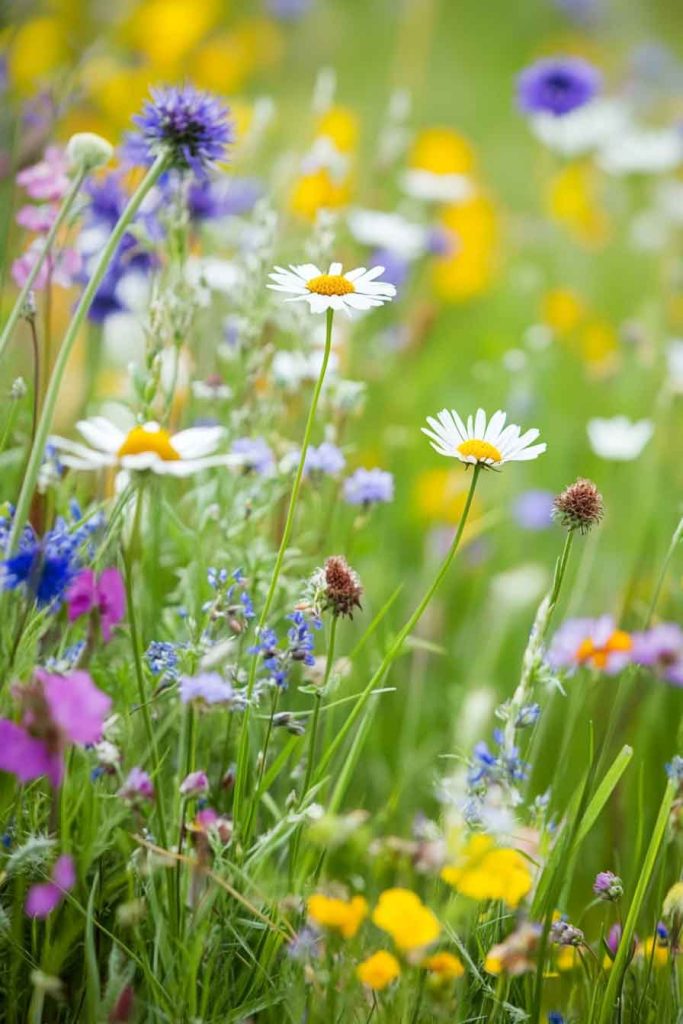
Create a wildflower meadow area in part of your garden for a natural, carefree look. Sow a mix of native wildflower seeds in a sunny area and allow them to grow with minimal intervention. This low-maintenance option provides habitat for pollinators and creates a beautiful, naturalistic display.
Allow grass in meadow areas to grow long and cut it only once or twice a year. The combination of grasses and wildflowers swaying in the breeze embodies the cottagecore connection to nature.
14. Garden Sheds and Structures
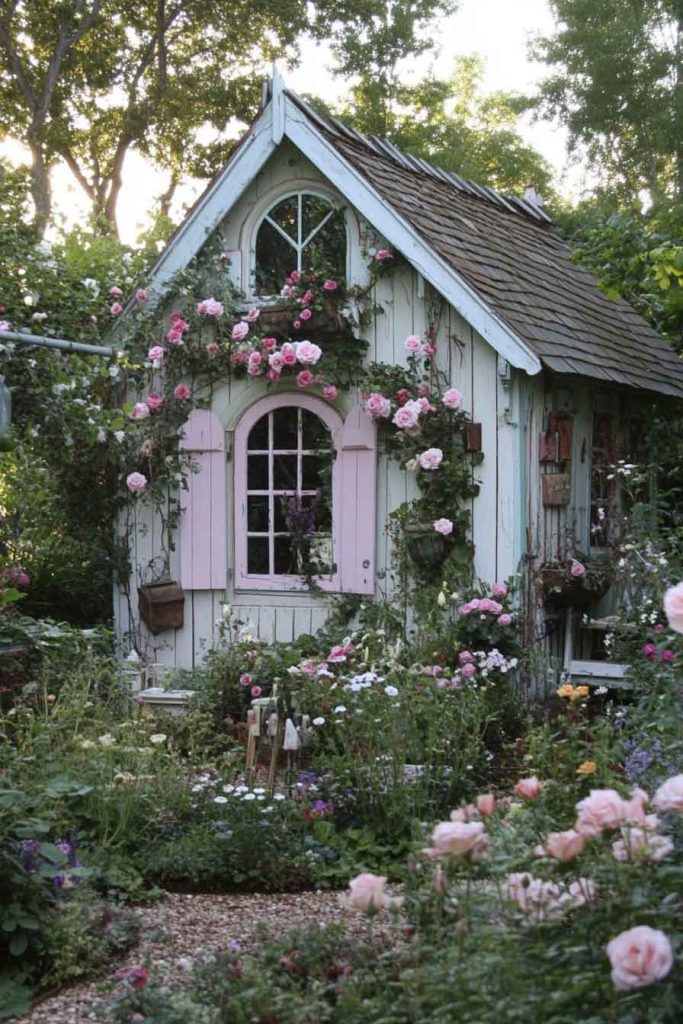
A charming garden shed or greenhouse becomes both functional and decorative in a cottagecore garden. Paint wooden sheds in soft colors or leave them natural to weather gracefully. Surround structures with climbing roses or ivy for a romantic, storybook appearance.
Use sheds to store tools and supplies while making them attractive focal points. Add window boxes, hang vintage tools on the exterior walls, and position the shed where it enhances your garden’s layout.
15. Cottage Garden Lighting
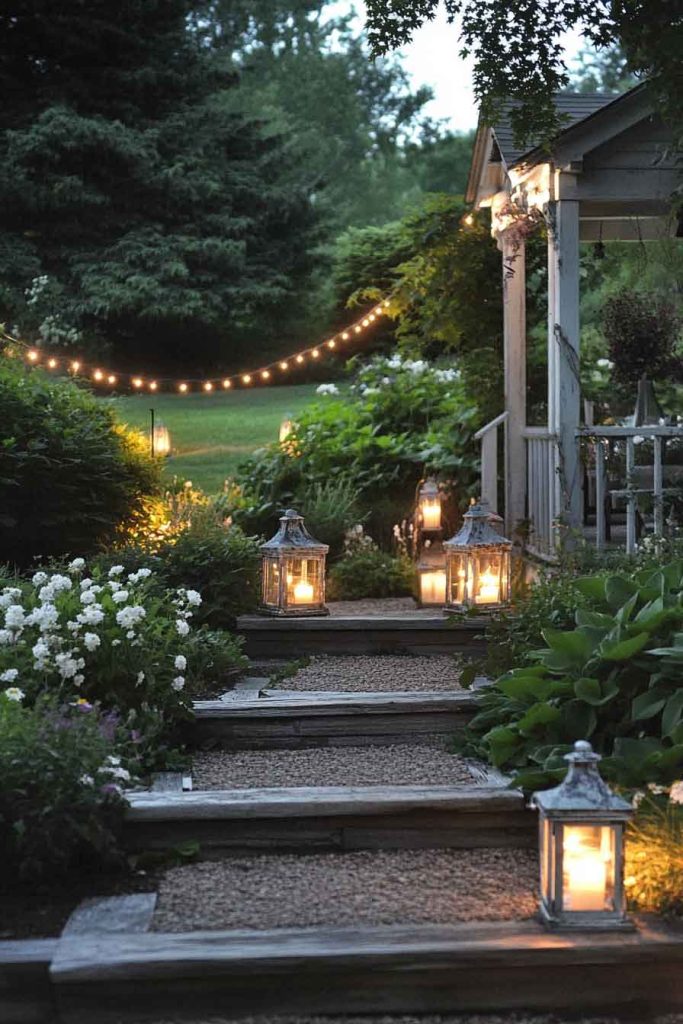
Create magical evening ambiance with soft garden lighting. Use solar lanterns, string lights, or candles in weathered lanterns to illuminate pathways and seating areas. Lighting should be subtle and warm, enhancing the romantic atmosphere after dark.
Position lights to highlight special plants or features without overwhelming the natural darkness. The gentle glow of candlelight or fairy lights adds enchantment to evening garden visits.
16. Seasonal Bulbs
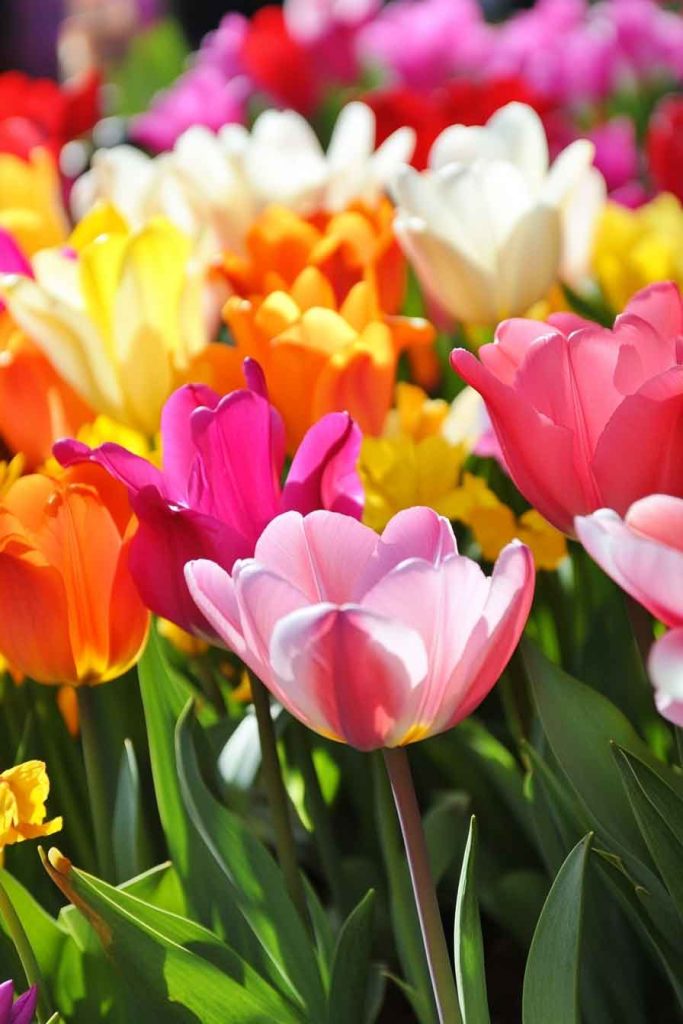
Plant spring and summer bulbs throughout your garden for waves of color. Tulips, daffodils, crocuses, and snowdrops announce spring’s arrival. Summer bulbs like lilies, dahlias, and gladiolus continue the show.
Plant bulbs in generous drifts and clusters for maximum impact. Allow them to naturalize and spread over time. The cycle of bulbs emerging, blooming, and fading reinforces your connection to the changing seasons.
17. Edible Flowers
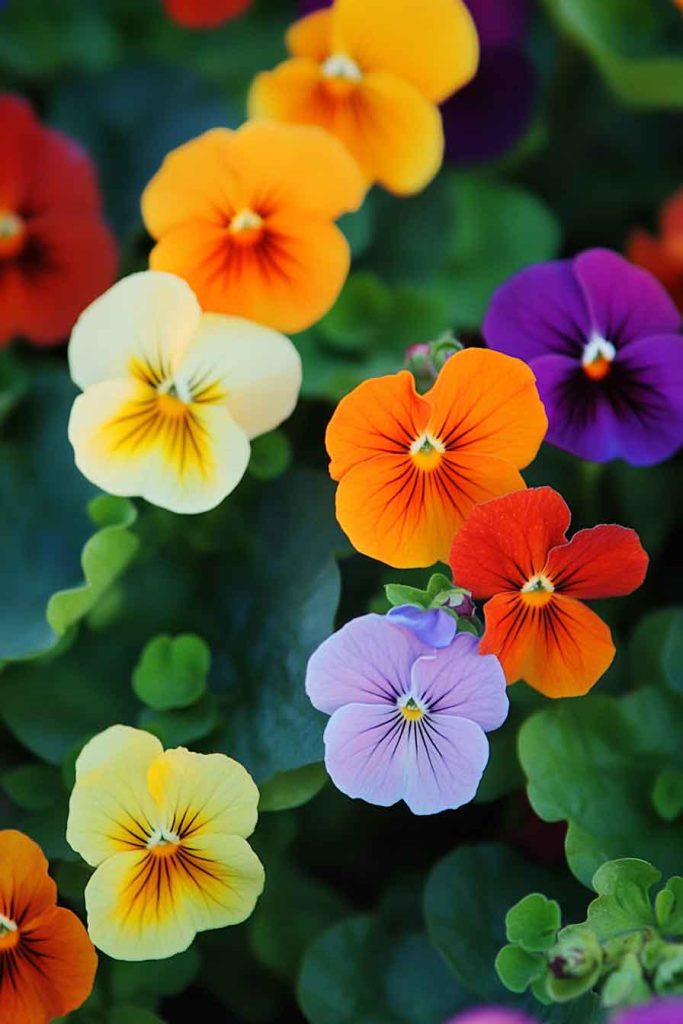
Include edible flowers like nasturtiums, pansies, calendula, and borage in your plantings. These flowers add beauty while also being useful in the kitchen. Scatter edible flowers in salads, freeze them in ice cubes, or use them to decorate cakes.
Growing edible flowers connects you to traditional cottage garden practices where beauty and utility went hand in hand. These versatile plants often self-seed readily, creating ever-changing displays.
18. Scented Plants
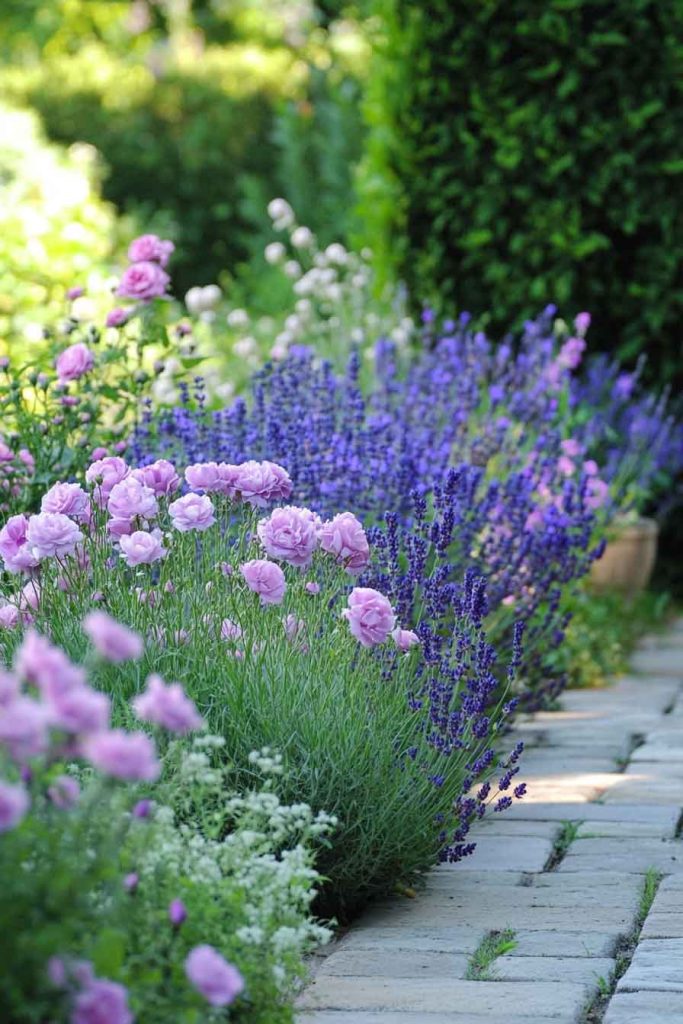
Fill your garden with fragrance by choosing highly scented plants. Roses, lavender, sweet peas, stock, and night-scented plants like evening primrose create layers of perfume throughout the day and evening.
Position fragrant plants near seating areas, pathways, and windows so you can enjoy their scents. A scented garden engages multiple senses and creates lasting memories.
19. Berry Patches

Grow berries like strawberries, raspberries, and blackberries for delicious harvests. Berry patches fit perfectly in cottagecore gardens, providing both beauty and bounty. The flowers attract pollinators in spring, and the fruits ripen in summer.
Train berry canes along fences or create dedicated berry beds. Fresh-picked berries embody the simple pleasures of cottage living and provide ingredients for jams, pies, and summer desserts.
20. Container Gardens
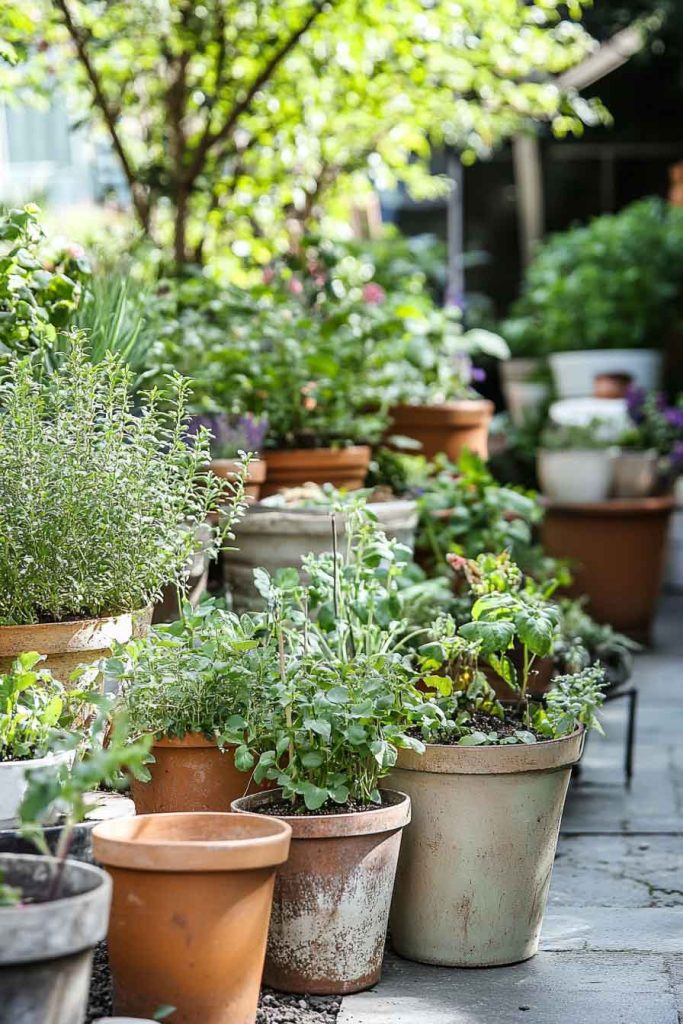
Use containers to add flexibility and charm to your cottagecore garden. Plant herbs, flowers, and vegetables in vintage containers, weathered terracotta pots, or repurposed items like old buckets or crates.
Group containers of different sizes and heights for visual interest. Move them around to refresh your garden’s appearance or to follow the sun. Container gardening makes cottagecore style accessible even for those with small spaces or balconies.
21. Garden Arches and Arbors
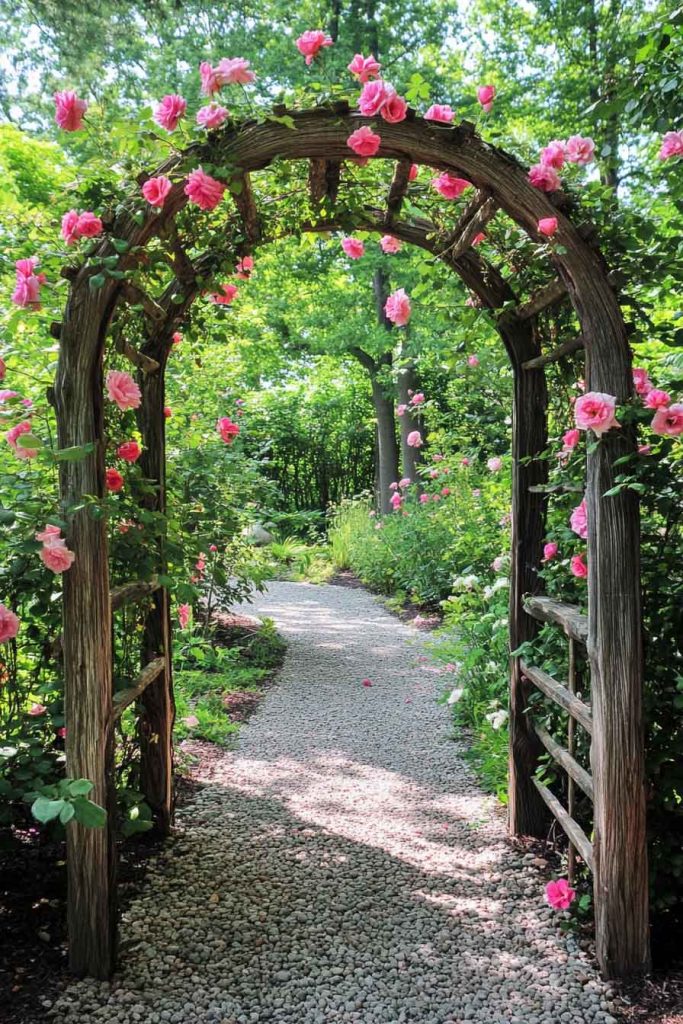
Install arches and arbors to create romantic focal points and frame views. Cover them with climbing roses, clematis, or grapevines. Position arches at garden entrances or along pathways to create a sense of journey and discovery.
Wooden arbors develop character as they age and weather. They provide structure to the garden while supporting beautiful flowering plants. Walking through a rose-covered arch feels like entering a secret garden.
22. Cottage Garden Borders
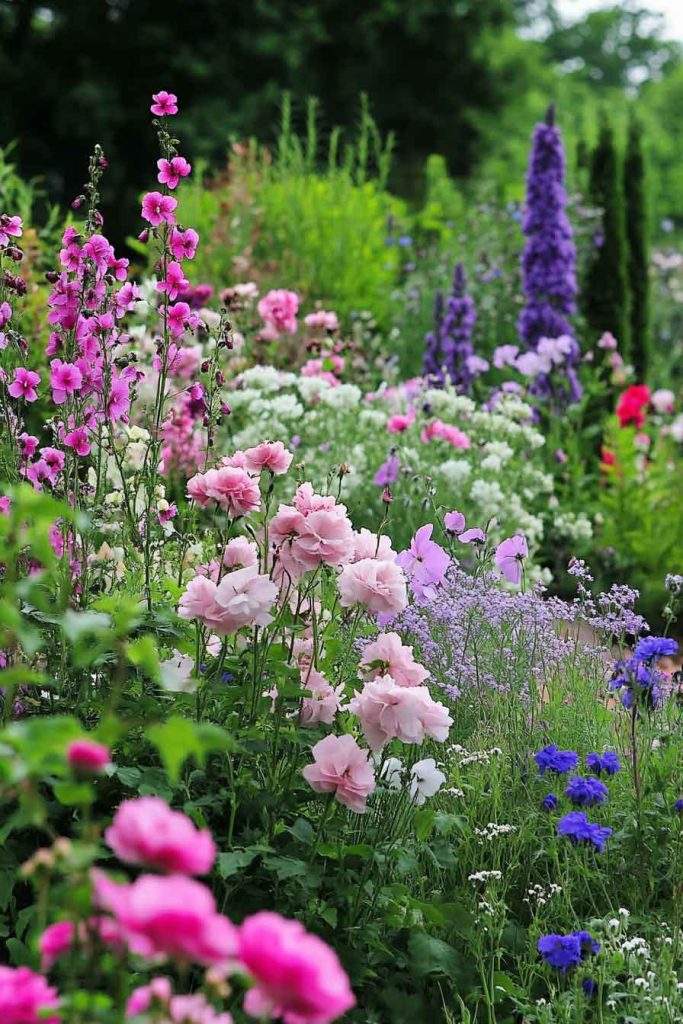
Create generous, deep borders packed with layers of plants at different heights. Place taller plants like delphiniums and hollyhocks at the back, medium-height plants like roses and geraniums in the middle, and low-growing plants like alyssum and violas at the front.
Allow plants to self-seed and spread into one another for a natural, unplanned look. The goal is abundance and fullness rather than rigid organization. This relaxed approach creates the classic cottagecore overflowing garden aesthetic.
23. Rain Gardens
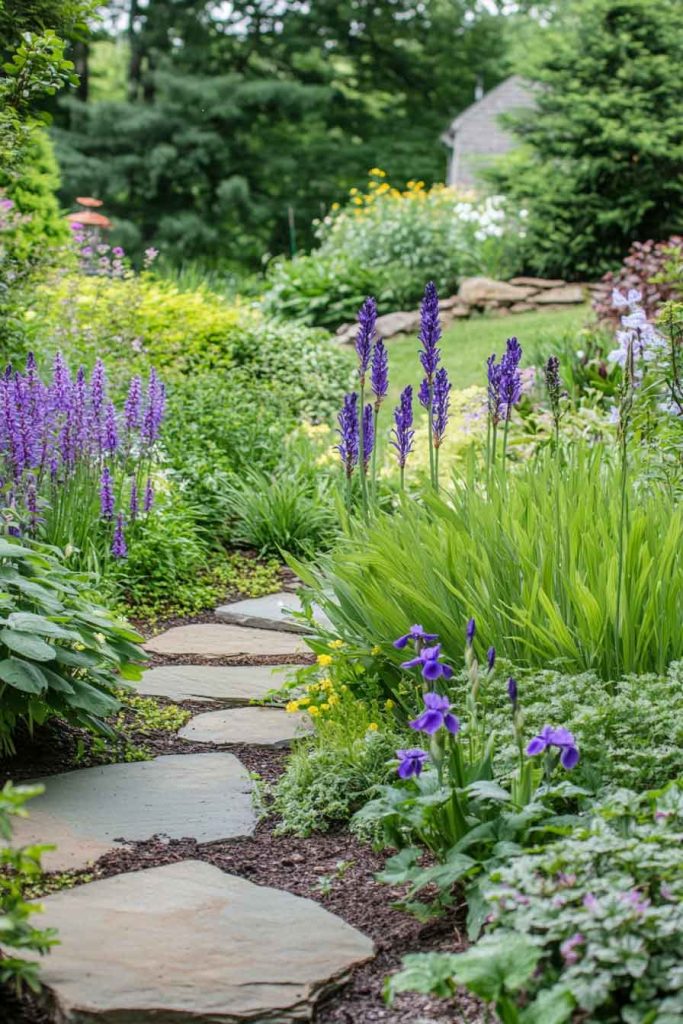
Create a rain garden in low-lying areas to manage water naturally while growing moisture-loving plants. Plant irises, astilbes, ferns, and other plants that thrive in damp conditions. Rain gardens are both practical and beautiful.
These gardens reduce runoff and support local ecosystems. They fit the cottagecore philosophy of working with nature’s rhythms rather than fighting against them.
24. Garden Gates
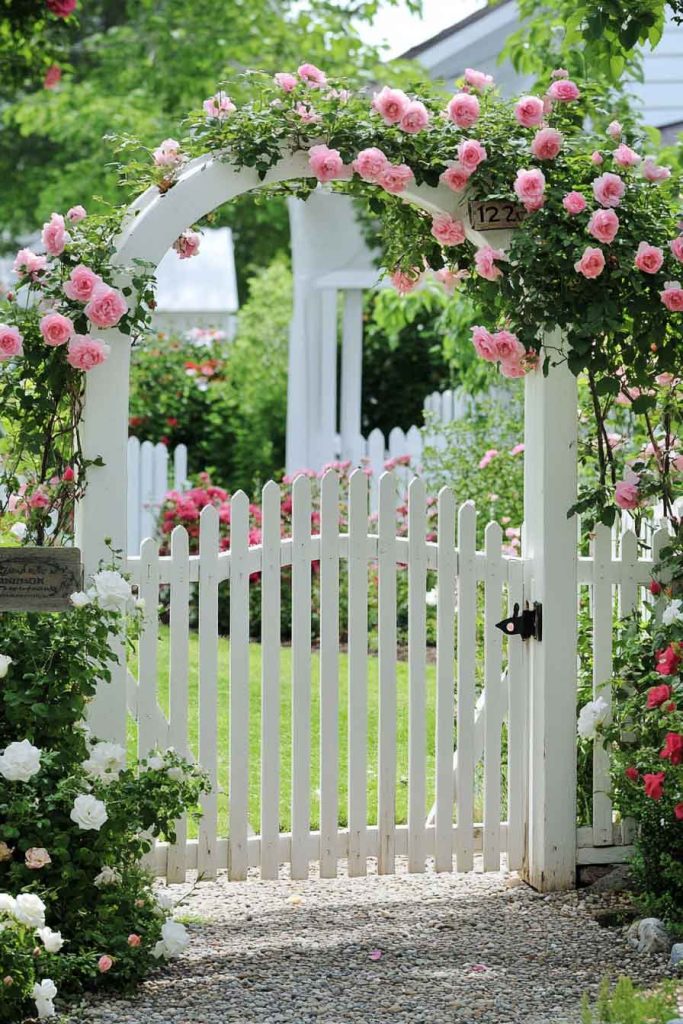
Install a charming garden gate to create an entrance to your cottagecore paradise. A white picket gate, a wooden gate with climbing roses, or a simple rustic gate all work beautifully. Gates signal the transition from ordinary space to garden sanctuary.
Make sure gates are functional but also decorative. Hang a small sign with your garden’s name or a welcoming message. The gate becomes part of your garden’s story and character.
25. Pollinator Gardens
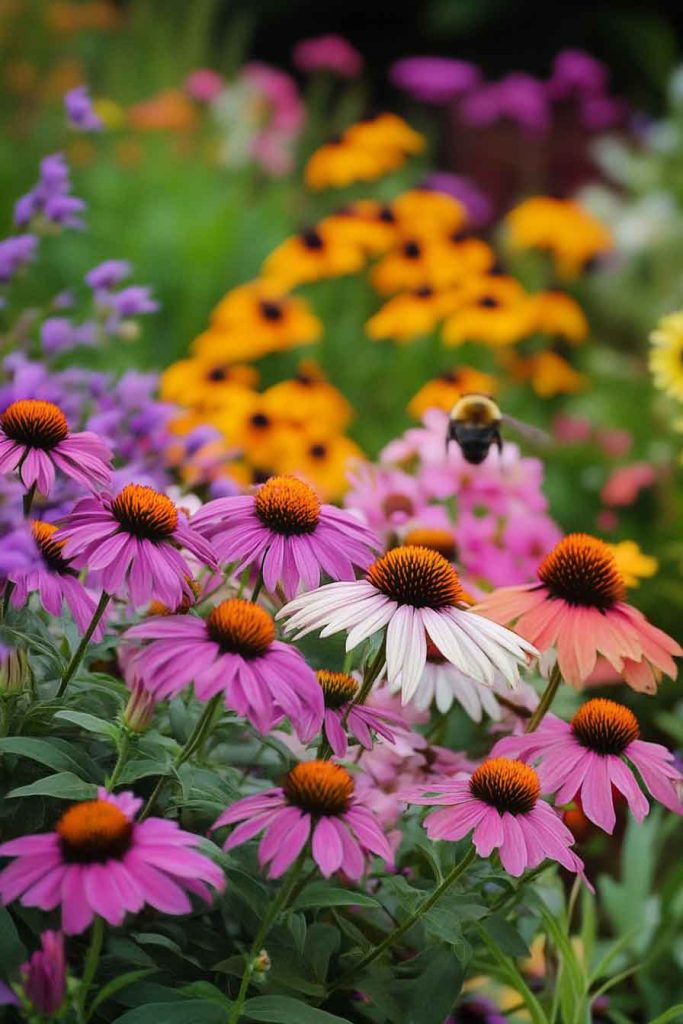
Dedicate areas specifically to pollinator-friendly plants. Choose flowers rich in nectar and pollen like lavender, echinacea, bee balm, and salvia. Create continuous blooms from early spring through fall to support pollinators throughout the season.
Avoid using pesticides and provide water sources for pollinators. A healthy pollinator population ensures good fruit and vegetable harvests while supporting local ecosystems.
26. Vintage Garden Furniture
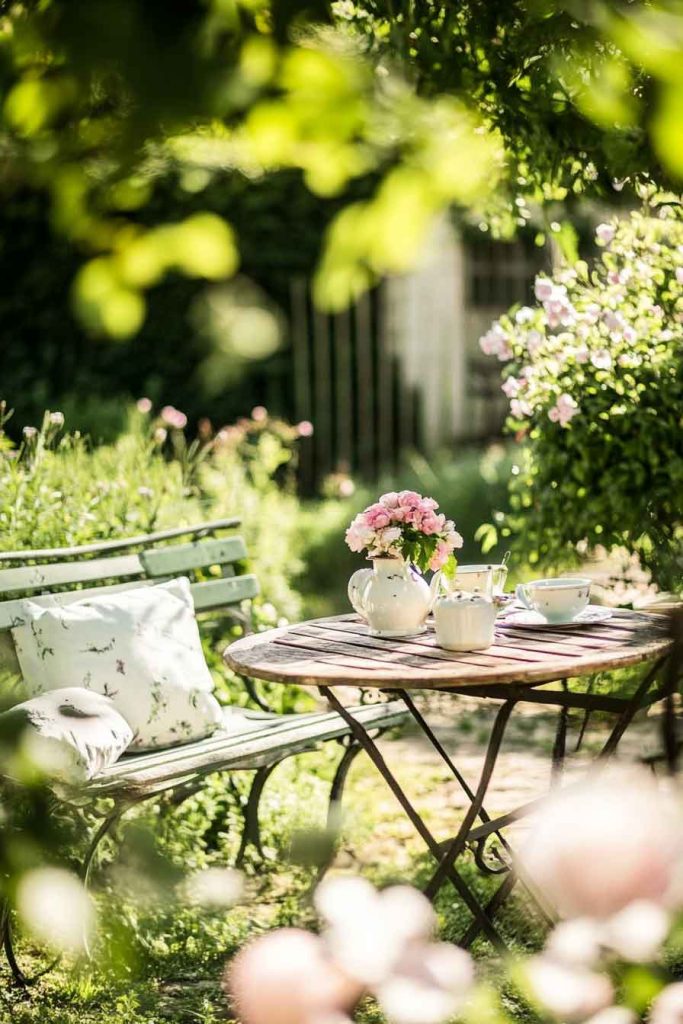
Furnish your garden with vintage or vintage-style furniture. Weathered wooden tables and chairs, wrought iron benches, or wicker furniture all enhance the cottagecore aesthetic. Allow furniture to develop a natural patina over time.
Position furniture in shaded areas under trees or arbors. Add soft cushions and throws in floral or natural fabrics. These furnished spaces become outdoor rooms for dining, reading, or entertaining.
27. Garden Rooms
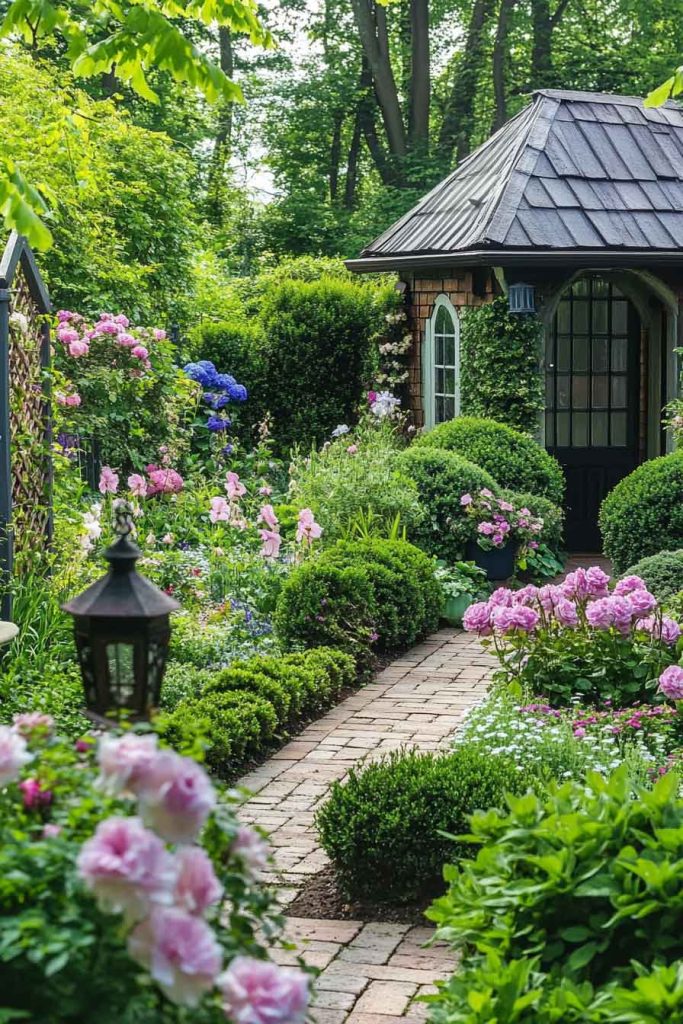
Divide larger gardens into separate “rooms” with different purposes and characters. Use hedges, fences, or changes in level to create distinct areas. Each room can have its own color scheme, purpose, or mood.
Create a rose garden room, a vegetable garden room, a meditation area, or a cutting garden. This approach adds mystery and encourages exploration while organizing the space in a natural way.
28. Heirloom Varieties
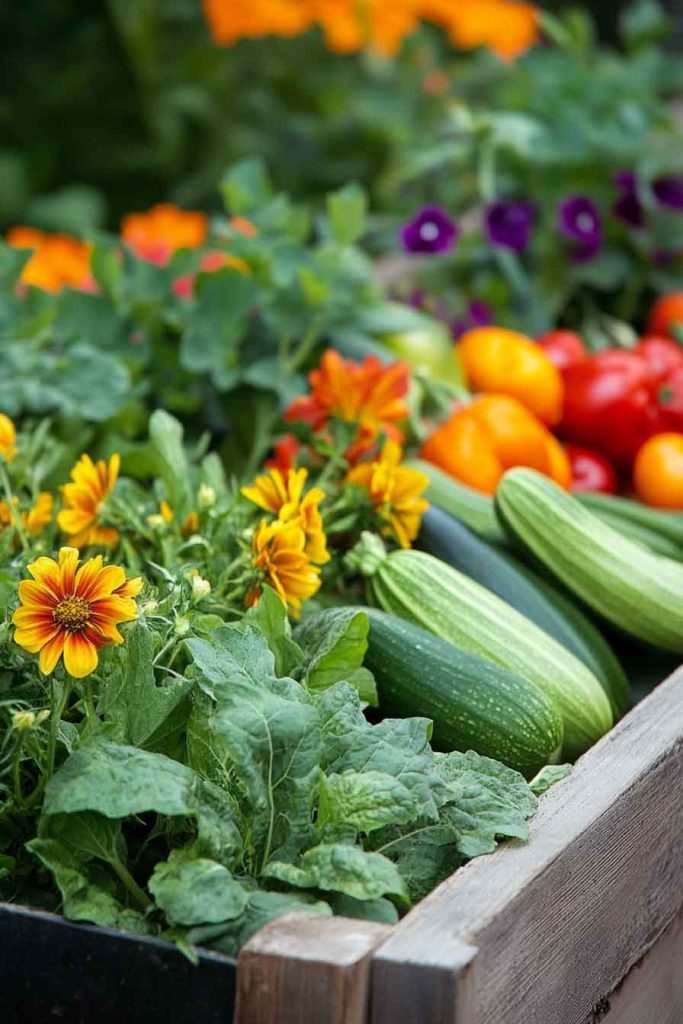
Grow heirloom varieties of flowers and vegetables to connect with gardening traditions of the past. These older varieties often have superior fragrance, flavor, and charm compared to modern hybrids. Many heirloom plants are also better suited to organic growing methods.
Save seeds from heirloom plants to share with friends and continue growing year after year. This practice connects you to generations of gardeners who saved and shared seeds.
29. Natural Mulches
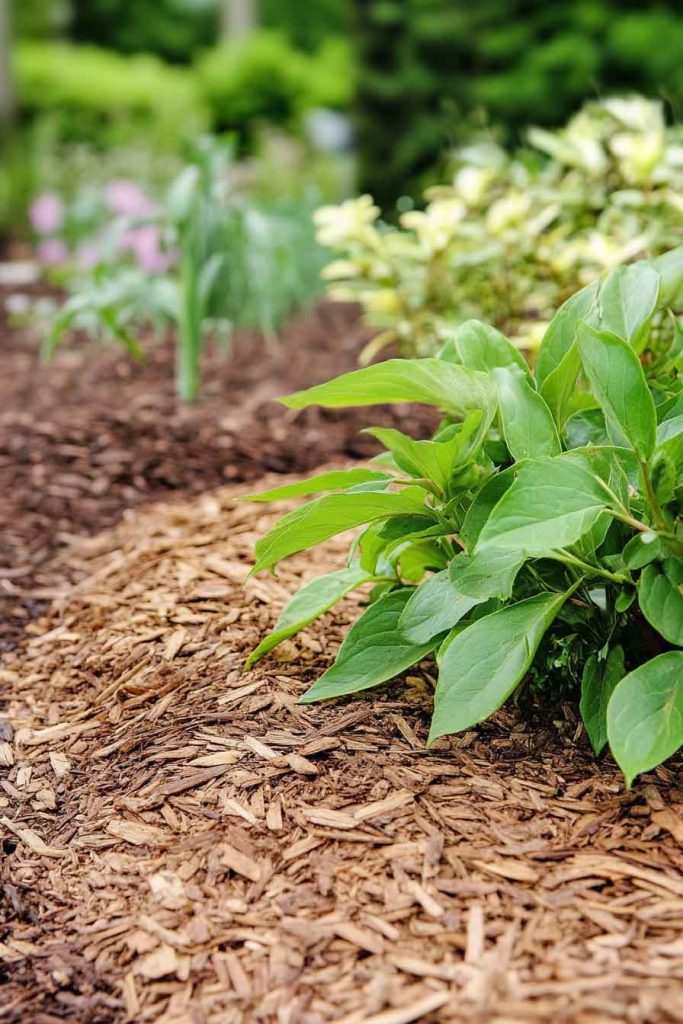
Use natural mulches like wood chips, straw, or leaves to suppress weeds and retain moisture. Natural mulches break down over time, enriching the soil. They also look more authentic and cottagecore than synthetic alternatives.
Apply mulch around plants but avoid piling it against stems. Natural mulches support soil health and beneficial organisms while reducing maintenance needs.
30. Garden Journal
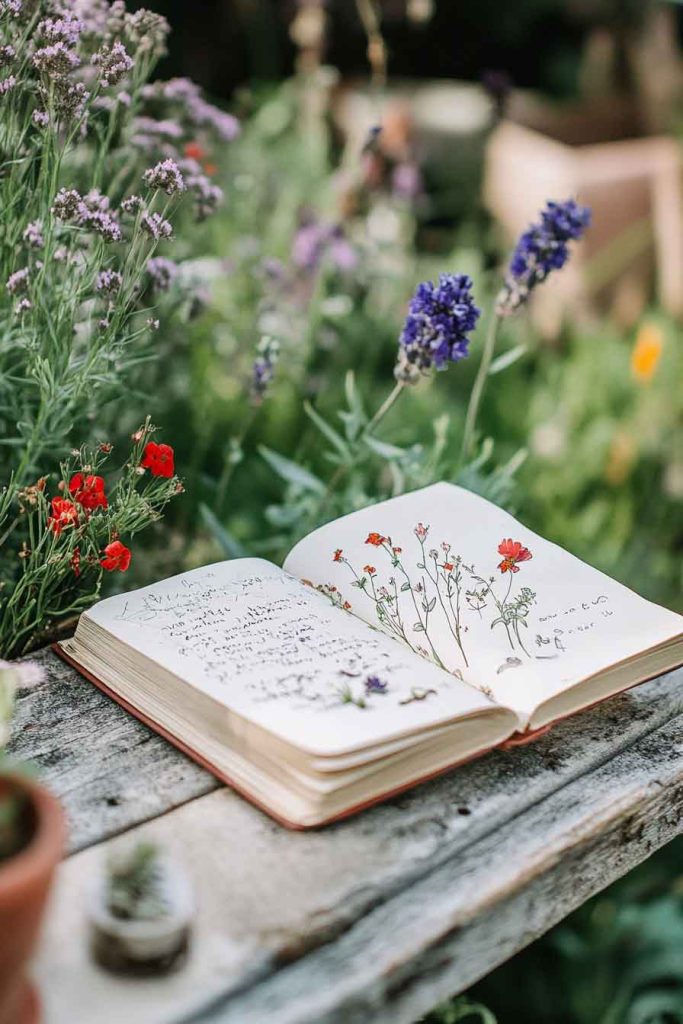
Keep a garden journal to record what you plant, when flowers bloom, and observations about your garden’s development. Sketching garden plans, pressing flowers, and writing about your garden experiences deepens your connection to the space.
A garden journal becomes a treasured record of your cottagecore journey. Review it during winter to plan the next season and remember past successes and challenges.
Cottagecore Garden Ideas: Conclusion
Creating a cottagecore garden is a wonderful way to bring romance, beauty, and connection to nature into your outdoor space. Whether you’re starting a new garden or transforming an existing one, there are countless ways to embrace the cottagecore aesthetic. From abundant flowers and climbing vines to vintage treasures and wildlife-friendly elements, the possibilities are truly endless.
To complete the look, embrace organic gardening practices, allow plants to grow freely and naturally, and create cozy spaces where you can relax and enjoy the fruits of your labor. Adding personal touches like collected vintage items, handmade signs, and favorite plants makes the garden uniquely yours.
Remember that cottagecore gardens are meant to feel lived-in and loved rather than perfect. Let plants self-seed, welcome weeds that benefit wildlife, and enjoy the process of nurturing your garden through the seasons. Your cottagecore garden will become a peaceful retreat where you can escape modern life and reconnect with simple, timeless pleasures.