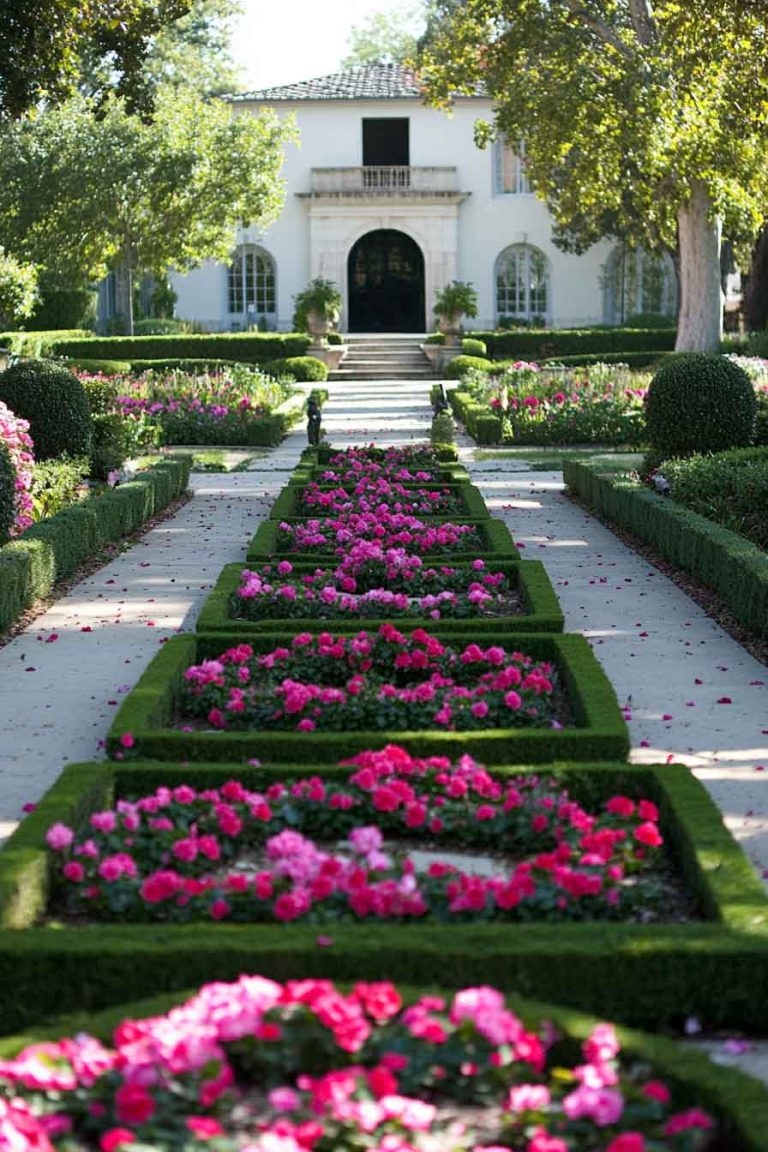
28 Garden Trellis Ideas for Every Outdoor Space
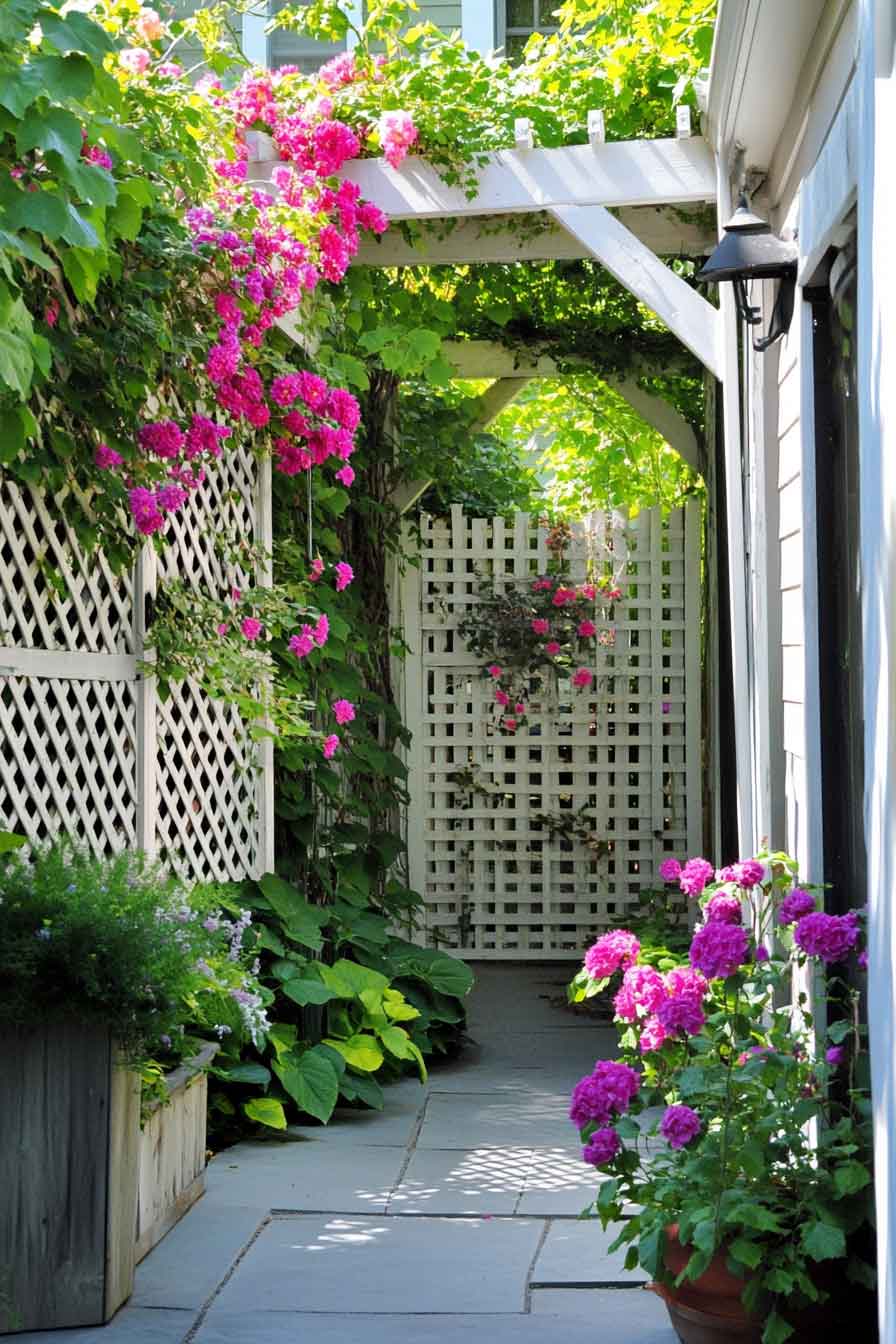
Are you looking to add vertical interest and charm to your garden? Garden trellises are the perfect solution! These versatile structures not only provide essential support for climbing plants but also create stunning focal points that transform ordinary outdoor spaces into enchanting garden retreats.
Whether you have a sprawling backyard, a cozy patio, or a compact balcony, there’s a trellis design that will work perfectly for your space. In this article, we’ll explore creative and practical garden trellis ideas that will inspire you to elevate your garden design, from simple DIY projects to elegant architectural features.
Garden trellises serve multiple purposes in outdoor spaces. They provide necessary support for climbing plants like roses, clematis, and vegetables such as peas and beans. Additionally, they create privacy screens, define garden boundaries, and add vertical dimension to flat landscapes.
The beauty of garden trellises lies in their versatility. They can be rustic and charming or sleek and modern, depending on your garden style. Trellises also maximize growing space in small gardens by encouraging plants to grow upward rather than outward, making them ideal for urban gardeners and anyone looking to make the most of limited outdoor areas.
Garden trellises come in countless materials, styles, and sizes, offering endless possibilities for customization. From traditional wooden lattice designs to contemporary metal structures, you can find or create a trellis that perfectly complements your garden aesthetic while providing the practical support your plants need to thrive.
What is a Garden Trellis?
A garden trellis is a framework structure designed to support climbing plants and vines as they grow. Typically made from wood, metal, or vinyl, trellises feature a lattice or grid pattern that allows plants to weave through and climb upward.
The trellis serves as both a functional garden tool and a decorative element. It guides plant growth, improves air circulation around plants, and makes harvesting easier for climbing vegetables. Beyond functionality, trellises add architectural interest and vertical beauty to gardens of all sizes.
Trellises can be freestanding structures placed anywhere in the garden, or they can be attached to walls, fences, and buildings. They range from simple stakes connected with wire to elaborate handcrafted designs that become stunning garden features even before plants begin to climb them.
The right trellis enhances your garden’s aesthetic while creating the perfect growing conditions for your favorite climbing plants. Think morning glories cascading over a cottage-style wooden trellis, jasmine scenting the air as it winds around a metal arch, or sweet peas climbing up bamboo stakes in a vegetable garden.
Elements of Effective Garden Trellis Design
1. Material Selection
The material you choose for your trellis affects both its appearance and durability. Wood creates a natural, rustic look and works beautifully in traditional garden settings. Cedar and redwood resist rot naturally, while treated pine offers an affordable option.
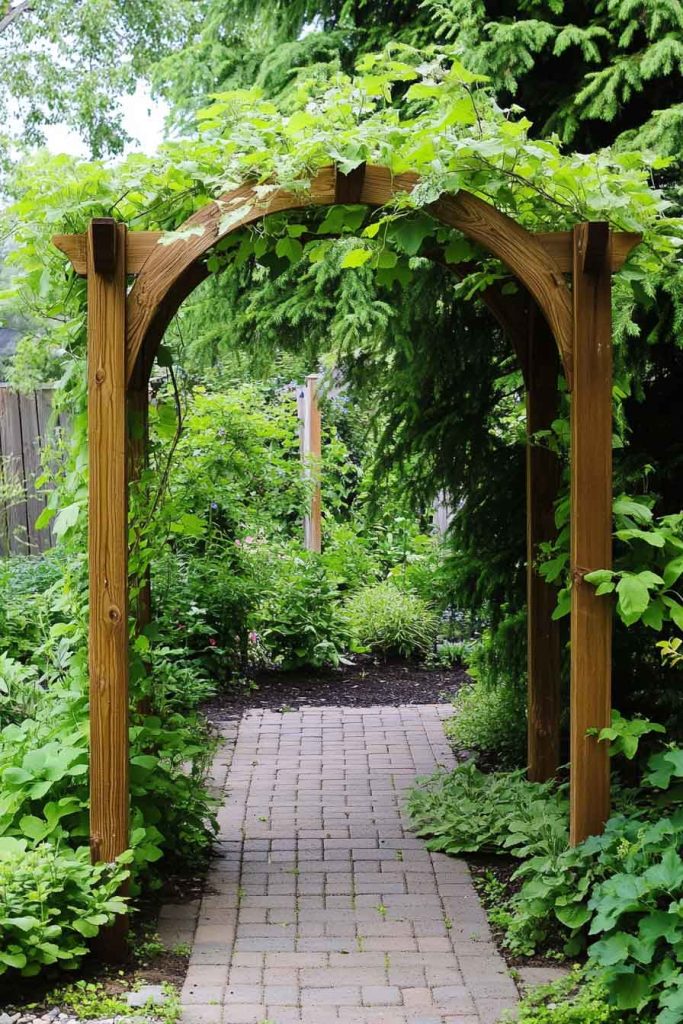
Metal trellises, including wrought iron, steel, and copper, provide strength and longevity. They work well in modern gardens and can support heavy vines like wisteria. Metal develops a beautiful patina over time, adding character to your garden.
Vinyl and PVC trellises require minimal maintenance and resist weather damage, making them practical for busy gardeners. Bamboo offers an eco-friendly option with natural charm, perfect for creating an Asian-inspired garden aesthetic.
2. Size and Scale
Proper sizing ensures your trellis complements your space without overwhelming it. Consider the mature size of the plants you intend to grow. Lightweight annuals like sweet peas need less support than heavy perennial vines like climbing roses or grapes.
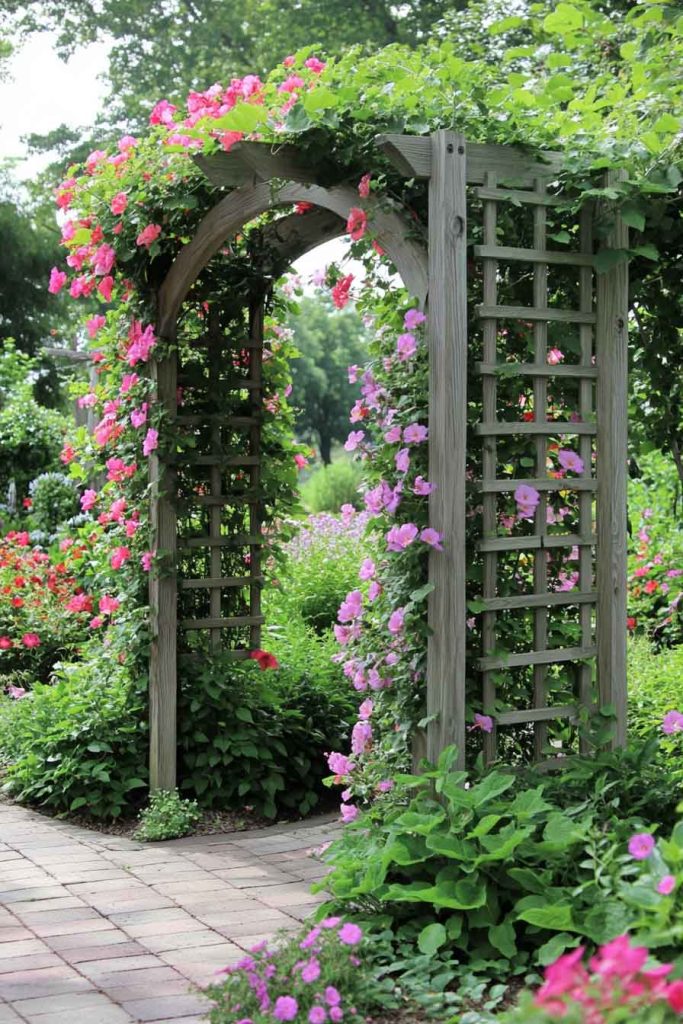
In small gardens, choose compact trellises that provide vertical growing space without dominating the landscape. Larger properties can accommodate expansive trellis structures that create dramatic focal points and garden rooms.
Height matters significantly. Most flowering vines grow between four and eight feet tall, while some varieties can reach fifteen feet or more. Plan accordingly to avoid constantly pruning plants that outgrow their support.
3. Structural Stability
A sturdy trellis withstands wind, rain, and the weight of mature plants. Secure freestanding trellises firmly in the ground, using concrete footings for larger structures. Wall-mounted trellises need proper anchoring with appropriate hardware for your wall type.
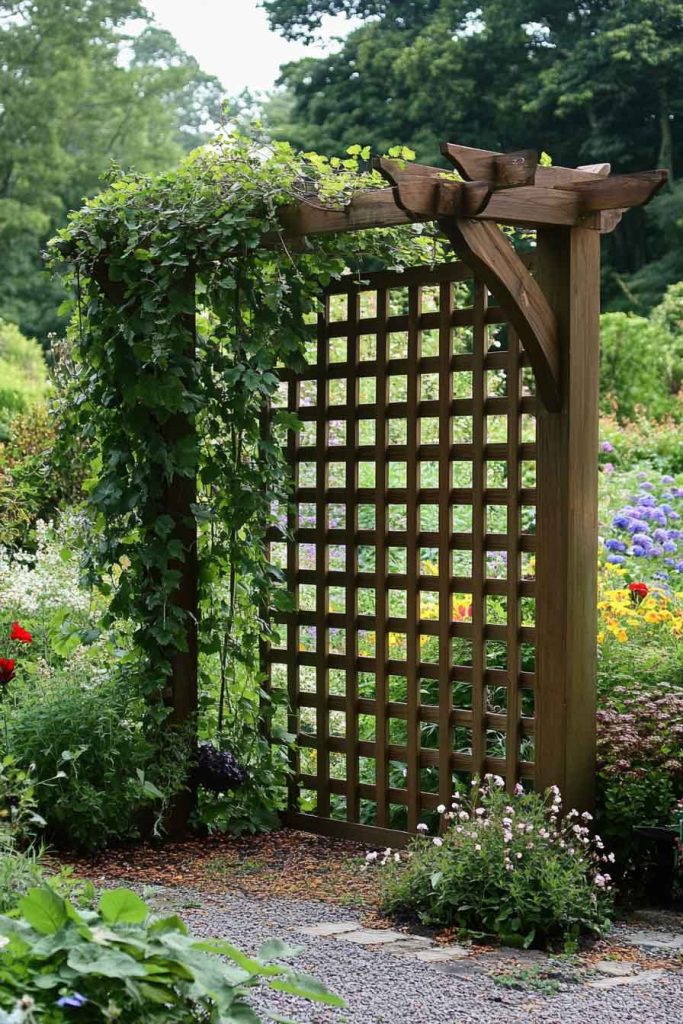
The spacing between trellis slats or grid openings should accommodate the plants you’re growing. Most vining plants need openings between three and six inches square. Smaller openings work for delicate climbers, while larger gaps suit plants with thicker stems.
4. Functional Design
Consider how you’ll access plants for watering, pruning, and harvesting. Trellises in vegetable gardens should allow easy reach from both sides when possible. Incorporate gates or removable sections for maintenance access in larger structures.
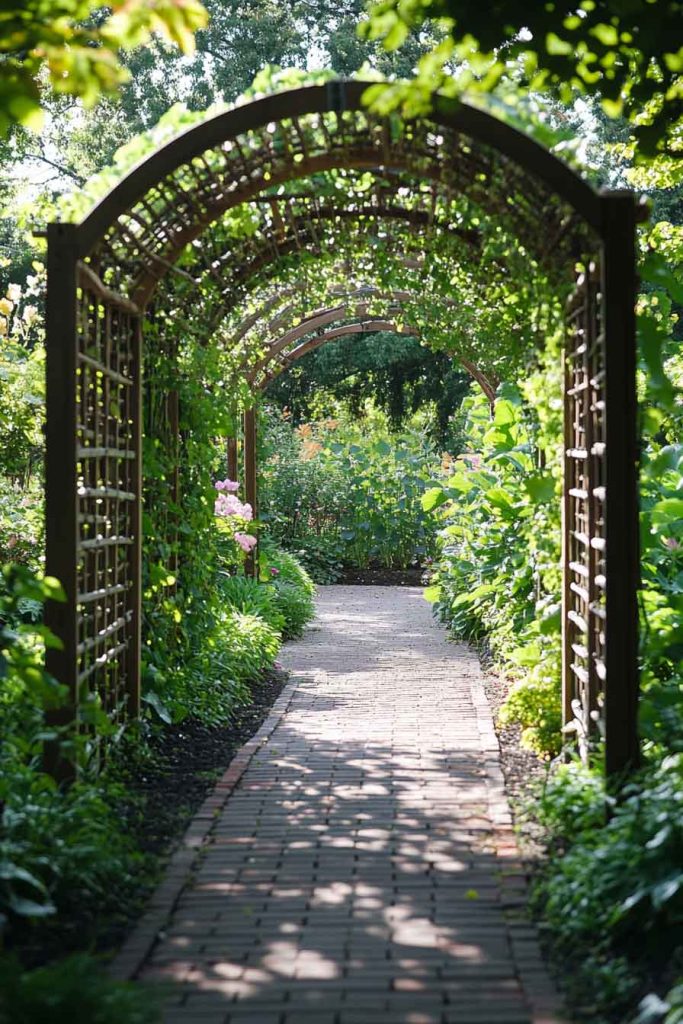
Think about sunlight patterns. Position trellises to provide the light conditions your plants need while potentially creating shade for heat-sensitive plants growing beneath them. South-facing trellises receive maximum sun, while north-facing structures offer cooler growing conditions.
5. Weather Resistance
Protect your investment by choosing weather-resistant materials or applying protective finishes. Seal wooden trellises with outdoor-rated stain or paint to prevent rot and insect damage. Ensure metal trellises have rust-resistant coatings or choose naturally rust-resistant metals like aluminum or copper.
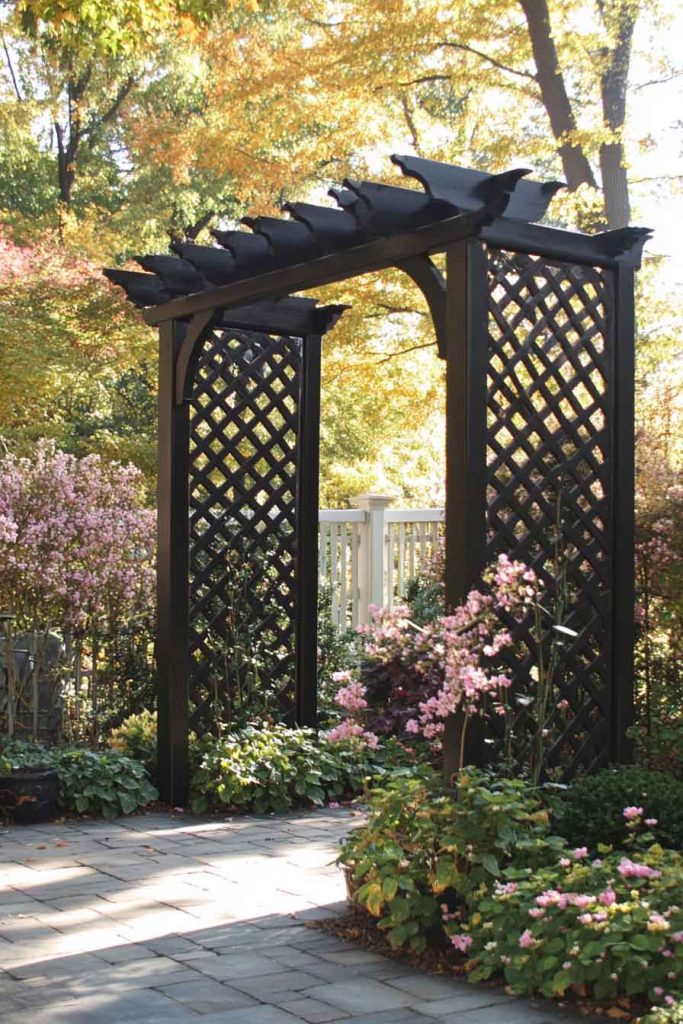
Consider seasonal weather patterns in your area. Regions with heavy snow may need reinforced structures, while windy coastal areas require extra stability measures.
6. Complement Your Garden Style
Your trellis should harmonize with your overall garden design. Cottage gardens pair beautifully with rustic wooden trellises painted in soft pastels or left natural. Modern landscapes benefit from clean-lined metal structures in geometric shapes.
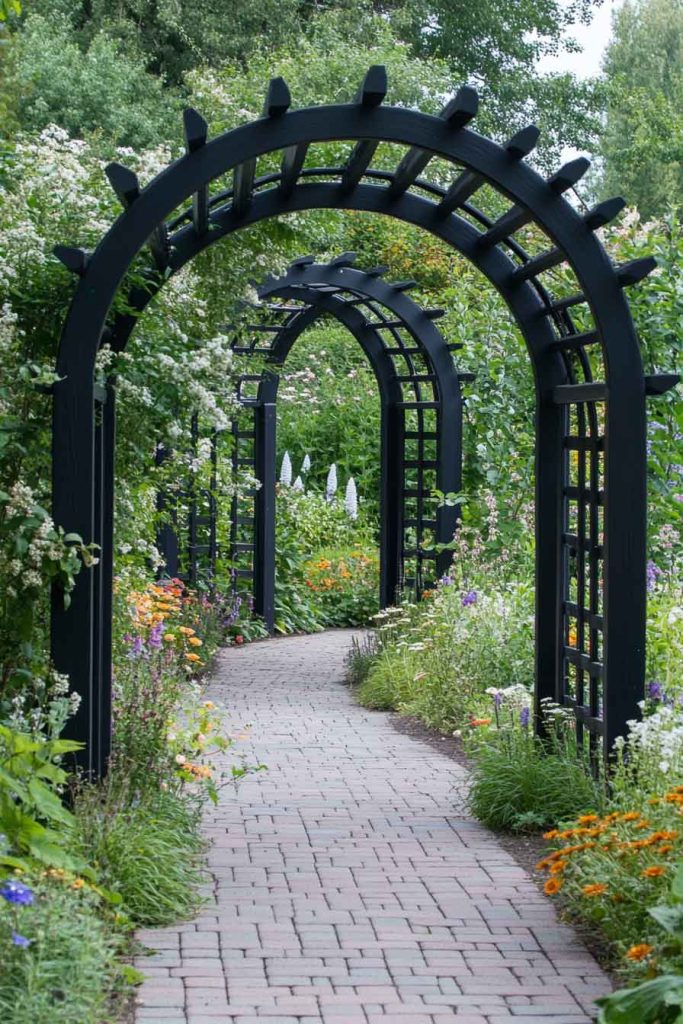
Traditional gardens look stunning with classic fan trellises or arched designs, while contemporary spaces can showcase bold, sculptural trellis art that makes statements even without plants.
7. Maintenance Accessibility
Design trellises with long-term care in mind. Removable or hinged sections allow you to repaint or repair without disturbing established plants. Space trellises slightly away from walls to allow air circulation and prevent moisture buildup that causes rot or mildew.
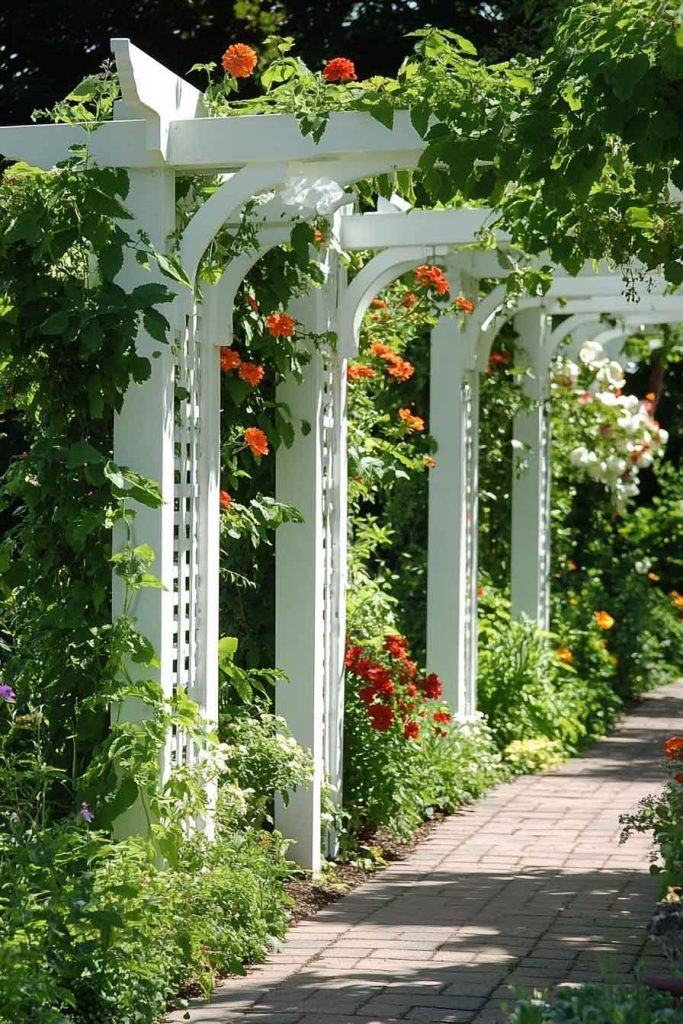
Consider the maintenance requirements of your chosen material. Wood requires periodic sealing or painting, metal may need rust prevention treatment, and vinyl simply needs occasional cleaning.
8. Plant Selection Coordination
Match your trellis to the climbing method of your chosen plants. Twining vines like pole beans and morning glories wrap around vertical supports and need slender posts or wires. Tendril climbers like peas and passionflower grip onto lattice or netting.
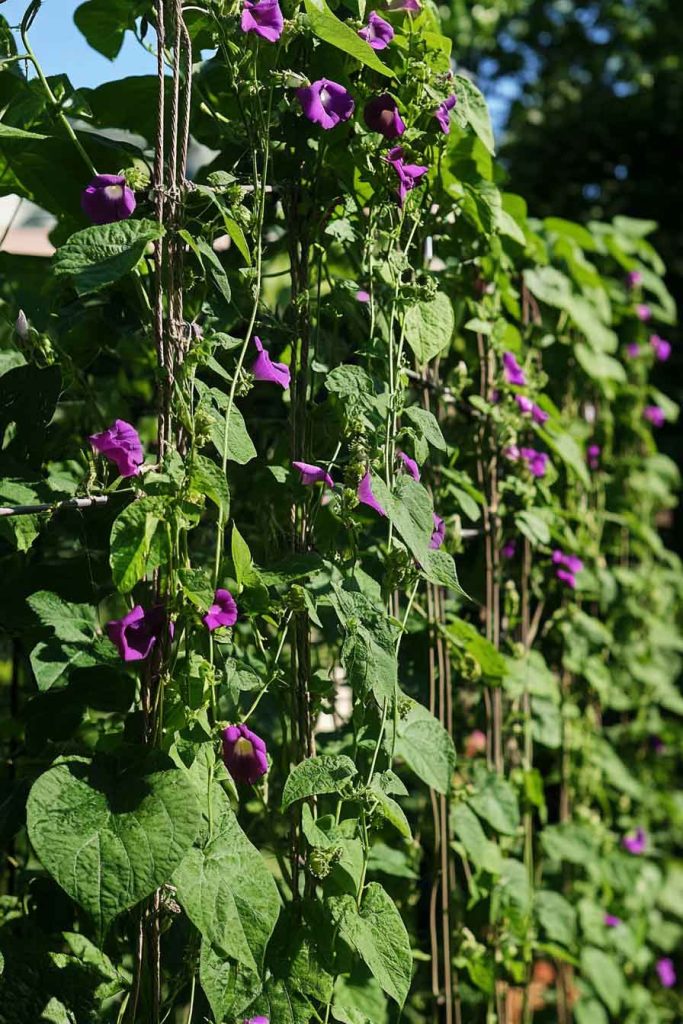
Clinging vines such as climbing hydrangea and ivy attach with aerial rootlets and work well on flat surfaces. Plants that need tying, like climbing roses and tomatoes, require sturdy horizontal supports where you can secure stems.
9. Creative Placement
Trellises serve multiple purposes beyond plant support. Use them to screen unsightly views, create privacy from neighbors, define garden borders, or establish separate outdoor rooms. Place trellises strategically to direct foot traffic or frame beautiful garden views.
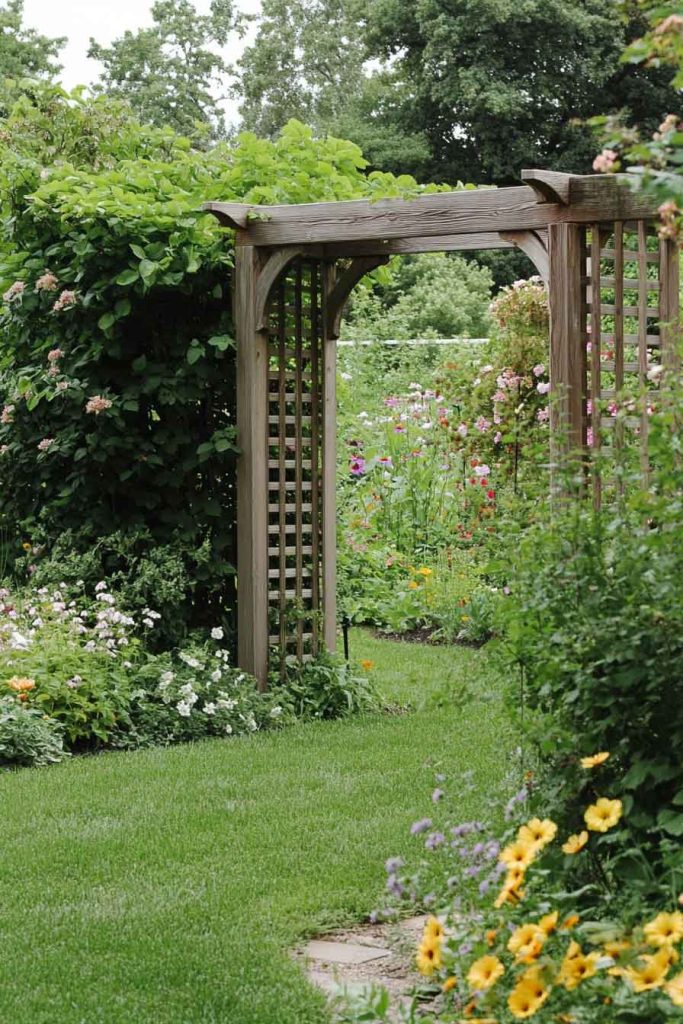
Corner trellises maximize awkward spaces, while freestanding structures create islands of interest in open lawn areas. Attach trellises to pergolas or arbors for added dimension and more climbing surface.
10. Color and Finish
The color of your trellis impacts your garden’s overall appearance. Natural wood tones blend seamlessly into garden landscapes, while painted trellises in white, black, or colors make bold statements and highlight plant foliage.
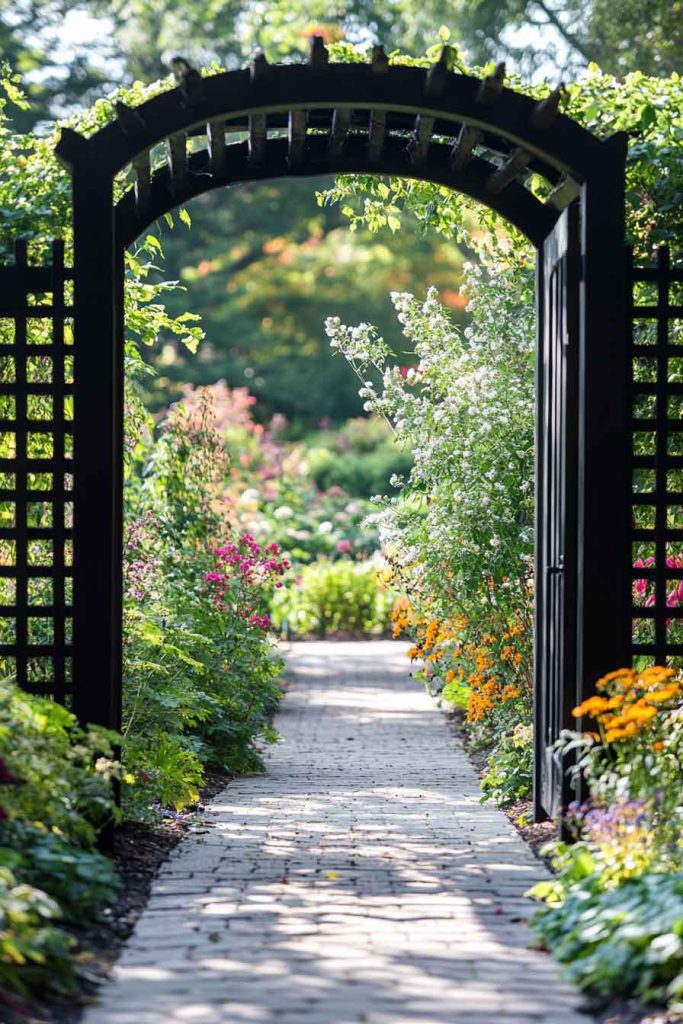
Dark colors recede visually, making trellises appear less prominent and allowing plants to take center stage. Light colors stand out and can brighten shaded areas while providing strong contrast for dark foliage.
11. Seasonal Interest
Choose trellis designs that remain attractive year-round, even when plants are dormant. Architectural trellises with interesting shapes, patterns, or decorative elements provide winter interest when vines die back.
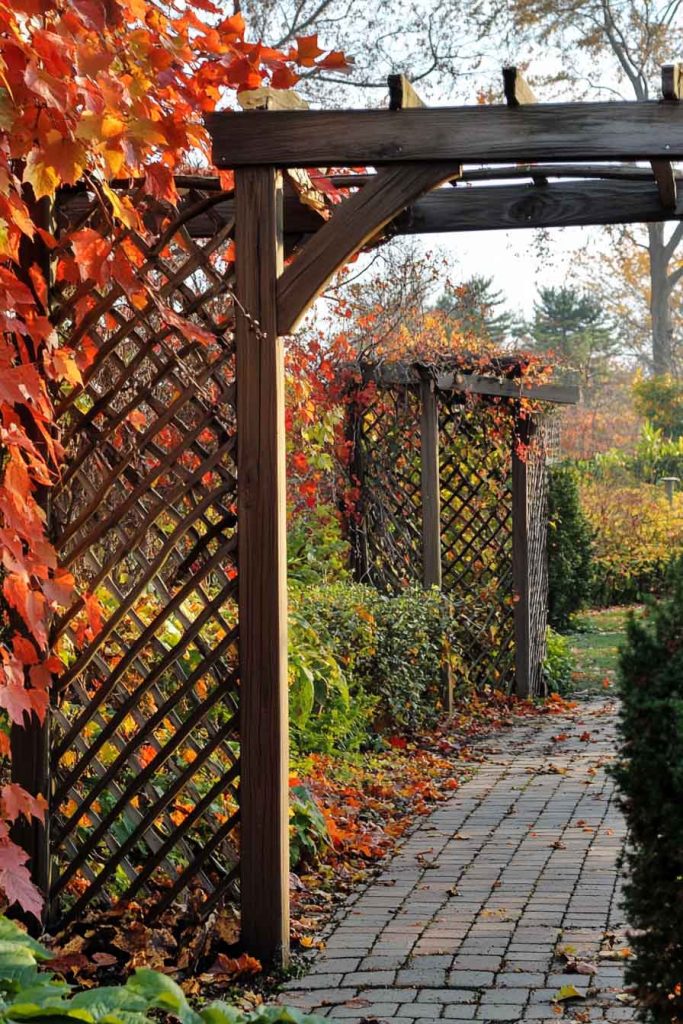
Consider evergreen climbers for year-round coverage, or embrace the seasonal transformation as deciduous vines reveal the trellis structure beneath in winter months.
12. DIY Wooden Lattice Trellis
Create a classic garden trellis using wooden slats arranged in a diamond or square pattern. This timeless design works perfectly for flowering vines and climbing vegetables. Cut slats to your desired length, arrange them in a crisscross pattern, and secure with galvanized screws or nails.
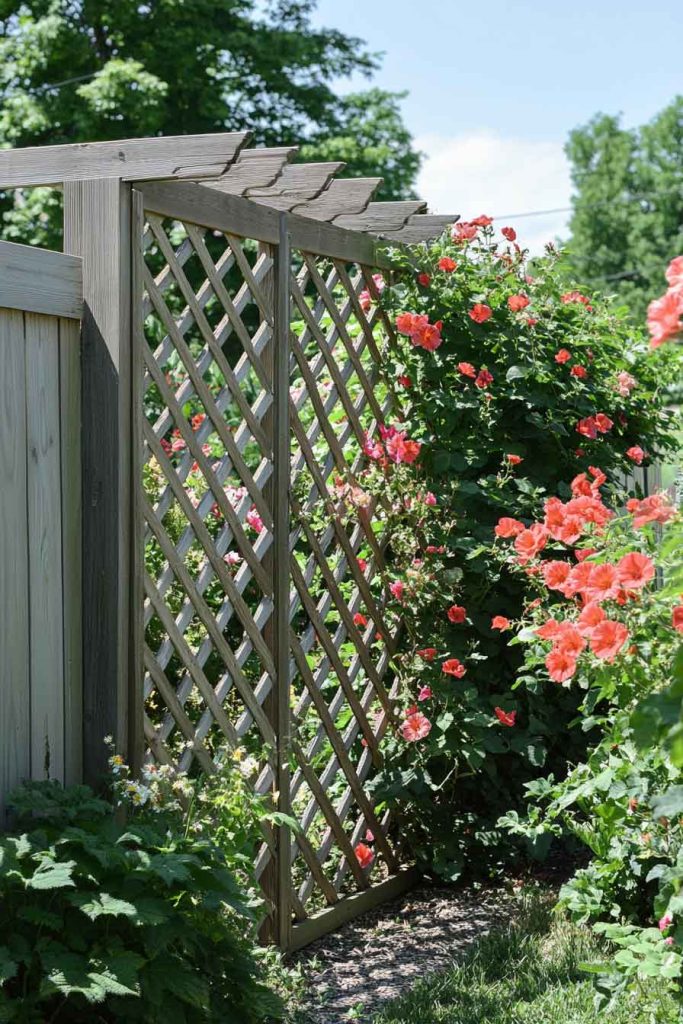
Paint or stain the finished lattice to match your garden aesthetic. White painted lattice creates a cottage garden feel, while natural cedar weathers to a beautiful silver-gray. Mount the lattice against a fence, wall, or between posts as a freestanding screen.
13. Bamboo Teepee Trellis
A bamboo teepee offers an affordable, eco-friendly solution perfect for vegetable gardens. Gather four to six bamboo poles, each six to eight feet long. Tie the tops together with twine or wire, then spread the bottoms to form a teepee shape.
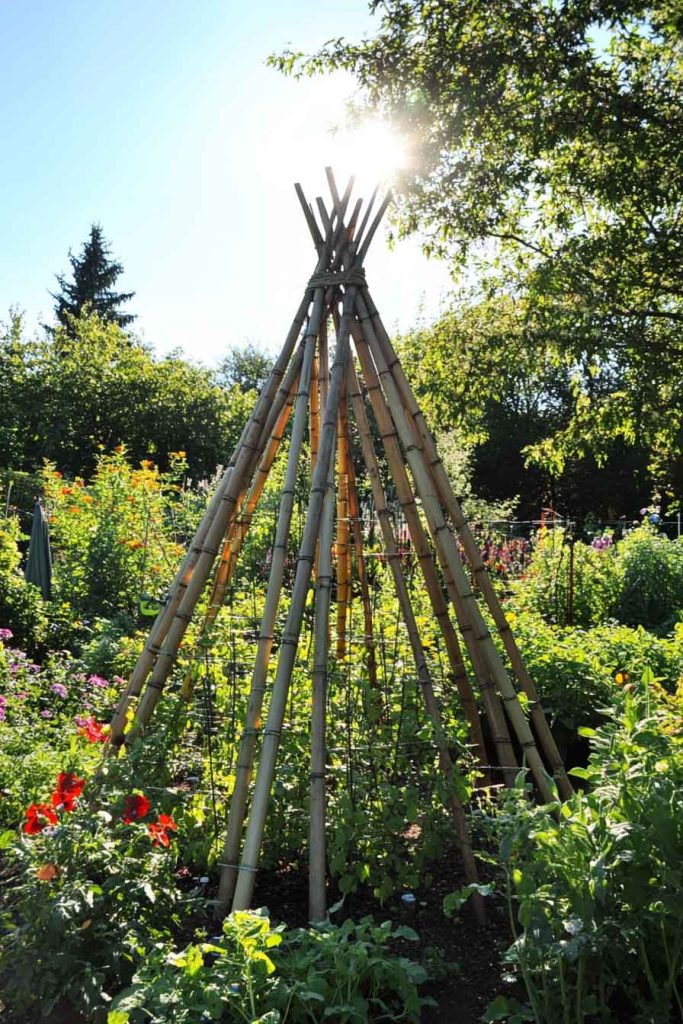
This structure works beautifully for pole beans, peas, and flowering vines like morning glories. Children especially love the secret hideaway created inside the teepee as plants fill in. Replace bamboo poles every few seasons as they naturally decompose.
14. Wire Cattle Panel Arch
Transform a livestock cattle panel into a stunning garden arch. These galvanized wire panels are incredibly strong and affordable. Bend the panel into an arch shape and secure both ends firmly in the ground.
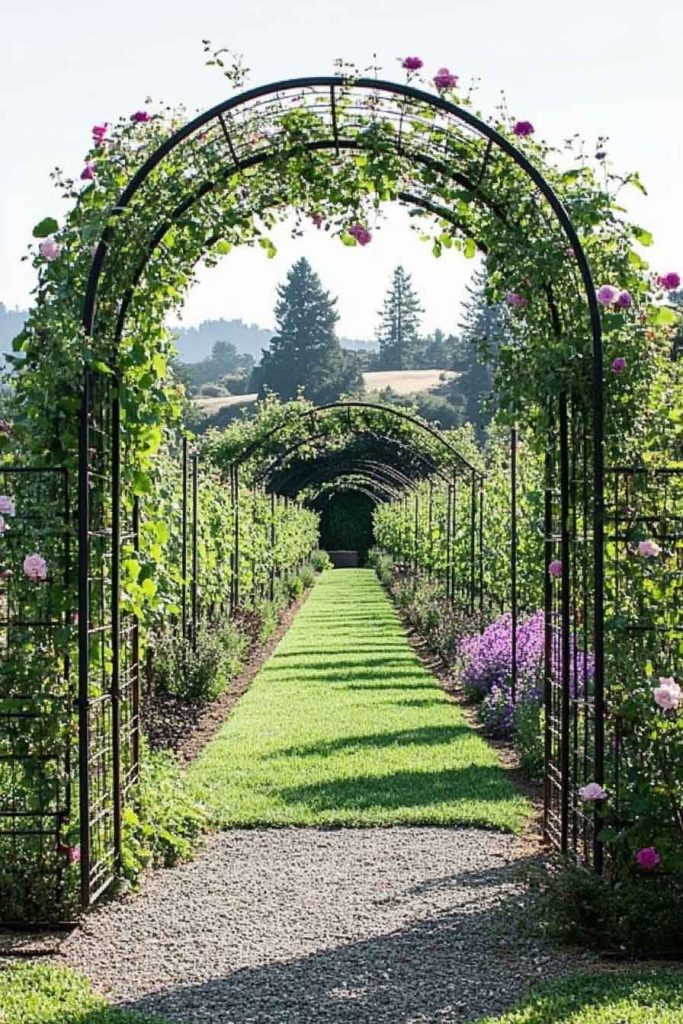
Plant climbing roses, clematis, or beans along both sides and watch them create a flowering tunnel. The sturdy grid provides excellent support for heavy vines and lasts for many years with minimal maintenance.
15. Repurposed Ladder Trellis
Give old wooden ladders new life as charming garden trellises. Place a ladder against a wall or fence, or create an A-frame by securing two ladders together at the top. The rungs provide perfect spacing for climbing plants to weave through.

This rustic option adds instant character to gardens. Paint ladders in bright colors for a whimsical look, or leave them weathered for farmhouse appeal. Stepladders work wonderfully as freestanding trellises in raised beds or containers.
16. Metal Obelisk Trellis
Metal obelisks add elegant vertical accents to flower beds and vegetable gardens. These pyramid-shaped structures taper toward the top, creating sophisticated focal points. They work especially well for clematis, climbing roses, and sweet peas.
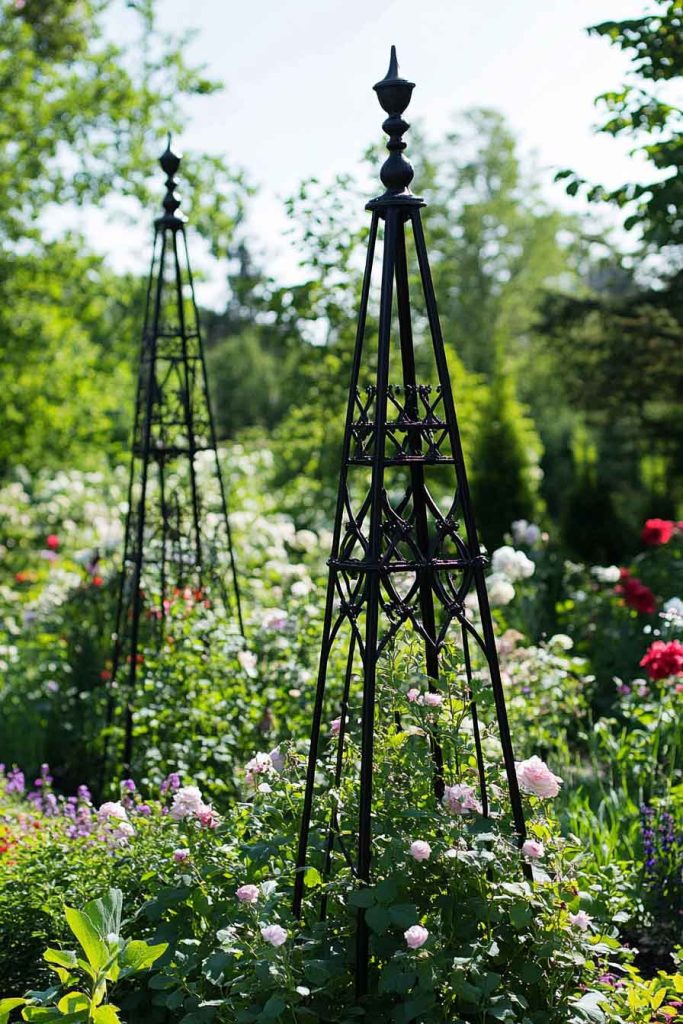
Place obelisks strategically throughout garden beds to create rhythm and height variation. Black metal obelisks provide classic elegance, while copper versions develop a beautiful verdigris patina over time. Many designs feature decorative finials that enhance their architectural appeal.
17. Fan Trellis Design
Fan trellises spread outward from a central base, resembling an open fan. This classic design works perfectly against walls and fences, providing wide coverage for climbing plants while maintaining a compact footprint at ground level.
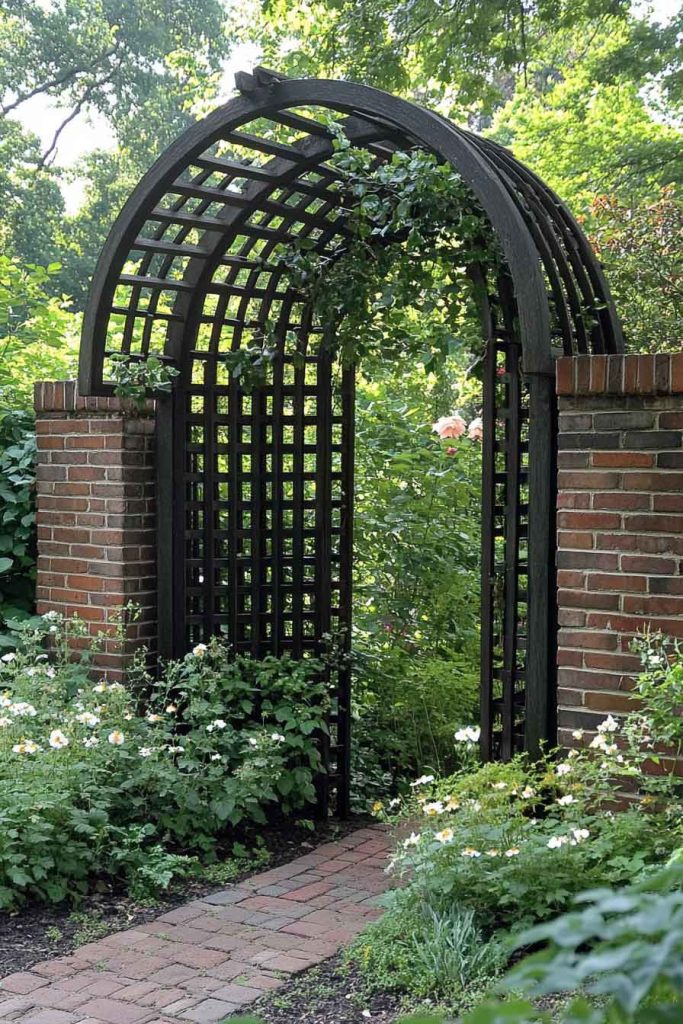
Mount fan trellises behind flowering climbers like roses, honeysuckle, or clematis. The spreading design encourages plants to grow outward, creating full, lush displays. Available in wood, metal, and vinyl, fan trellises suit both traditional and contemporary gardens.
18. Modern Geometric Trellis
Contemporary gardens benefit from geometric trellis designs featuring clean lines and bold shapes. Create patterns using rectangles, hexagons, or triangular forms in metal or painted wood. These sculptural pieces function as garden art even before plants begin climbing.
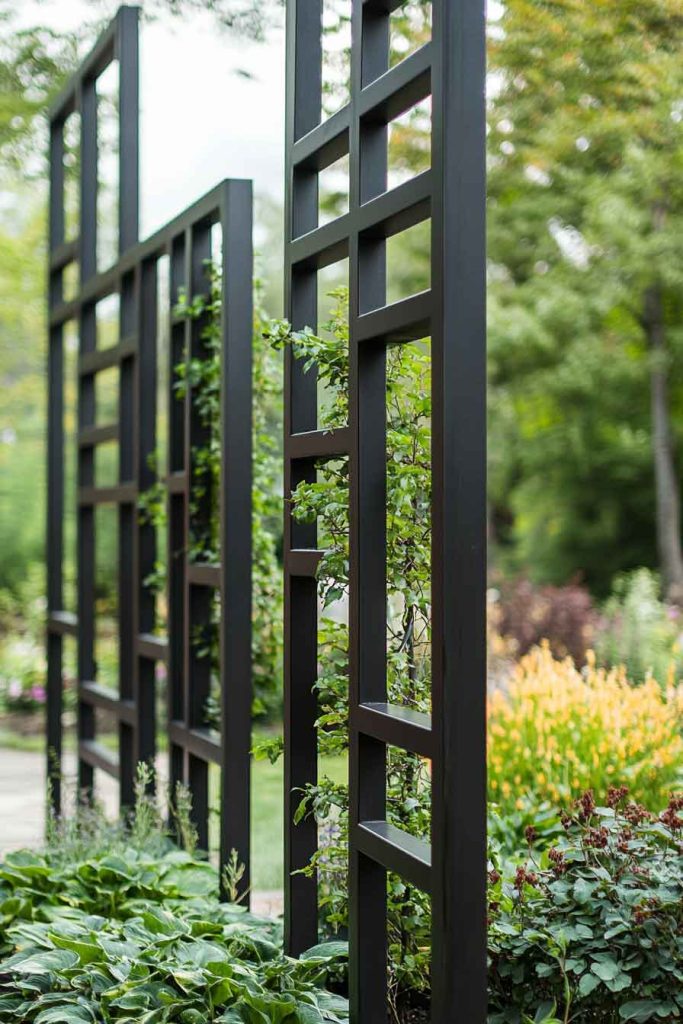
Copper tubing, steel rebar, or wooden slats can form striking geometric patterns. Paint wooden geometric trellises in matte black or deep charcoal for modern sophistication. These designs work beautifully with architectural plants and minimalist garden styles.
19. Living Willow Trellis
Create a living trellis by weaving fresh willow branches into desired shapes and planting them in the ground. Many willow cuttings will root and continue growing, creating a living structure that strengthens over time.
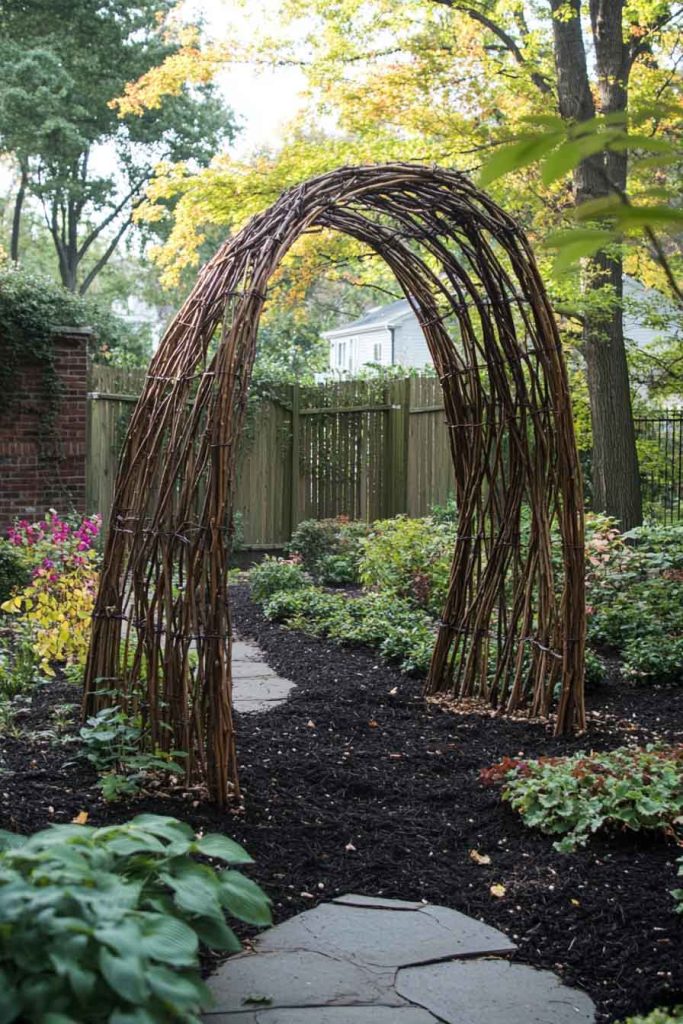
This eco-friendly option requires patience but results in a unique, organic garden feature. Weave willow branches into panels, arches, or tunnel shapes. The living trellis provides support while adding its own foliage and natural beauty to the garden.
20. Espalier Wire Trellis
Espalier trellises train fruit trees and ornamental plants into flat, geometric patterns against walls or fences. Install horizontal wires attached to a wall with sturdy brackets, spacing wires twelve to eighteen inches apart.
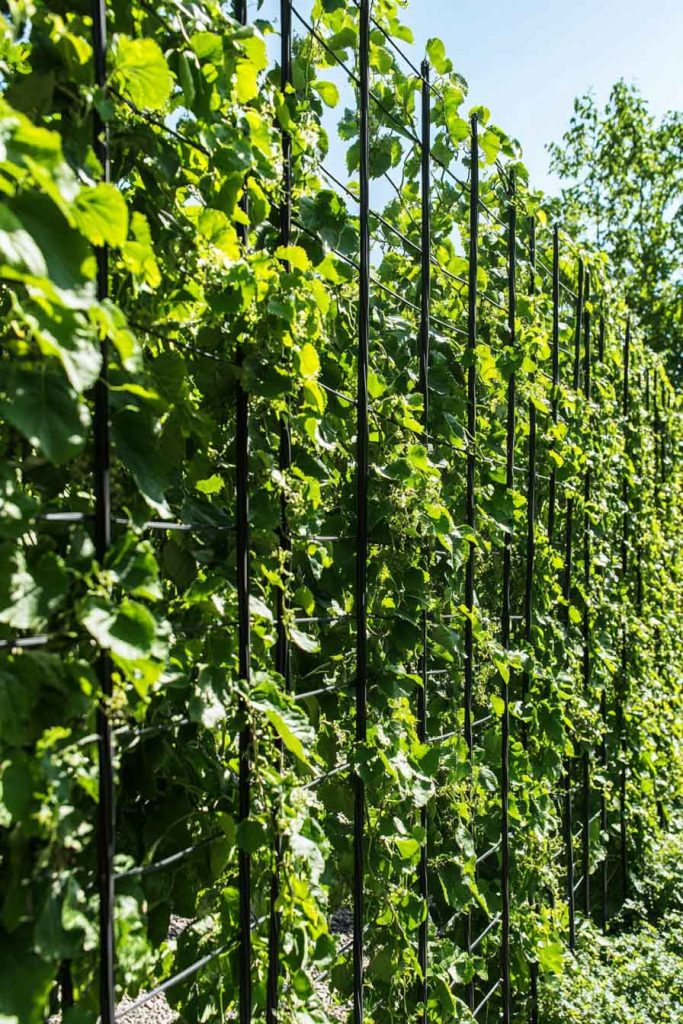
This formal technique maximizes fruit production in small spaces while creating stunning architectural plant displays. Apples, pears, and figs work particularly well for espalier. The structured forms require regular pruning but reward gardeners with beautiful, productive displays.
21. Pallet Garden Trellis
Recycle wooden shipping pallets into functional garden trellises. Sand rough edges, treat or paint the wood, then position pallets vertically in garden beds or against walls. The natural spacing between slats provides excellent support for climbing plants.
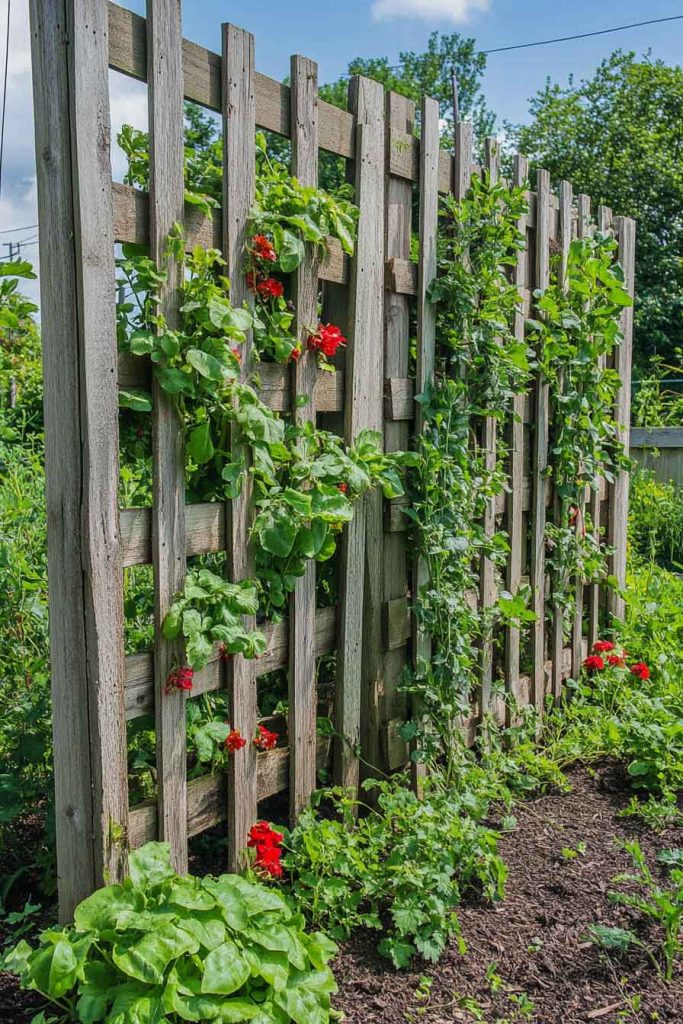
This budget-friendly option appeals to sustainable gardeners and adds rustic charm. Plant lettuce, herbs, or strawberries in the pallet openings while allowing beans or peas to climb up the structure. Lean pallets against walls or secure them firmly for freestanding use.
22. String and Stake Trellis
Create a simple, effective trellis using garden stakes and twine. Hammer stakes into the ground at intervals, then run horizontal and vertical strings between them to create a grid pattern. This temporary structure works perfectly for annual climbing vegetables.
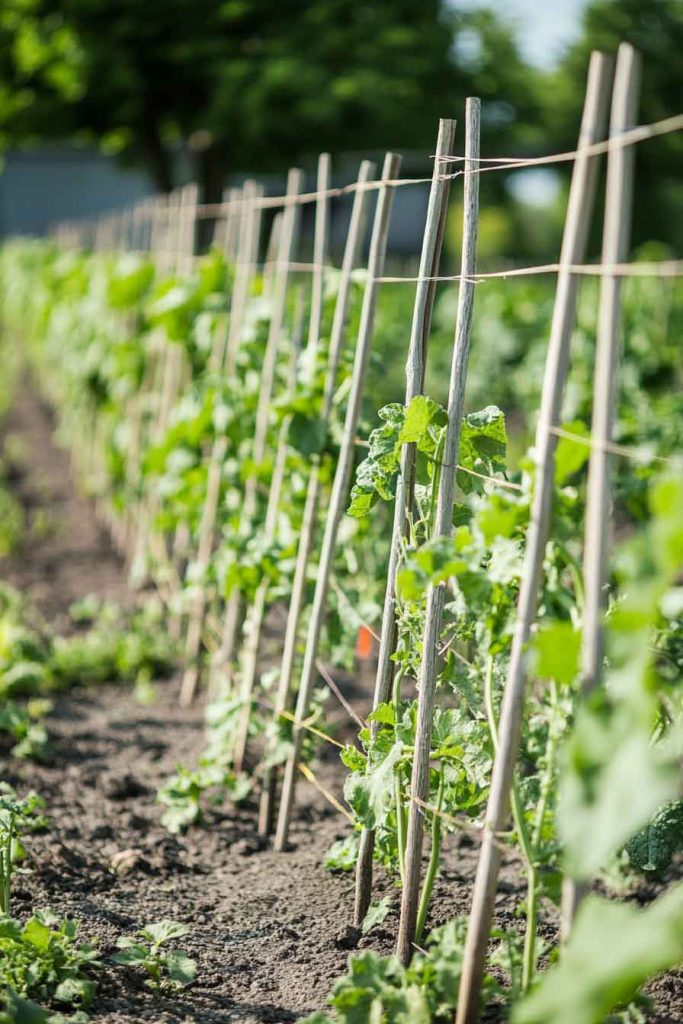
Adjust string spacing based on your plants’ needs. Peas need tighter spacing, while cucumbers and squash can use wider grids. Dismantle and compost the biodegradable twine at season’s end, making this an eco-friendly annual option.
23. Decorative Iron Trellis Panels
Ornamental iron trellis panels add Old World elegance to gardens. These decorative pieces often feature scrollwork, botanical motifs, or geometric patterns that create beautiful shadows and visual interest. Mount them on walls, fences, or use as freestanding screens.
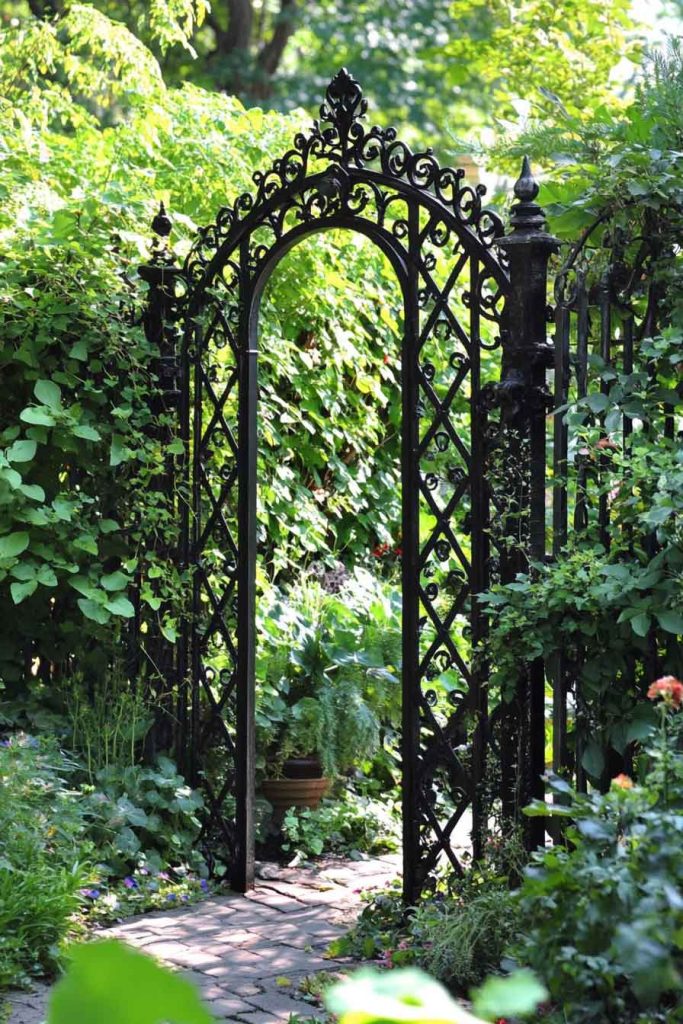
Quality iron trellises become garden heirlooms, lasting decades with proper care. Choose designs that reflect your personal style, from Gothic arches to Art Nouveau florals. Even without plants, these panels serve as stunning outdoor art.
24. Copper Pipe Trellis
Construct a modern trellis using copper plumbing pipes and fittings. The warm metallic tones complement garden foliage beautifully, and copper develops a lovely patina as it ages. Create custom sizes and shapes to fit any garden space.
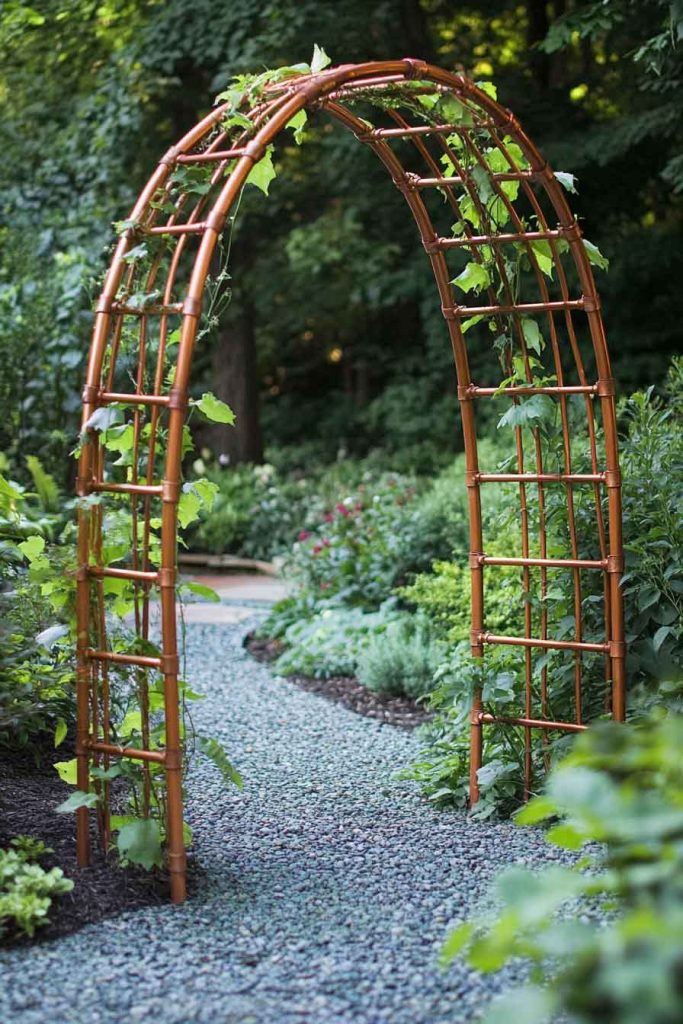
Design grid patterns, arches, or sculptural forms using pipes and elbow fittings. No soldering required—simply fit pieces together for a clean, contemporary look. The smooth surface works well for tendril climbers and creates an upscale appearance.
25. Branch and Twig Trellis
Harvest branches and twigs from pruning projects to create rustic, natural trellises. Arrange branches in vertical and horizontal patterns, securing intersections with wire or twine. This zero-cost option adds organic texture to gardens.
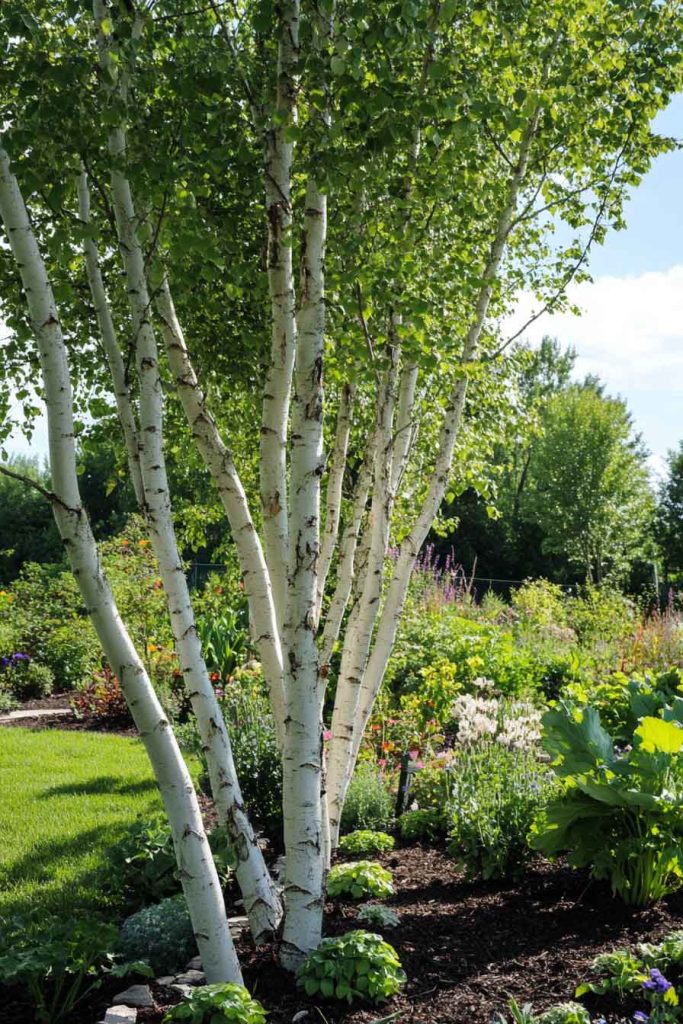
Birch branches create especially attractive white trellises, while willow and dogwood offer colorful options. Replace twig trellises every few years as they naturally decompose, incorporating them into compost afterward. This sustainable approach connects gardens to natural cycles.
26. Hinged Trellis for Wall Access
Design trellises with hinges at the base so they swing away from walls for painting, repairs, or building maintenance. This practical solution prevents the need to disturb established plants when wall work becomes necessary.

Attach the trellis top with hook-and-eye fasteners that release easily. When maintenance is complete, simply swing the trellis back into place. This thoughtful design saves years of plant growth and eliminates frustrating choices between building upkeep and garden beauty.
27. Vertical Garden Tower Trellis
Create a space-saving tower trellis perfect for small gardens and patios. Stack wooden or metal frames to form a vertical column with multiple planting levels. Plants grow upward and outward, creating a lush, compact display.
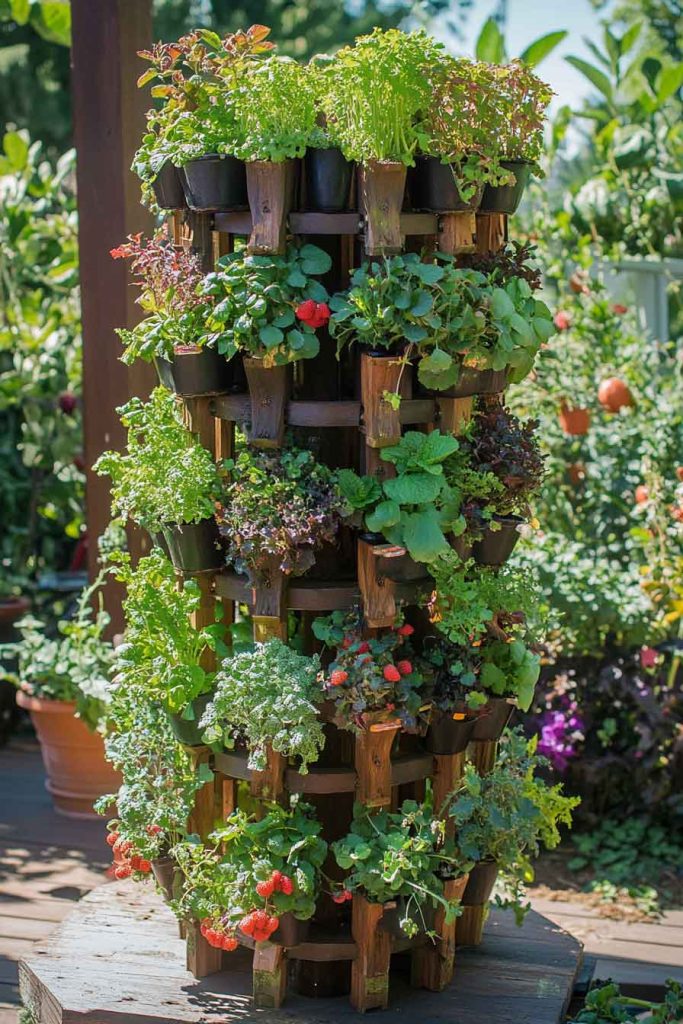
These towers work wonderfully for strawberries, herbs, and flowering vines. Place them on decks, patios, or balconies where ground space is limited. The vertical design provides multiple growing zones in the footprint of a single container.
28. Custom Arbor Gateway Trellis
Design an arbor gateway that welcomes visitors while supporting climbing plants. Build or purchase an arched structure that frames a garden path or entrance. Plant fragrant climbers like jasmine, honeysuckle, or roses to create a sensory experience.
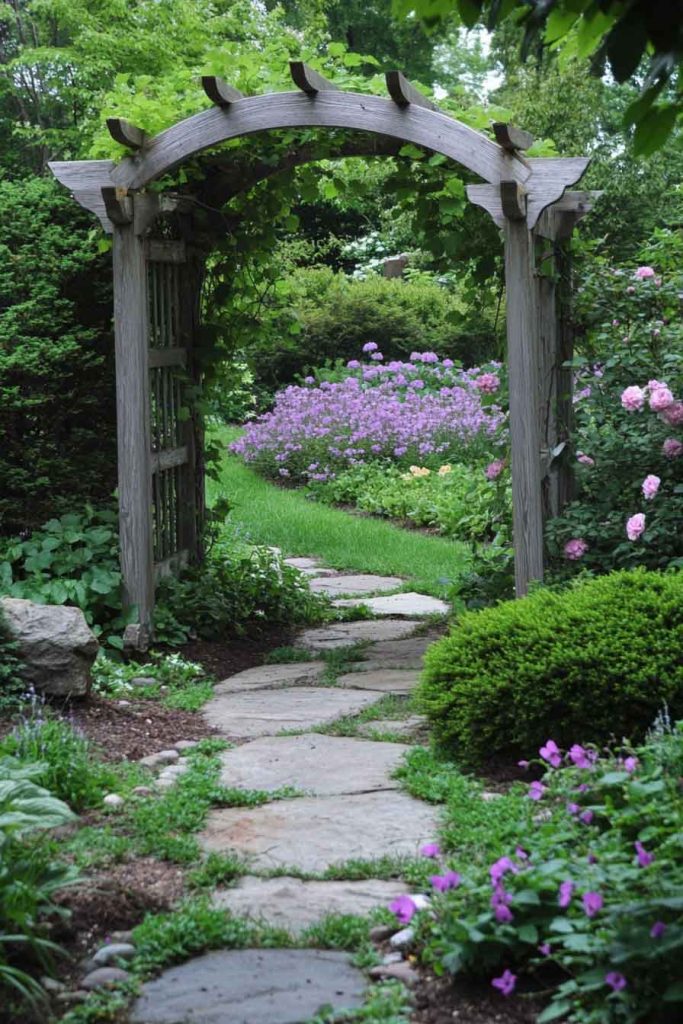
Arbor gateways define transitions between garden spaces, creating anticipation and discovery. They transform ordinary pathways into enchanting passages. Include a gate for added privacy, or leave the passage open to encourage exploration.
Conclusion
Adding a garden trellis to your outdoor space transforms both the functionality and beauty of your garden. Whether you choose a simple bamboo teepee, an elegant metal obelisk, or a custom-built wooden structure, trellises provide essential support for climbing plants while creating stunning vertical interest.
From practical vegetable garden supports to decorative architectural features, the perfect trellis awaits your garden. These structures maximize growing space, create privacy screens, and add year-round visual appeal to landscapes of any size.
To complete your garden trellis design, select climbing plants that suit your climate and growing conditions. Combine flowering vines with edible climbers for beauty and productivity. Regular maintenance, including training new growth and seasonal pruning, keeps your trellis looking its best year after year.
Remember that trellises grow more beautiful with time as plants mature and wood weathers naturally. Start with one trellis project and expand your vertical garden as you discover the joy of growing upward. Your garden will thank you with increased blooms, better harvests, and enhanced beauty that reaches new heights.