27 Garden Structures Ideas
Are you dreaming of transforming your outdoor space into a beautiful and functional retreat? Garden structures can completely change the way you use and enjoy your yard! From cozy pergolas to charming sheds, these additions bring both beauty and practicality to any garden.
Garden structures are more than just decorative elements—they create focal points, provide shelter, define spaces, and extend your living area outdoors. Whether you have a sprawling backyard or a compact urban garden, the right structure can maximize your space and reflect your personal style.
In this article, we’ll explore creative and practical garden structure ideas that can transform your outdoor area into a stunning sanctuary. Whether you’re looking to create a shaded sitting area, grow climbing plants, or add storage space, we have ideas that will inspire your next garden project.
There are many reasons why homeowners choose to add structures to their gardens. These additions create inviting outdoor rooms perfect for relaxation and entertaining. They provide support for climbing plants, offer shade on hot summer days, and can even increase your property value.
Garden structures also help organize your outdoor space, making it more functional and enjoyable. Whether you prefer a traditional cottage garden look or a sleek modern design, there are endless possibilities to customize structures that match your style and needs.
What are Garden Structures?
Garden structures are permanent or semi-permanent features built in outdoor spaces to enhance functionality and beauty. These include pergolas, arbors, gazebos, sheds, greenhouses, trellises, and more.
Garden structures serve many purposes—they provide shade, support plants, create privacy, offer storage, and define different areas in your landscape. The best garden structures blend seamlessly with nature while adding architectural interest to your outdoor space.
Almost any garden, regardless of size, can benefit from a well-planned structure. The key is choosing designs that complement your existing landscape and meet your specific needs. From rustic wooden arbors to modern metal pergolas, garden structures come in countless styles and materials.
Think about how you use your outdoor space. Do you need a quiet reading nook? A place to grow vegetables? Storage for garden tools? Understanding your needs will help you choose the perfect structure for your garden.
Elements of Garden Structure Design
1. Natural Materials
Using natural materials creates harmony between your garden structures and the surrounding landscape. Wood is the most popular choice, offering warmth and versatility. Cedar, redwood, and pressure-treated pine are excellent options that withstand weather and resist decay.
Stone and brick add timeless elegance and durability. These materials work beautifully for pathways, walls, and foundation elements. Bamboo provides a sustainable, lightweight option with an exotic appeal.
Metal structures in steel, iron, or aluminum offer strength and modern style. Weathered metals develop a beautiful patina over time, adding character to your garden. Mix materials like wood beams with metal supports for an interesting contemporary look.
2. Consider Your Climate
Your local weather plays a crucial role in choosing garden structures. In rainy climates, opt for covered structures with good drainage. Solid roofs on pergolas and gazebos provide better protection than open slats.
For hot, sunny regions, structures that provide ample shade are essential. Open-sided designs allow air circulation while blocking harsh sunlight. In windy areas, secure structures firmly to the ground and choose sturdy, low-profile designs.
Snow and ice require strong roof structures that won’t collapse under weight. Steep roof pitches help snow slide off easily. Consider removable fabric covers that can be taken down during harsh winter months.
3. Scale and Proportion
The size of your garden structure should match your outdoor space. A massive pergola will overwhelm a small yard, while a tiny arbor might look lost in a large landscape.
As a general rule, garden structures should be proportional to nearby buildings and trees. A structure’s height should relate to the surrounding elements—neither too tall nor too short compared to your home or major landscape features.
Leave adequate space around structures for walking and plant growth. Pathways should be at least three feet wide for comfortable access. Consider how the structure will look from different viewpoints in your yard and from inside your home.
4. Color and Finish
The color of your garden structure affects the overall mood of your outdoor space. Natural wood tones blend beautifully with greenery and create a warm, organic feel. Stained or painted finishes can match your home’s exterior or create interesting contrasts.
White and light colors make structures feel airy and romantic, perfect for cottage gardens. They also reflect heat, keeping shaded areas cooler. Dark colors create drama and help structures recede into the landscape, highlighting the plants instead.
Consider how colors will look year-round. A bright painted arbor might look cheerful in summer but stark in winter when plants are dormant. Weather-resistant stains and paints designed for outdoor use will maintain their appearance longer.
5. Functionality First
Before focusing on aesthetics, determine what you need your garden structure to do. Will it support climbing plants? Provide dining space? Store equipment? House a hot tub?
Multi-functional structures offer the best value. A pergola can provide shade, support vines, and create an outdoor living room. A garden shed can store tools while serving as a potting station.
Think about practical details like access to electricity, water, and drainage. Plan for adequate lighting if you’ll use the structure in the evening. Consider adding hooks, shelves, or built-in seating to maximize usefulness.
6. Pergolas and Arbors
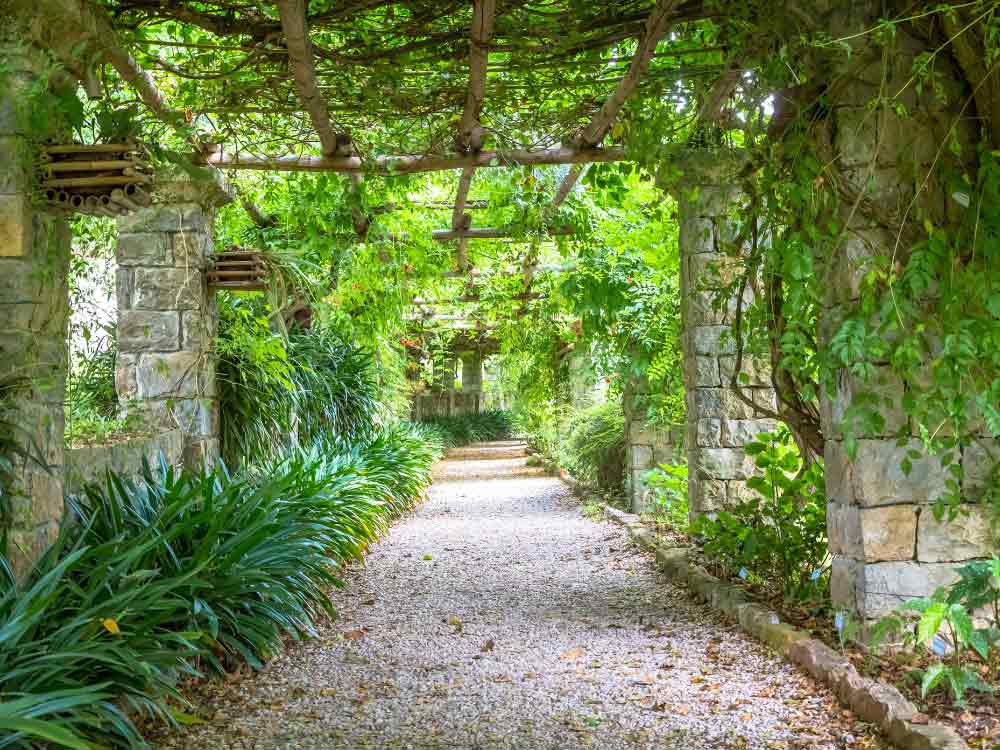
Pergolas are open-roofed structures with posts or columns supporting crossbeams and rafters. They create partially shaded spaces perfect for outdoor dining, lounging, or as walkway covers. The open design allows climbing plants to weave through, creating living roofs of flowers and foliage.
Arbors are smaller, arch-shaped structures typically placed over gates, pathways, or garden entrances. They’re ideal for showcasing climbing roses, clematis, or wisteria. Arbors frame views and create romantic transitions between different garden areas.
Both structures can be freestanding or attached to your home. Attached pergolas extend your living space and provide a smooth transition between indoors and outdoors. Choose designs that complement your home’s architectural style for a cohesive look.
7. Gazebos and Pavilions
Gazebos are freestanding, covered structures with open sides and a solid roof. They provide excellent shelter from sun and rain while allowing breezes to flow through. Octagonal or hexagonal designs are traditional, while square or rectangular shapes suit modern landscapes.
Pavilions are larger covered structures, often rectangular, perfect for outdoor entertaining. They can accommodate dining tables, seating areas, or outdoor kitchens. Solid roofs with ceiling fans make these spaces comfortable even on hot days.
Both options create defined outdoor rooms that become destination spots in your garden. Add screens or curtains for privacy and insect protection. Install lighting and electrical outlets to extend usability into evening hours.
8. Garden Sheds and Studios
Garden sheds serve as practical storage solutions for tools, pots, and equipment. Modern shed designs double as workshops, potting stations, or hobby spaces. Choose styles that complement your home—from rustic barn-inspired designs to sleek contemporary cubes.
Garden studios take sheds to the next level, creating functional rooms for work, art, or relaxation. With proper insulation, electricity, and heating, these structures become year-round retreats. Large windows bring in natural light and connect the space to the surrounding garden.
Position sheds thoughtfully—close enough for convenience but screened by plants or fencing if they’re purely utilitarian. Paint or stain them in colors that either blend with or accent your landscape design.
9. Greenhouses and Cold Frames
Greenhouses extend your growing season and allow you to cultivate plants that wouldn’t normally survive in your climate. Options range from small lean-to structures to substantial freestanding buildings with climate control systems.
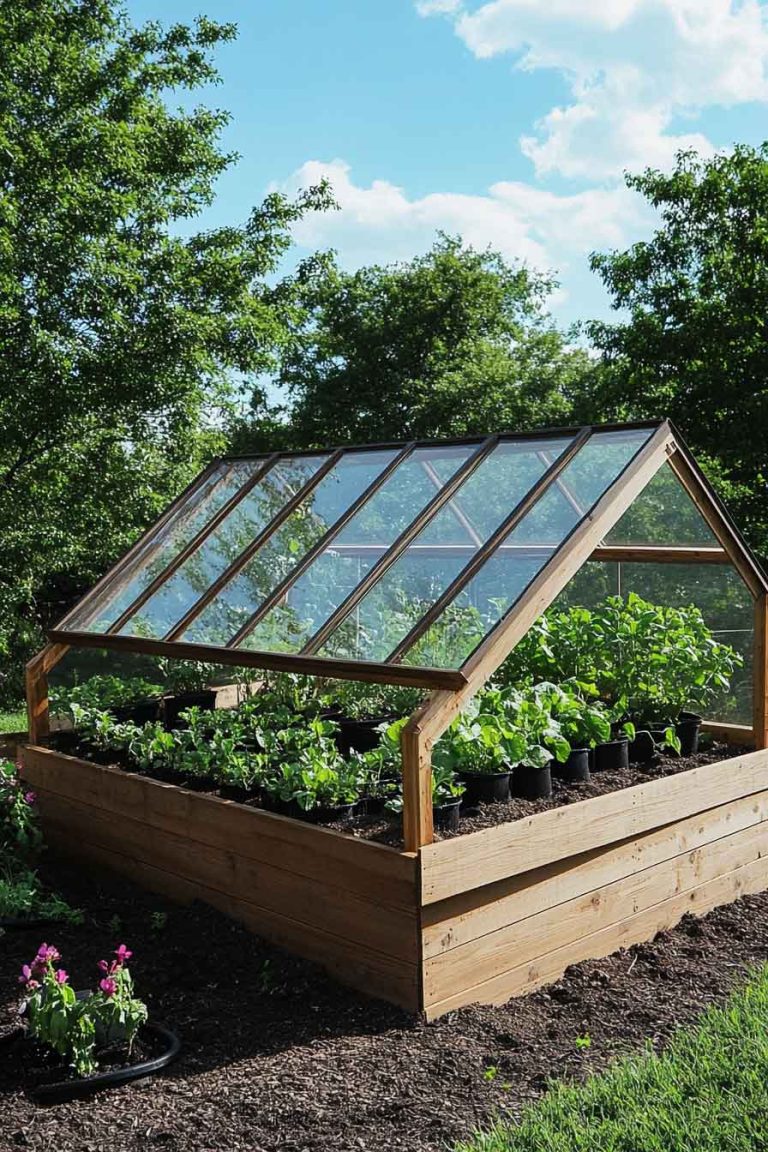
Cold frames are simple, low-profile structures that protect seedlings and extend harvests into colder months. These box-like frames with transparent tops are perfect for starting vegetables or hardening off transplants.
For serious gardeners, a greenhouse becomes the heart of the growing operation. Choose a sunny location with level ground and access to water and electricity. Proper ventilation prevents overheating during warm weather.
10. Trellises and Plant Supports
Trellises are vertical structures that support climbing plants and vines. They add height and dimension to gardens, turning flat spaces into three-dimensional landscapes. Wall-mounted trellises maximize small spaces, while freestanding versions create living screens and room dividers.
Obelisks are pyramid-shaped supports that add elegant vertical accents in flower beds. They’re perfect for climbing roses, sweet peas, or morning glories. Place them as focal points or in groups for dramatic effect.
Tuteurs are decorative tower-like supports, often with ornate tops, that combine function with artistry. These structures become sculptural elements even when plants are dormant. Choose materials that complement your garden style—rustic wood, elegant metal, or contemporary powder-coated steel.
11. Garden Walls and Fencing
Garden walls create structure, define boundaries, and provide privacy. Stone or brick walls add permanence and formality, while wooden fences offer warmth and versatility. Low walls can edge garden beds or create seating opportunities with wide caps.
Living walls or vertical gardens combine structure with greenery. These systems support plants growing in pockets or containers, creating lush vertical landscapes perfect for small spaces. They improve air quality and provide insulation when attached to buildings.
Fencing styles range from rustic split-rail to elegant wrought iron to modern horizontal slats. Painted picket fences create cottage charm, while stained cedar provides natural beauty. Consider combining solid sections for privacy with open areas that maintain views.
12. Water Features as Structures
Water features add soothing sounds and visual interest to gardens. Fountains range from simple wall-mounted spouts to elaborate tiered designs. Self-contained fountains require no plumbing, making them easy to add anywhere.
Ponds with surrounding structures create peaceful retreats. Add a small bridge, deck, or gazebo near the water’s edge for contemplative spaces. The structure of the pond itself—edged with stone or wood—becomes a defining garden element.
Water walls are vertical structures where water flows over stone, metal, or glass surfaces. These modern features work well in contemporary gardens and small spaces where horizontal water features aren’t practical.
13. Fire Features and Outdoor Fireplaces
Fire pits and fireplaces extend the usability of your garden into cooler seasons. Built-in fire pits with surrounding stone seating create natural gathering spots. Freestanding metal fire bowls offer flexibility and portability.
Outdoor fireplaces are more substantial structures that become focal points in the landscape. They provide warmth and ambiance while adding architectural interest. Choose styles from rustic stacked stone to sleek modern designs.
Always place fire features safely away from structures, overhanging branches, and property lines. Check local codes regarding outdoor fires and consider prevailing wind patterns when choosing locations.
14. Pathways and Steps
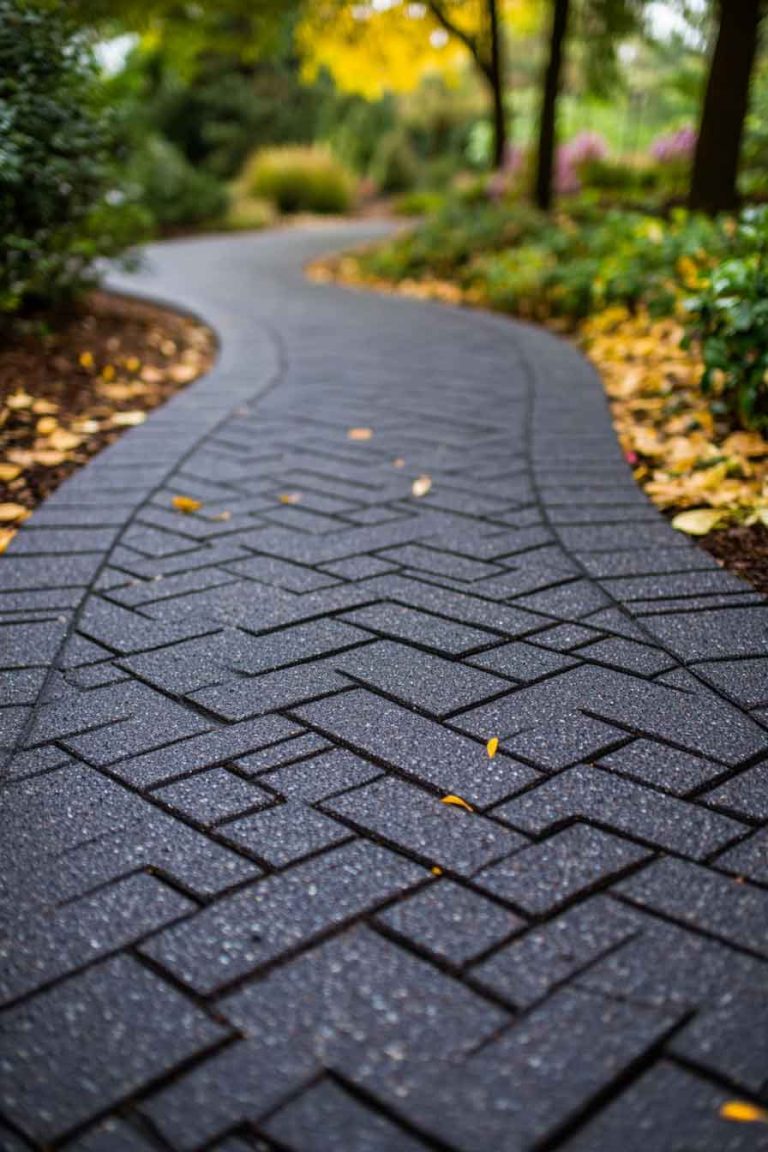
Pathways are the structural bones of a garden, guiding movement and connecting different areas. Materials like gravel, stone pavers, brick, or decomposed granite each create different moods and require varying levels of maintenance.
Stepping stone paths through lawn or ground covers create casual, flowing routes. For main pathways, choose durable materials and adequate width—at least three feet for comfortable passage. Edge pathways with low plants or metal strips for neat, defined borders.
Garden steps manage slopes while adding architectural interest. Stone or timber risers can be formal or rustic depending on materials and construction. Wide, shallow steps feel more inviting than steep, narrow ones. Add lighting for safety and nighttime beauty.
15. Overhead Structures for Shade
Creating shade extends the usability of your outdoor space during hot summer months. Shade sails are modern fabric structures that block sun while allowing air circulation. Their geometric shapes add contemporary style to gardens.
Lattice panels on pergola roofs provide filtered shade while supporting climbing plants. Adjustable louvers allow you to control the amount of sunlight, rotating to block harsh rays or open for full sun and stargazing.
Retractable awnings and canopies offer flexibility, extending during peak sun and retracting to capture warmth on cooler days or when you want full sunshine. Choose weather-resistant fabrics that complement your home’s colors.
16. Outdoor Kitchen Structures
Outdoor kitchens transform gardens into entertainment spaces. Built-in structures with counters, grills, and storage create functional cooking areas. Include a roof or pergola overhead for weather protection and comfortable year-round use.
A simple grill station with side counters and storage is a great starting point. Expand with refrigerators, sinks, and pizza ovens as your budget allows. Use weather-resistant materials like stainless steel, stone, and marine-grade cabinetry.
Position outdoor kitchens near the house for easy access to indoor amenities. Consider wind direction—you don’t want smoke blowing toward seating areas. Include adequate lighting for evening cooking and prep work.
17. Play Structures and Treehouses
Garden structures for children create magical play spaces that encourage outdoor activity. Playhouses, climbing structures, and swings can be designed to complement your landscape rather than detract from it.
Treehouses are the ultimate childhood dream and can be built with sophisticated designs that serve the family for years. Ensure safety with proper railings, secure ladders or stairs, and professional installation if the structure is complex.
Choose natural materials and colors that blend with the garden. Position play structures where you can supervise from the house. Consider how the space might be repurposed as children grow—a playhouse could become a garden shed or studio.
18. Screening and Privacy Structures
Privacy screens create intimate spaces within your garden and block unwanted views. Lattice panels, slatted fences, or vertical slat walls provide screening while allowing air and light to filter through.
Living screens using evergreen hedges or bamboo create natural privacy. Combine plants with structures—a fence with climbing vines offers immediate screening that becomes more lush over time. Metal or wood frames with fabric panels can be moved seasonally.
Consider the view from both sides when adding screening structures. What blocks an eyesore from your yard might create a visual problem for neighbors. Choose attractive materials and incorporate plantings to soften the structure.
19. Garden Arches and Moon Gates
Garden arches create romantic focal points and frame views. Traditional arched designs suit cottage gardens, while geometric square or rectangular openings fit modern landscapes. Use arches to mark transitions between different garden rooms.
Moon gates are circular openings, inspired by Chinese garden design, that create dramatic focal points. The round shape frames views beautifully and draws the eye through the garden. They work wonderfully in walls or fences.
Cover arches with climbing plants for living structures that change with seasons. Roses, clematis, jasmine, and honeysuckle are excellent choices. Leave the structure visible or let plants completely engulf it—both approaches create beauty.
20. Raised Bed Structures
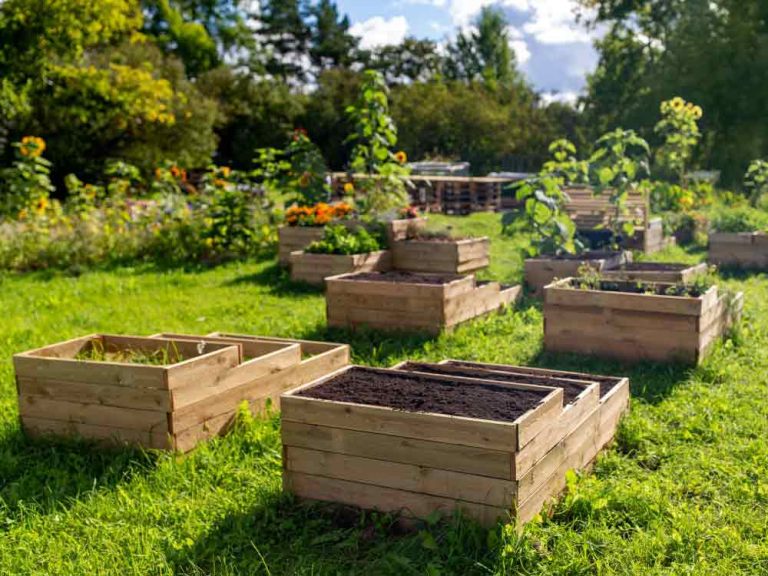
Raised garden beds are practical structures that improve drainage, extend the growing season, and reduce bending for easier gardening. Build them from wood, stone, metal, or composite materials at comfortable working heights.
Multiple raised beds create structured vegetable gardens with neat pathways between them. This organization makes maintenance easier and maximizes growing space. Include wide edges for sitting or setting down tools.
Tall raised beds, waist-high or higher, are perfect for gardeners with mobility issues. They can double as property dividers or decorative landscape elements. Fill them with flowers, vegetables, or herbs depending on your needs.
21. Potting Benches and Work Stations
A dedicated potting bench makes garden chores more enjoyable and organized. Include a work surface at comfortable height, storage for pots and soil, and hooks for tools. A roof or shelf overhead protects supplies from weather.
Position potting benches near water sources for easy cleanup and watering. A simple three-sided structure with a back wall and roof can be built against a fence or shed. Add a sink if plumbing is available.
Customize your work station with personal touches—paint it a favorite color, add decorative brackets, or install shelves for displaying small plants and garden ornaments. Make it a place you actually want to spend time.
22. Garden Rooms and Pavilions
Creating distinct garden rooms with structures divides large yards into intimate spaces, each with its own character. Use pergolas, hedges, walls, or fencing to define boundaries between areas.
Each room can serve a different purpose—a dining pavilion, reading nook, cutting garden, or meditation space. This approach makes large gardens feel organized and gives visitors a sense of discovery as they move through different areas.
Connect garden rooms with pathways and transitional elements like arches or gates. Vary the style slightly in each room while maintaining cohesive materials or colors throughout the landscape.
23. Lighting Structures
Garden lighting extends enjoyment of outdoor spaces into evening hours while adding safety and security. String lights hung between posts create magical ambiance for entertaining. Solar-powered path lights mark walkways without requiring electrical work.
Lantern posts and lamp structures add vertical elements that function both day and night. Traditional coach lights suit formal gardens, while modern fixtures complement contemporary landscapes. Uplighting on trees and structures creates drama and depth.
Layer different types of lighting—task lighting for cooking and dining areas, ambient lighting for atmosphere, and accent lighting to highlight special features. Use timers or smart controls for convenience.
24. Vertical Garden Structures
When ground space is limited, build upward with vertical garden structures. Wall-mounted planters, pocket gardens, and living walls transform vertical surfaces into growing spaces. These structures are perfect for small urban gardens, balconies, or patios.
Pallet gardens are budget-friendly vertical structures perfect for herbs and small vegetables. Lean them against walls or fences, fill pockets with soil, and plant. They’re easy to build and customize.
Sophisticated modular systems with built-in irrigation make creating impressive living walls simpler. These can cover entire walls with lush greenery and flowers, providing insulation and improving air quality around your home.
25. Storage Solutions
Attractive storage structures keep your garden organized and tools protected. Deck boxes store cushions and garden supplies while doubling as seating. Tool sheds keep equipment secure and organized.
Built-in storage under deck stairs or benches maximizes space without adding separate structures. Screened storage areas behind lattice panels keep necessities handy but hidden from view.
Consider specialized storage for specific needs—a firewood shelter, bicycle storage, or a hidden area for trash and recycling bins. Make these structures attractive enough that they enhance rather than detract from your landscape.
26. Seating Structures
Built-in seating structures create permanent gathering spots that invite people to linger in the garden. Bench swings hung from pergola beams or tree branches add whimsy and relaxation. Built-in benches along walls or edges maximize seating without cluttering the space.
Arbors with bench seats create intimate nooks perfect for quiet contemplation. Add cushions and pillows for comfort. Position seating to capture the best views or create cozy corners away from main activity areas.
Circle seating around fire pits with built-in stone or wood benches. This configuration naturally encourages conversation and makes the space feel complete. Include built-in side tables for convenience.
27. Sustainable and Eco-Friendly Structures
Green building practices apply to garden structures too. Use reclaimed or sustainably harvested wood, recycled metal, or bamboo. Solar panels on shed roofs can power lighting and tools.
Rainwater collection systems integrated into structure roofs provide irrigation water while reducing runoff. Green roofs on sheds or other garden buildings provide insulation, wildlife habitat, and beautiful living roofs.
Choose local materials when possible to reduce transportation impact. Untreated, naturally rot-resistant woods like cedar avoid chemical treatments. Design structures to last, reducing waste from replacements.
Garden Structure Ideas: Conclusion
Garden structures transform outdoor spaces into functional, beautiful extensions of your home. Whether you’re adding a simple trellis or building an elaborate pavilion, these additions create interest, define spaces, and enhance your enjoyment of the garden.
From pergolas that provide shade and support climbing plants to greenhouses that extend your growing season, the right structures meet your specific needs while reflecting your personal style. Natural materials, proper scale, and thoughtful placement ensure your structures blend harmoniously with the landscape.
Start with one structure that addresses your most pressing need or desire. A potting bench might make gardening more enjoyable, while a pergola creates the outdoor entertaining space you’ve always wanted. As your garden evolves, you can add additional structures to increase functionality and beauty.
Remember that the best garden structures serve both practical purposes and aesthetic goals. They should make your outdoor space more usable while adding visual appeal. With proper planning and design, your garden structures will provide years of enjoyment and become cherished features of your landscape.