30 Living Room Decor Ideas
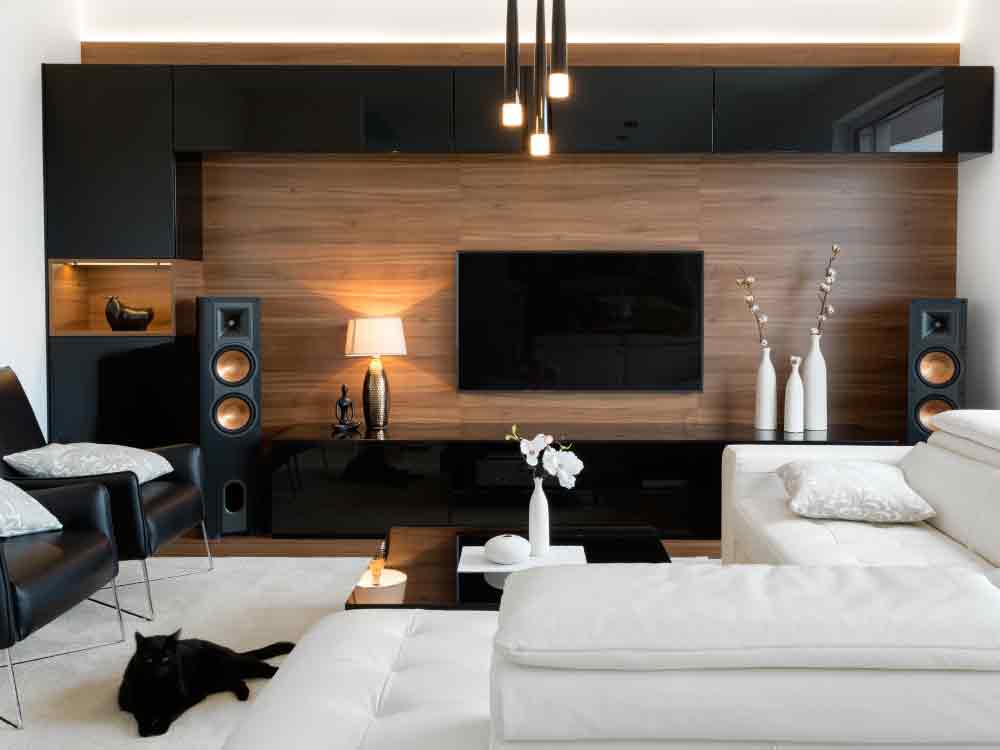
Are you ready to transform your living room into a space that truly feels like home? Your living room is the heart of your house—where families gather, friends connect, and memories are made. Whether you’re starting fresh or looking to refresh your current space, the right decor can make all the difference.
In this article, we’ll explore 30 creative and practical living room decor ideas that will help you create a beautiful, comfortable, and functional space. From choosing the perfect color palette to selecting furniture that fits your lifestyle, these tips will guide you through every aspect of living room design.
A well-decorated living room isn’t just about looking good—it’s about creating a space where you feel relaxed and happy. The best living rooms blend style with comfort, making them perfect for both everyday living and special occasions. Whether you prefer a modern look, a cozy traditional feel, or something in between, there’s a decorating approach that’s right for you.
What Makes a Great Living Room?
A great living room balances beauty and function. It should be a place where you can relax after a long day, entertain guests, or enjoy quality time with family. The key is creating a space that reflects your personality while meeting your daily needs.
Good living room design considers several important elements: comfortable seating, proper lighting, smart storage solutions, and decorative touches that make the space feel complete. The room should flow well, with furniture arranged in a way that encourages conversation and movement.
No matter the size of your living room, you can create a welcoming atmosphere with the right design choices. Small living rooms can feel spacious with clever furniture placement, while large rooms can feel cozy with the right color choices and accessories.
Essential Elements of Living Room Decor
1. Choose the Right Color Scheme
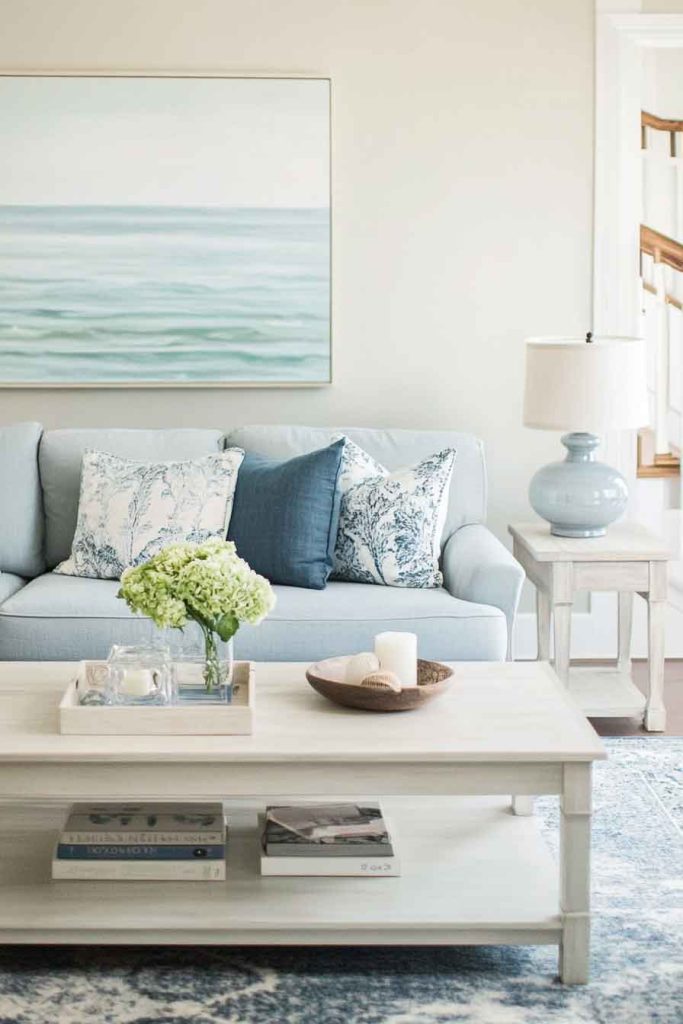
Color sets the mood for your entire living room. Light colors like white, cream, and soft gray make a room feel larger and brighter. These neutral tones create a calm backdrop that works with any decorating style.
If you want more personality, consider adding accent colors through pillows, artwork, or a feature wall. Popular choices include navy blue, forest green, warm terracotta, and soft blush pink. The key is choosing colors that make you feel good when you enter the room.
Remember that colors can change how a room feels. Cool colors like blue and green create a relaxing atmosphere, while warm colors like red and orange add energy and warmth.
2. Invest in Comfortable Seating
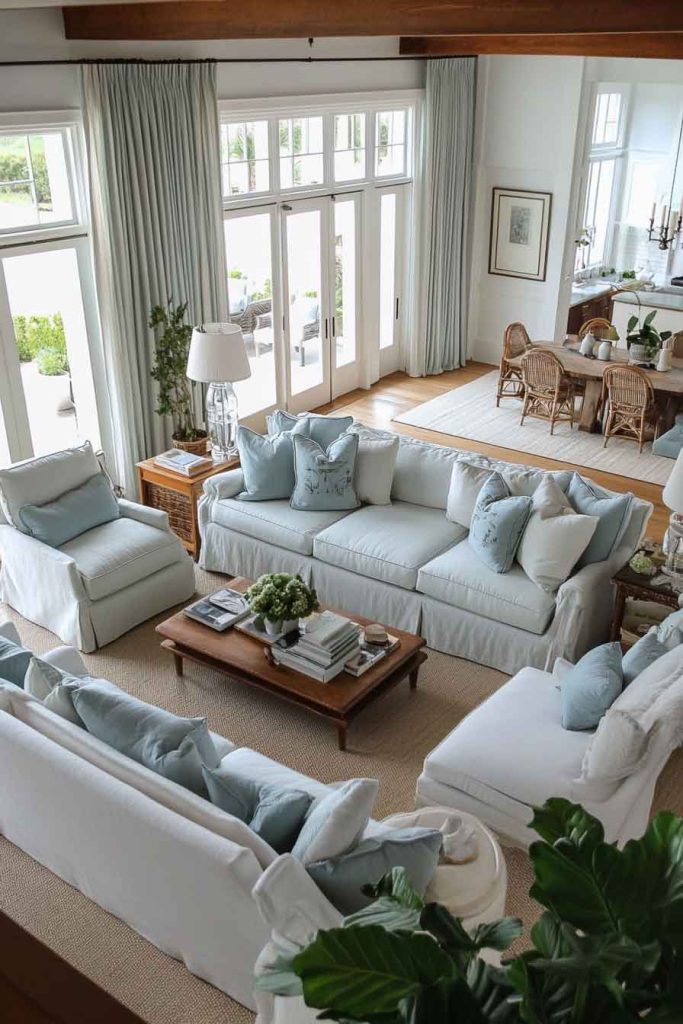
Your sofa is likely the most important piece of furniture in your living room. Choose one that’s comfortable and fits your space well. A good sofa should support your back, have deep enough seats, and be the right size for your room.
Consider how you use your living room when selecting seating. If you entertain often, a sectional sofa or multiple seating pieces work well. For smaller spaces, a loveseat paired with accent chairs can provide plenty of seating without overwhelming the room.
Don’t forget about additional seating options like poufs, ottomans, and benches. These pieces are easy to move around and can provide extra seats when you have guests.
3. Layer Your Lighting
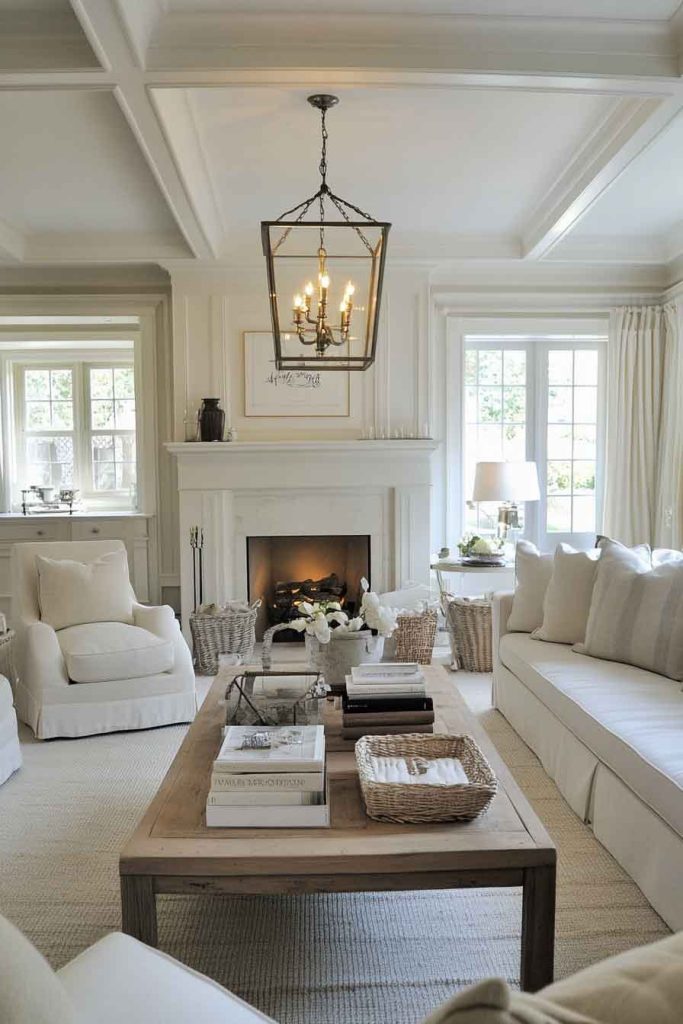
Good lighting can completely change how your living room looks and feels. Every room needs three types of lighting: ambient lighting for overall brightness, task lighting for specific activities, and accent lighting to highlight features.
Start with a ceiling light or chandelier for general lighting. Add table lamps on side tables for reading and creating a warm glow. Floor lamps are great for corners and can provide both ambient and task lighting.
Consider installing dimmer switches so you can adjust the lighting based on the time of day and activity. Soft lighting in the evening creates a cozy atmosphere perfect for relaxing.
4. Add a Statement Rug
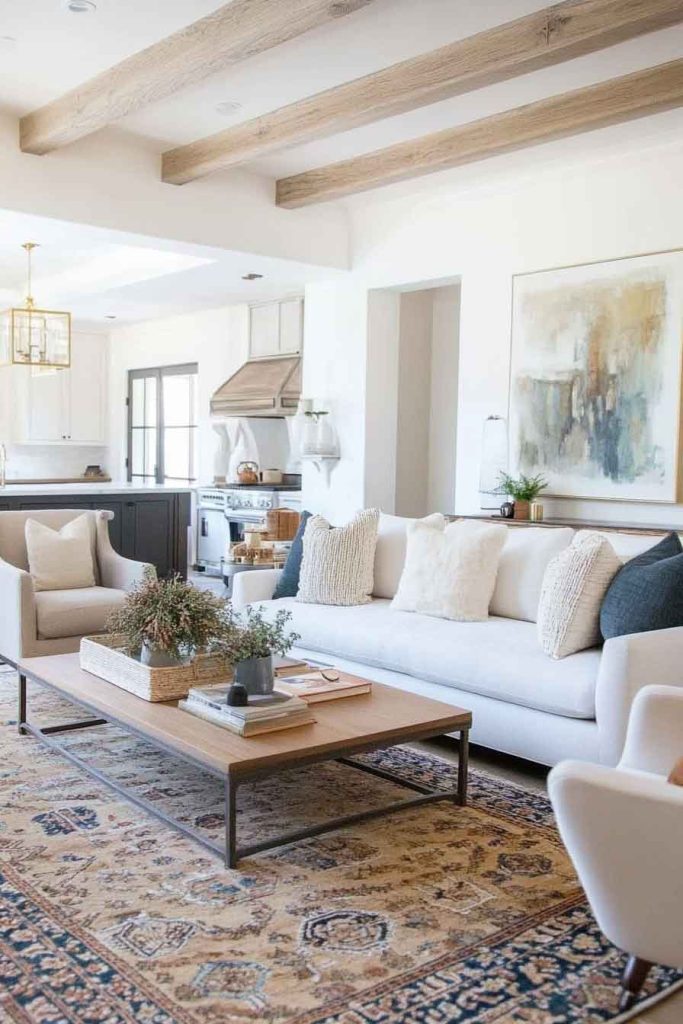
A beautiful rug can anchor your living room and tie all your furniture together. Choose a rug large enough that at least the front legs of your furniture rest on it. This creates a cohesive look and defines your seating area.
Rugs add warmth, comfort, and color to your living room. They also help reduce noise and make hard floors more comfortable. Popular options include wool rugs for durability, cotton rugs for easy cleaning, and jute rugs for natural texture.
When choosing a rug, consider the colors in your room and pick one that complements your existing decor. Patterns can add visual interest, while solid colors create a calm foundation.
5. Create a Focal Point
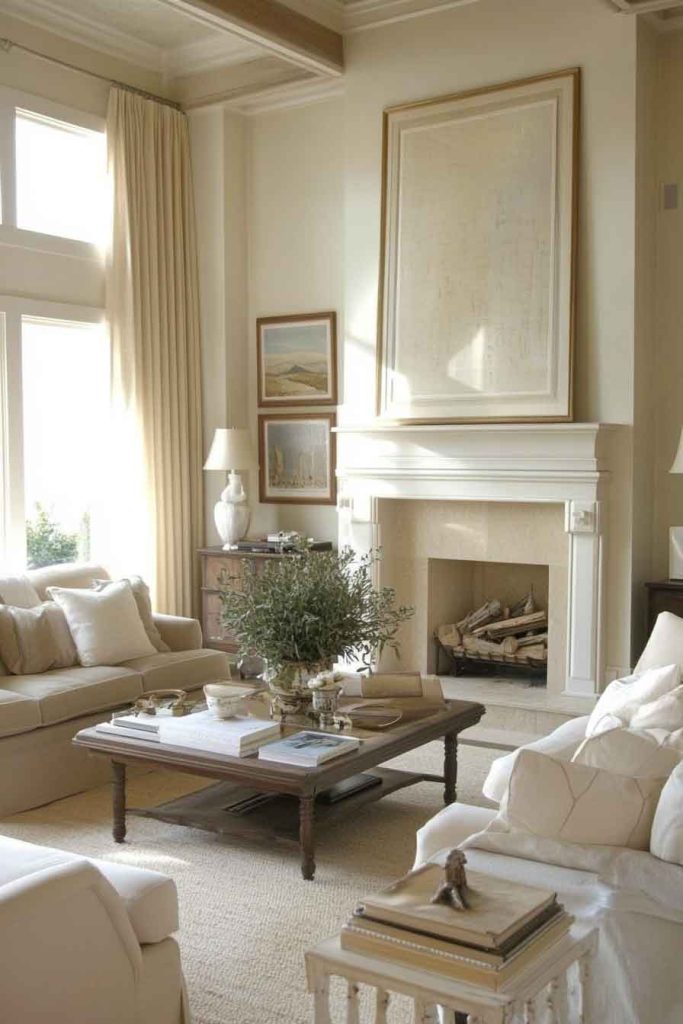
Every living room needs a focal point—something that draws the eye when you enter the room. This could be a fireplace, a large window with a beautiful view, a piece of artwork, or an entertainment center.
Arrange your furniture to face the focal point. This creates a natural flow and makes the room feel organized. If your room doesn’t have a natural focal point, you can create one with a gallery wall, a large mirror, or a bold piece of furniture.
A well-chosen focal point gives your room purpose and makes decorating decisions easier. Everything else in the room should support and complement this central feature.
6. Use Mirrors to Add Light and Space
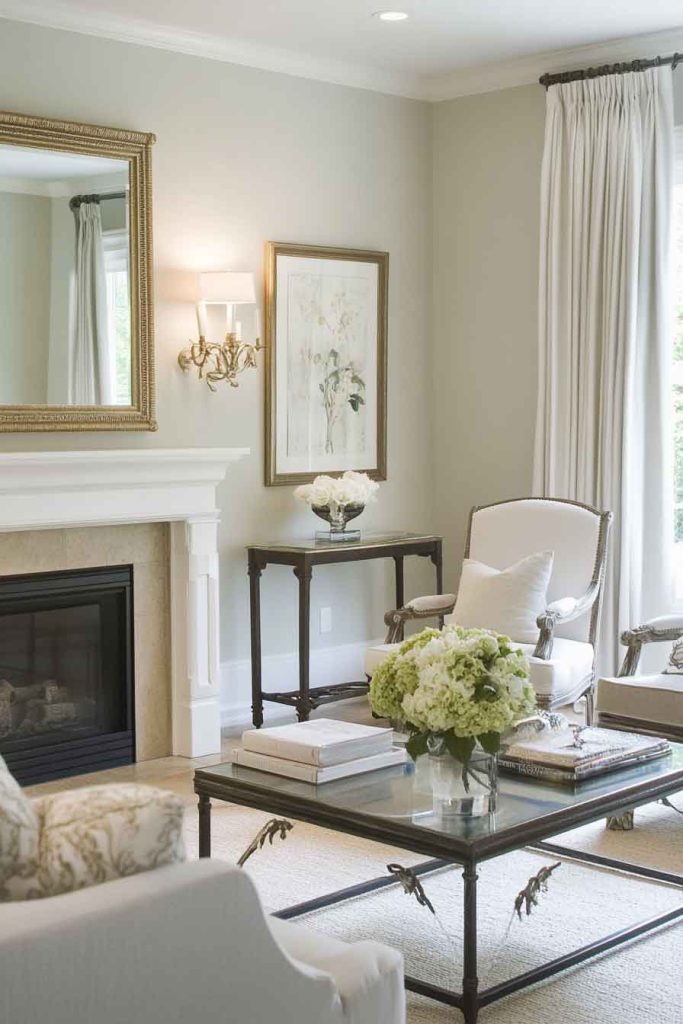
Mirrors are wonderful decorating tools that can make your living room feel larger and brighter. When placed across from windows, mirrors reflect natural light throughout the room, creating a more open and airy feeling.
Large mirrors work well above sofas or fireplaces, while smaller mirrors can be grouped together to create an interesting wall display. Choose frames that match your decorating style, from modern and minimal to ornate and traditional.
Mirrors also add depth to a room, making even small spaces feel more spacious. This simple addition can significantly improve how your living room looks and feels.
7. Incorporate Natural Elements
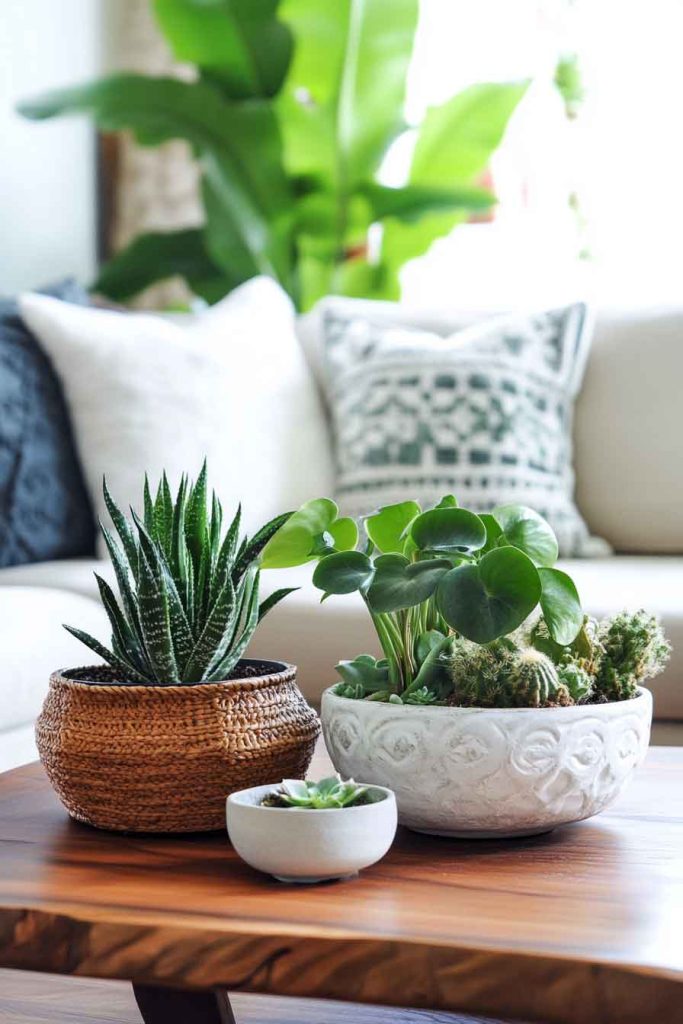
Bringing nature indoors creates a fresh and inviting atmosphere. Houseplants are an easy way to add life and color to your living room. They also help purify the air and create a healthier environment.
Choose plants that match your lifestyle. If you’re busy or travel often, consider low-maintenance options like snake plants, pothos, or succulents. For those who enjoy plant care, fiddle leaf figs, monstera, or peace lilies make beautiful statement pieces.
Other natural elements include wooden furniture, stone accents, woven baskets, and natural fiber textiles. These materials add warmth and texture while connecting your indoor space to the outdoors.
8. Display Personal Items and Artwork
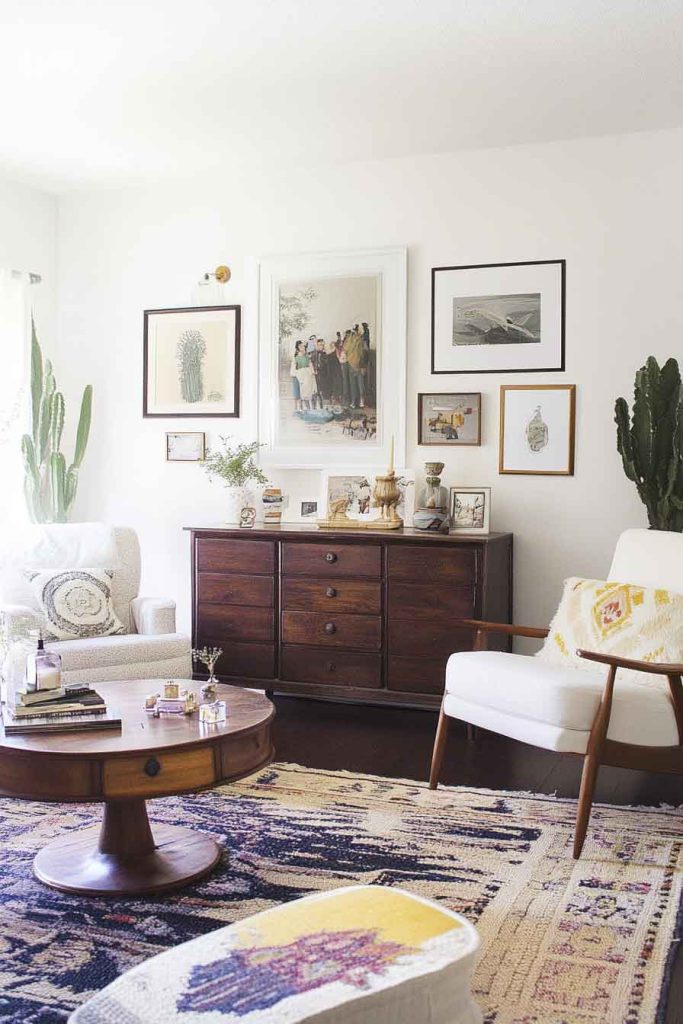
Your living room should tell your story. Display family photos, travel souvenirs, and items that have meaning to you. These personal touches make your space unique and create conversation starters for guests.
Create a gallery wall with a mix of photos, artwork, and decorative objects. Start by laying out your arrangement on the floor before hanging anything on the wall. This helps you find the perfect layout before making holes in your walls.
Remember that less is often more. Choose a few meaningful items to display rather than cluttering every surface. Rotate your displays seasonally to keep your living room feeling fresh.
9. Add Texture with Textiles
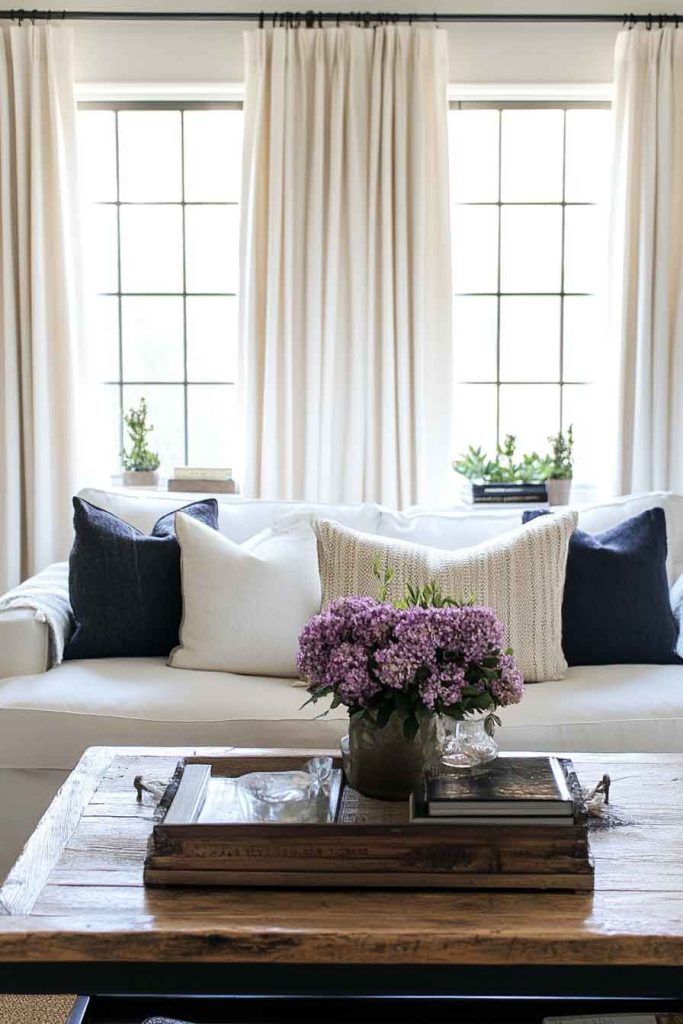
Textiles like throw pillows, blankets, and curtains add softness and comfort to your living room. Mix different textures to create visual interest—combine smooth velvet with chunky knit throws, or pair linen curtains with silk pillows.
Throw pillows are an easy way to change your room’s look without spending much money. Choose pillows in different sizes and shapes, and mix patterns with solid colors for a balanced look.
Curtains frame your windows and add privacy while also softening the room. Choose curtains that hang from ceiling to floor for a more elegant look that makes your windows appear larger.
10. Smart Storage Solutions
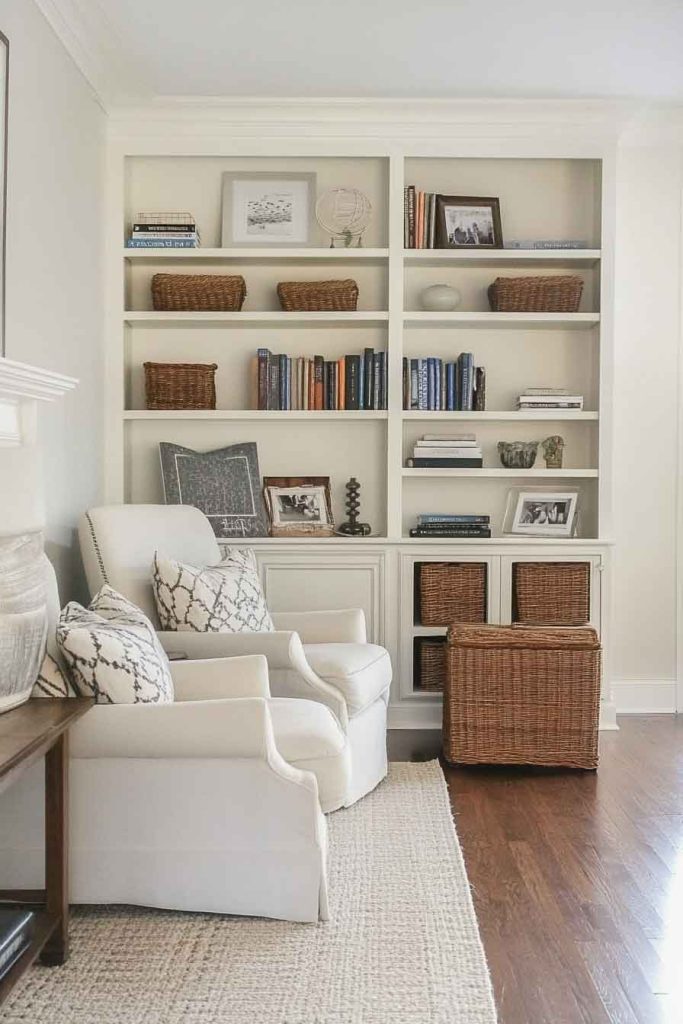
A clutter-free living room feels more relaxing and spacious. Include storage pieces like bookcases, cabinets, and storage ottomans to keep your space organized.
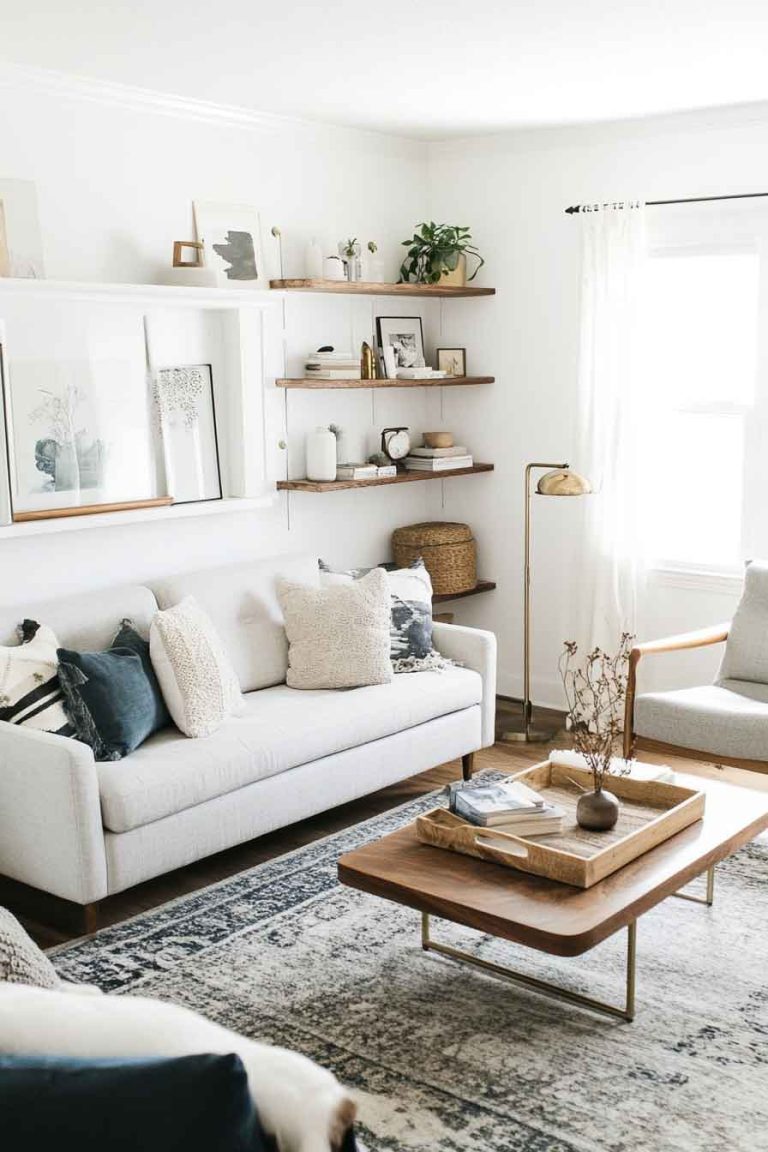
Built-in shelving provides storage while displaying books, photos, and decorative objects. Floating shelves are perfect for small spaces and can be arranged in creative patterns on your walls.
Baskets and decorative boxes are both functional and attractive. Use them to store remote controls, magazines, toys, and other items that tend to create clutter.
11. Choose the Right Coffee Table
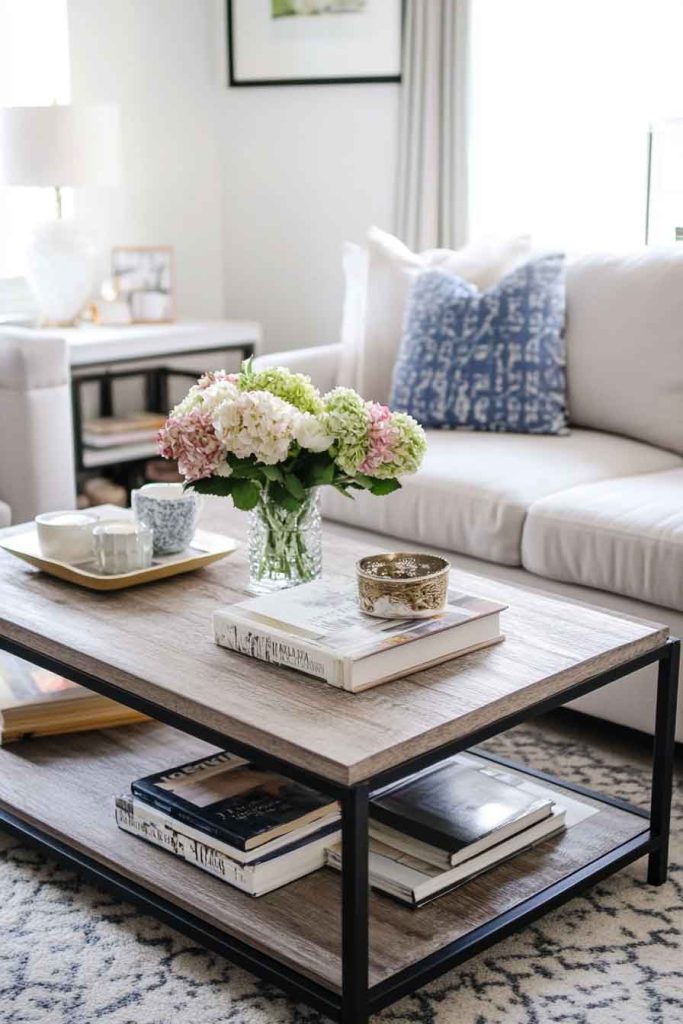
Your coffee table should be both practical and beautiful. It serves as a place for drinks and snacks, a spot to display books and flowers, and sometimes extra storage.
The ideal coffee table height is about the same as your sofa seat or slightly lower. Make sure there’s enough space to walk around it comfortably—aim for at least 18 inches between the table and seating.
Consider your lifestyle when choosing a coffee table. Families with young children might prefer rounded edges and durable materials, while those who entertain often might want a larger surface area.
12. Create Conversation Areas
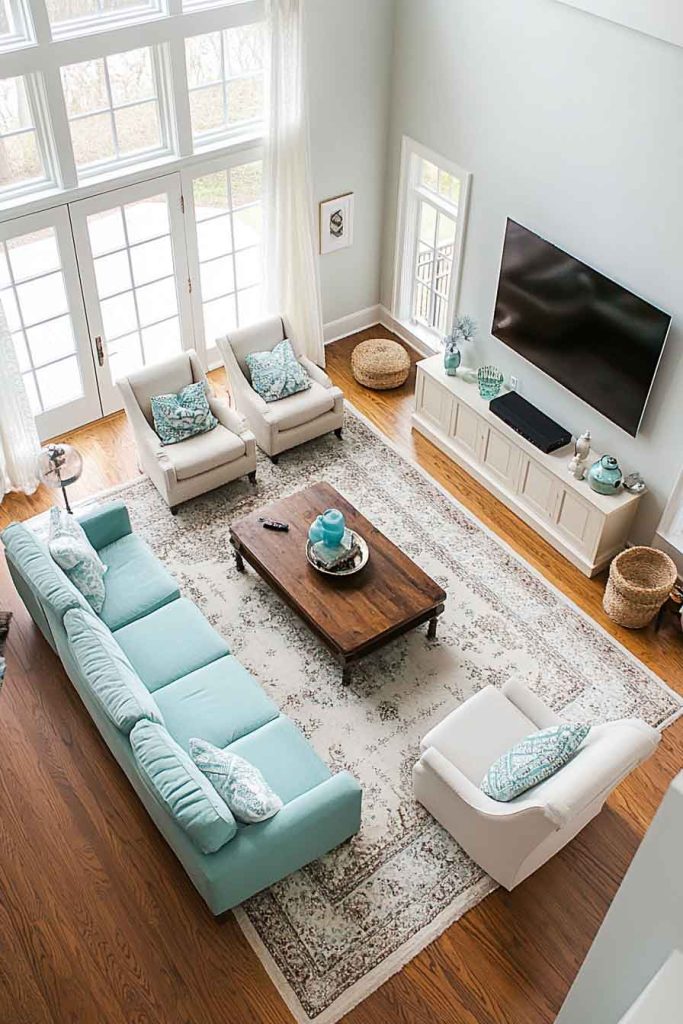
Arrange your furniture to encourage conversation and interaction. Instead of lining all furniture against the walls, bring pieces closer together to create intimate groupings.
Place seating pieces facing each other or at right angles. This arrangement makes it easy for people to talk without having to turn their bodies uncomfortably.
In large living rooms, you might create multiple conversation areas. One could be centered around the television, while another focuses on reading or games.
13. Add Window Treatments
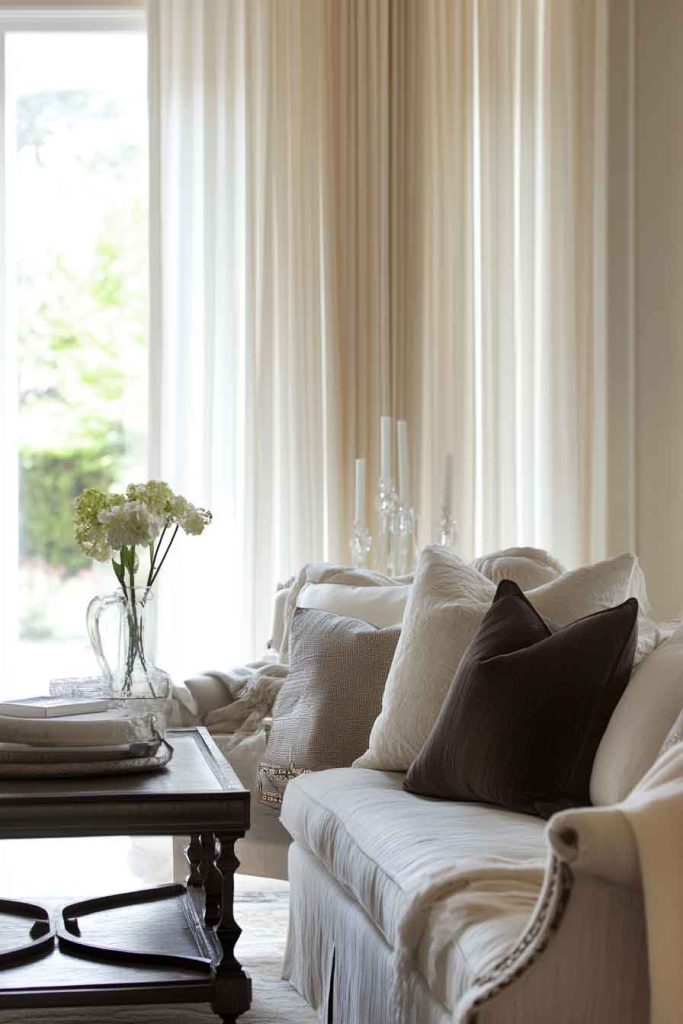
Window treatments complete your living room while providing privacy and light control. Choose treatments that match your decorating style and meet your practical needs.
Sheer curtains allow natural light while providing some privacy during the day. Heavier curtains or blinds offer complete privacy and help insulate your room. Layering sheers with heavier curtains gives you flexibility throughout the day.
Make sure your curtain rod extends beyond your window frame on both sides. This allows curtains to be pulled completely open, letting in maximum light and making windows appear larger.
14. Use Accent Chairs
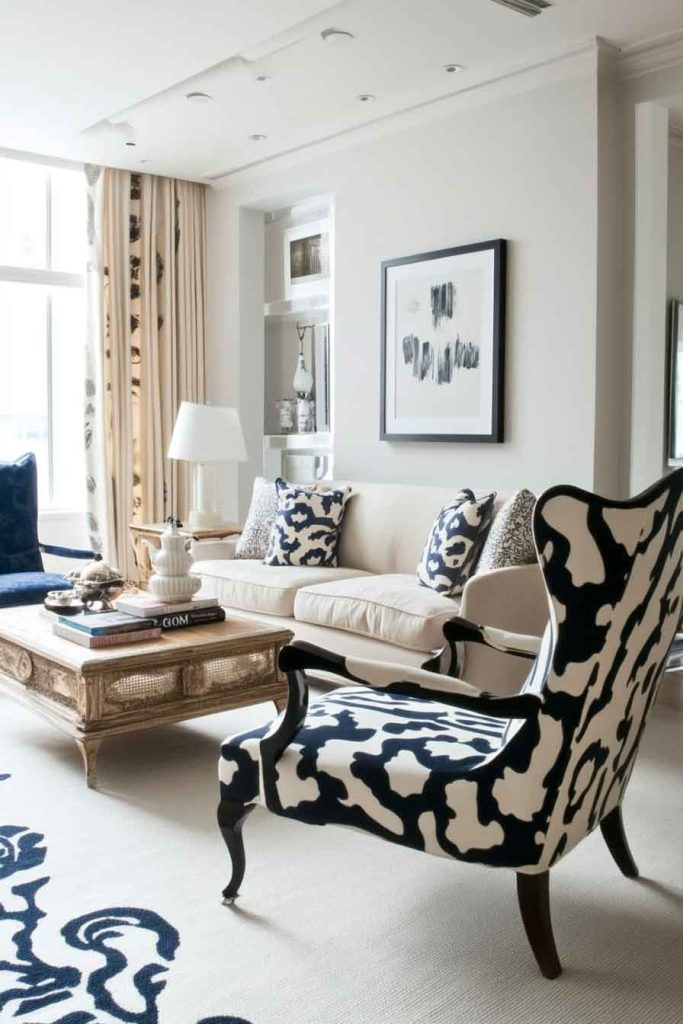
Accent chairs add personality and extra seating to your living room. These pieces can introduce new colors, patterns, or styles that complement your sofa without matching it exactly.
Place accent chairs across from your sofa to balance the room, or use them to fill empty corners. Swivel chairs are especially functional, allowing people to join different conversation groups easily.
Don’t be afraid to choose accent chairs that stand out. A bold pattern or unique shape can become a conversation piece and add character to your space.
15. Incorporate Metallic Accents
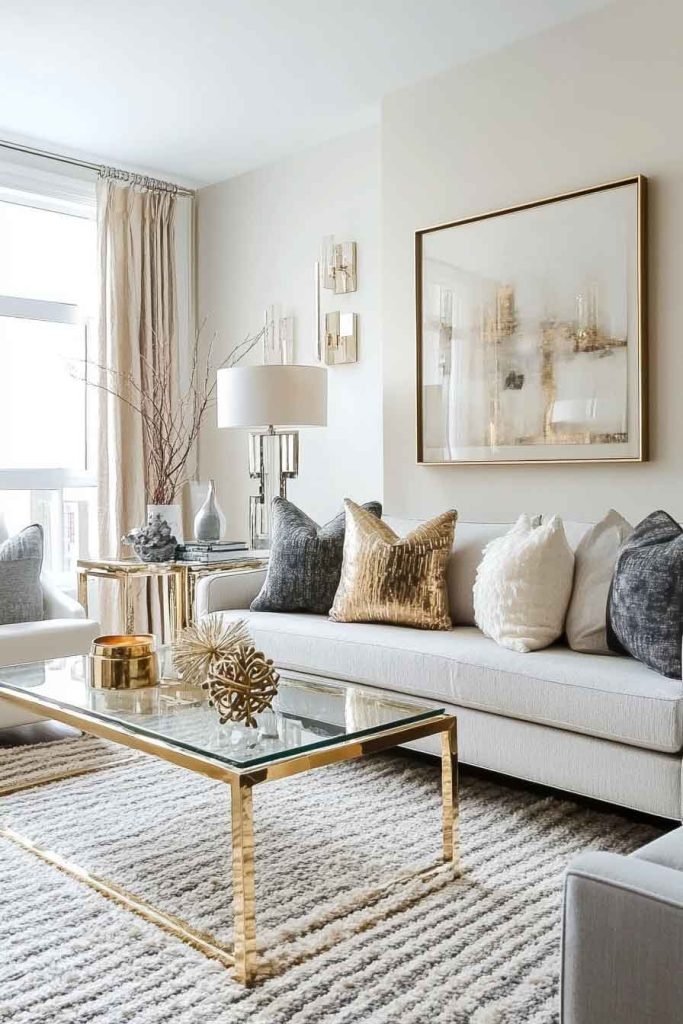
Metallic finishes add sparkle and sophistication to your living room. Gold, silver, brass, and copper accents catch the light and create visual interest.
Use metallics in light fixtures, picture frames, decorative objects, and furniture legs. Mix different metal finishes for a collected, layered look rather than matching everything exactly.
Keep metallic accents balanced throughout the room. Distribute them evenly so no single area feels too heavy or shiny.
16. Create a Reading Nook
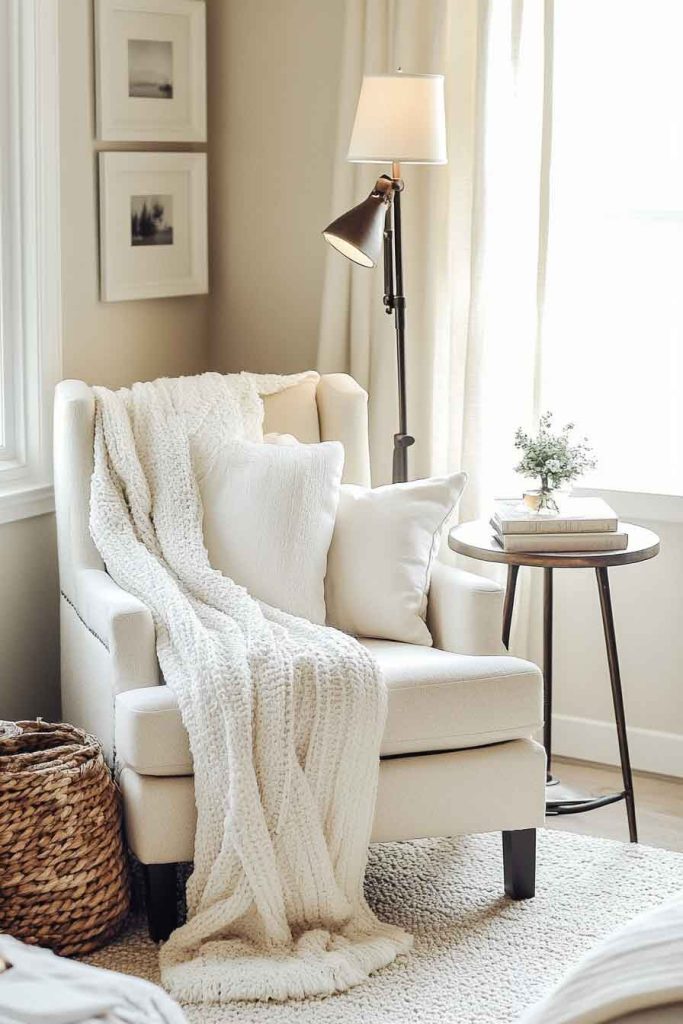
If you love reading, dedicate a corner of your living room to this relaxing activity. A comfortable chair, good lighting, and a small side table for books and tea create the perfect reading spot.
Choose a chair with good back support and a comfortable seat. Add a floor lamp or adjustable reading light to ensure you have enough light for reading without straining your eyes.
Include a small bookshelf or basket nearby to keep your current reads within reach. A soft throw blanket completes the cozy atmosphere.
17. Balance Old and New
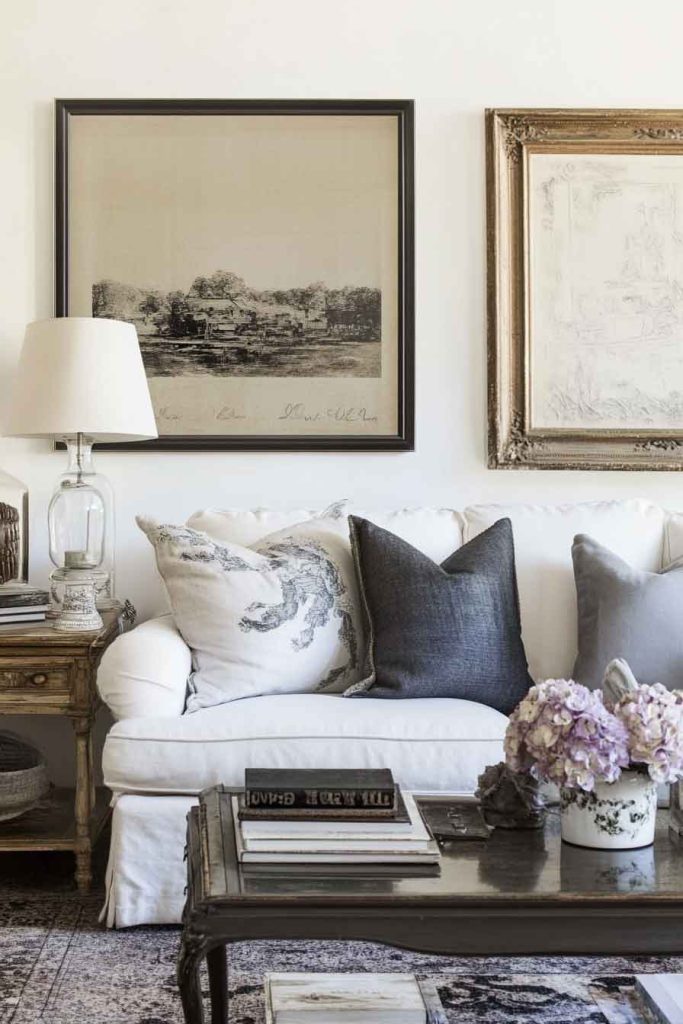
Mixing vintage and modern pieces creates a living room with character and depth. This approach, called eclectic decorating, allows you to display treasured items while keeping your space current.
Pair a modern sofa with vintage side tables, or display contemporary artwork above an antique console. The contrast between old and new makes each piece more interesting.
When mixing styles, keep some elements consistent—like color palette or materials—to ensure the room feels cohesive rather than chaotic.
18. Use Books as Decor
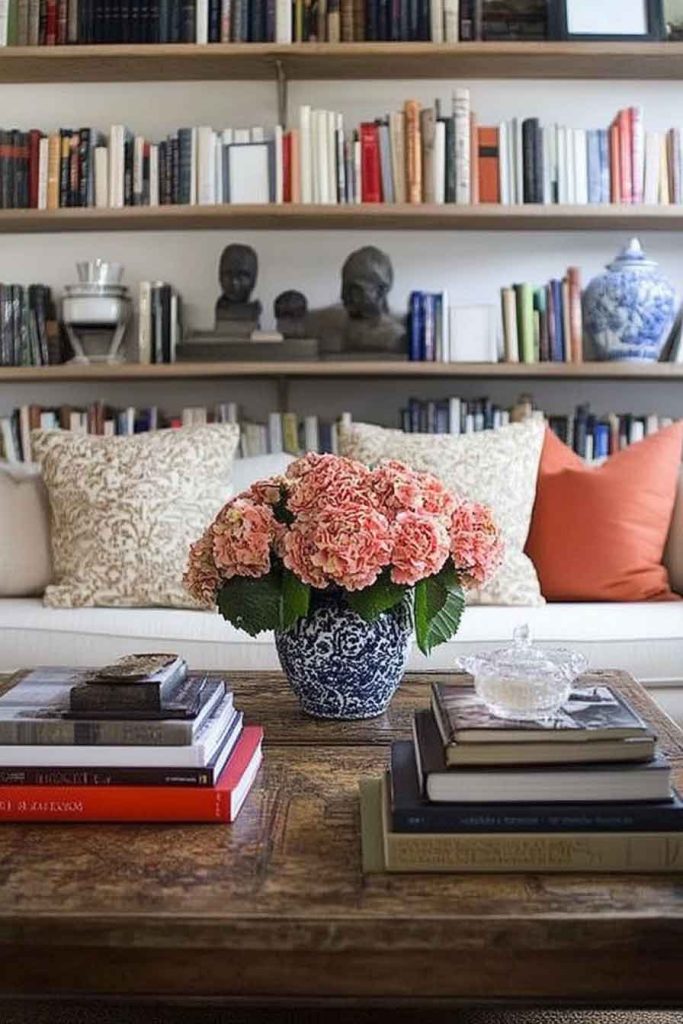
Books add color, personality, and intellectual interest to your living room. Stack them on coffee tables, arrange them on shelves, or use them to add height under decorative objects.
Organize books by color for a striking visual display, or arrange them by subject or author if you prefer easy browsing. Mix vertical and horizontal stacking to create visual variety.
Don’t hide your favorite books—display them proudly. They reveal your interests and passions while adding warmth and character to your space.
19. Add a Pop of Color
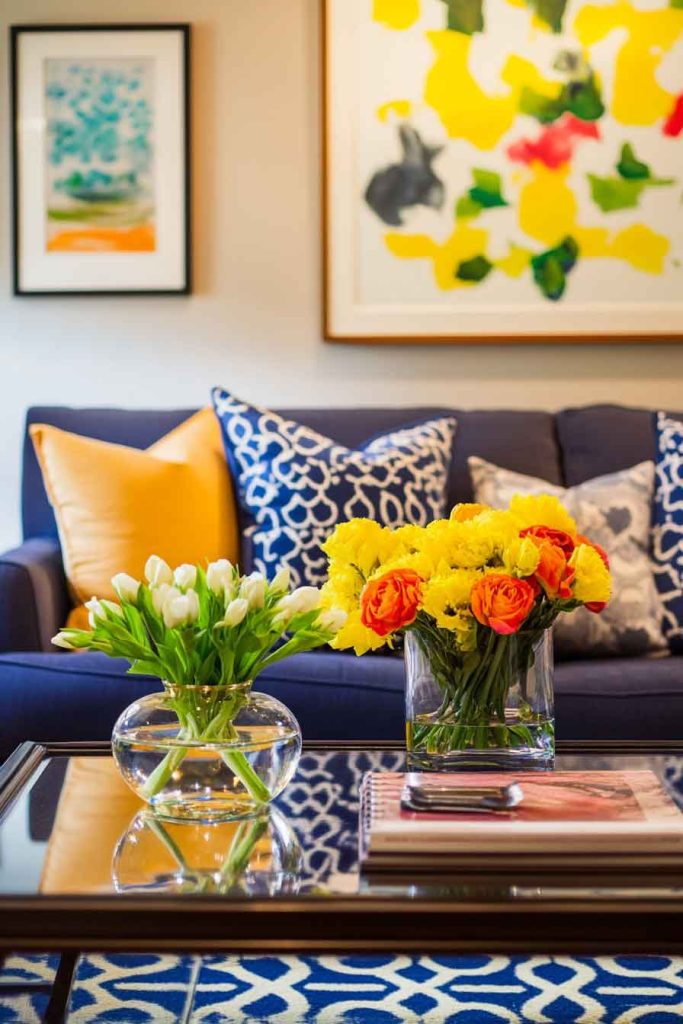
Even if you prefer a neutral color scheme, adding pops of color creates energy and interest. Choose one or two accent colors and use them sparingly throughout the room.
Colorful throw pillows, artwork, fresh flowers, or a vibrant rug can introduce color without overwhelming your space. These items are also easy to change when you want a new look.
Consider the psychology of color when making your choice. Yellow adds cheerfulness, blue creates calm, green brings nature indoors, and red adds energy and warmth.
20. Layer Your Decor
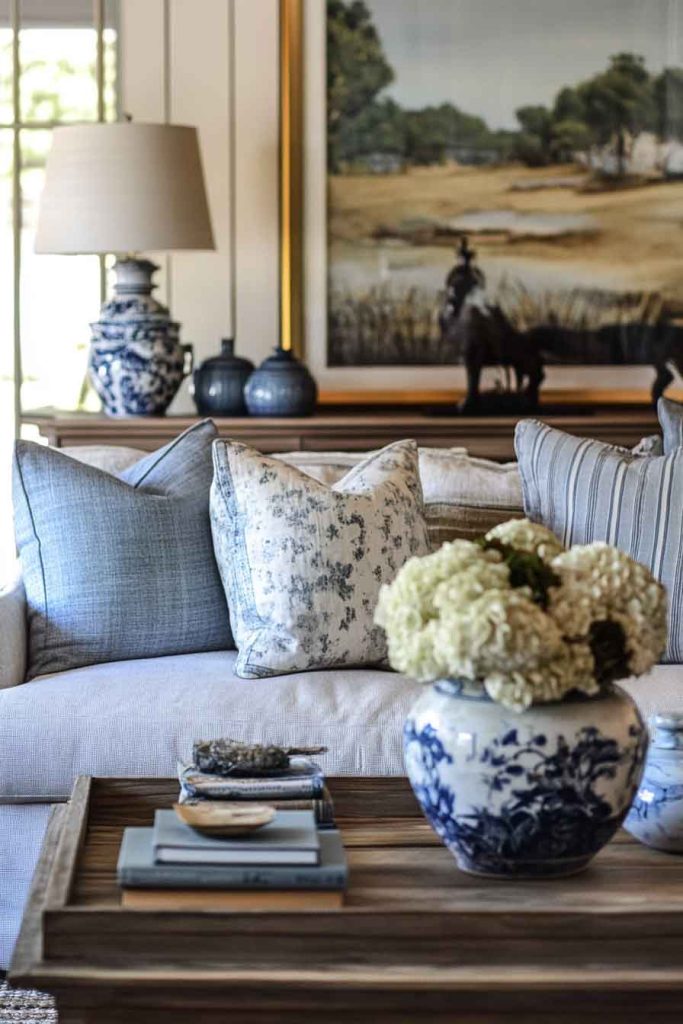
Professional designers create depth by layering different elements. Start with larger pieces like furniture and rugs, then add medium-sized items like lamps and artwork, and finish with smaller accessories.
On shelves and tables, layer items at different heights. Place larger items in back, medium items in the middle, and smaller pieces in front. This creates dimension and makes displays more interesting.
Don’t fill every space—leave some breathing room. Empty space is as important as filled space in creating a balanced, attractive room.
21. Choose Multi-Functional Furniture
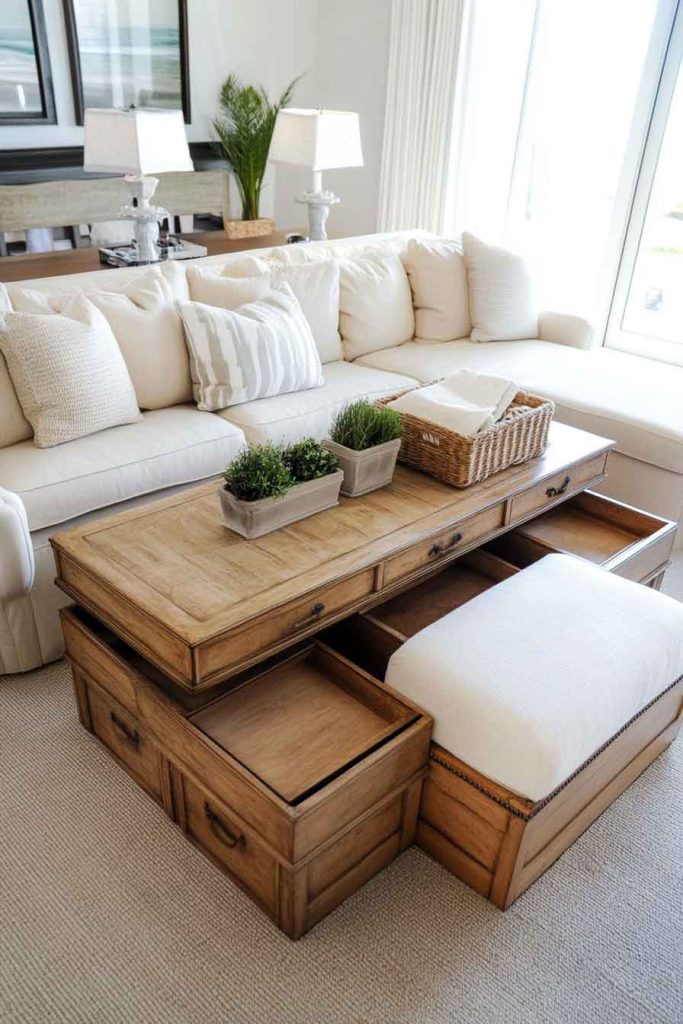
Furniture that serves multiple purposes is especially valuable in living rooms. Ottoman coffee tables provide storage, seating, and a place to rest your feet. Sofa beds accommodate overnight guests. Nesting tables can be separated when you need extra surface space.
Look for creative storage solutions built into furniture. Console tables with drawers, sofas with hidden storage, and shelving units with cabinets help keep your living room organized.
Multi-functional pieces are particularly important in small living rooms where every item needs to work hard.
22. Create Visual Balance
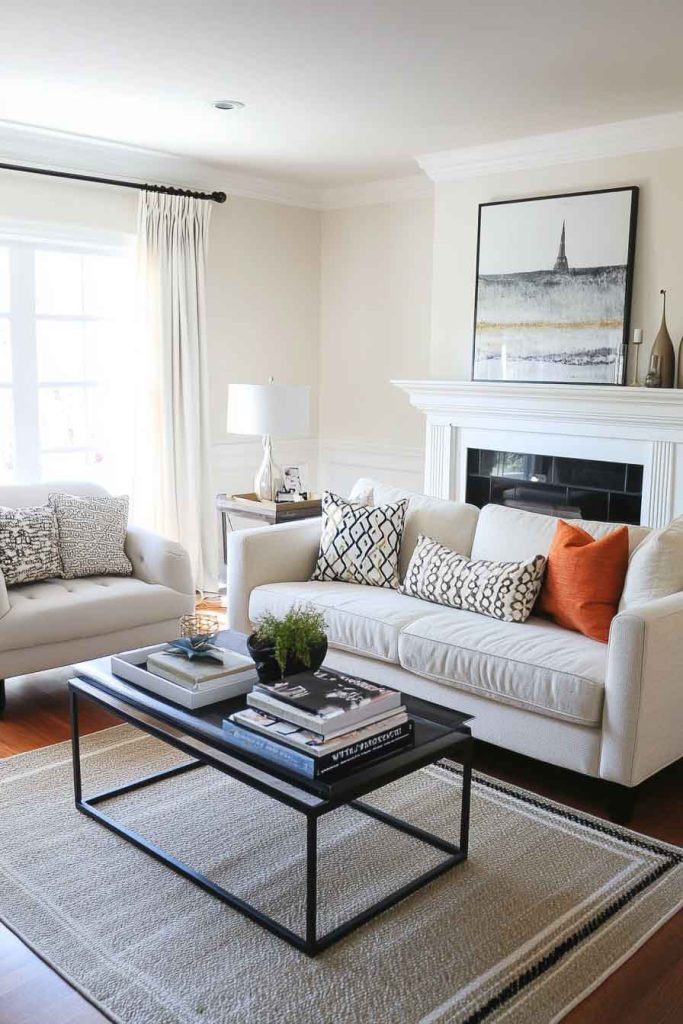
Balance makes a room feel stable and comfortable. This doesn’t mean everything must be symmetrical, but visual weight should be distributed evenly throughout the space.
If you have a large sofa on one side of the room, balance it with substantial furniture or a grouping of items on the other side. Distribute colors and patterns evenly so one area doesn’t feel too busy or plain.
Step back and look at your room from different angles to check the balance. Make adjustments until the space feels harmonious.
23. Use Vertical Space
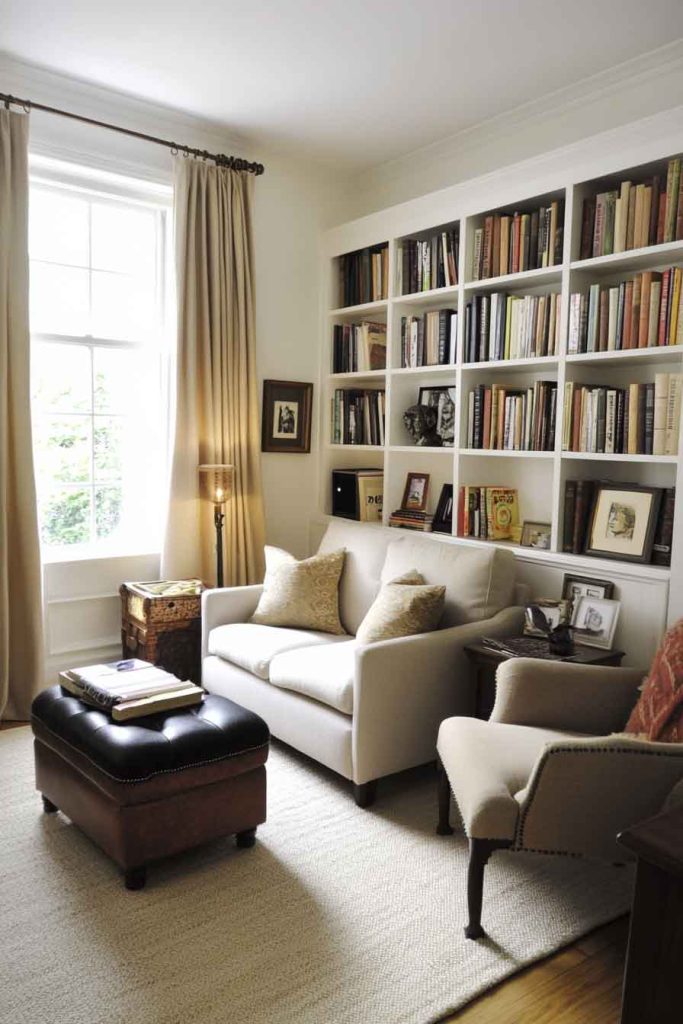
Don’t forget about your walls and the space above eye level. Tall bookcases, floor-to-ceiling curtains, and artwork hung higher on walls draw the eye upward and make ceilings appear taller.
Vertical storage is especially valuable in small living rooms. Wall-mounted shelves and tall, narrow bookcases provide storage without taking up floor space.
Consider adding crown molding, picture rails, or decorative wall treatments to add architectural interest to plain walls.
24. Include a Side Table
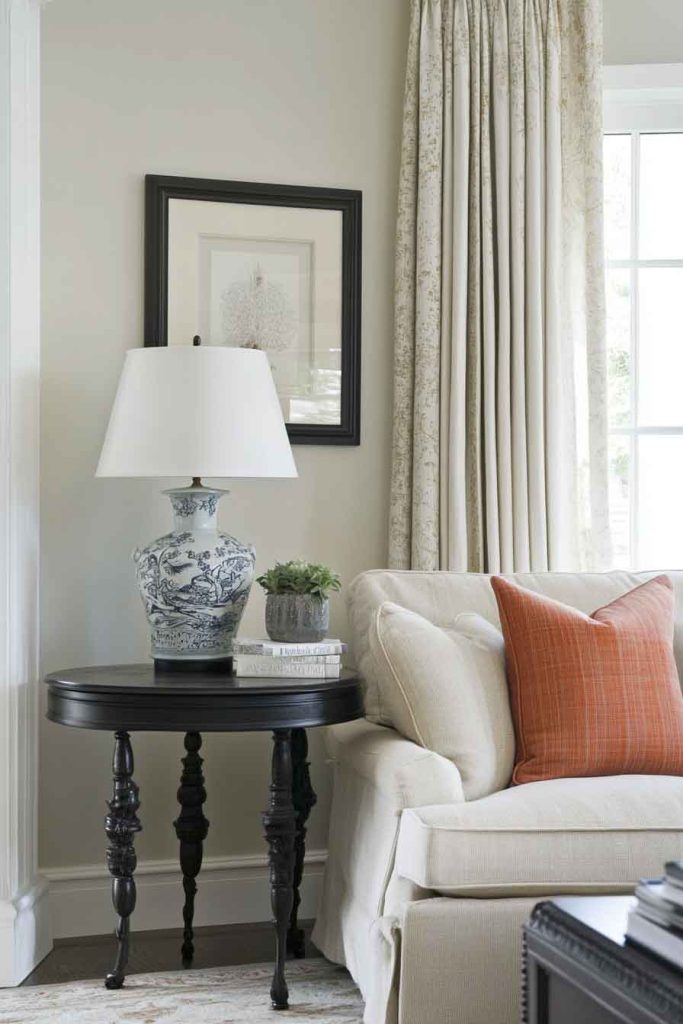
Side tables are hardworking pieces that hold lamps, drinks, books, and remotes. Place one at each end of your sofa and beside chairs to ensure everyone has a convenient surface within reach.
Choose side tables that are about the same height as your sofa arm. This makes it easy to set down items without reaching up or down uncomfortably.
Side tables don’t need to match—mixing different styles can add character to your room. Just ensure they’re similar in scale and height for visual balance.
25. Add Warmth with Wood
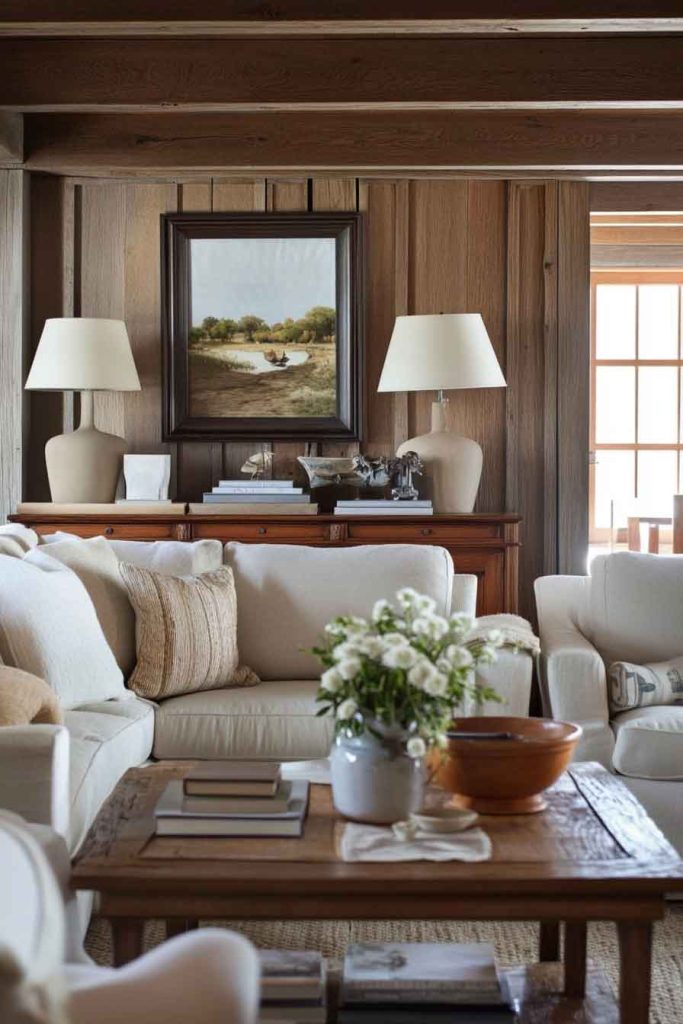
Wood furniture and accessories bring warmth and natural beauty to your living room. Different wood tones create different moods—light woods feel fresh and modern, while dark woods add richness and formality.
You don’t need to match all wood tones perfectly. Mixing different woods adds interest and prevents the room from feeling too matchy. Just make sure the overall tones are similar—all warm or all cool.
Wooden elements can include furniture, picture frames, decorative bowls, or architectural details like beams or paneling.
26. Create a Gallery Wall
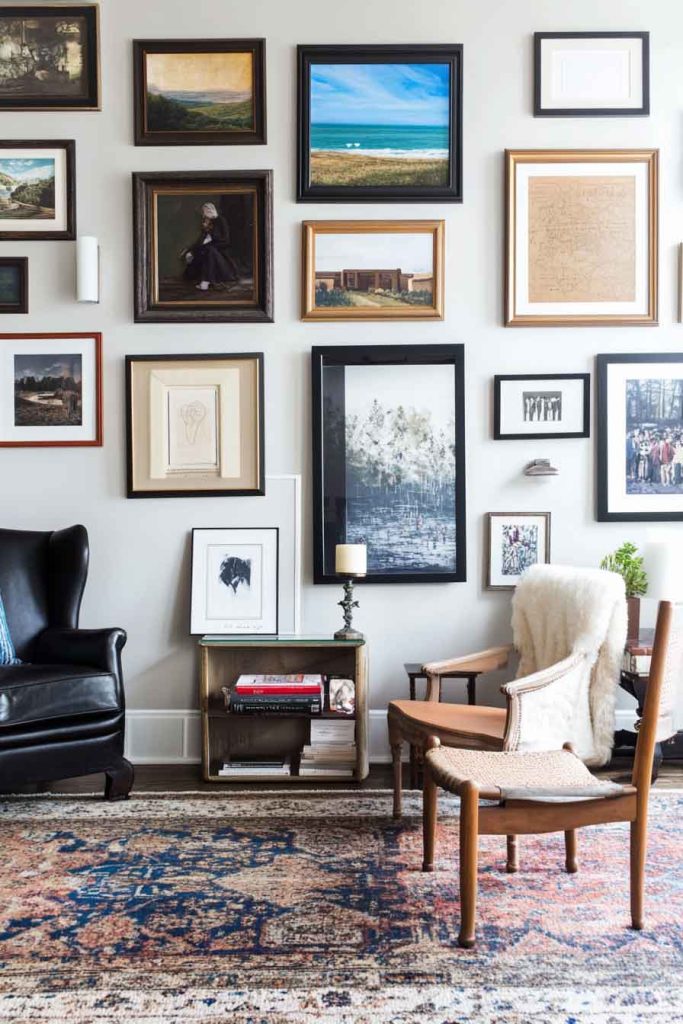
A gallery wall transforms a blank wall into a focal point. Mix photos, artwork, mirrors, and decorative objects in different sizes and frames for an eclectic look.
Plan your layout before hanging anything. Use paper templates on the wall or arrange everything on the floor first. This helps you achieve a balanced arrangement before making holes in your wall.
Start with the largest piece in the center or slightly off-center, then build around it. Keep spacing consistent between frames—usually 2 to 3 inches works well.
27. Include Fresh Flowers
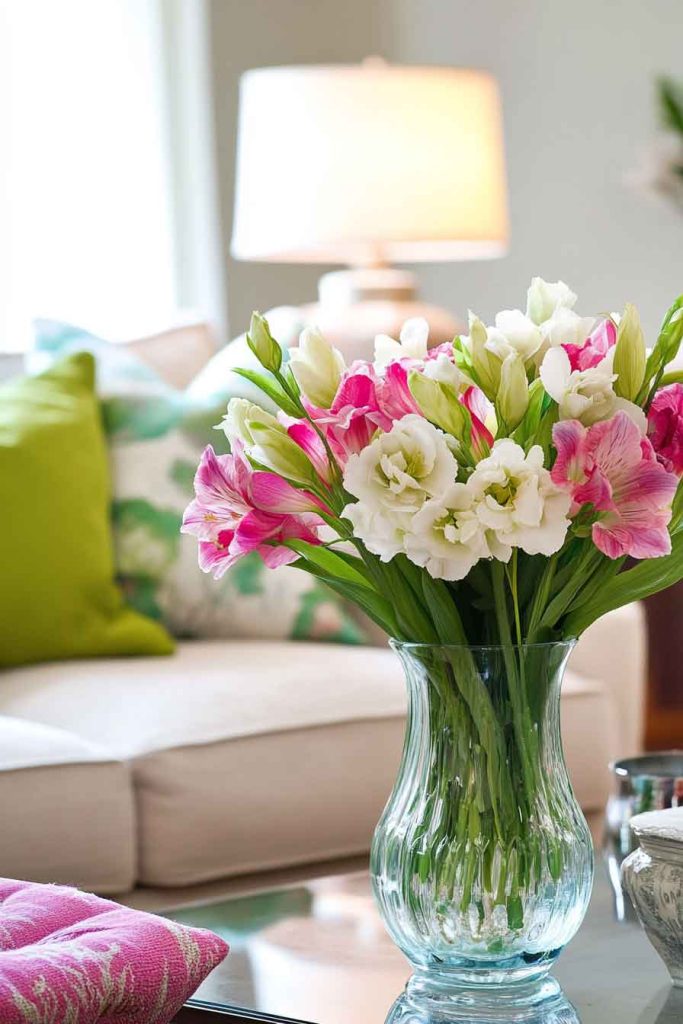
Fresh flowers add life, color, and fragrance to your living room. Change them weekly to keep your space feeling fresh and cared for.
You don’t need expensive arrangements—simple bouquets from the grocery store or flowers from your garden work beautifully. Display them in vases that match your decorating style.
If you prefer longer-lasting options, high-quality artificial flowers have come a long way and can look remarkably realistic while requiring no maintenance.
28. Pay Attention to Scale
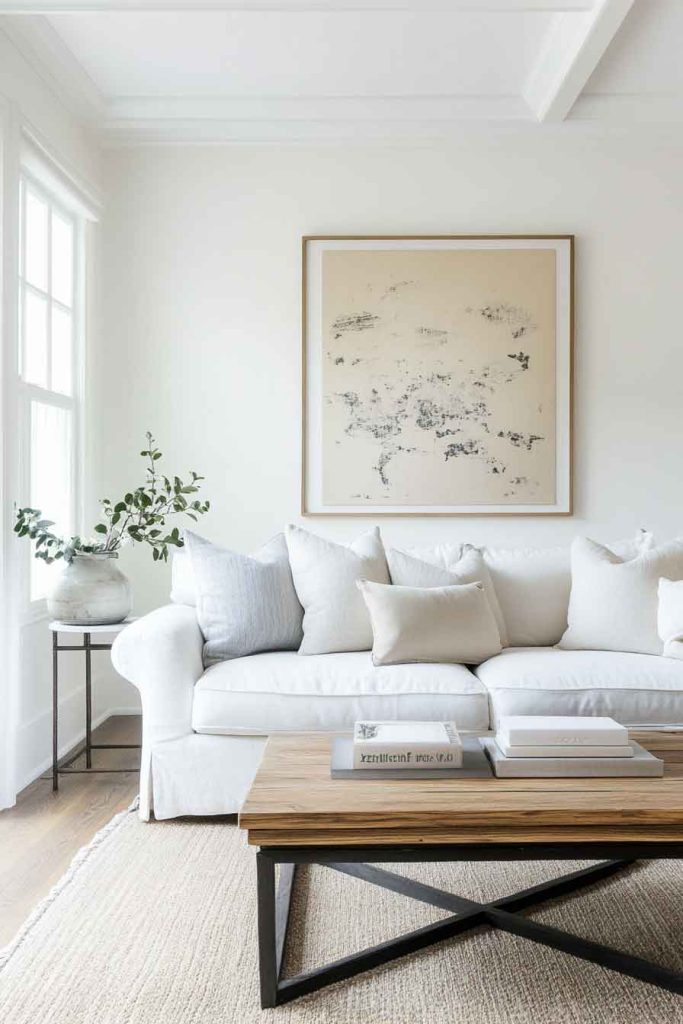
Scale refers to how furniture and decor relate to each other and to the room size. Large furniture in a small room feels overwhelming, while tiny furniture in a large room looks lost.
Choose furniture appropriately sized for your space. In small rooms, select pieces with exposed legs and open arms that don’t block visual flow. In large rooms, choose substantial pieces that fill the space without leaving it feeling empty.
Mix different scales in your accessories—combine large and small items in groupings to create visual interest.
29. Add Personality with Accessories
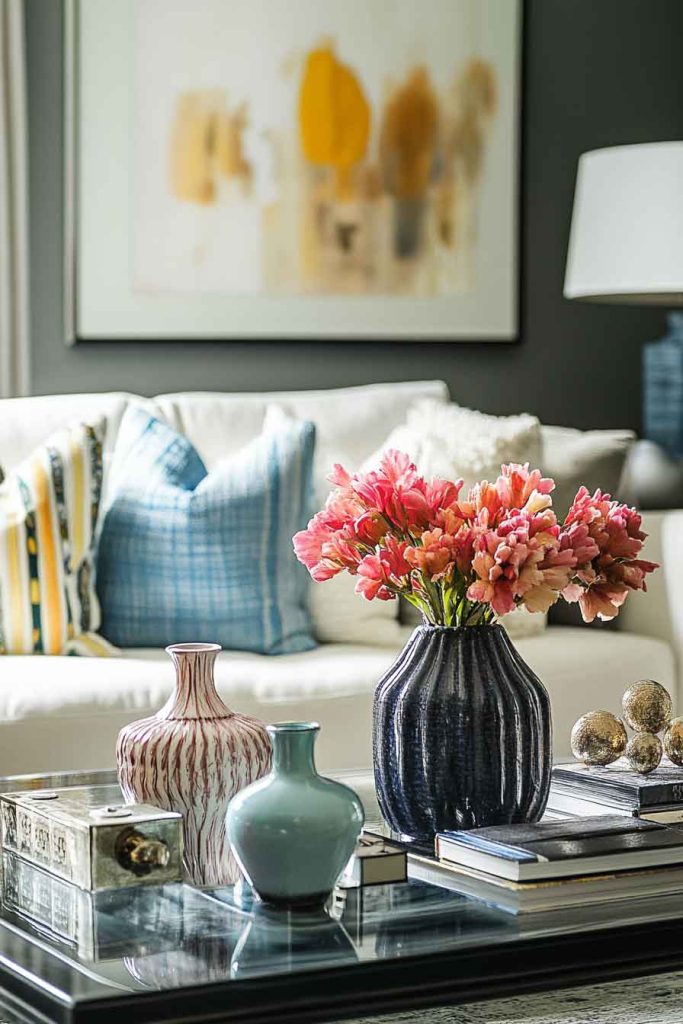
Accessories are the finishing touches that make your living room uniquely yours. Decorative objects, vases, candles, and trinkets add personality and interest.
Group small accessories in odd numbers—three or five items together looks more pleasing than even numbers. Vary heights within groupings to create visual interest.
Edit your accessories regularly. Remove items that no longer bring you joy or fit your style, and rotate seasonal decorations to keep your room feeling fresh.
30. Keep It Clean and Organized
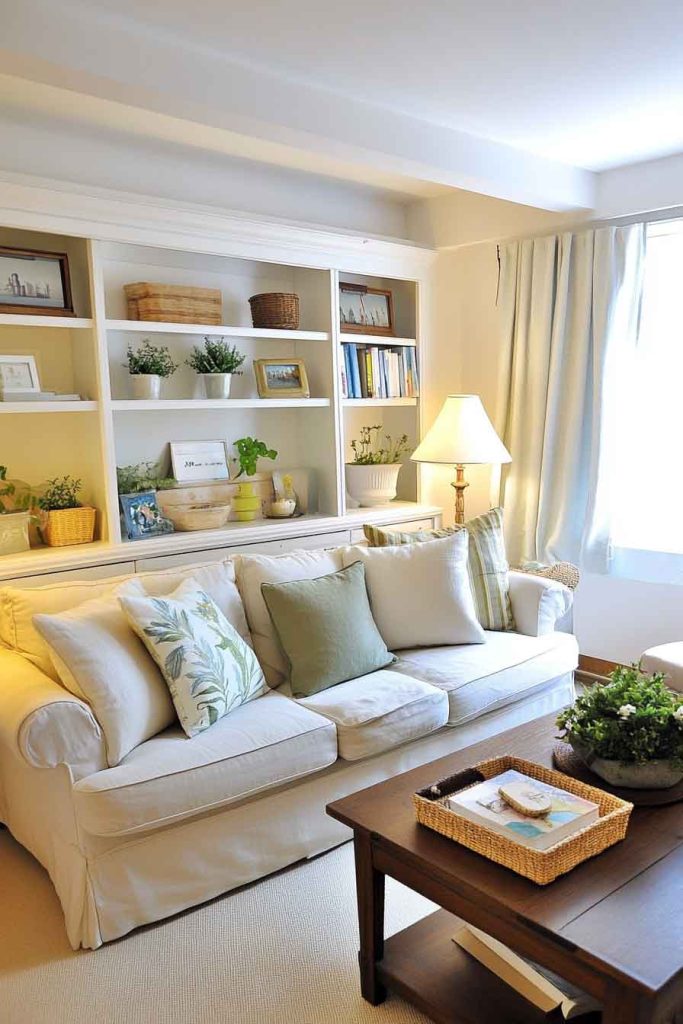
The best decorating in the world can’t overcome clutter and dirt. Maintain your beautiful living room by cleaning regularly and putting things away after use.
Develop daily habits like fluffing pillows, folding throws, and clearing surfaces. These small actions keep your room looking its best with minimal effort.
Schedule deeper cleaning tasks monthly or seasonally—dusting high shelves, vacuuming under furniture, and washing curtains. A clean, well-maintained room always looks better, regardless of your decorating budget.
Living Room Decor Ideas: Conclusion
Creating a beautiful living room is about combining style with function to make a space that works for your daily life. Whether you implement all 30 of these ideas or choose just a few that speak to you, remember that the best living rooms reflect the people who live in them.
Start with the basics—comfortable seating, good lighting, and a pleasing color scheme—then layer in personal touches that make the space uniquely yours. Don’t feel pressured to complete everything at once. Decorating is a journey, and your living room can evolve over time as your tastes and needs change.
The most important thing is creating a space where you feel happy and comfortable. Use these ideas as inspiration, but trust your instincts and choose what feels right for you. Your living room should be a place you love spending time in, surrounded by things that bring you joy.