28 College Living Room Ideas
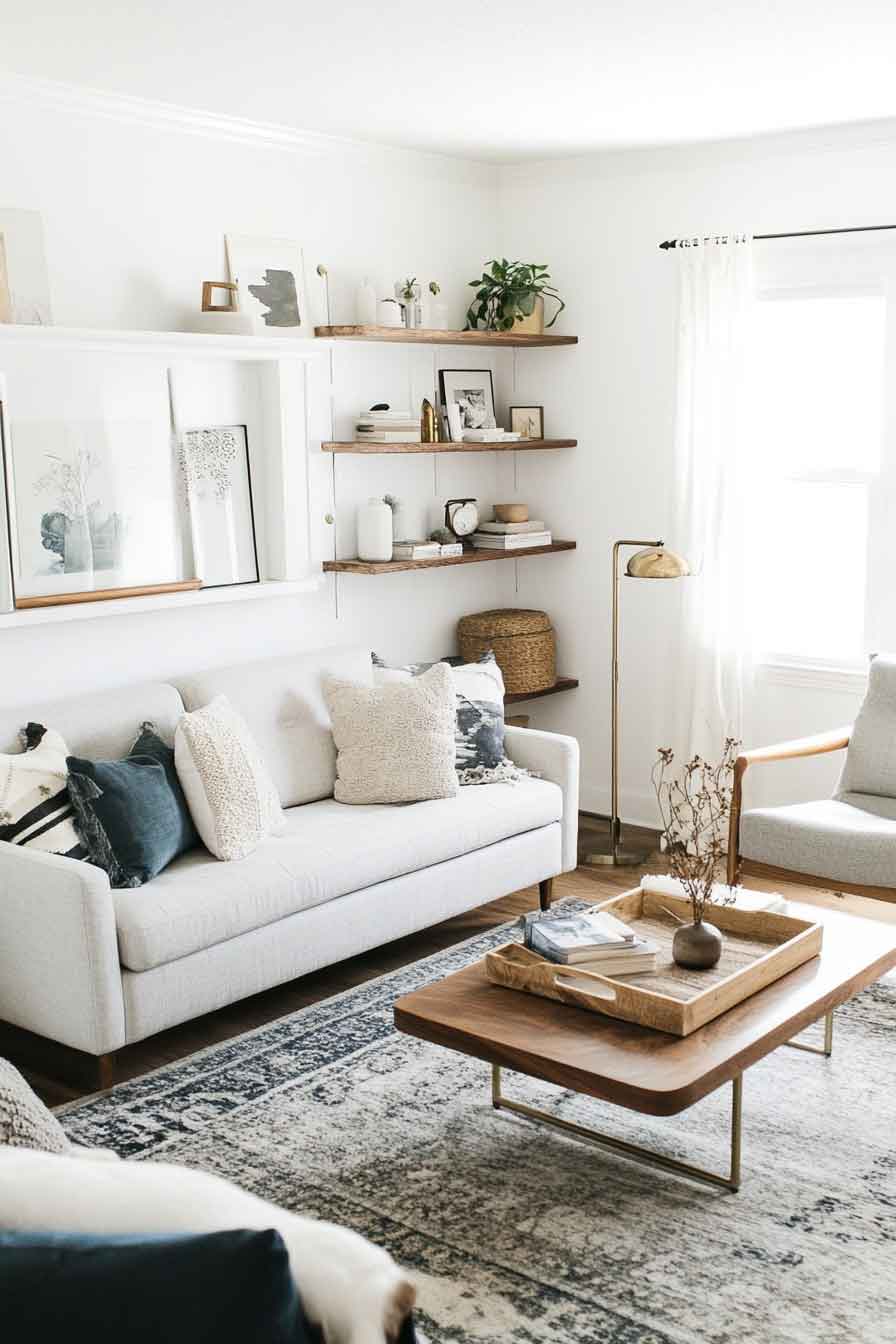
Moving into your first college apartment or dorm is an exciting milestone! Your living room becomes your sanctuary—a place to study, hang out with friends, watch movies, and relax after long days of classes. But creating a stylish and functional space on a student budget can feel challenging.
Don’t worry! In this article, we’ll explore creative and affordable ways to transform your college living room into a cozy, practical space that reflects your personality. Whether you’re working with a tiny dorm room or sharing an off-campus apartment, these ideas will help you make the most of your space without breaking the bank.
College living rooms need to work hard. They serve multiple purposes: study zone, entertainment center, dining area, and social hub. The key is choosing furniture and decor that’s affordable, functional, and easy to move when the semester ends. Let’s dive into practical decorating ideas that will make your college living room both stylish and livable.
What Makes a Great College Living Room?
A great college living room balances style, function, and budget. It’s a space that feels like home while serving all your daily needs—from late-night study sessions to weekend hangouts with friends.
College living rooms differ from traditional homes because they need to be flexible, affordable, and often temporary. You want pieces that can move with you from year to year and adapt as your needs change. The best college spaces feel personal and welcoming without requiring a huge investment.
Think multi-functional furniture, smart storage solutions, and decor that expresses your style. Whether you prefer minimalist and modern or cozy and eclectic, your living room should reflect who you are while meeting the practical demands of student life.
Essential Elements of College Living Room Design
1. Start with Comfortable Seating
Your seating is the foundation of your living room. A comfortable couch or futon is essential for studying, gaming, napping, and hosting friends. Look for pieces that serve multiple purposes.
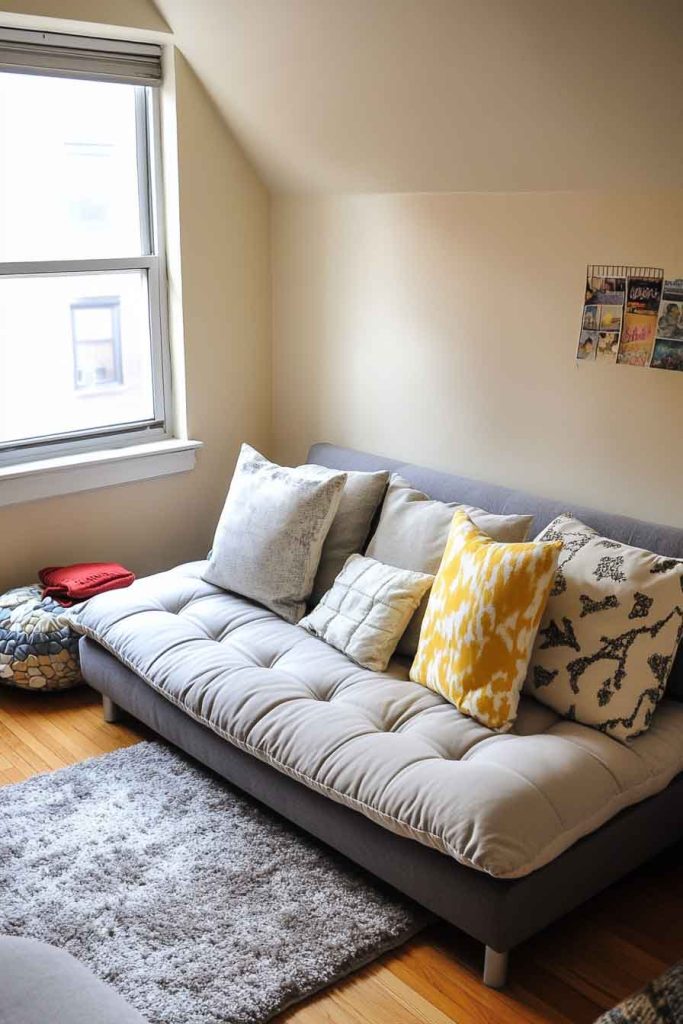
Futons are perfect for college living rooms because they provide seating during the day and convert to a bed for overnight guests. If a futon isn’t your style, consider a comfy sectional from a secondhand store or a sturdy bean bag chair that’s easy to move around.
Floor cushions and poufs are budget-friendly seating options that add extra spots when friends come over. They’re lightweight, colorful, and can be stacked when not in use.
2. Create a Functional Study Area
Your living room might need to double as your study space. Designate a corner with a desk or small table where you can focus on assignments and projects.
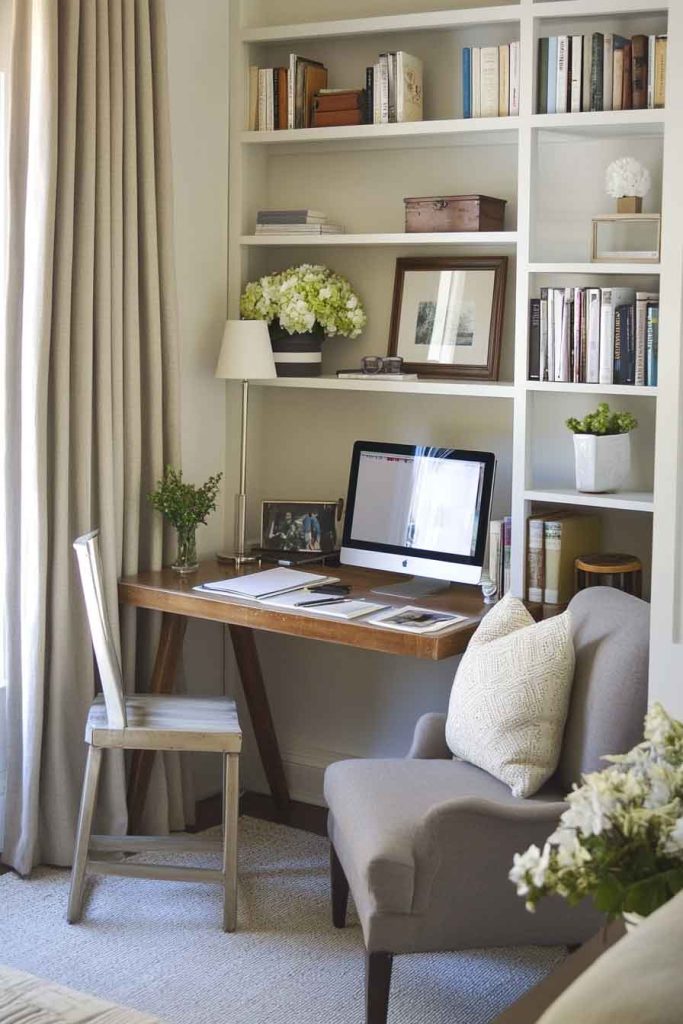
Choose a desk that fits your space—even a simple folding table works great in small rooms. Add a comfortable chair, good lighting with a desk lamp, and organizers for pens, notebooks, and supplies.
If space is tight, consider a lap desk that you can use on your couch. Wall-mounted shelves above your study area provide storage without taking up floor space.
3. Maximize Storage Solutions
Storage is crucial in college living rooms where space is limited. Get creative with solutions that keep clutter hidden while adding to your decor.
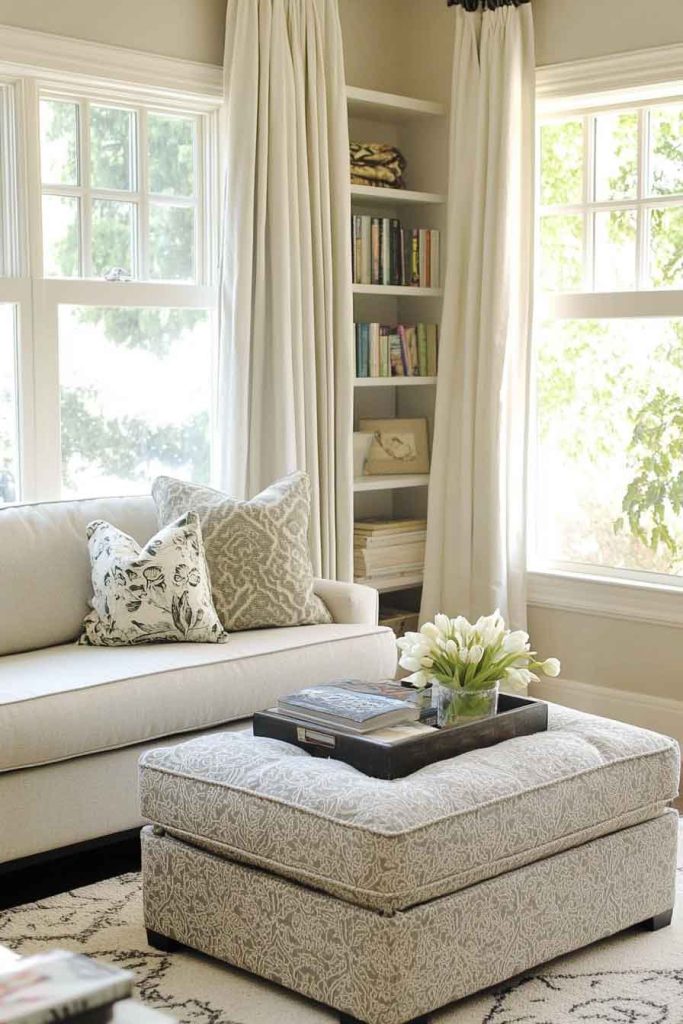
Storage ottomans are perfect—they provide seating, footrest space, and hidden storage for blankets, books, or gaming controllers. Cube organizers offer flexible storage and can display decorative items alongside practical storage bins.
Use the vertical space in your room. Tall bookshelves, wall-mounted shelves, and hanging organizers make use of empty walls. Under-furniture storage bins slide beneath couches or beds to store seasonal items.
4. Layer Your Lighting
Good lighting makes any space feel more inviting and functional. College living rooms often have harsh overhead lights, so add softer lighting options.
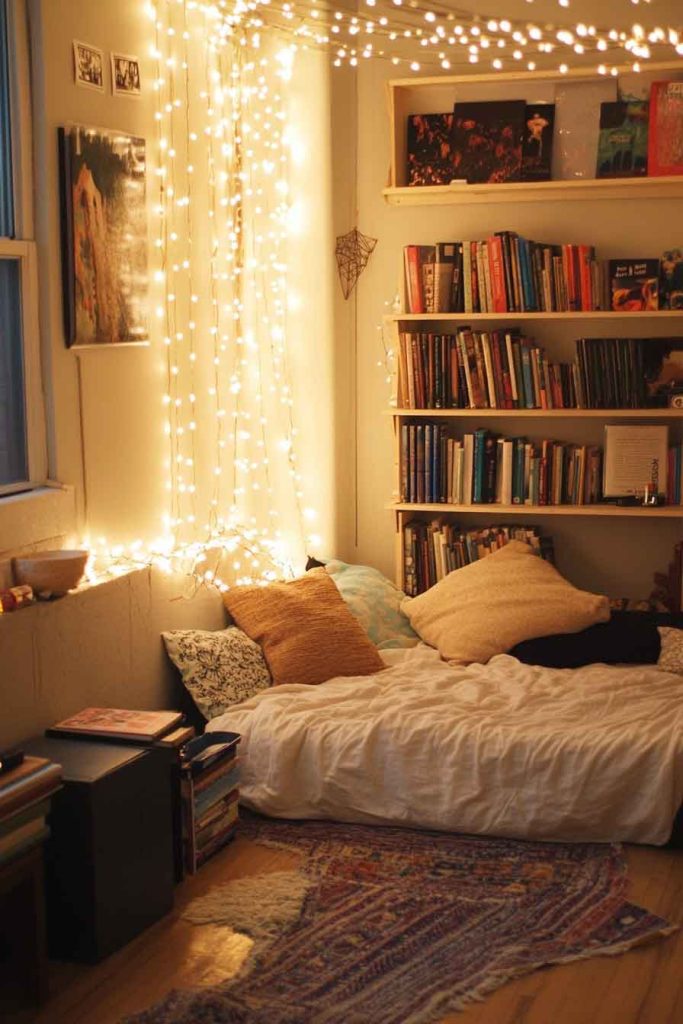
String lights create a cozy ambiance and are incredibly affordable. Drape them along walls, around windows, or across the ceiling. Floor lamps provide reading light without taking up desk space, while table lamps add warmth to side tables or shelves.
Smart bulbs let you adjust brightness and color to match your mood—bright white for studying, warm tones for movie nights. Layer different light sources to create the perfect atmosphere for any activity.
5. Add Personality with Wall Decor
Blank walls can make a space feel cold and temporary. Personalize your living room with wall decor that reflects your interests and style.
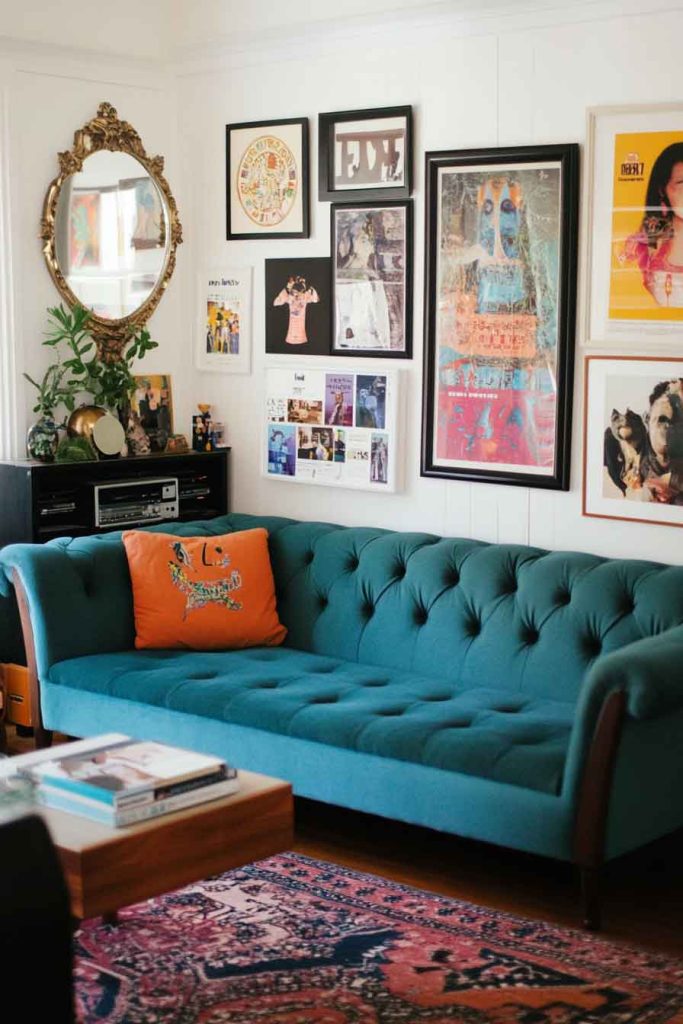
Posters, tapestries, and wall art are affordable ways to add color and character. Create a gallery wall with photos of friends and family, concert tickets, postcards, or prints you love. Use removable adhesive strips to avoid damage to walls.
Wall decals are another great option—they’re temporary, easy to apply, and come in countless designs. A large mirror can make small spaces feel bigger while adding a decorative element.
6. Invest in a Coffee Table
A coffee table anchors your living room and provides essential surface space for snacks, drinks, laptops, and textbooks.
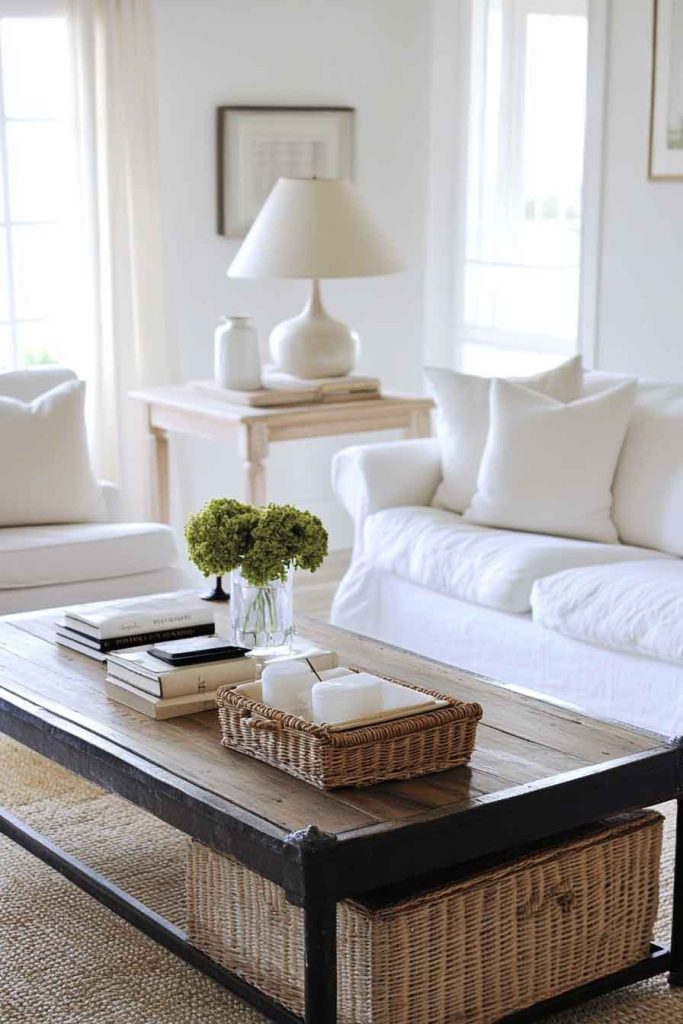
You don’t need an expensive piece—thrift stores and online marketplaces often have great options. Look for tables with shelves underneath for extra storage. A trunk or large storage box can also work as a unique coffee table with hidden storage inside.
If space is extremely tight, consider nesting tables that tuck away when not needed or a simple ottoman that serves as both table and seating.
7. Use Area Rugs to Define Space
Area rugs add warmth, color, and comfort to hard dorm or apartment floors. They also help define different zones in open-plan spaces.
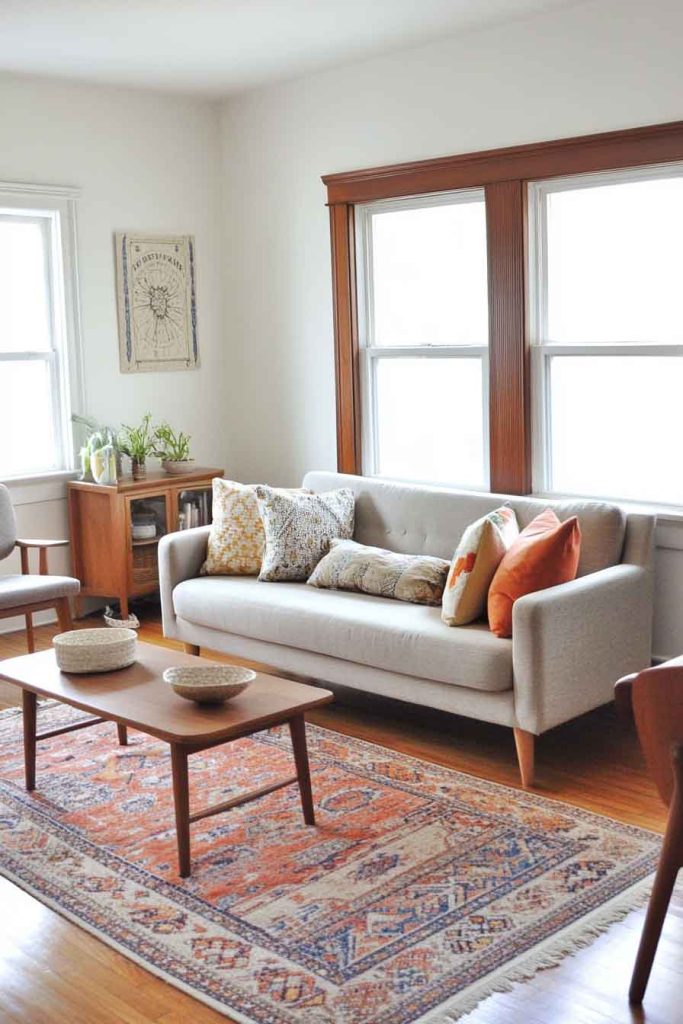
Choose a rug size that fits under your main furniture pieces—at least the front legs of your couch and chairs should rest on it. This creates a cohesive seating area that feels intentional.
Rugs don’t have to be expensive. Check discount stores, online retailers, or even make your own with affordable materials. Patterns and textures add visual interest to neutral spaces.
8. Incorporate Flexible Furniture
Flexibility is key in college living rooms. Choose furniture that can adapt to different needs and easily move between spaces.
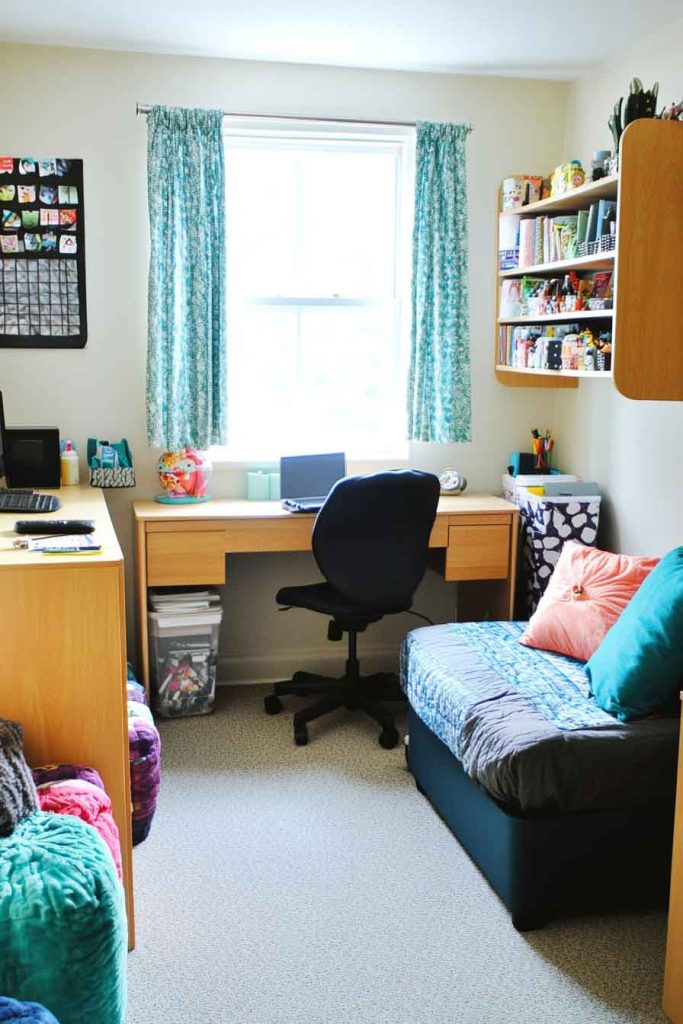
Folding chairs stack away when not needed but provide extra seating for parties. Nesting tables slide together to save space. Movable storage carts on wheels can shift between your study area and living space.
Modular furniture lets you rearrange pieces as your needs change. Even simple choices like furniture on casters makes it easy to reconfigure your room for different activities.
9. Add Greenery and Life
Plants bring life, color, and fresh air to your living room. They improve air quality and add a natural element that makes spaces feel more welcoming.
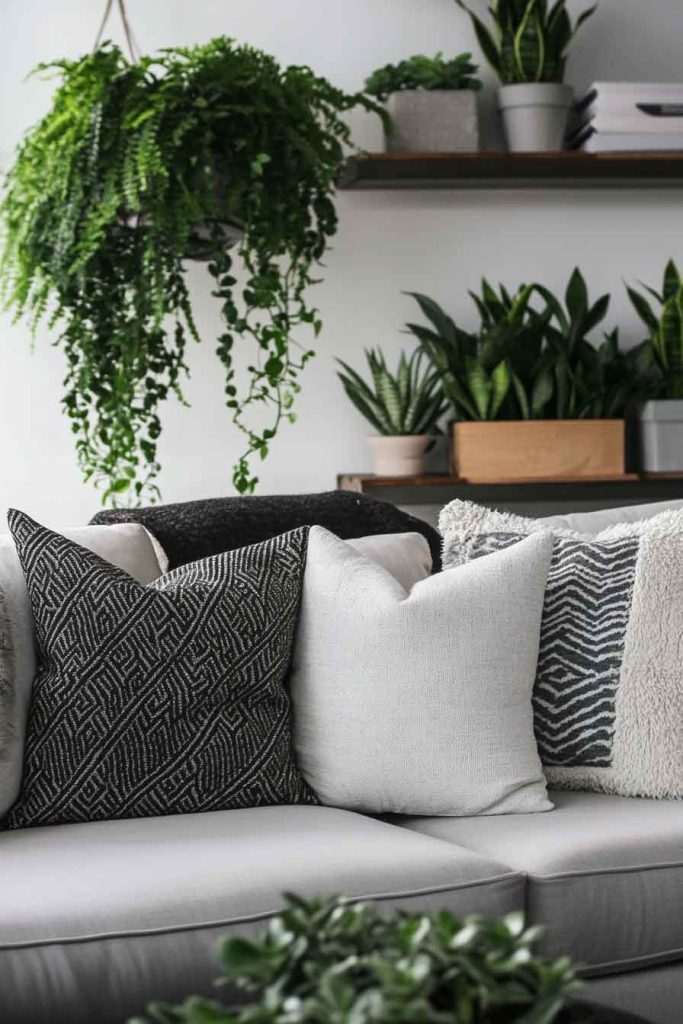
Choose low-maintenance plants like succulents, pothos, or snake plants that thrive with minimal care. If you travel frequently or tend to forget watering, fake plants look realistic and require zero maintenance.
Place plants on shelves, windowsills, or hanging planters to add greenery without using valuable floor space. Even one or two plants can transform the feel of your room.
10. Create Zones for Different Activities
In small college living rooms, creating distinct zones helps the space function better. Visual separation makes the room feel more organized and purposeful.
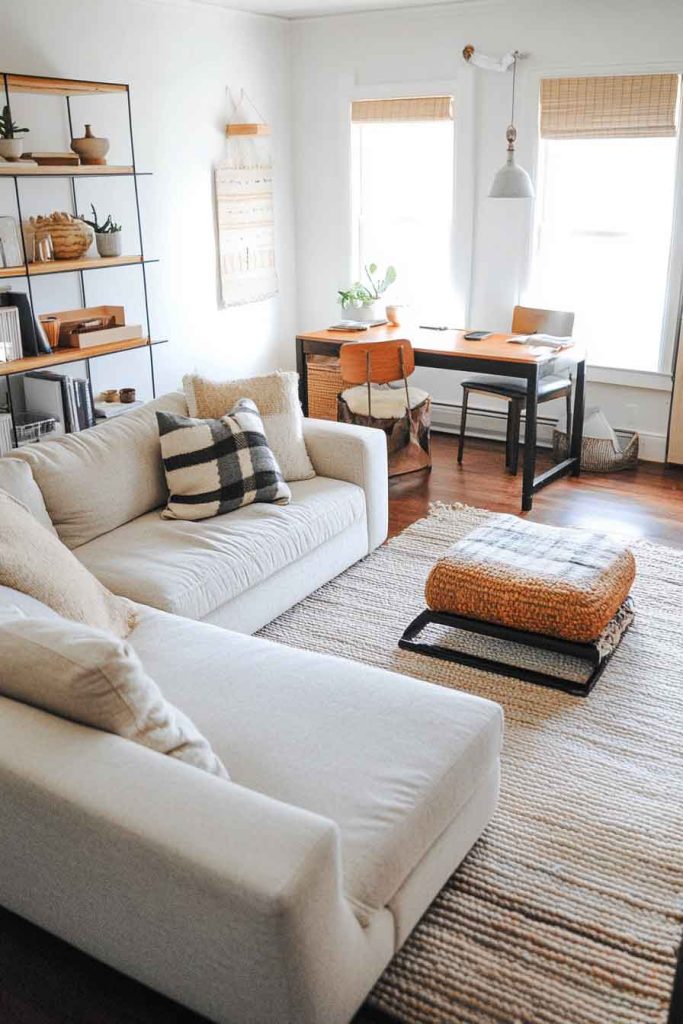
Use furniture placement to define areas—position your couch to create a conversation zone, angle your desk toward a wall for a study zone. Rugs, lighting, and even bookshelf dividers can separate different functional areas.
This approach works especially well in studio apartments or large dorm rooms where your living room serves multiple purposes.
11. Choose a Color Scheme
A cohesive color scheme makes your living room feel pulled together and intentional, even with mismatched furniture from different sources.
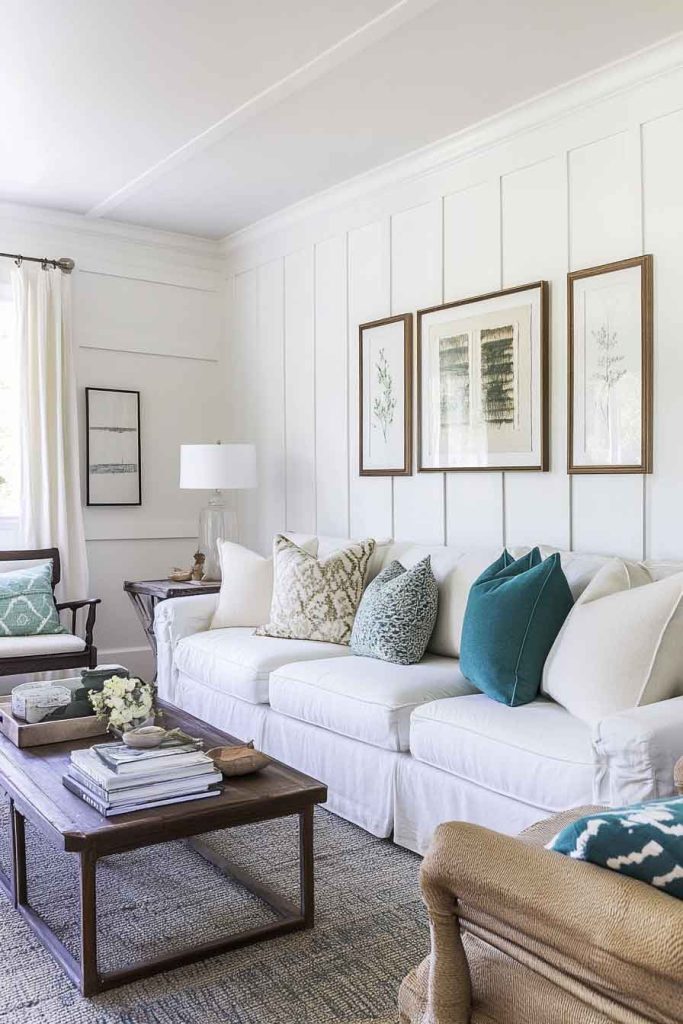
Pick two or three main colors and repeat them throughout the space in pillows, throws, wall art, and accessories. Neutral bases like white, gray, or beige pair well with bold accent colors.
Popular college living room color schemes include:
- Navy and white: Clean, classic, and sophisticated
- Earth tones: Warm browns, greens, and creams create a relaxed vibe
- Black and white: Modern and graphic with pops of color
- Pastels: Soft pinks, blues, and yellows for a cheerful space
12. Use Textiles for Comfort
Soft textiles make living rooms feel cozy and inviting. Throw pillows, blankets, and cushions add comfort and style without permanent commitment.

Layer different textures—chunky knit throws, velvet pillows, cotton blankets—to create depth and visual interest. Textiles are easy to swap out when you want a new look or change seasons.
Look for washable options since spills happen in college living rooms. Mix patterns and solids within your color scheme to add personality without overwhelming the space.
13. Maximize Small Spaces
Many college living rooms are compact, so every inch counts. Smart design choices make small rooms feel larger and more functional.
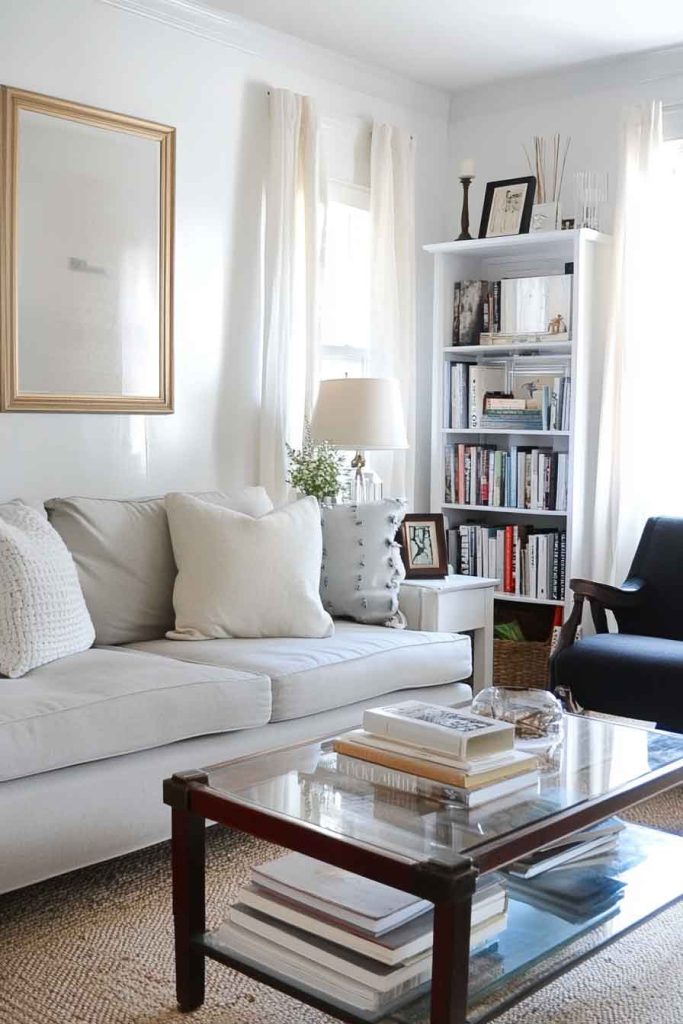
Choose furniture with exposed legs—this creates visual space underneath and makes rooms feel less cramped. Mirrors reflect light and create the illusion of more space. Keep pathways clear and avoid overcrowding with too much furniture.
Use vertical storage to keep floors clear. Floating shelves, tall bookcases, and wall-mounted organizers draw the eye upward and make ceilings feel higher.
14. Add Entertainment Essentials
Your living room is your entertainment hub, so set it up for movie nights, gaming sessions, and music listening.
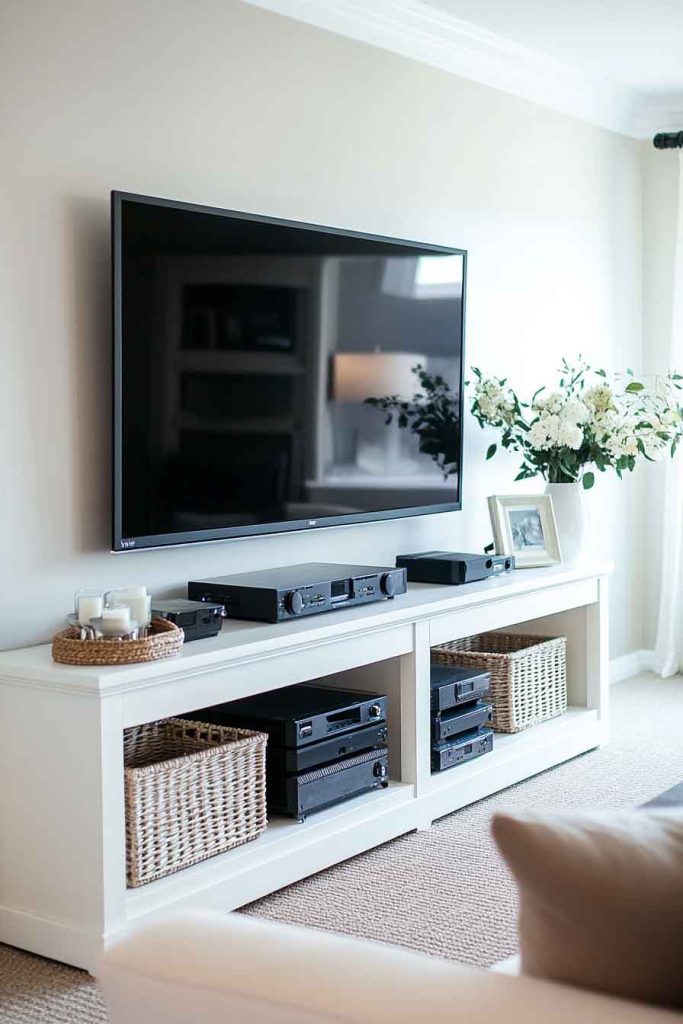
A TV stand or wall mount keeps your television secure and organized. Manage cords with cable organizers to avoid tangled messes. Create a media center with space for gaming consoles, streaming devices, and sound systems.
If you don’t have room for a TV stand, consider mounting shelves beneath a wall-mounted TV for equipment and decor. Keep remotes and controllers in a decorative basket on your coffee table.
15. Shop Secondhand and Thrift
College budgets are tight, so embrace secondhand shopping for furniture and decor. You’ll find unique pieces at a fraction of retail prices.
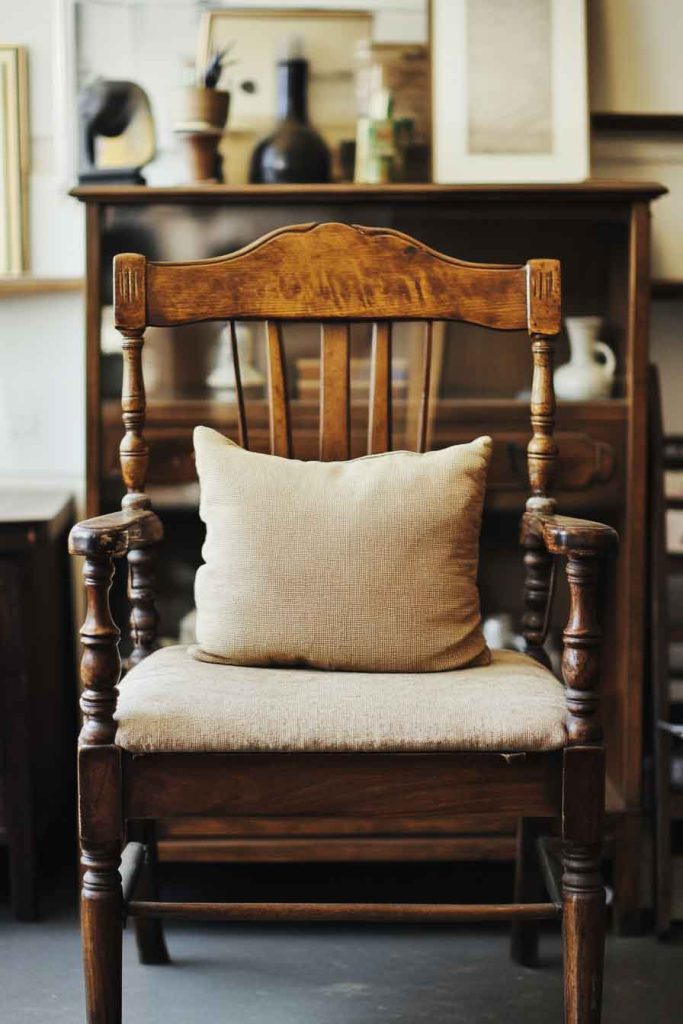
Check thrift stores, estate sales, online marketplaces, and your college’s free-and-for-sale groups. Look for solid wood furniture that can be refreshed with paint or new hardware. Many students sell furniture at semester’s end, creating great opportunities for bargains.
Don’t overlook curb finds or items friends are giving away. With a little cleaning and creativity, you can transform budget finds into stylish pieces.
16. Create a Gallery Wall
Gallery walls add personality and fill large blank walls without requiring expensive art. Mix photos, prints, postcards, and meaningful objects.
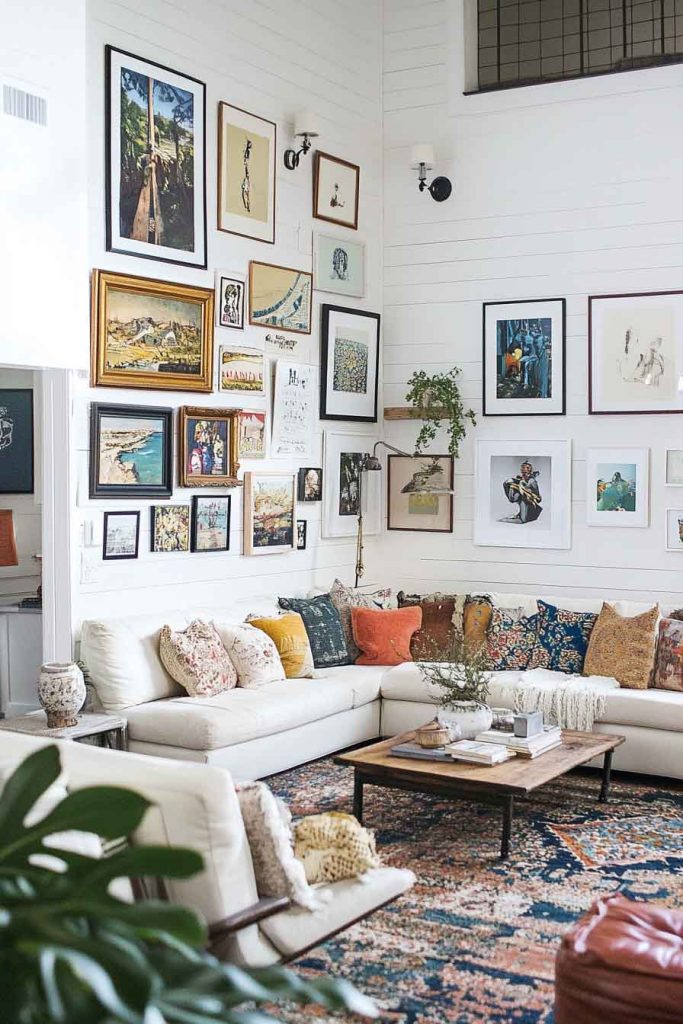
Start by laying out your arrangement on the floor to find a layout you like. Use matching frames for a cohesive look or mix different styles for an eclectic vibe. Command strips make hanging easy and damage-free.
Include personal touches like concert tickets, travel souvenirs, inspiring quotes, or photos with friends. Update your gallery wall throughout the year as you create new memories.
17. Incorporate String Lights and Ambiance
String lights are a college living room staple for good reason—they’re affordable, versatile, and create instant atmosphere.
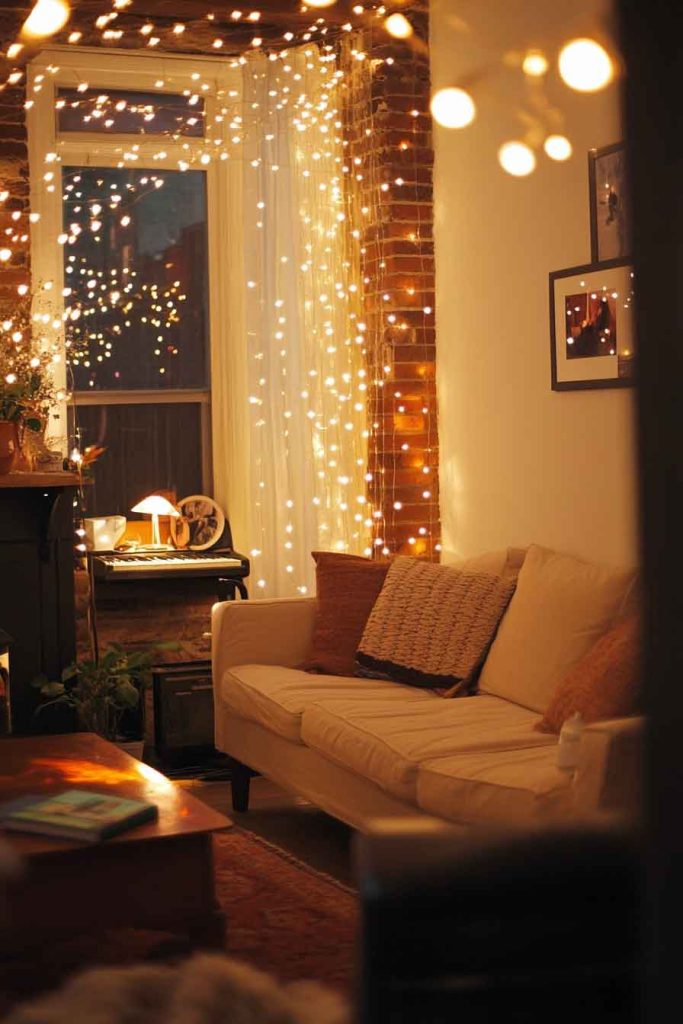
Drape fairy lights along walls, frame windows, hang them from the ceiling, or wrap them around furniture. They provide soft lighting perfect for relaxing or creating a party atmosphere.
Try different styles: classic white lights, colorful bulbs, globe lights, or even photo clip lights that display pictures. Plug them into timers for automatic ambiance.
18. Use Removable Wallpaper
Removable wallpaper and decals transform boring walls without violating rental agreements. They’re easy to apply and remove without damage.
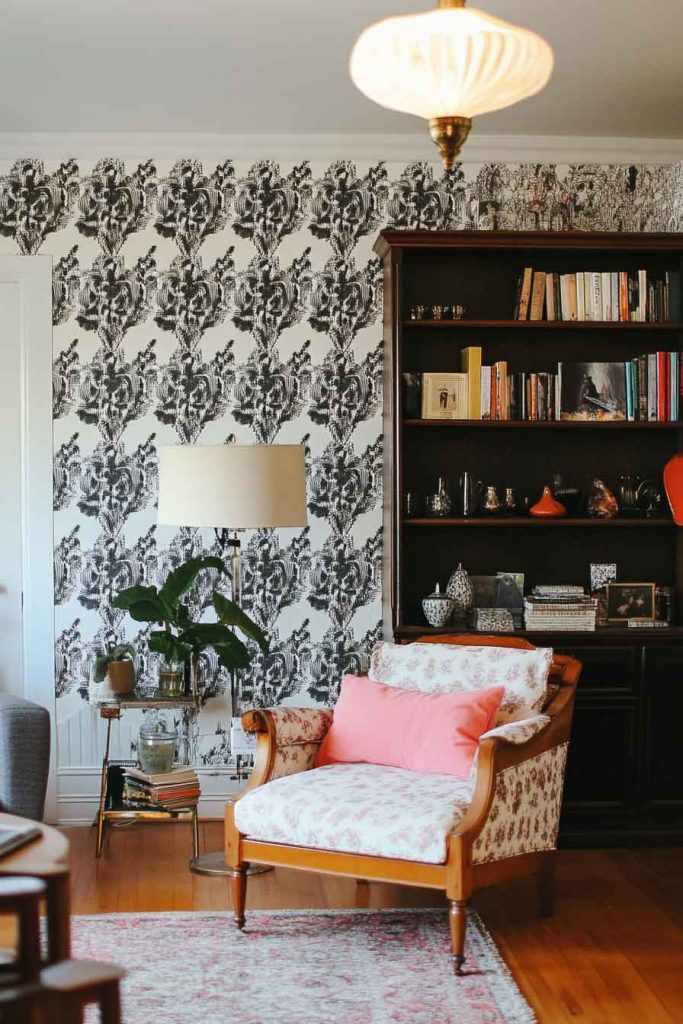
Choose patterns that reflect your style—geometric designs, florals, brick textures, or abstract prints. Accent one wall to create a focal point, or use wallpaper inside bookshelf backs for unexpected pops of pattern.
This is a great way to add personality to bland dorm or apartment walls that you can take with you when you move.
19. Set Up a Snack Station
College living often involves late-night studying and impromptu hangouts. A designated snack station keeps essentials organized and accessible.
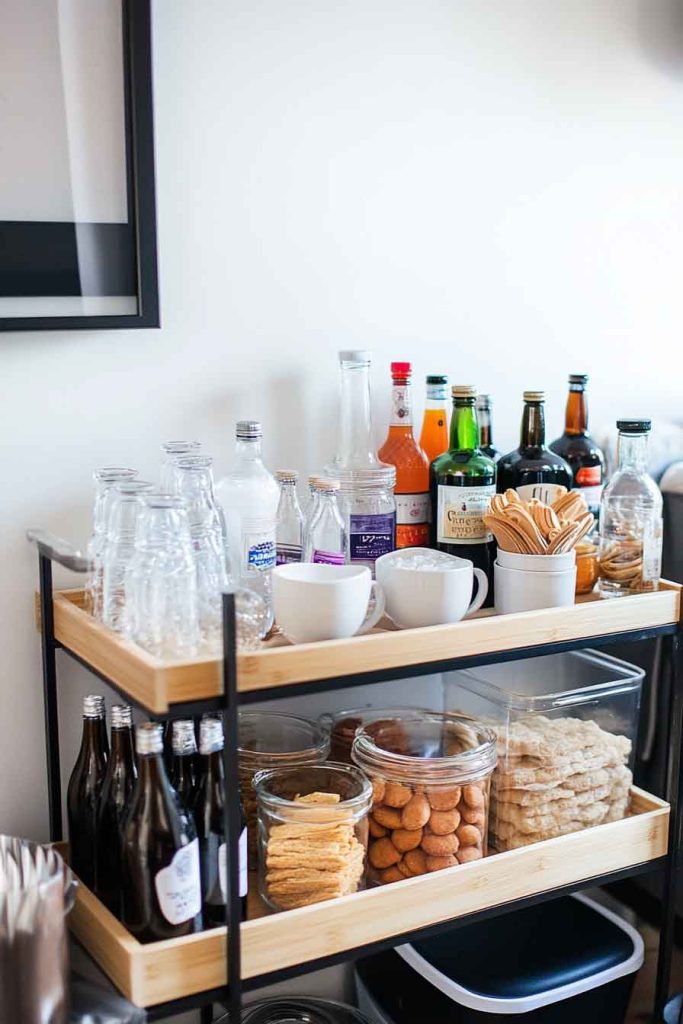
Use a bar cart, small shelving unit, or section of counter space for snacks, drinks, mugs, and plates. Stock non-perishable favorites and keep a mini-fridge nearby if possible.
This setup makes hosting easier and prevents constant trips to the kitchen during study sessions or movie marathons.
20. Add Personal Collections
Display items that tell your story—books, vinyl records, sports memorabilia, or hobby supplies. Personal collections make your space unique and spark conversations.

Style bookshelves with a mix of books, decorative objects, and personal treasures. Use floating shelves to display collections without taking up floor space. Group similar items together for visual impact.
Your living room should reflect your interests and passions, so don’t hide the things you love.
21. Create a Tech Charging Station
Keep devices organized and charged with a dedicated tech station. This prevents cord clutter and ensures your electronics are always ready.

Set up a small table or shelf with a power strip and charging cables for phones, laptops, tablets, and headphones. Use cable organizers to keep cords tidy. Some decorative boxes or stands designed specifically for charging stations hide the mess.
Place your charging station in an accessible spot where you naturally set down devices.
22. Use Curtains to Add Softness
Curtains add color, texture, and privacy while softening the hard edges of windows and walls. They make spaces feel more finished and home-like.
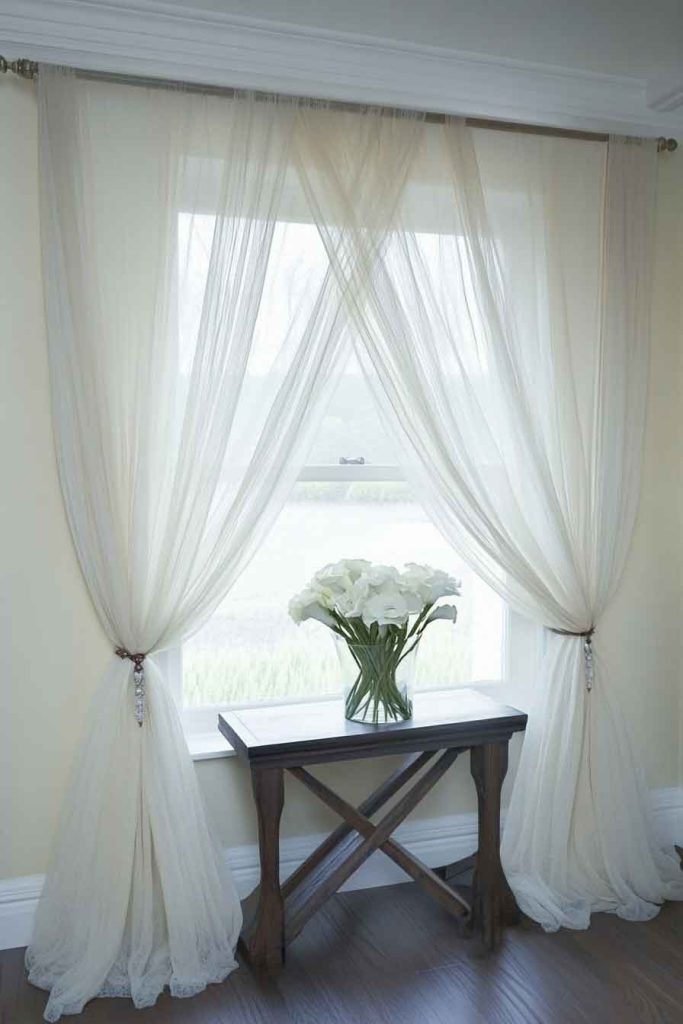
Choose curtains that complement your color scheme. Hang them high and wide—mounting the rod close to the ceiling and extending beyond the window frame makes ceilings look taller and windows larger.
Blackout curtains help with sleep and create a theater-like atmosphere for movie watching. Sheer curtains let in light while providing daytime privacy.
23. Incorporate a Bulletin Board or Command Center
Stay organized with a bulletin board or command center for important papers, schedules, and reminders.
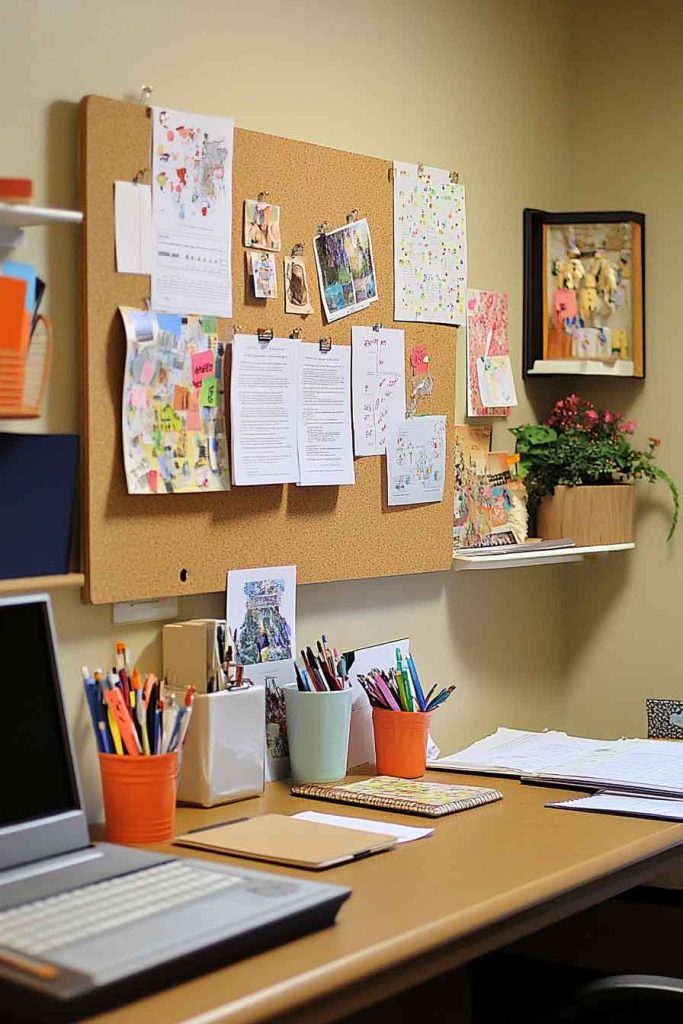
Cork boards, pegboards, or magnetic boards keep essentials visible and accessible. Pin up class schedules, event flyers, to-do lists, and inspiration. Some students use them for rotating art displays or vision boards.
Place your command center near your study area or entry point where you’ll see it regularly.
24. Add Cozy Throws and Blankets
Throws and blankets add instant coziness and are practical for chilly nights or afternoon naps between classes.

Drape throws over your couch or chair arms for easy access and visual interest. Keep a basket of blankets nearby for guests. Choose washable fabrics in colors that coordinate with your room.
Weighted blankets provide comfort during stressful exam periods, while lightweight throws work for warmer months.
25. Create a Music Corner
If music is important to you, dedicate a corner to your record player, speakers, or instruments.
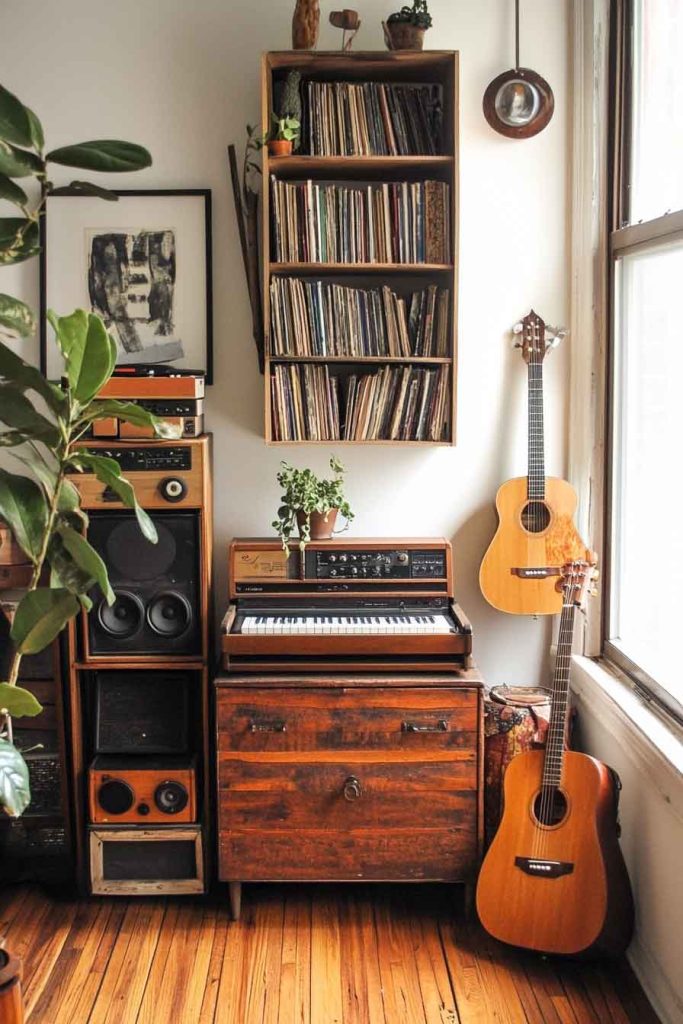
Display vinyl records on the wall or in a dedicated storage unit. Set up a small table for a record player with nearby shelving for your collection. If you play instruments, wall mounts display guitars or ukuleles as functional art.
Good speakers enhance your entertainment experience, whether you’re listening to music, watching movies, or gaming.
26. Use Baskets for Stylish Storage
Baskets are the perfect blend of functional and decorative. They hide clutter while adding texture and warmth to your space.
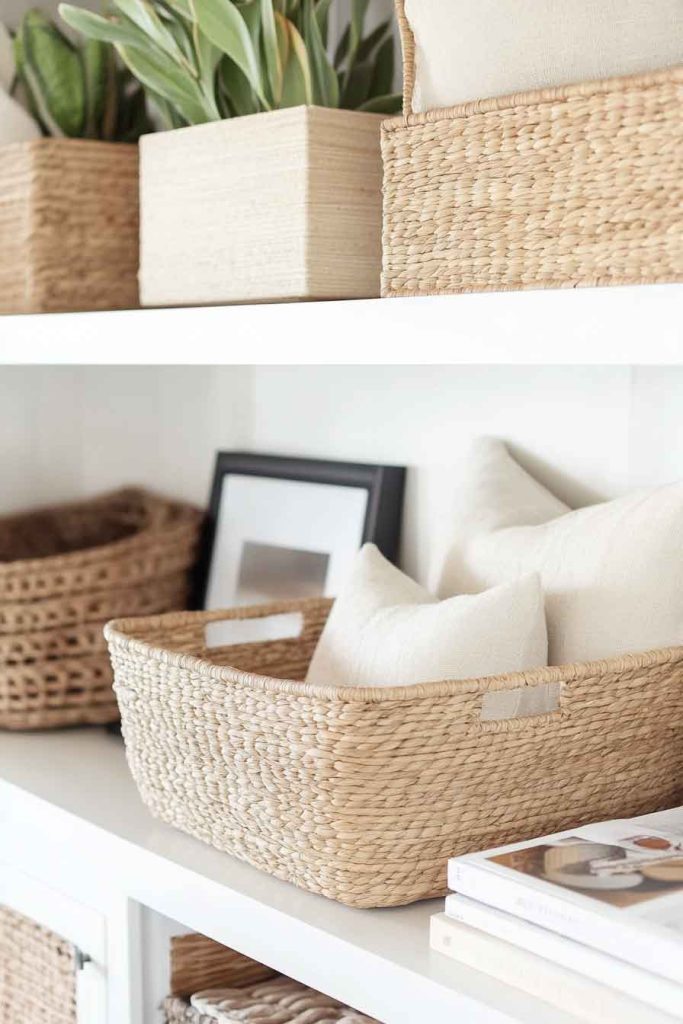
Use woven baskets under tables, on shelves, or in corners to store blankets, magazines, school supplies, or random items that need a home. Labeled baskets make it easy to find what you need.
Mix different sizes and materials—wicker, wire, fabric, or rope—to add visual interest while keeping your living room tidy.
27. Make It Instagram-Worthy
Create a living room you’re proud to share on social media. Thoughtful design choices make your space photogenic and enjoyable.
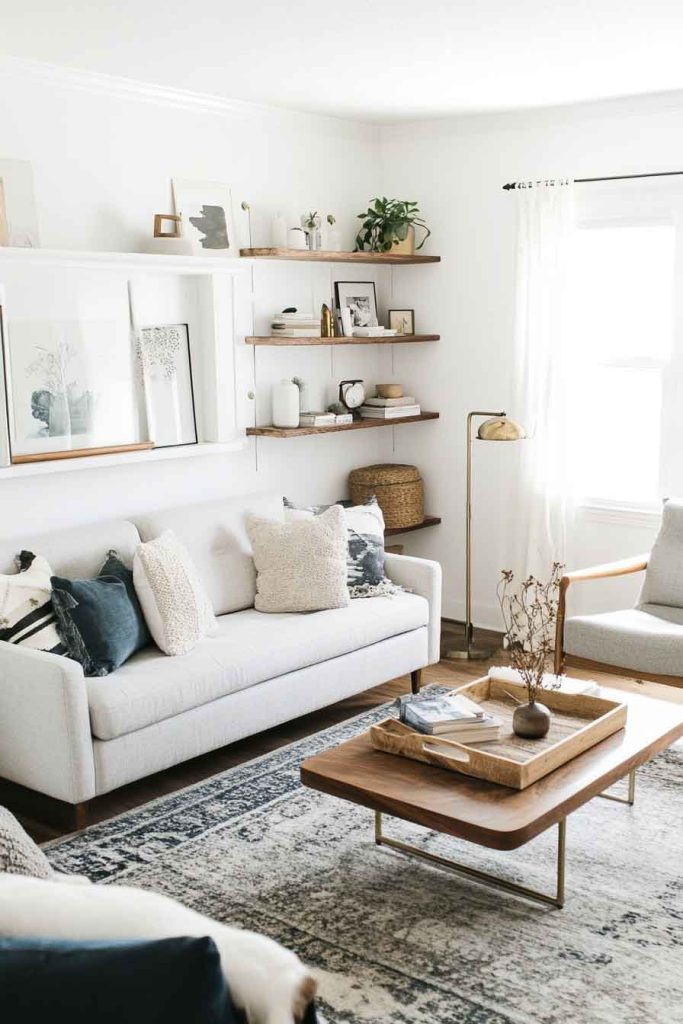
Consider how different angles look and create intentional vignettes—styled shelves, cozy reading nooks, or eye-catching accent walls. Good lighting makes everything look better in photos and real life.
An Instagram-worthy space doesn’t mean expensive—it means thoughtful, cohesive, and personal.
28. Keep It Simple and Flexible
Remember that your college living room doesn’t need to be perfect. Keep things simple, functional, and true to your style.
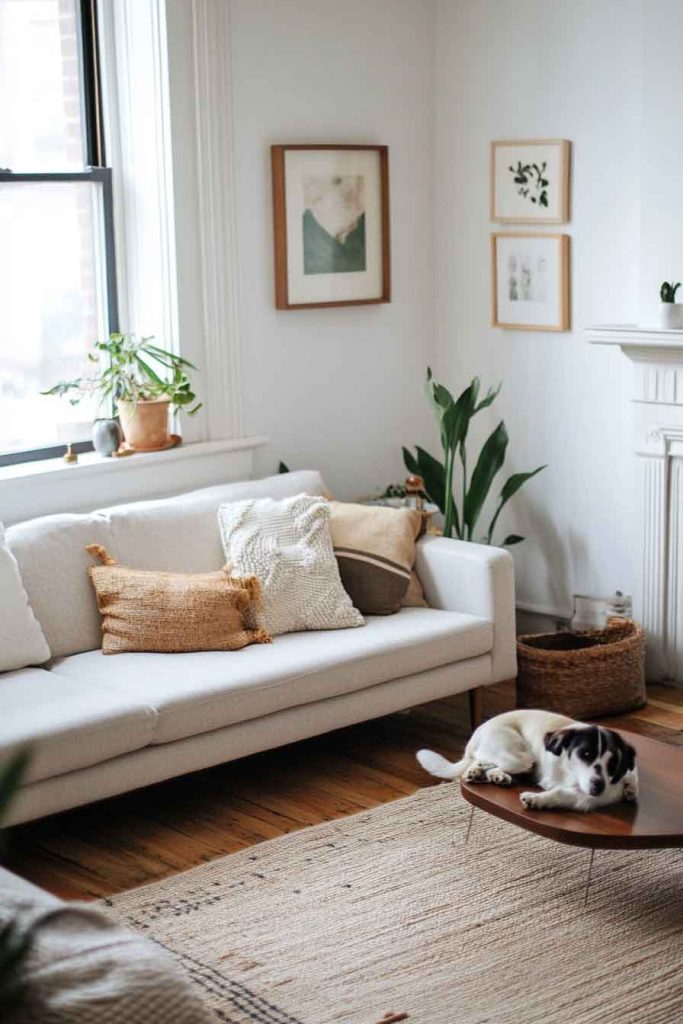
Don’t overcomplicate your space with too much furniture or decor. Leave room to move, breathe, and adapt as your needs change. The best college living rooms evolve throughout the year as you discover what works for your lifestyle.
Focus on the essentials first—seating, lighting, storage—then add decorative touches as your budget allows. Enjoy the process of creating a space that feels like home!
Conclusion
Creating a stylish and functional college living room is absolutely achievable on a student budget. The key is choosing multi-functional pieces, getting creative with storage, and adding personal touches that make the space feel like home.
From comfortable seating and smart lighting to personal collections and cozy textiles, these 28 ideas provide a roadmap for transforming any college living room. Remember that your space should work for your lifestyle—whether that means a dedicated study zone, an entertainment hub, or a cozy hangout spot for friends.
Don’t be afraid to shop secondhand, DIY when possible, and change things up as you discover what works best. Your college years are a time for experimentation, and your living room can reflect that spirit. Start with the basics, add personality through decor, and create a space where you’ll make great memories throughout your college experience.