25 Low Maintenance Indoor Plants Ideas
Do you want to bring life and freshness to your home without the hassle of constant care? Look no further than the following low maintenance indoor plants ideas! Indoor plants are a wonderful way to enhance your living space, purify the air, and create a calming atmosphere, and the best part is that many beautiful varieties require minimal effort to thrive.
With the right selection of hardy, forgiving plants, you can enjoy all the benefits of indoor greenery without worrying about complicated care routines or daily watering schedules. In this article, we’ll explore some easy and practical ways to incorporate low maintenance plants into your home, whether you’re a complete beginner or simply looking for plants that fit your busy lifestyle.
There are many reasons why people choose low maintenance indoor plants. One of the main reasons is that they create a healthier and more inviting home environment without demanding much time or attention. These resilient plants can tolerate irregular watering, adapt to various light conditions, and forgive occasional neglect, making them perfect for busy households, offices, or anyone new to plant care.
Additionally, low maintenance plants offer peace of mind, knowing that your green companions will continue to thrive even if you forget to water them for a week or two. Whether you prefer trailing vines, sculptural succulents, or lush tropical-looking foliage, there are endless possibilities for creating your own indoor garden.
Low maintenance indoor plants typically include varieties that require infrequent watering, tolerate a range of light conditions, and are naturally resistant to common pests and diseases. This makes them a popular choice for those who want to enjoy the beauty and benefits of plants without the stress of high-maintenance care routines.
What Are Low Maintenance Indoor Plants?
Low maintenance indoor plants are varieties that thrive with minimal care and attention. They are characterized by their ability to tolerate neglect, adapt to different indoor conditions, and survive with infrequent watering and basic care.
These plants are forgiving, resilient, and perfect for beginners or anyone with a busy schedule. They often have features like thick leaves that store water, tolerance for low light conditions, or slow growth patterns that reduce the need for frequent pruning and repotting.
Regardless of your experience level, almost anyone can successfully grow low maintenance plants. The key is choosing the right plants for your specific conditions and understanding their basic needs. When you select plants that naturally thrive in environments similar to your home, they’ll flourish with very little effort on your part.
Easy care is the goal, and keeping things simple works best with this approach. Think drought-tolerant succulents, air-purifying snake plants, adaptable pothos vines, and other varieties that can handle the occasional missed watering or less-than-perfect light conditions.
Low Maintenance Indoor Plants Ideas
1. Snake Plant (Sansevieria)
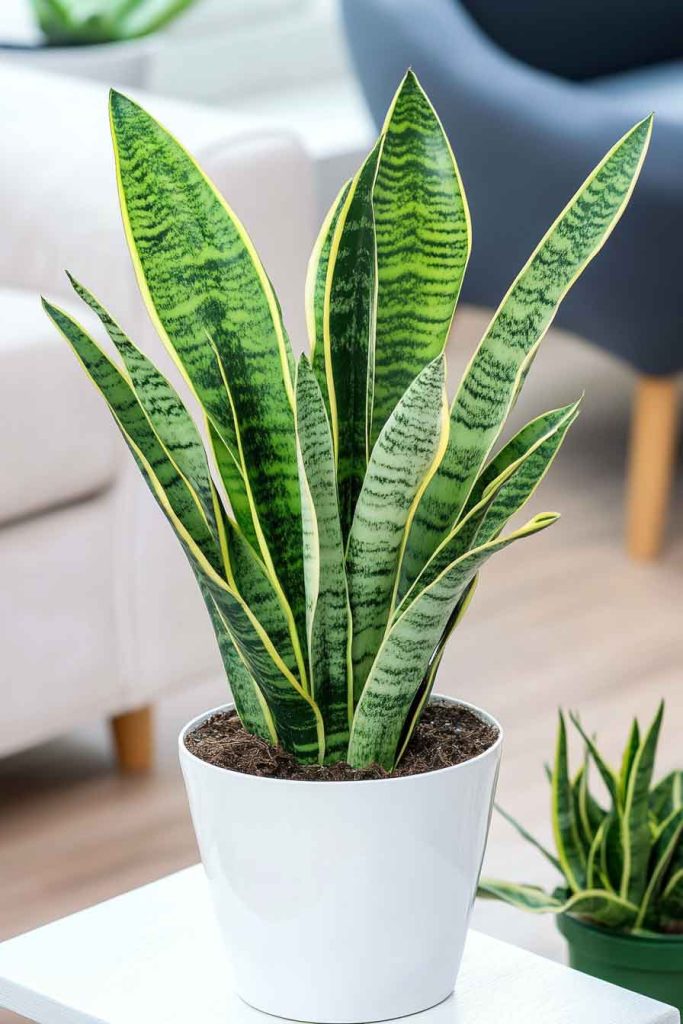
The snake plant is one of the most indestructible houseplants available. It has tall, upright leaves with striking patterns and can survive weeks without water. Snake plants tolerate low light conditions and actually prefer to dry out completely between waterings, making them perfect for forgetful plant owners.
2. Pothos (Devil’s Ivy)
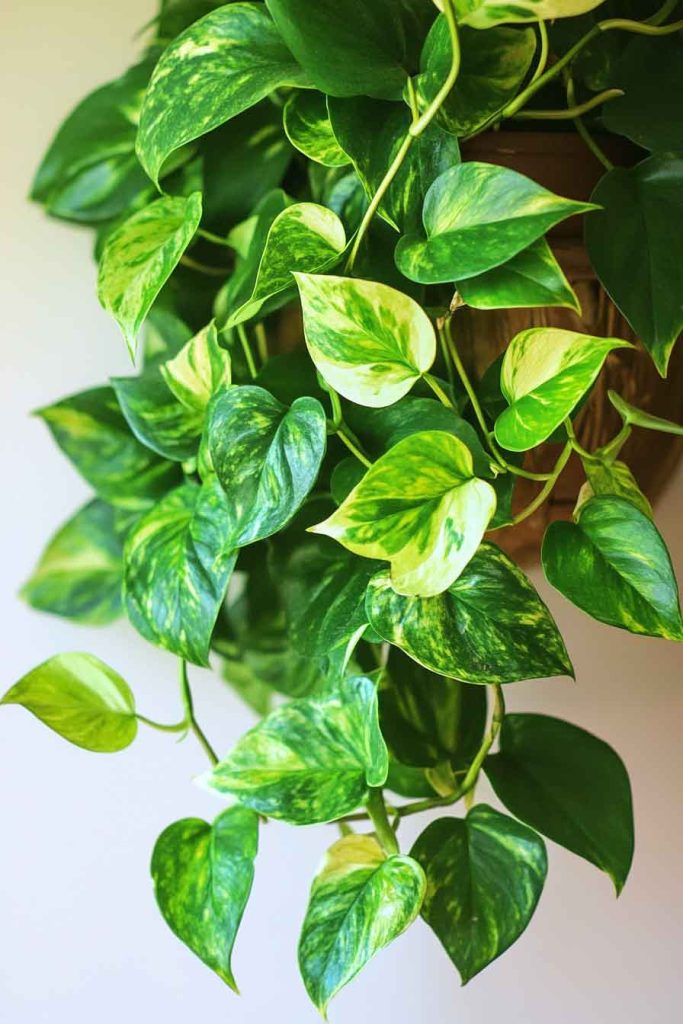
Pothos is a beautiful trailing vine with heart-shaped leaves that comes in various colors, including green, golden, and variegated varieties. It grows quickly, tolerates low light, and only needs watering when the soil is dry. Pothos is also excellent for beginners because it clearly shows when it needs water by drooping slightly.
3. ZZ Plant (Zamioculcas Zamiifolia)
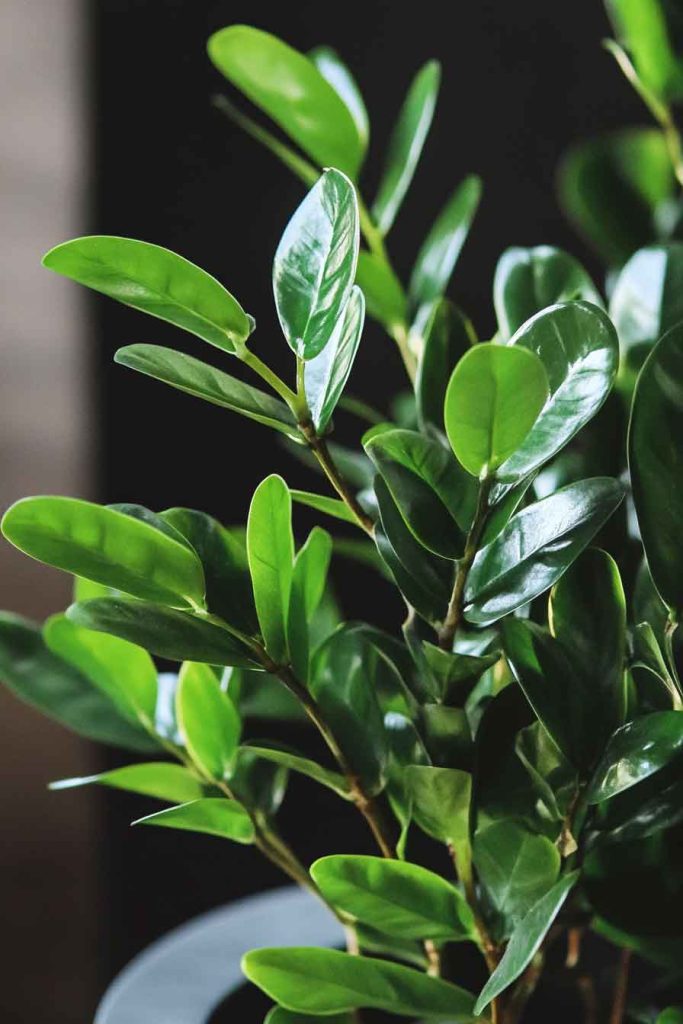
The ZZ plant features glossy, dark green leaves that grow on thick stems. It’s incredibly drought-tolerant and can handle neglect better than almost any other houseplant. ZZ plants thrive in low to bright indirect light and only need watering every few weeks.
4. Spider Plant
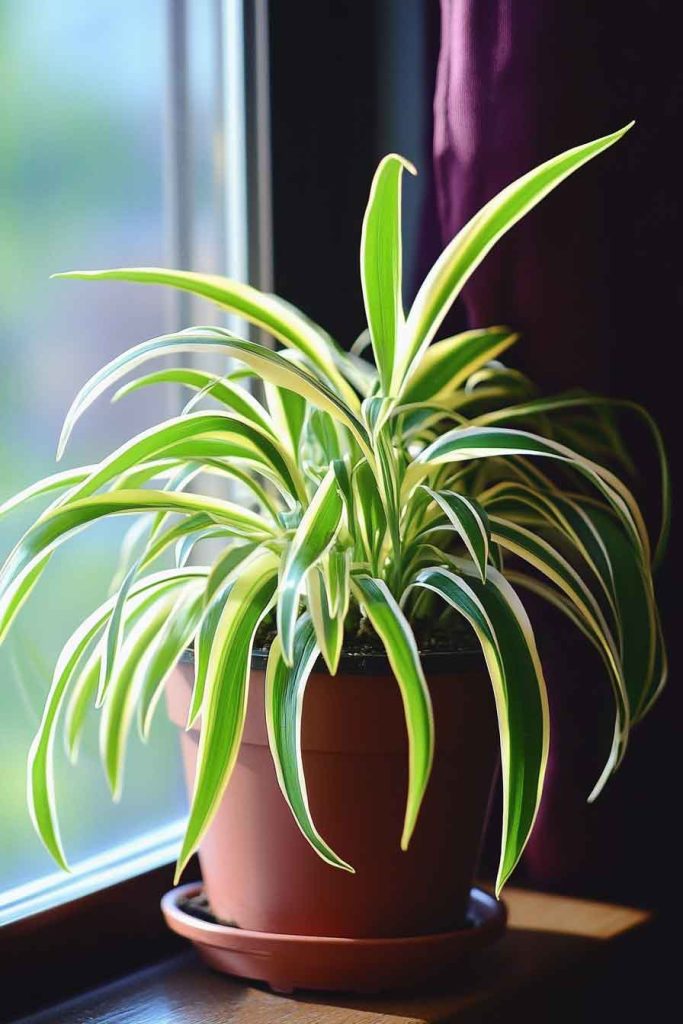
Spider plants have long, arching leaves with green and white stripes. They produce baby plants on long stems, making them easy to propagate and share with friends. Spider plants are very forgiving and adapt well to various conditions, requiring only occasional watering and moderate light.
5. Aloe Vera
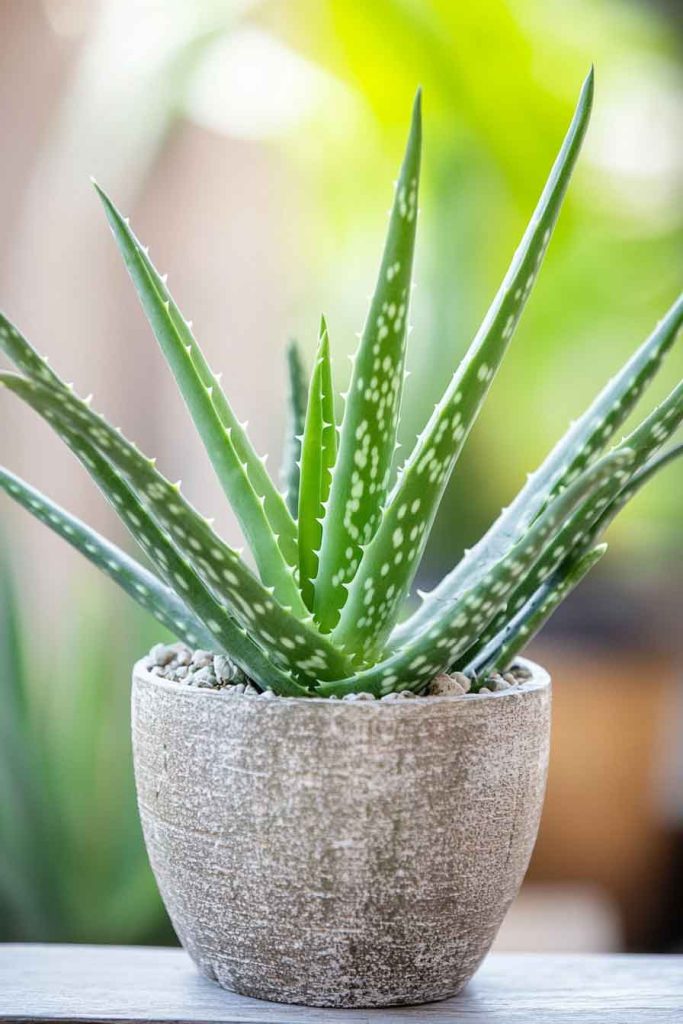
Aloe vera is a succulent with thick, fleshy leaves that store water. It requires very little watering and prefers bright, indirect light. As a bonus, aloe vera gel can be used to soothe minor burns and skin irritations, making it both decorative and functional.
6. Rubber Plant
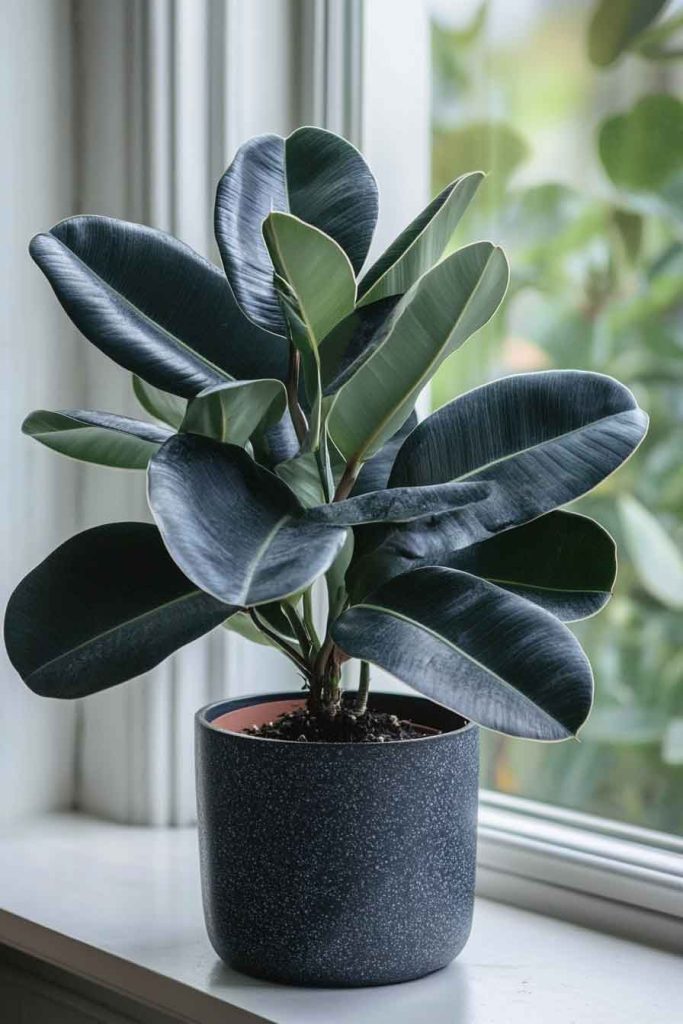
Rubber plants have large, glossy leaves that make a bold statement in any room. They’re relatively low maintenance, preferring bright indirect light and watering only when the top inch of soil is dry. Rubber plants are excellent for adding height and drama to your space.
7. Peace Lily
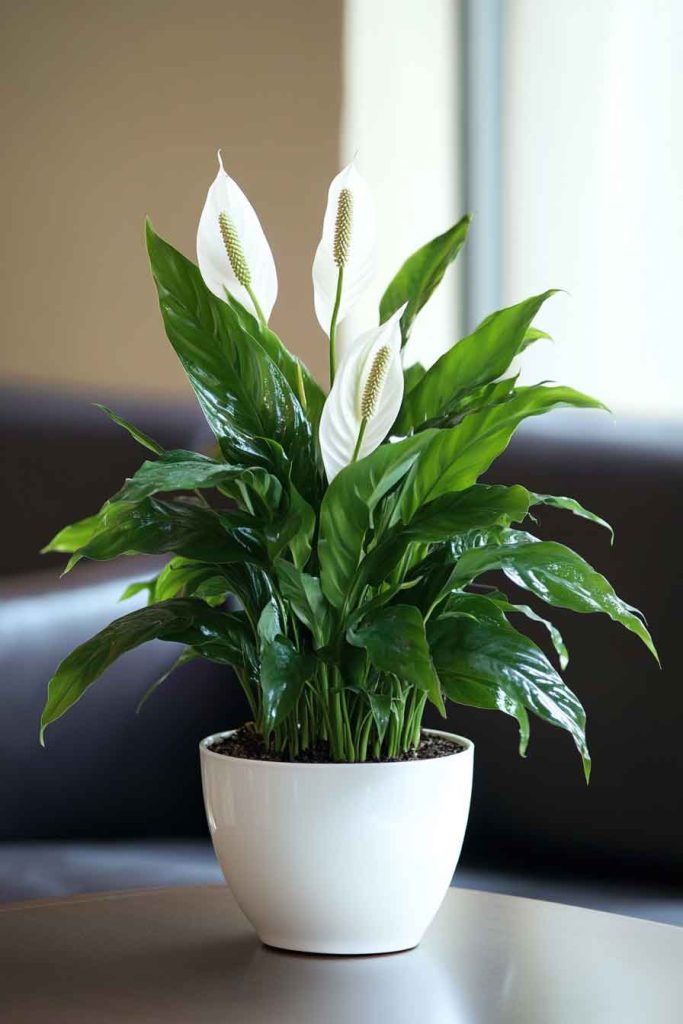
Peace lilies have elegant white flowers and dark green leaves that add sophistication to any room. They thrive in low to medium light and actually tell you when they need water by drooping slightly. Once watered, they perk up quickly, making them very easy to care for.
8. Dracaena
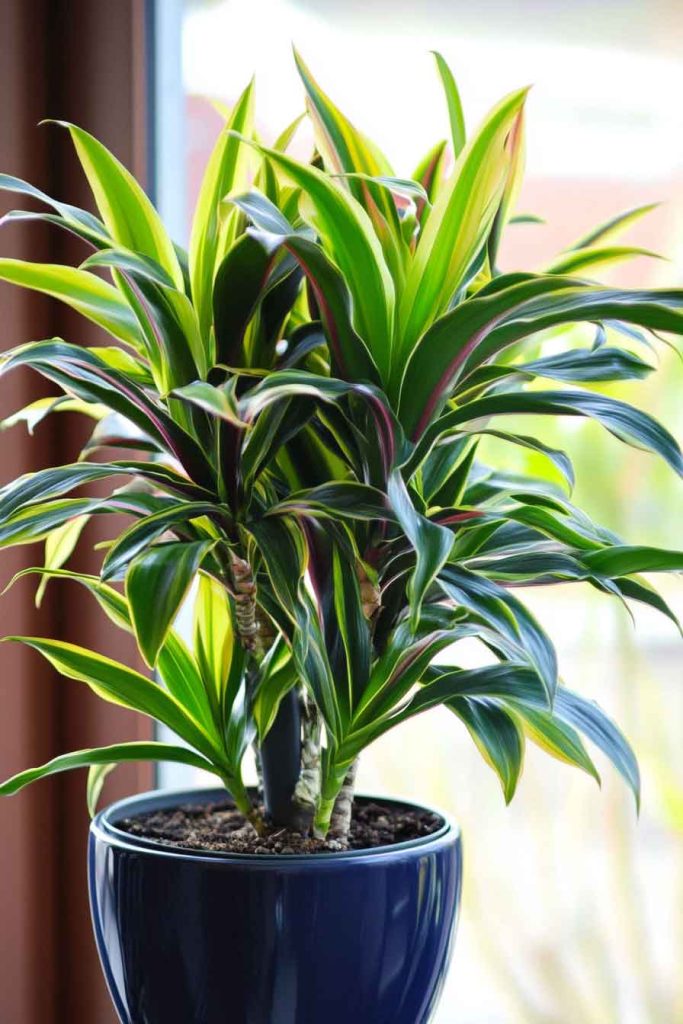
Dracaena plants come in many varieties, all featuring long, colorful leaves that add visual interest. They tolerate low light, need infrequent watering, and can grow quite tall, making them perfect for filling empty corners or adding vertical interest to a room.
9. Chinese Evergreen (Aglaonema)
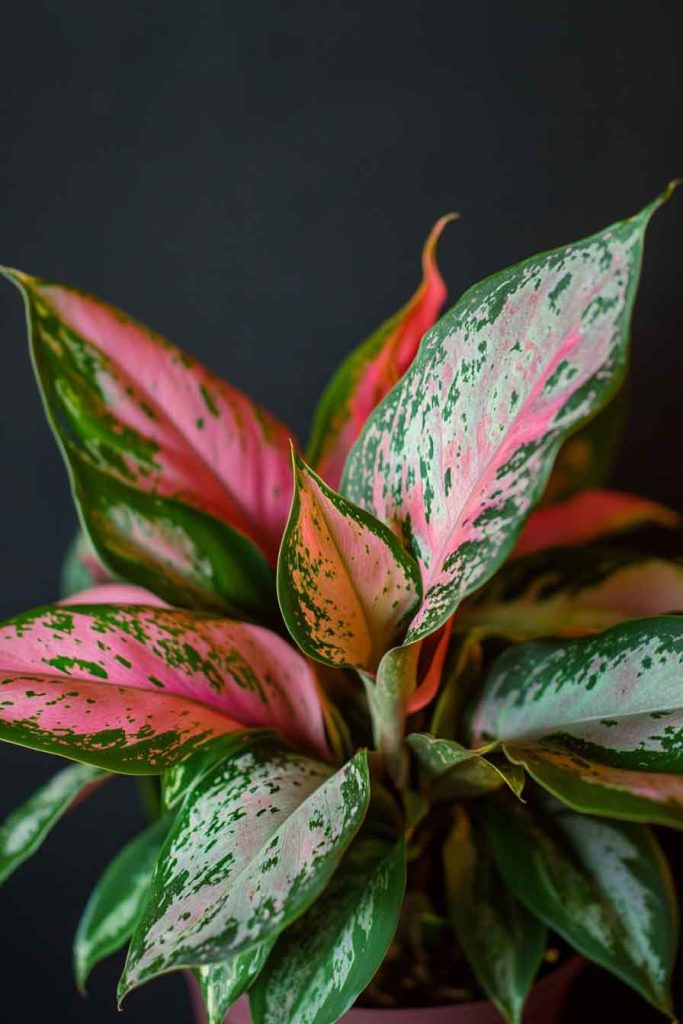
Chinese evergreens have beautiful patterned leaves in shades of green, silver, pink, and red. They’re extremely tolerant of low light conditions and irregular watering, making them ideal for offices or rooms with limited natural light.
10. Jade Plant
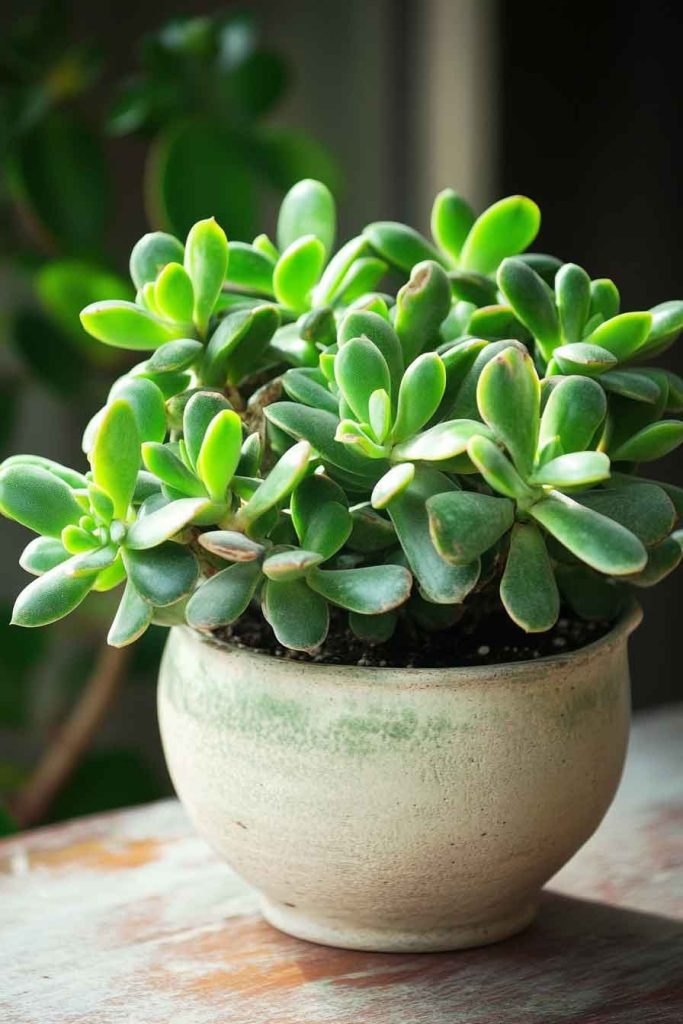
Jade plants are succulents with thick, oval-shaped leaves and sturdy branches. They require very little water and prefer bright light. Jade plants can live for decades with minimal care and are considered symbols of good luck in many cultures.
11. Philodendron
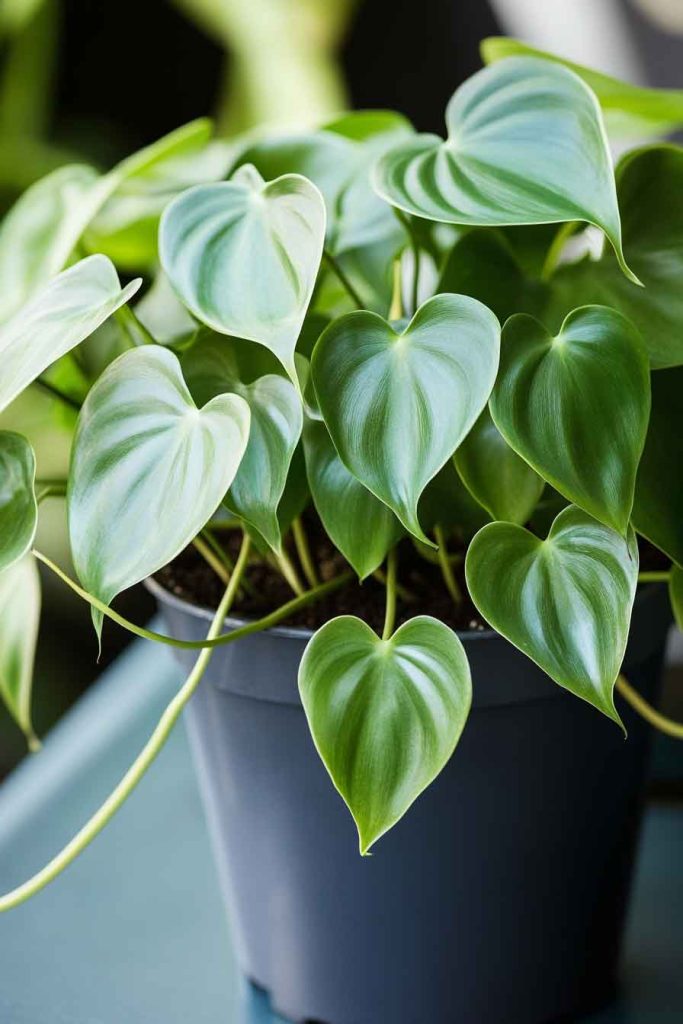
Philodendrons are versatile plants that come in both climbing and non-climbing varieties. They have heart-shaped leaves and adapt well to various light conditions. Philodendrons are very forgiving and only need watering when the soil surface feels dry.
12. Cast Iron Plant (Aspidistra)
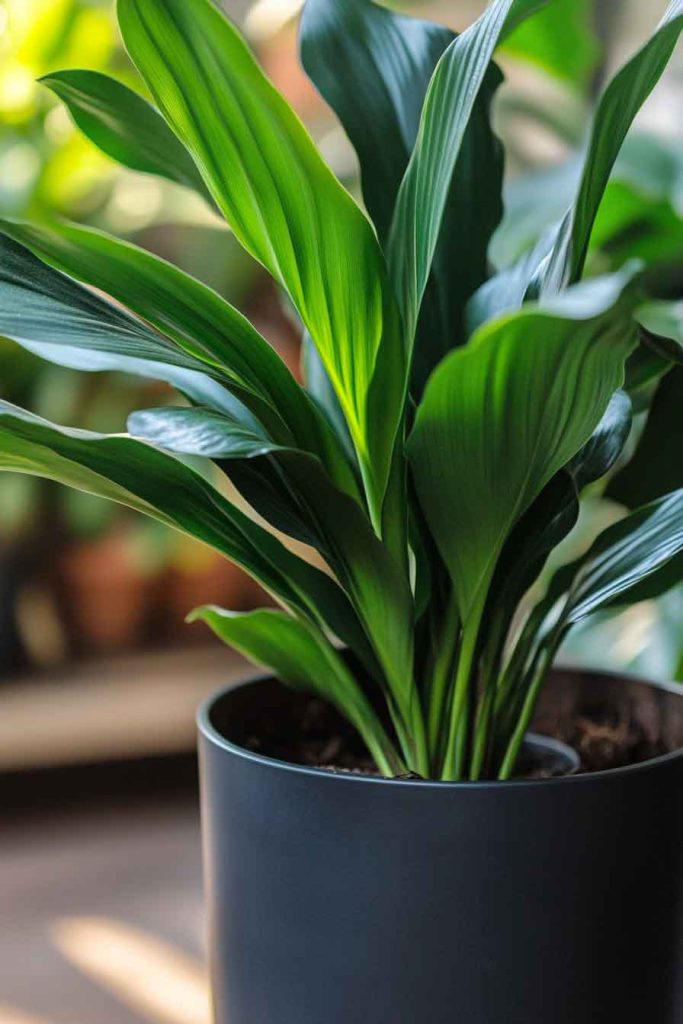
True to its name, the cast iron plant is nearly indestructible. It tolerates low light, irregular watering, temperature fluctuations, and neglect. The dark green leaves add elegance to any space without demanding much attention.
13. String of Pearls
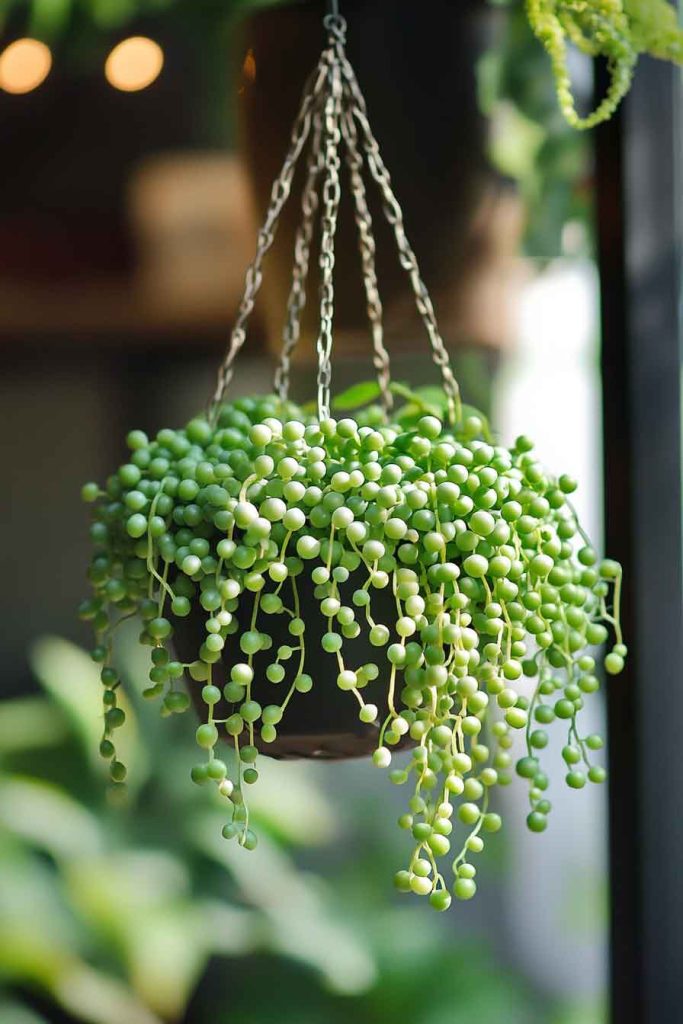
String of pearls is a unique succulent with bead-like leaves that cascade down from hanging baskets. It requires very little water and prefers bright, indirect light. This plant adds a whimsical touch to any room with its distinctive appearance.
14. Cactus Varieties
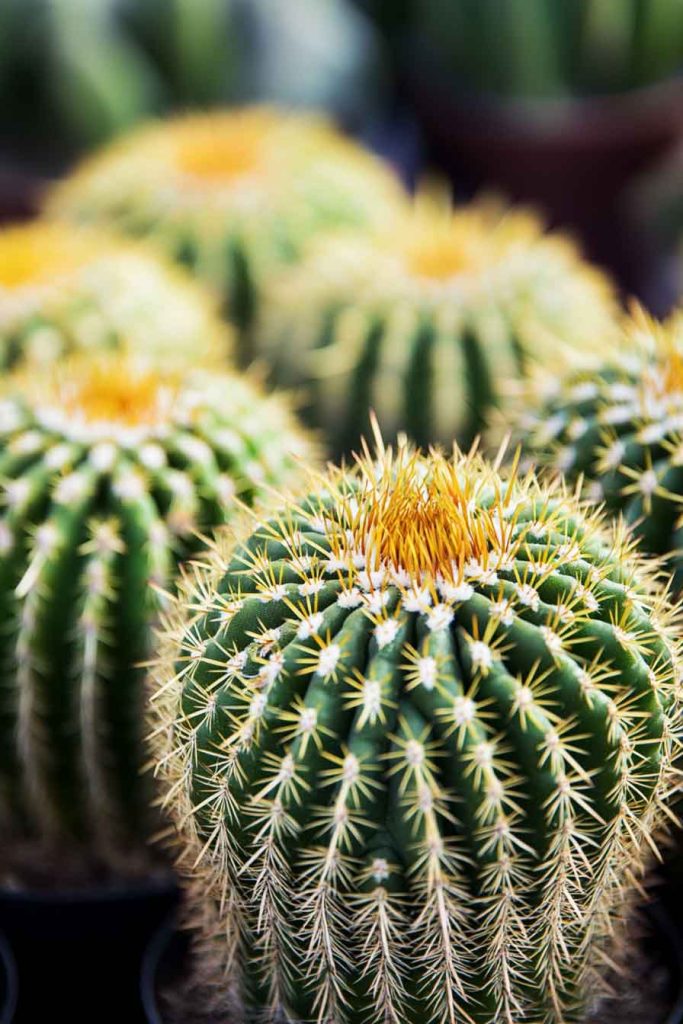
Cacti are classic low maintenance plants that come in countless shapes and sizes. They need very little water, prefer bright light, and add a desert-inspired aesthetic to your home. From small round varieties to tall columnar types, there’s a cactus for every space.
15. Monstera Deliciosa
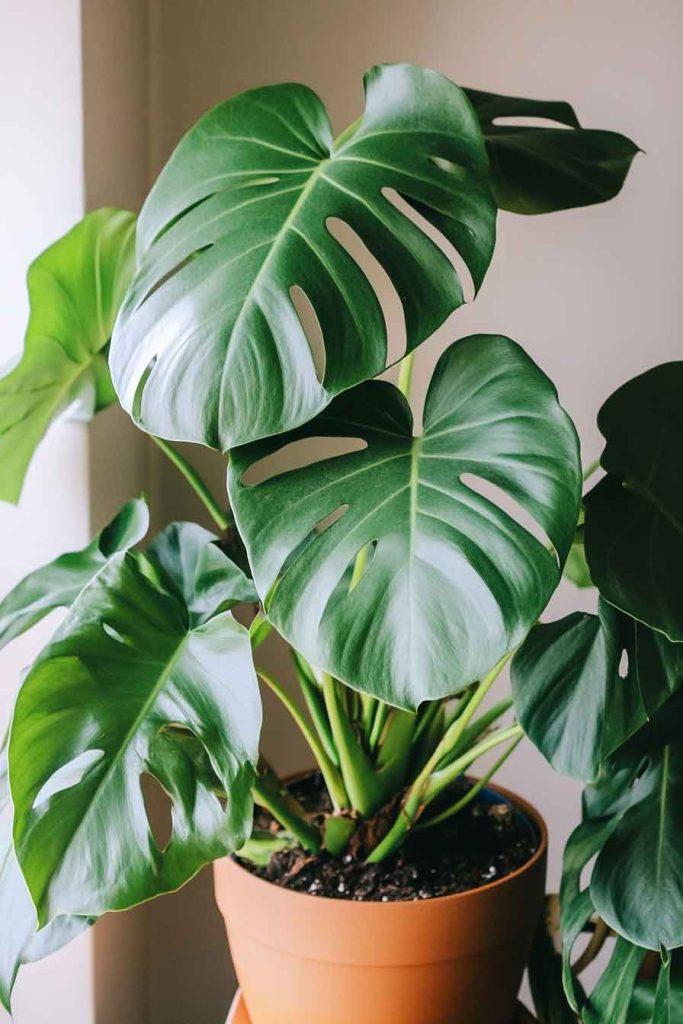
Monstera plants have large, split leaves that create a tropical feel. Despite their dramatic appearance, they’re quite easy to care for. Monsteras tolerate various light conditions and only need watering when the soil is partially dry.
16. Bromeliad
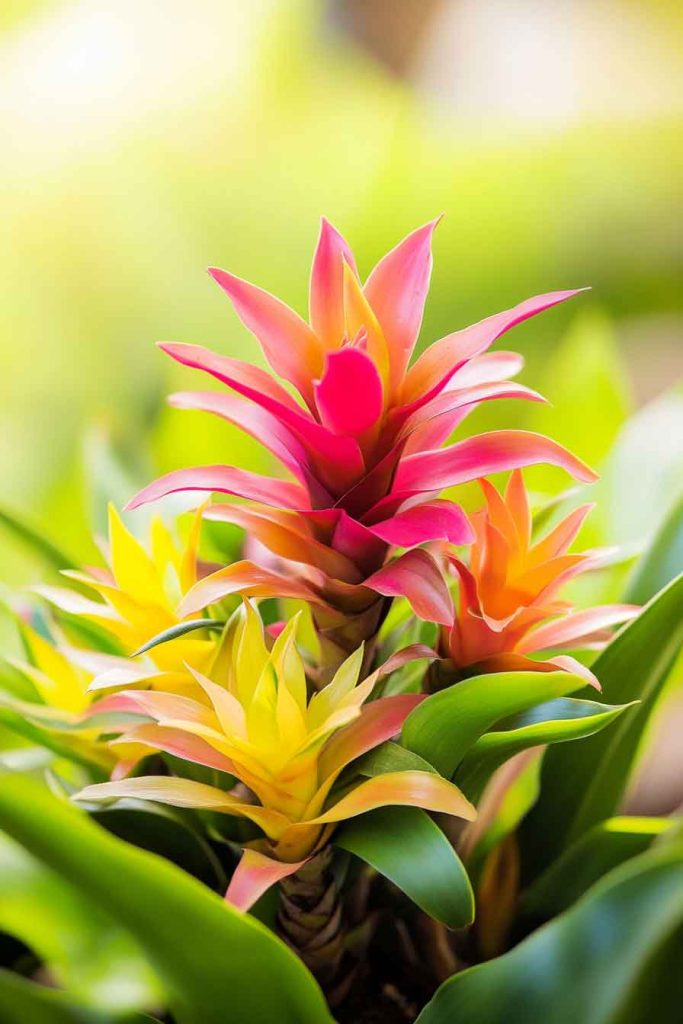
Bromeliads have colorful, long-lasting flowers and interesting foliage. They require minimal watering and prefer bright, indirect light. These plants add a pop of color to your home and can bloom for several months.
17. Lucky Bamboo
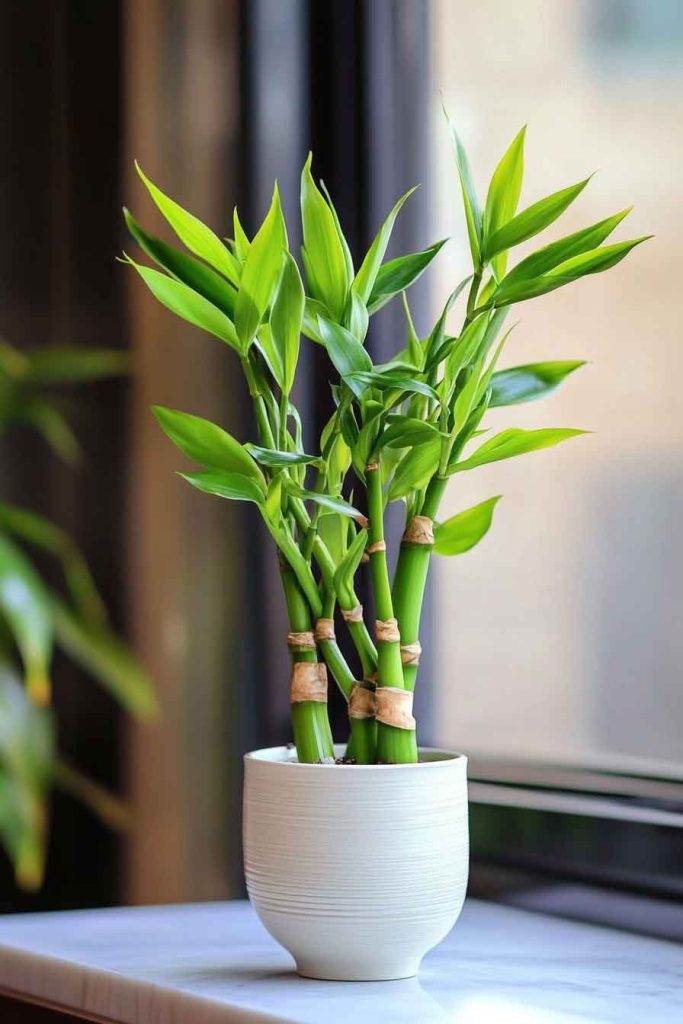
Lucky bamboo isn’t actually bamboo but a type of dracaena. It can grow in water or soil and requires very little maintenance. Lucky bamboo is often shaped into decorative spirals or arrangements and adds an elegant, minimalist touch to any space.
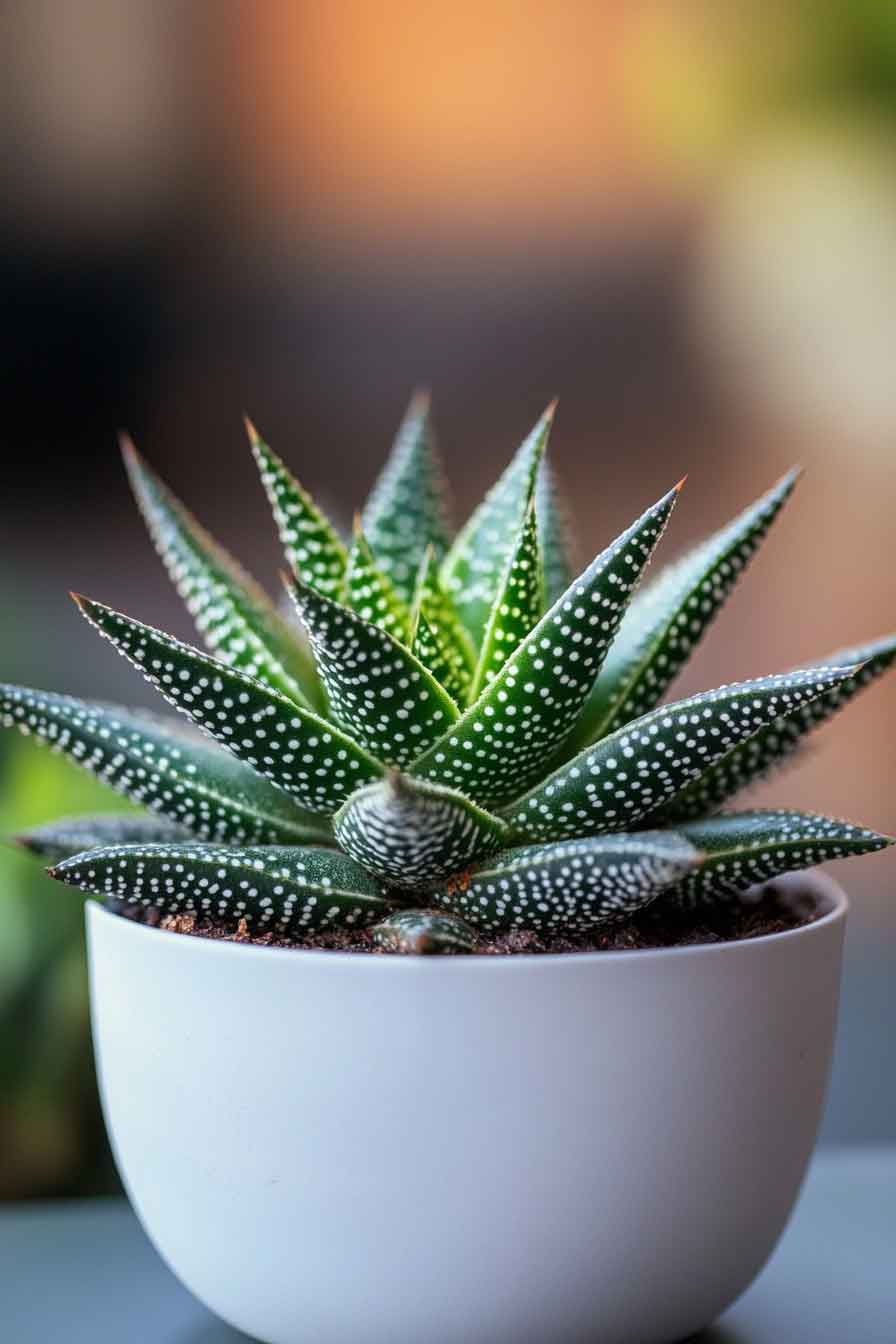
18. Haworthia
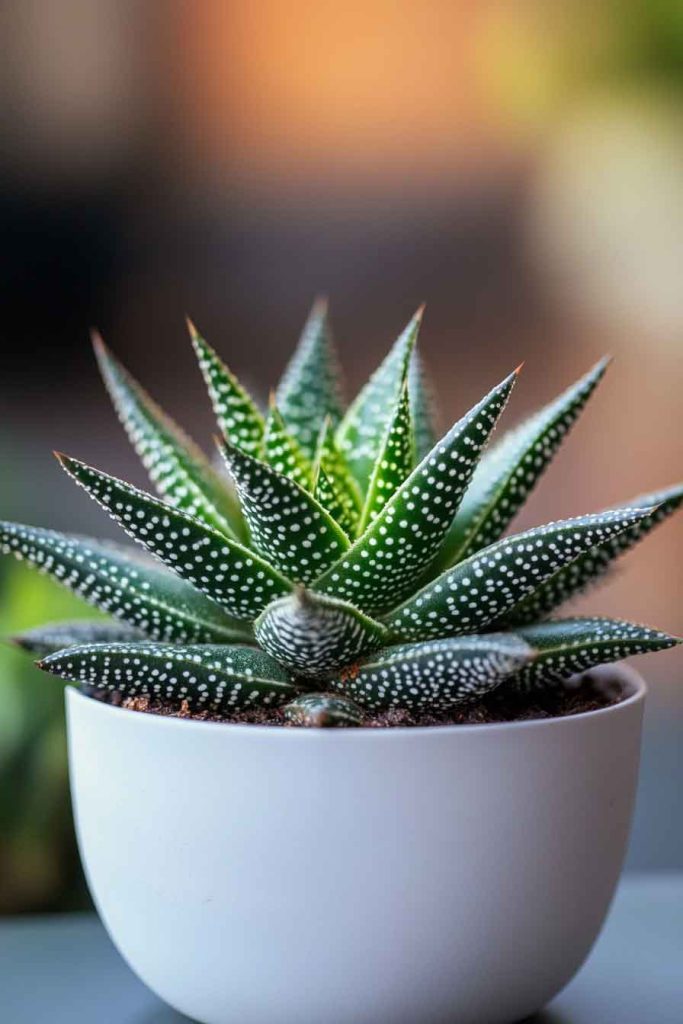
Haworthia is a small succulent with distinctive patterns on its leaves. It requires minimal watering and can thrive in bright, indirect light or partial shade. These compact plants are perfect for small spaces, desks, or windowsills.
19. Yucca
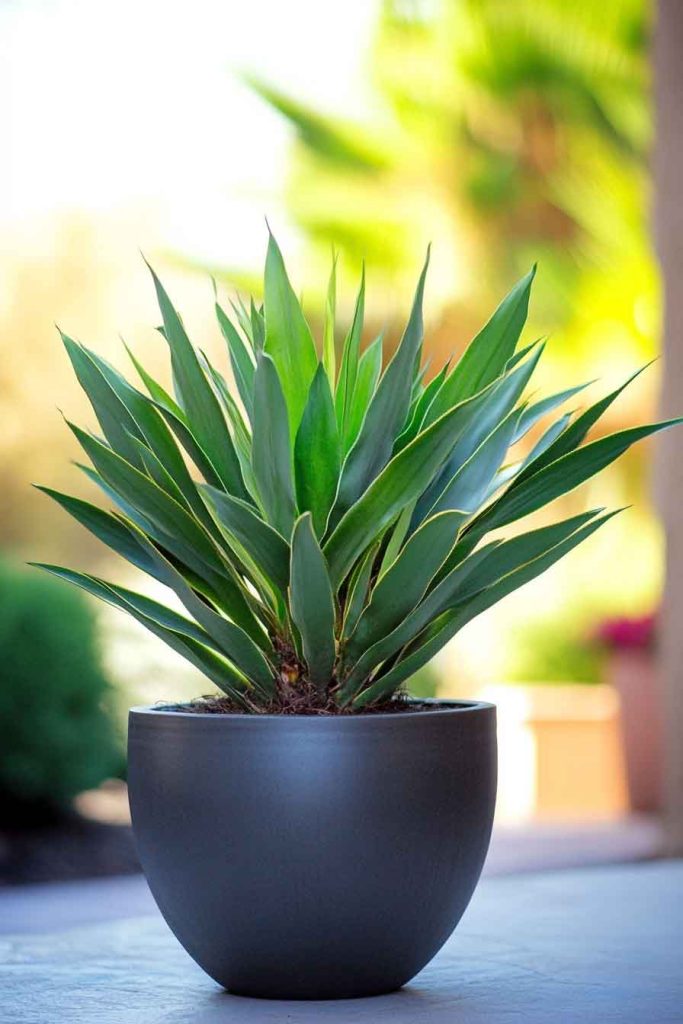
Yucca plants have sword-like leaves that grow in a rosette pattern. They’re extremely drought-tolerant and prefer bright light. Yuccas add architectural interest to a room and can grow quite large over time with minimal care.
20. Dieffenbachia (Dumb Cane)
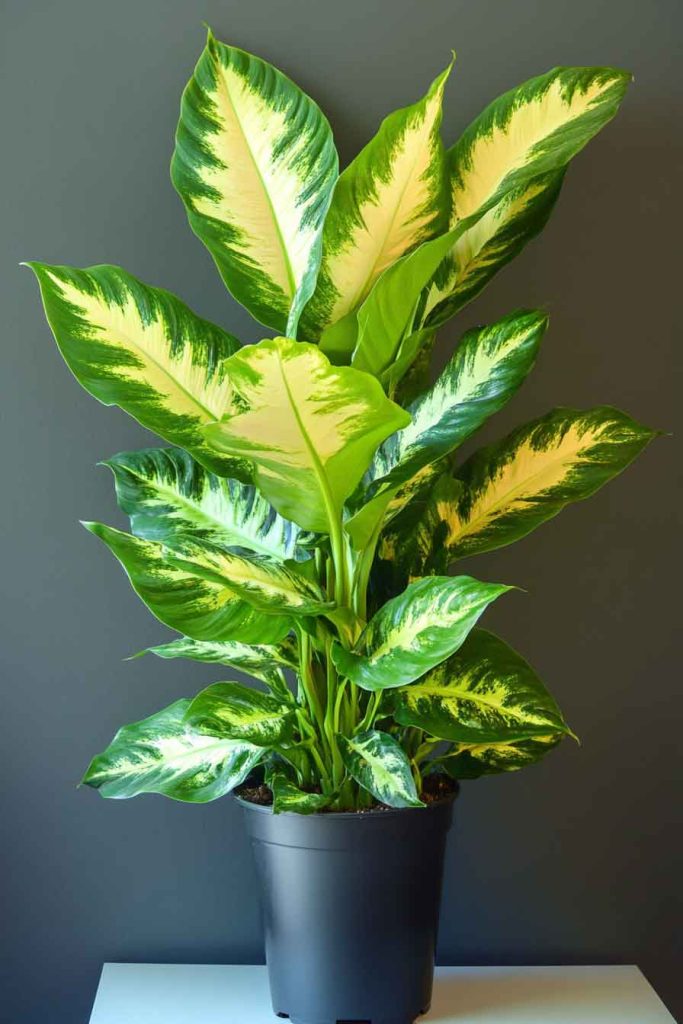
Dieffenbachia has large, variegated leaves with beautiful patterns. It tolerates low to medium light and only needs watering when the top layer of soil is dry. This plant adds tropical flair to your home with very little effort.
21. Ponytail Palm
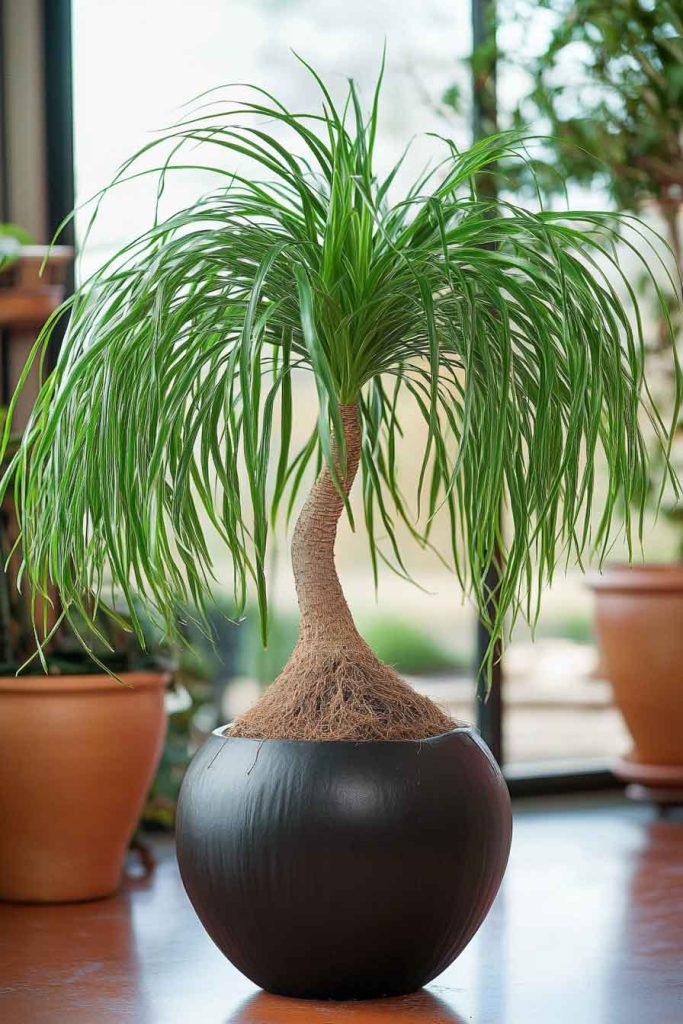
The ponytail palm has a thick, bulbous trunk that stores water and long, curly leaves that cascade from the top. It requires very infrequent watering and bright light. This unique plant adds character to any room with its distinctive shape.
22. Peperomia
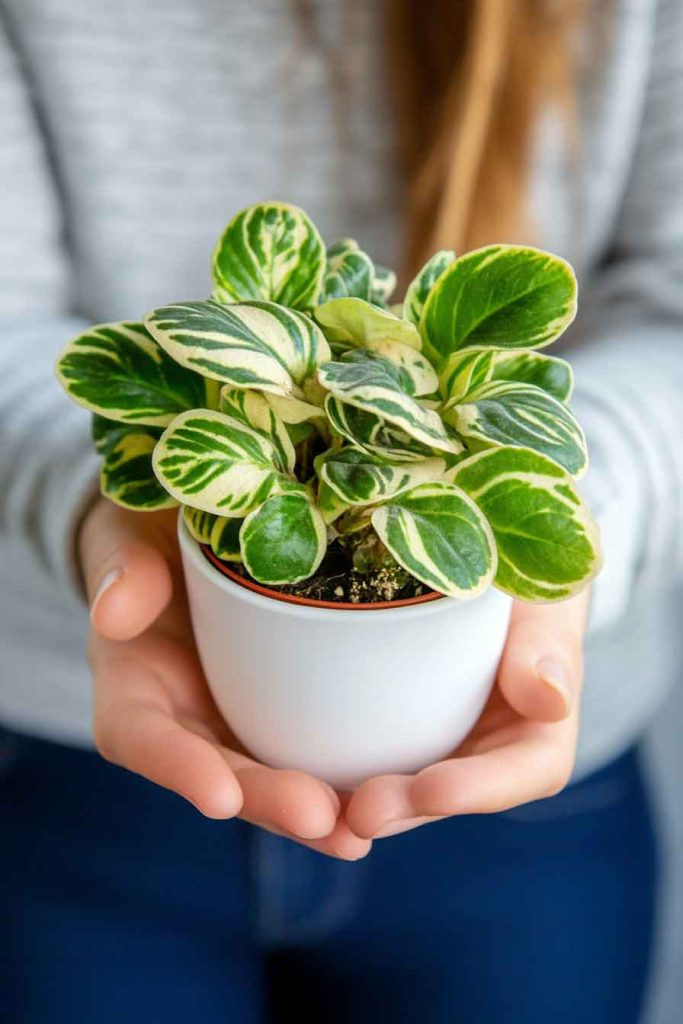
Peperomia plants come in many varieties with different leaf shapes, colors, and patterns. They’re compact, slow-growing, and require minimal watering. Peperomias are perfect for small spaces and add variety without demanding much attention.
23. Air Plants (Tillandsia)
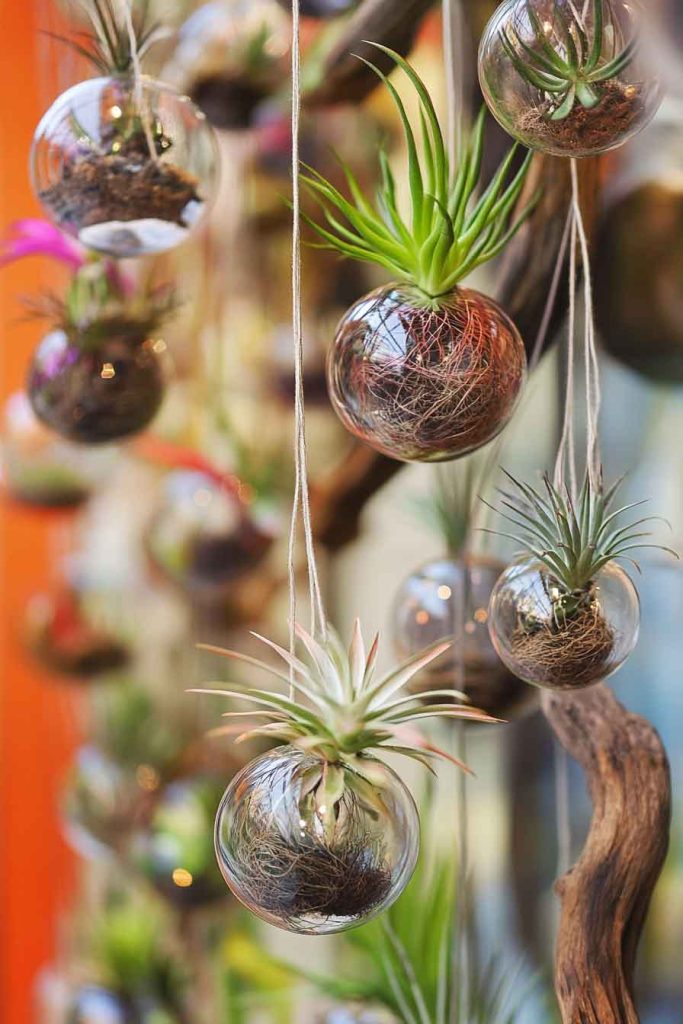
Air plants don’t require soil and absorb moisture and nutrients through their leaves. They only need to be soaked in water for a few hours every week or two and prefer bright, indirect light. Air plants can be displayed creatively in terrariums, on driftwood, or in hanging holders.
24. Schefflera (Umbrella Plant)
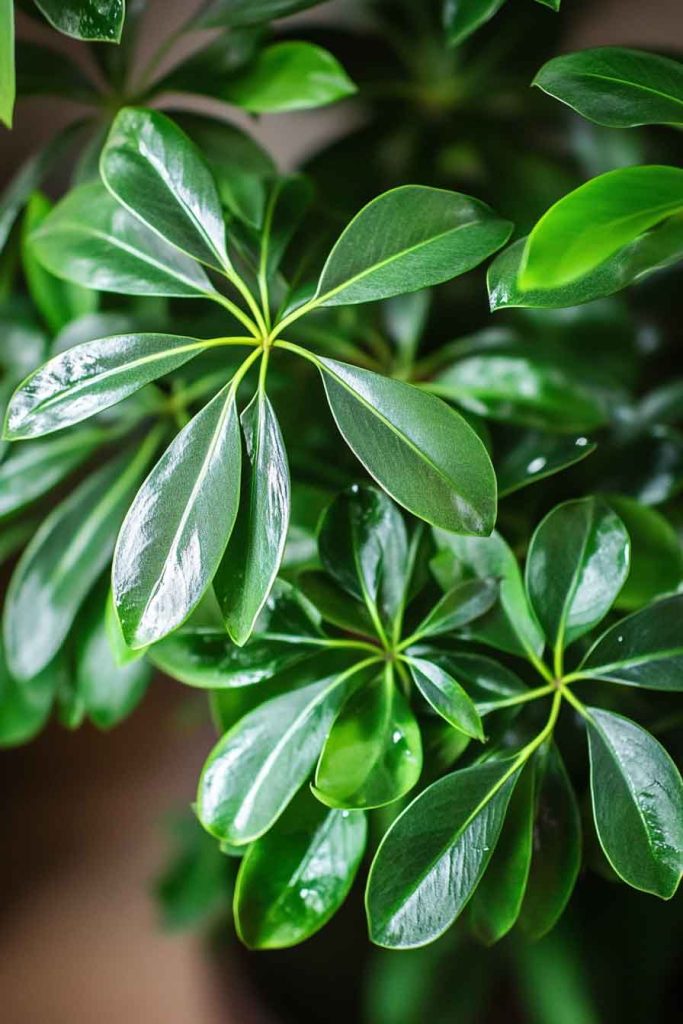
Schefflera plants have glossy leaves arranged in a circular pattern resembling an umbrella. They adapt well to various light conditions and only need watering when the soil is dry. These plants can grow quite large and add lush greenery to your home.
25. Boston Fern
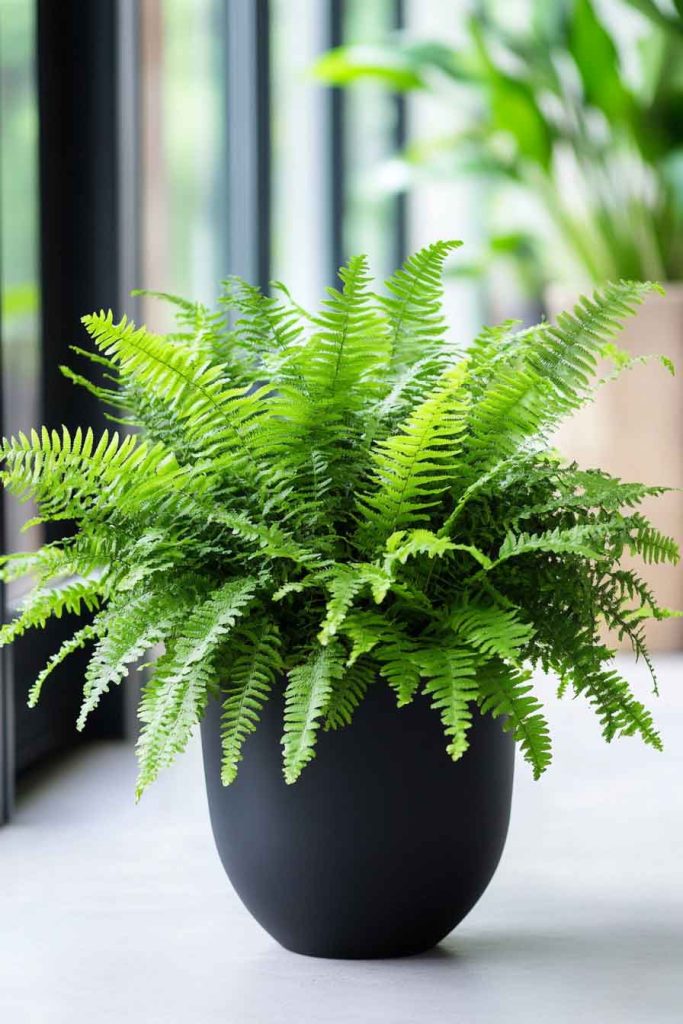
While ferns have a reputation for being finicky, Boston ferns are more forgiving than most. They prefer medium to bright indirect light and like their soil to stay slightly moist. Once you establish a simple watering routine, Boston ferns add beautiful, feathery texture to your space.
Care Tips for Low Maintenance Indoor Plants
Choose the Right Location
Place your plants in spots that match their light requirements. Most low maintenance plants prefer bright, indirect light, but many can adapt to lower light conditions. Avoid placing plants in direct sunlight or in very dark corners unless the specific variety tolerates those conditions.
Water Wisely
The most common mistake is overwatering. Most low maintenance plants prefer to dry out between waterings. Check the soil before watering by sticking your finger about an inch deep. If it feels dry, it’s time to water. If it’s still moist, wait a few more days.
Use Well-Draining Soil
Good drainage is essential for most houseplants. Use a quality potting mix designed for indoor plants, and make sure your pots have drainage holes. This prevents water from sitting at the bottom and causing root rot.
Avoid Frequent Repotting
Low maintenance plants often prefer to be slightly root-bound and don’t need frequent repotting. Most varieties only need repotting every two to three years when they’ve clearly outgrown their containers.
Keep Leaves Clean
Dust can accumulate on plant leaves and block light absorption. Wipe leaves gently with a damp cloth every few weeks to keep them clean and healthy. This simple step helps your plants photosynthesize more efficiently.
Monitor for Pests
While low maintenance plants are generally resistant to pests, occasionally check for common issues like spider mites or mealybugs. Catching problems early makes them easier to treat with simple solutions like wiping leaves with soapy water.
Don’t Over-Fertilize
Low maintenance plants don’t need frequent feeding. Most varieties do well with fertilizer once every few months during the growing season (spring and summer). Use a balanced, diluted fertilizer according to package instructions.
Common Mistakes to Avoid
Overwatering
More plants die from too much water than too little. Low maintenance varieties are typically drought-tolerant and prefer to dry out between waterings. When in doubt, wait an extra day or two before watering.
Ignoring Light Requirements
While many low maintenance plants tolerate low light, they still need some light to survive. Completely dark rooms won’t support plant growth. If a space has no natural light, consider adding a grow light.
Using Pots Without Drainage
Drainage holes are essential for preventing water from accumulating at the bottom of pots. If you love a decorative pot without holes, use it as a cachepot with a nursery pot inside that has proper drainage.
Inconsistent Care
Even low maintenance plants benefit from a basic routine. Try to water on a consistent schedule, even if it’s just once or twice a month. Plants adapt better to predictable care patterns.
Best Places to Display Indoor Plants
Living Room
The living room is perfect for larger statement plants like monstera, rubber plants, or tall snake plants. Place them in corners, beside furniture, or on plant stands to add height and visual interest.
Bedroom
Bedroom plants should promote relaxation and improve air quality. Snake plants, pothos, and peace lilies are excellent choices. Place them on nightstands, dressers, or hanging planters for a serene atmosphere.
Bathroom
Bathrooms with windows are ideal for plants that enjoy humidity. Pothos, philodendrons, and ferns thrive in the moist environment. Place them on shelves, window sills, or hang them from the ceiling.
Kitchen
Kitchen plants can be both decorative and functional. Aloe vera, herbs, and small succulents work well on windowsills or countertops. They add freshness to the space where you prepare meals.
Home Office
Office plants help reduce stress and improve focus. ZZ plants, snake plants, and small succulents are perfect for desks and shelves. They require minimal attention while you work and add life to your workspace.
Entryway
The entryway is the first impression of your home. A statement plant like a dracaena or rubber plant creates a welcoming atmosphere. Choose varieties that can tolerate the light conditions in your entry space.
Low Maintenance Indoor Plants: Conclusion
Incorporating low maintenance indoor plants into your living space is a wonderful way to create a healthier, more beautiful home environment without the stress of complicated care routines. Whether you’re just starting your plant journey or looking to expand your collection with easy-care varieties, there are many simple and rewarding ways to bring greenery into every room.
From drought-tolerant succulents to air-purifying tropical plants, the possibilities are endless. The key is choosing plants that match your lifestyle, light conditions, and aesthetic preferences. With the right selection, you can enjoy all the benefits of indoor plants while spending just a few minutes each week on basic care.
Start small with one or two plants to build your confidence, then gradually add more varieties as you discover which plants thrive in your home. Remember that every plant parent makes mistakes, and that’s part of the learning process. Low maintenance plants are forgiving and give you plenty of room to grow alongside them.
To complete your indoor garden, choose decorative pots that complement your home decor, add plant stands for height variation, and group plants together to create lush displays. Adding low maintenance greenery brings life, color, and freshness to your space while improving air quality and creating a calming sanctuary you’ll love coming home to.